


Vintage Wooden Wall Hanging
These vintage wooden wall hanging pieces bring warmth, texture and period character to empty interior spaces.
Vintage Wooden Wall Hanging
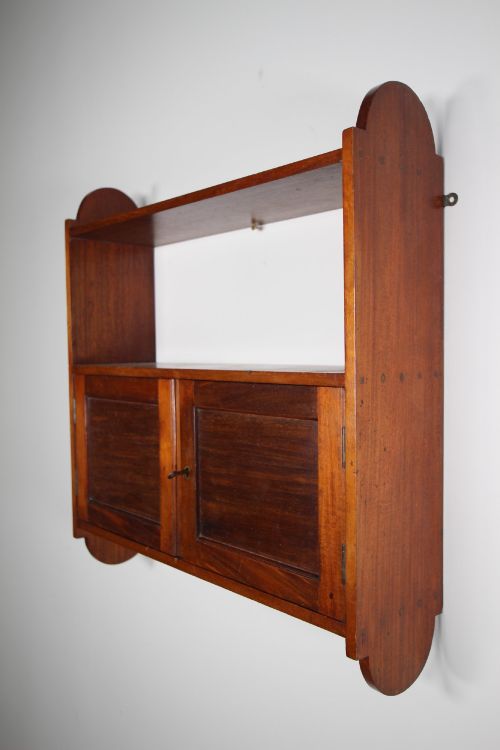
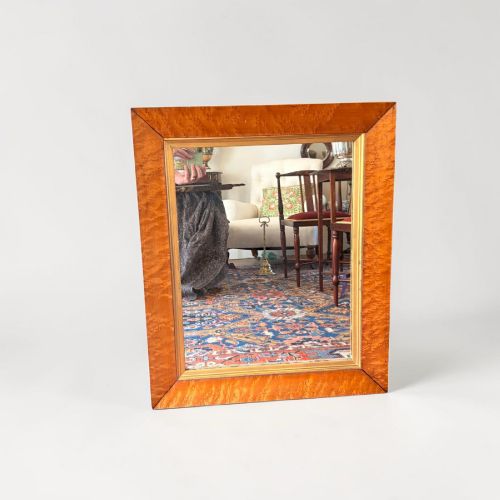
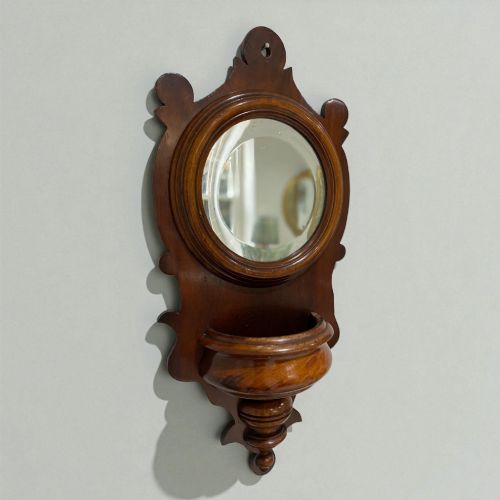
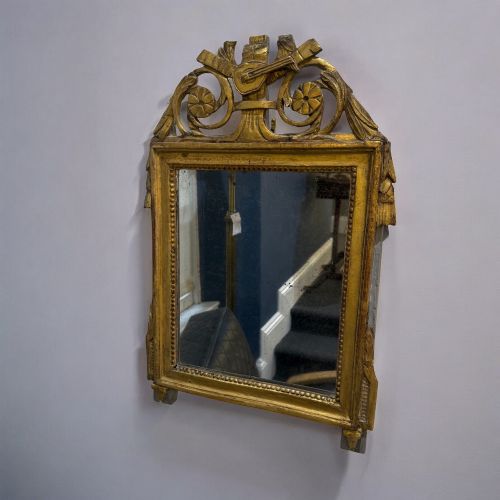
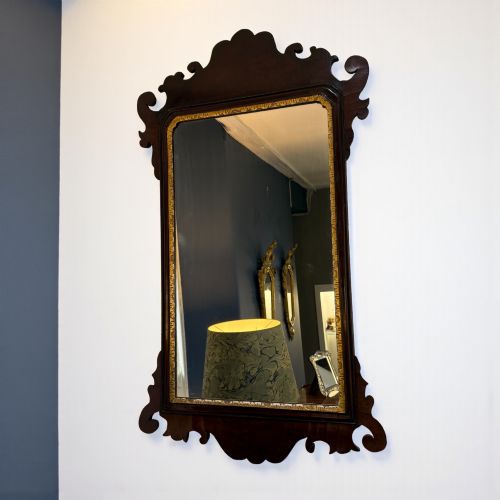
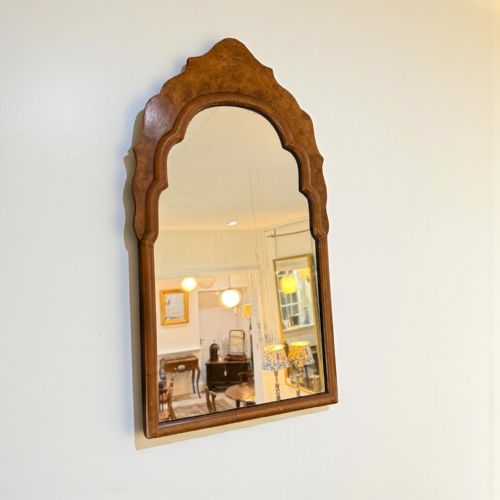
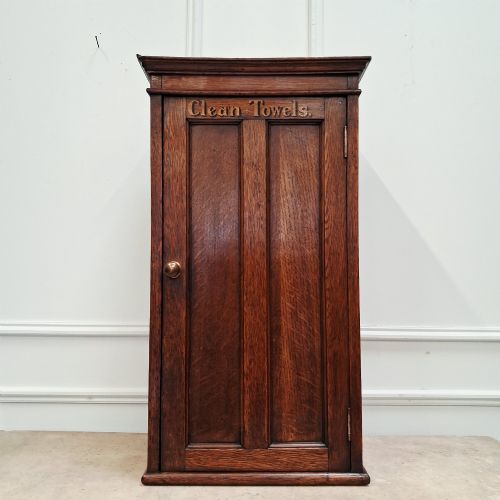
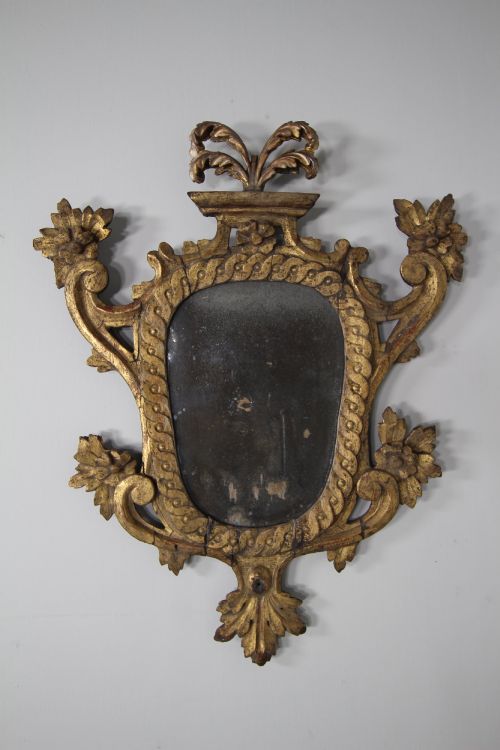
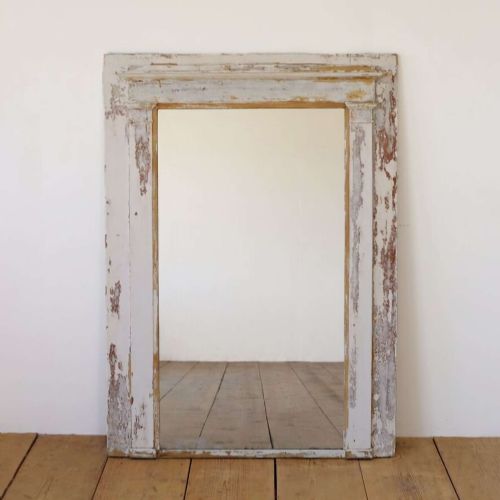
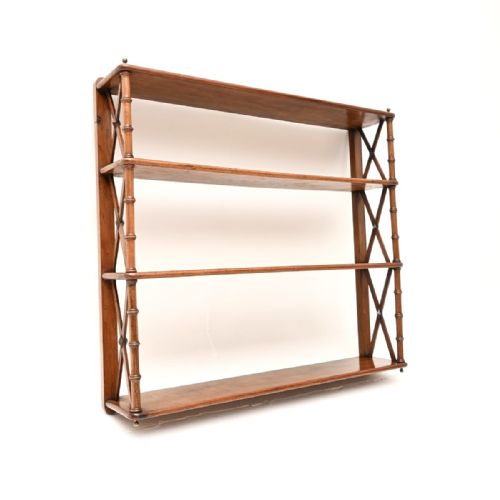
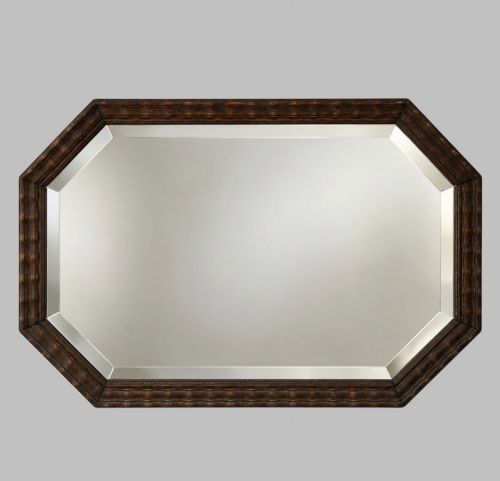
A vintage wooden wall hanging encompasses practical storage items and decorative articles designed to mount directly onto interior walls, drawing from periods spanning the eighteenth century through the early twentieth century. When buyers search for a vintage wooden wall hanging, they encounter diverse forms including wall mirrors, hanging shelves, plate racks, wall cabinets, barometers and corner cupboards.
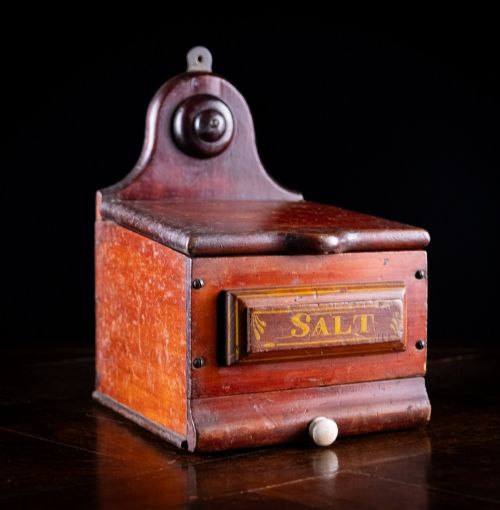
The selections on this page lean heavily towards functional household furnishings constructed from timbers such as oak, mahogany, walnut, pine and maple. Pieces range from utilitarian salt boxes and hymn boards to decorative carved mirrors and inlaid mahogany barometers reflecting Georgian, Victorian, Edwardian and Arts and Crafts design sensibilities.
How they were made
Cabinetmakers and joiners constructed these wall fixtures using solid domestic and imported hardwoods like oak, walnut and mahogany, alongside softer pines and maples. Joinery methods relied on traditional techniques suited to hanging weight, ensuring structural stability for items subjected to daily domestic use.
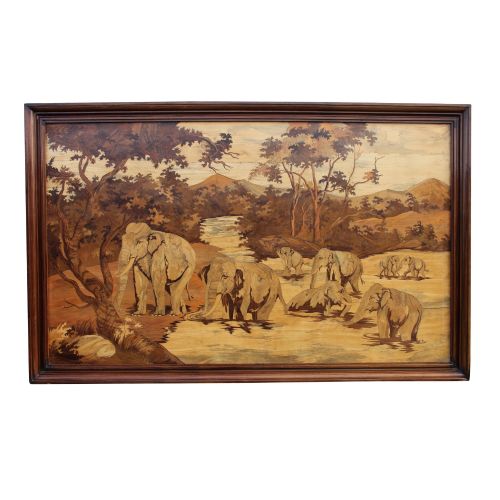
Surface decoration incorporated carved details, hand painting, gilt accents and striking wood veneers such as satinwood. Supplementary materials like brass hardware, bevelled glass mirror plates and ceramic inserts were integrated to enhance both the utility and visual appeal of each hanging piece.
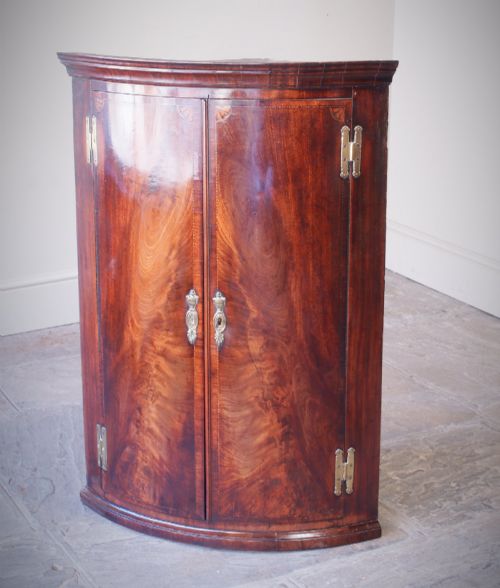
Listings feature practical wall storage including oak plate racks, mahogany salt boxes and corner cupboards spanning the eighteenth and nineteenth centuries.
What varies in quality
Quality in these wall pieces rests upon the selection of timber, the precision of the joinery and the integrity of any carved or inlaid ornamentation. Superior examples display thoughtful proportions, well-figured wood grains and original surface finishes that have aged gracefully without excessive intervention.
The refinement of secondary elements - such as hand-engraved mirror plates, original brass fittings, or meticulous hand-painted details - distinguishes standard utility items from masterwork examples. Construction integrity determines whether a hanging piece maintains its structural alignment under the sustained strain of wall mounting.
Waring and Gillow
The Vintage Wooden Wall Hanging Glossary
- Plate rack
- A wall-mounted wooden frame featuring grooved shelves designed to display ceramic plates upright. These functional pieces originated in vernacular kitchens.
- Corner cupboard
- A triangular cabinet built to fit into the internal corner of a room to save floor space. They often feature panelled wooden doors or glazed upper sections.
- Pier mirror
- A tall, narrow mirror designed to hang on the wall space between two windows. They frequently incorporate small attached console shelves at the base.
- Banjo barometer
- A mercurial weather glass housed in a distinctive curved wooden case resembling a banjo. These instruments became popular decorative wall pieces during the Georgian and Victorian eras.
- Hymn board
- A wooden board mounted in a church or chapel to display numbered hymn cards. They utilise sliding or slot-in wooden digits to communicate order.
- Gilt-wood
- Timber that has been coated with a thin layer of gold leaf or gold paint. This technique accentuates carved Rococo and Baroque scrollwork on frames.
Vintage Wooden Wall Hanging: Frequently Asked Questions
Were all these items originally made for hanging?
Most items listed under this category, such as mirrors, plate racks and hanging shelves, were purpose-built with integrated wall brackets or hanging loops. Smaller items like candle boxes often featured pierced backboards specifically designed for suspension.
Some corner cupboards and cabinets combine surface placement with structural wall-fixing points to ensure stability.
How do I clean antique wood finishes?
Maintain wooden surfaces by dusting gently with a dry, soft cloth to prevent abrasive particles from accumulating in the grain. Avoid modern silicone polishes that can degrade historical wax and oil finishes.
Periodically nourish dry timbers with appropriate microcrystalline wax to preserve the depth and lustre of the original polish.
How can I tell a Georgian wall piece from a Victorian one?
Georgian pieces generally exhibit restrained classical proportions, featuring rich mahogany or oak surfaces with minimal, elegant carving. Victorian and later pieces often showcase revival styles, heavier mouldings, machine-cut veneers and more exuberant ornamentation.
Examining the construction methods, nail types and backboards helps confirm the period of manufacture.