
Vintage Wooden Urn
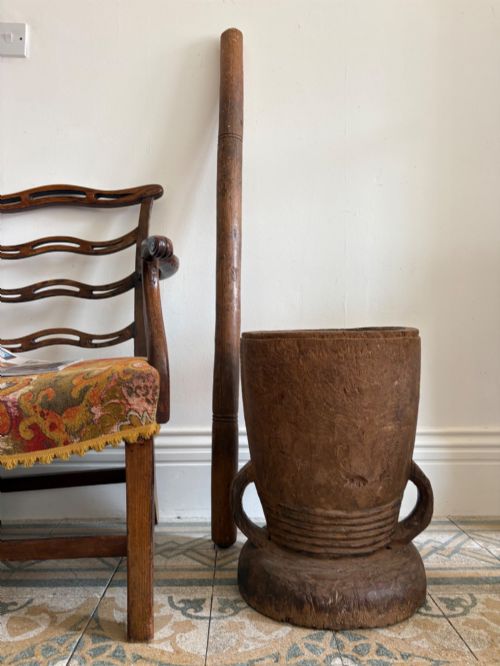
A vintage wooden urn brings classic form and rich grain to a room, functioning as a sculptural decorative accent.
Vintage Wooden Urn
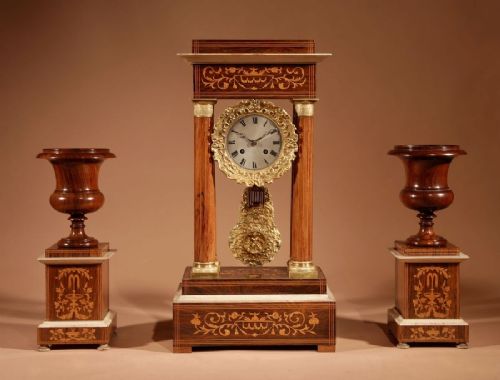
A vintage wooden urn draws upon classical vessel shapes, often taking the form of a decorative display piece or a turned wooden vase. These objects emerge from various periods including the nineteenth century and the Edwardian era, showing how cabinetmakers adapted ancient forms for later domestic interiors.
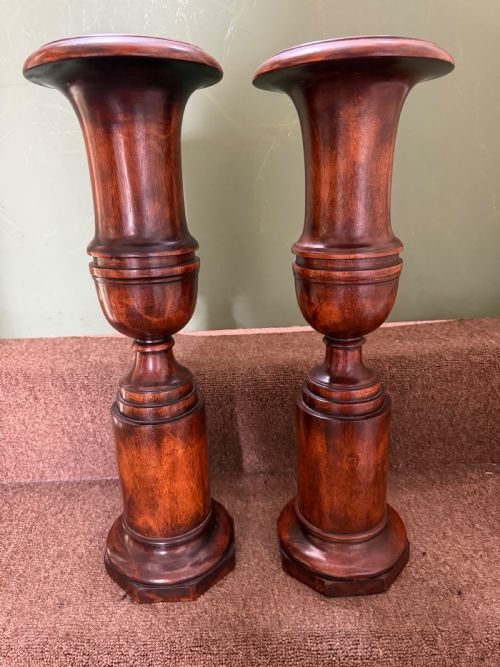
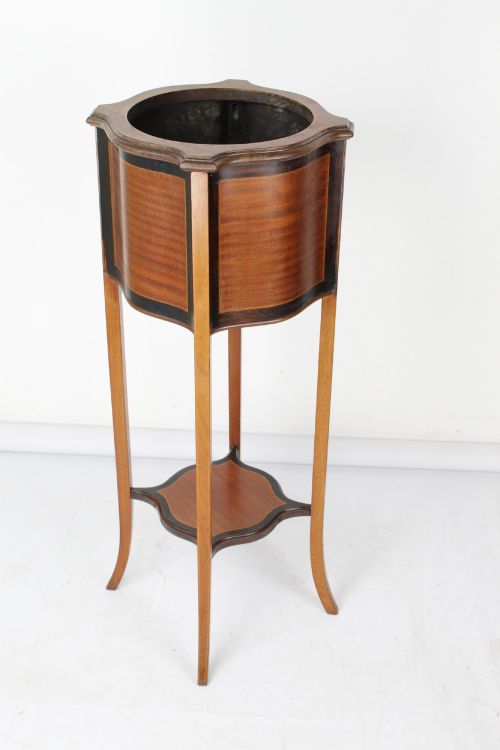
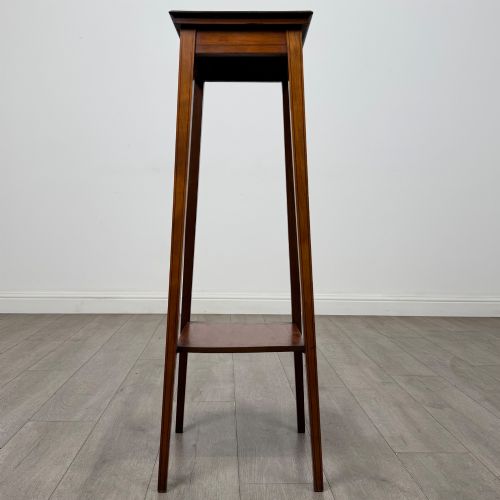
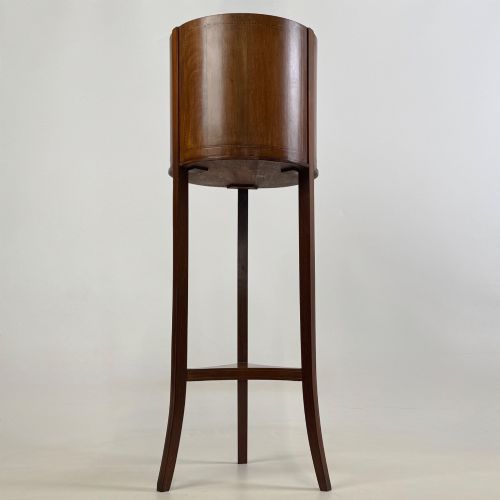
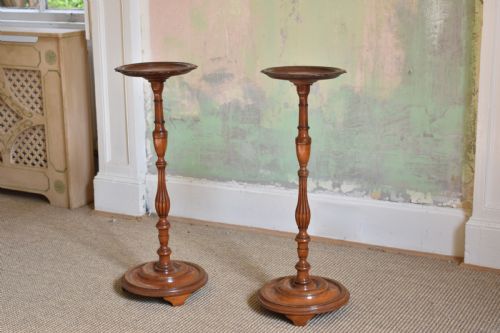
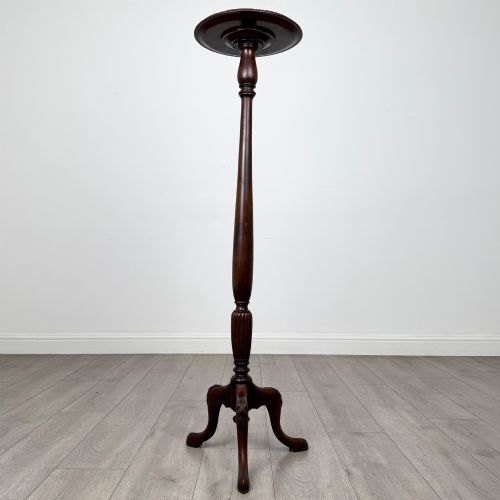
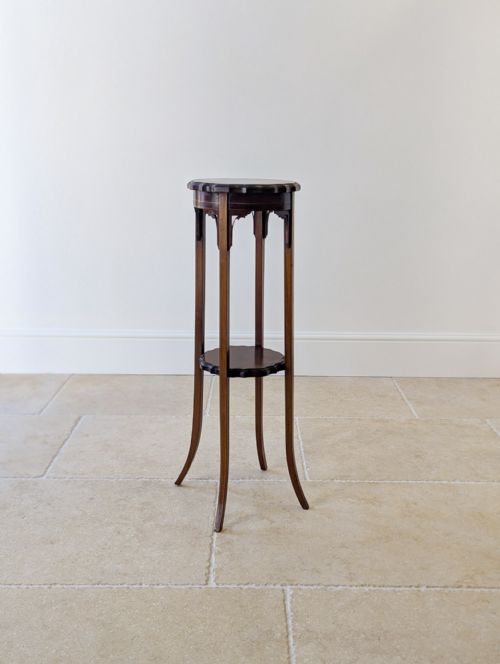
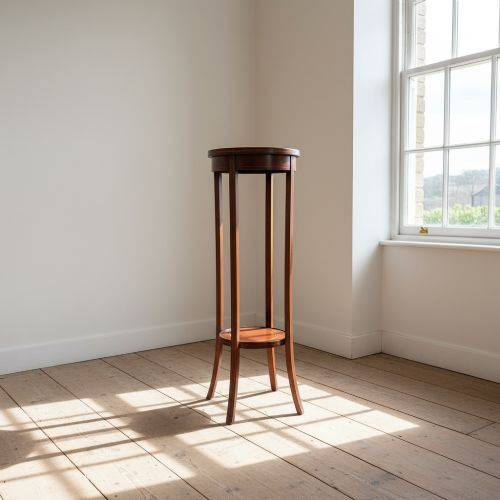
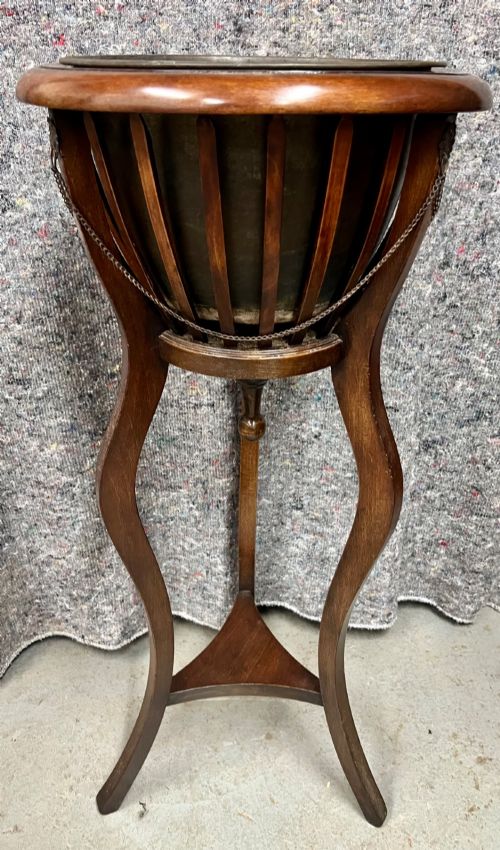
The pieces appearing on this page encompass decorative urns alongside related turned wooden items and architectural plant stands that share a strong vertical silhouette. Walnut and mahogany appear frequently, shaped through precision turning and carving to emulate stone prototypes in timber.
Makers and workshops across the nineteenth and twentieth centuries produced these vessels to stand on mantelpieces, side tables, and pedestals. Buyers encounter both utilitarian treen vessels and formal decorative urns influenced by neoclassical design principles.
Materials and construction methods
Craftsmen utilised dense hardwoods such as mahogany, walnut, and satinwood, selecting timber with strong natural grain patterns to enhance the curved surfaces of each vessel. Turning on a lathe formed the balanced circular bodies, while secondary elements often incorporated brass fittings or marble tops.
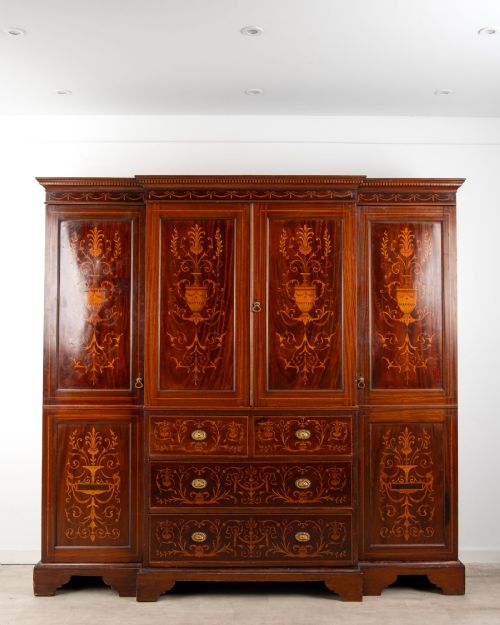
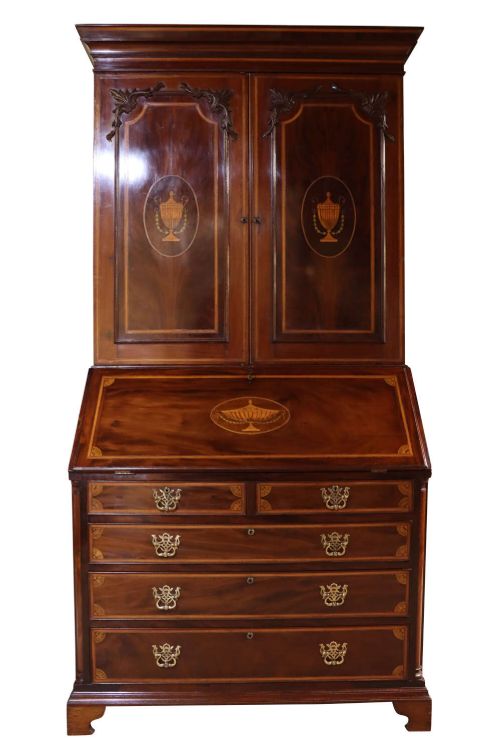
Surface embellishments included hand carving, marquetry inlay, and polished wax finishes that protected the timber while highlighting the natural figuring of the wood. Joinery techniques ensured that turned pedestals and hollow bodies remained stable over decades of display.
Among the turned timber vessels, a historic treen lemon squeezer proves that even daily kitchen tasks once demanded sculptural elegance.
Assessing quality in turned timber
Quality rests upon the precision of the lathe turning, the symmetry of the vessel profile, and the crispness of any hand-carved detailing. Superior pieces display harmonious proportions where the foot, body, and neck balance one another without distortion.
The choice of timber heavily influences the character of the object, with well-figured mahogany or richly patinated walnut marking out superior examples. Fine execution shows in seamless joints and a deep, mellow polish that has matured through age rather than modern chemical intervention.
Druce And Co London·Shoolbred·Edwards And Roberts
The Vintage Wooden Urn Glossary
- Treen
- Small handmade wooden objects for domestic use. This term covers functional items like lemon squeezers and small turned vessels.
- Torchère
- A tall, slender stand designed to support a lamp, vase, or decorative urn. These pedestals elevate display pieces within a room.
- Neoclassical
- A style drawing inspiration from classical antiquity. It influences the balanced proportions and symmetry seen on nineteenth-century turned vases.
- Inlay
- A technique where contrasting materials are inserted into depressions within the base wood. Satinwood and lighter timbers often provide decorative banding.
- Turned
- Shaped on a lathe by rotating the timber against cutting tools. This method creates the symmetrical profiles characteristic of wooden urns and vases.
Vintage Wooden Urn: Frequently Asked Questions
What is a vintage wooden urn used for?
These vessels serve entirely decorative purposes within domestic spaces, often displayed on side tables, mantelpieces, or plant stands.
Their sculptural presence adds warmth and classical proportion to traditional interiors.
How do I care for wooden decorative urns?
Keep wooden pieces away from direct sunlight and rapid temperature changes to prevent the timber from drying out or splitting.
Apply a traditional beeswax polish occasionally and buff gently with a soft cloth to maintain the surface sheen.
How can I tell the period of a wooden urn?
Dating relies on examining the timber species, tool marks left during turning, and the style of any decorative inlay.
Nineteenth-century examples frequently employ solid mahogany or walnut with hand-turned profiles reflecting neoclassical tastes.
Are these urns solid wood or veneered?
Many decorative turned urns and treen pieces are turned from solid blocks of hardwood like walnut or mahogany.
Larger furniture-related stands from the Edwardian period may incorporate veneered surfaces over secondary timbers.