
Vintage Wooden Trestle
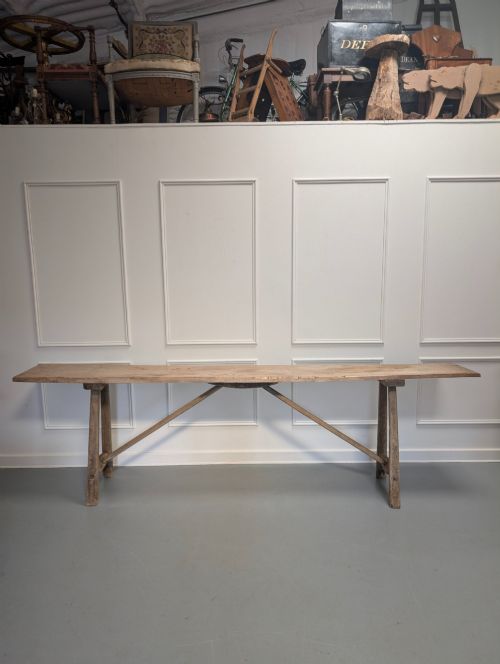
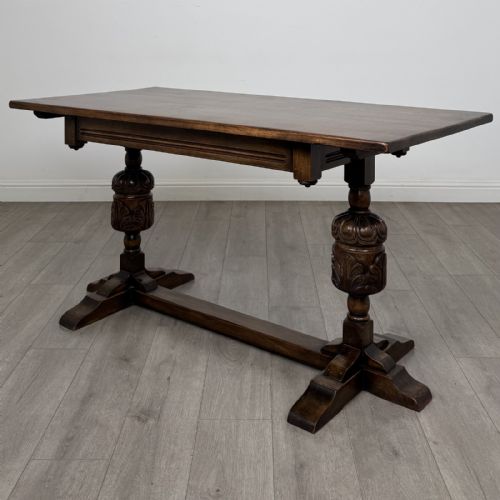
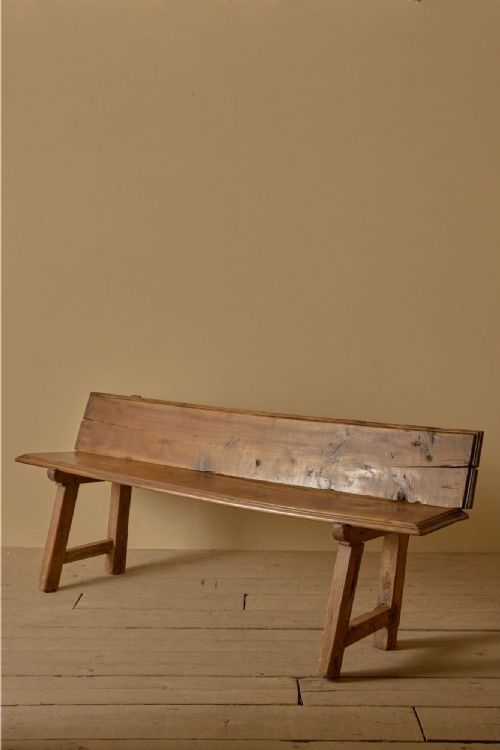
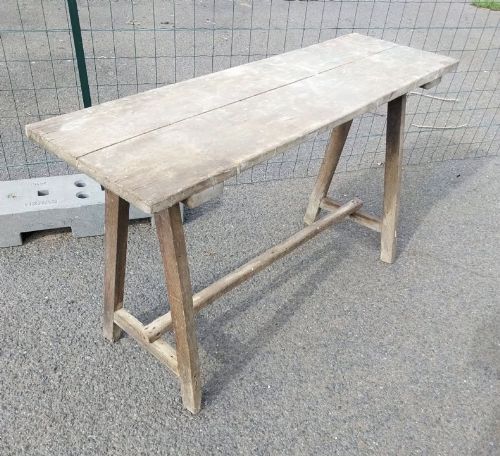
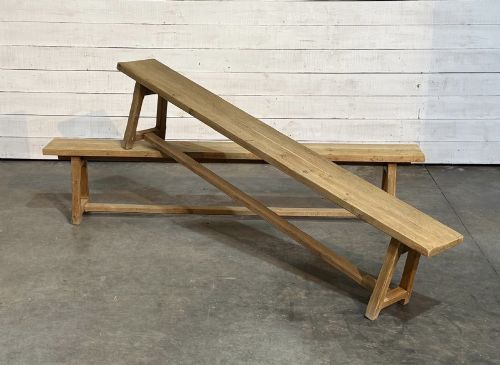
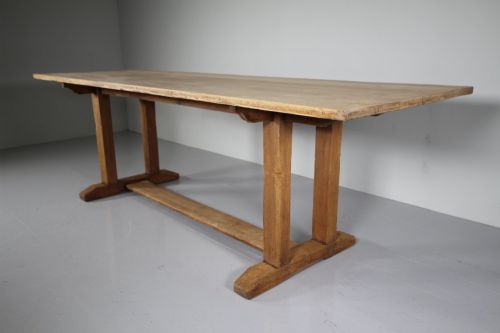
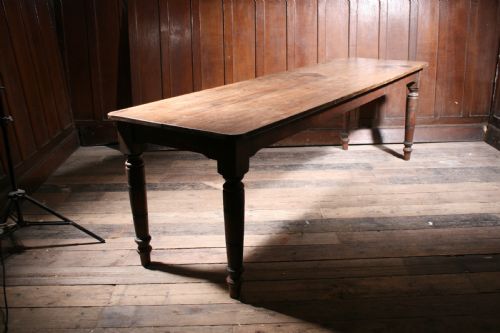
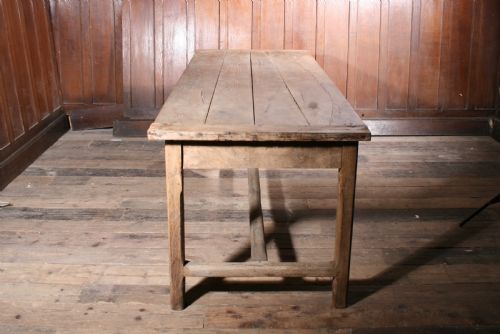
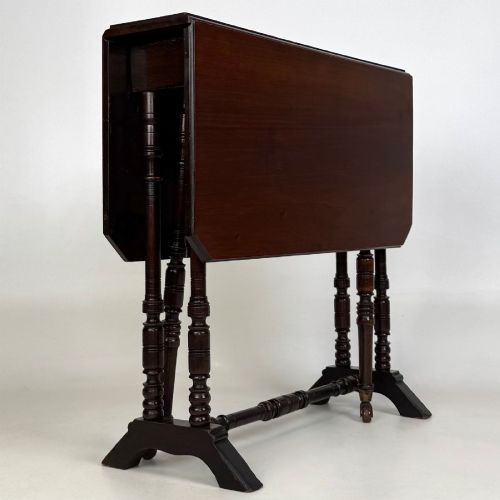
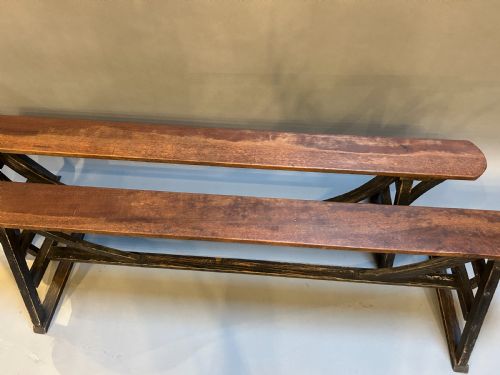
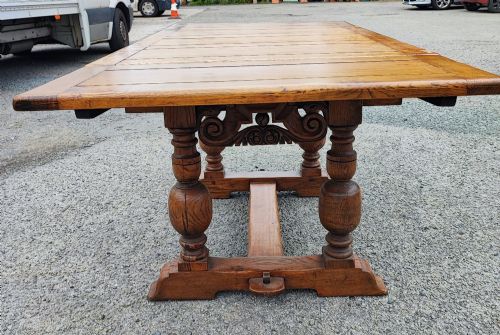
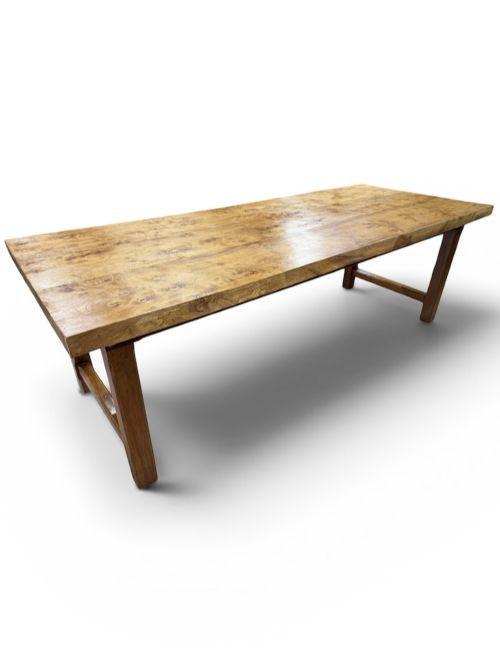
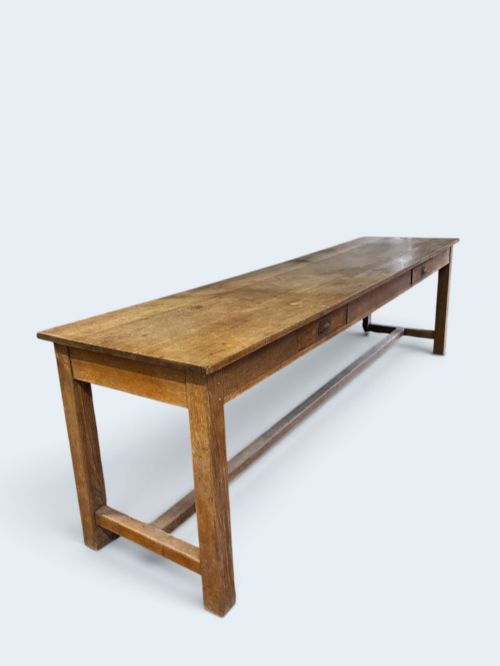
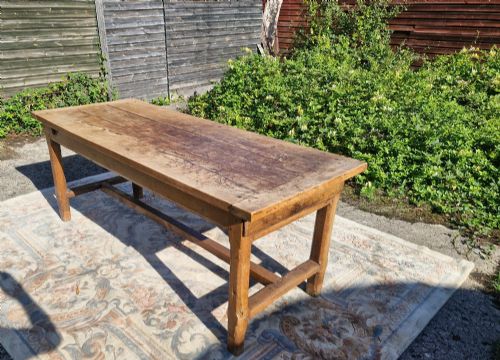
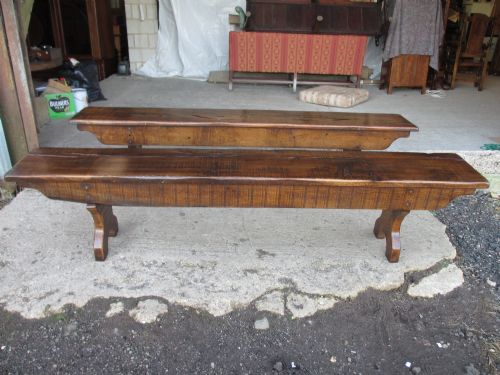
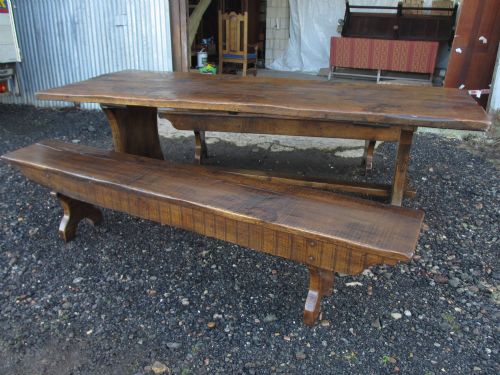
These vintage wooden trestle pieces span sturdy oak dining tables and long pine benches built for daily communal use.
Vintage Wooden Trestle
When you search for vintage wooden trestle, you encounter robust tables and benches designed around supportive end frames rather than standard corner legs. These forms serve primarily as dining tables, refectory tables, and kitchen surfaces, alongside matching benches and occasional coffee tables.
The pieces appearing on this page originate predominantly from the nineteenth century and the early twentieth century, taking shape through Victorian, Edwardian, and Arts and Crafts movements. French provincial and rustic farmhouse styles appear frequently among the listings, alongside heavier English oak examples.
Buyers meet sturdy refectory tables with thick tops alongside church organ benches, library tables, and tavern seating. Solid oak, pine, and mixed timbers form the backbone of these functional domestic and institutional survivors.
What varies in quality
Proportion and surface patination dictate the visual hierarchy within this group. Tables and benches retaining an honest, weathered grain and original structural ironwork hold greater presence than heavily restored alternatives.
Several pine benches began their working lives serving organists inside nineteenth-century churches and school music rooms.
The Vintage Wooden Trestle Glossary
- Trestle
- A structural support consisting of a horizontal beam fixed to two splayed vertical legs. This design provides maximum legroom along the length of a table.
- Refectory table
- A long, narrow dining table traditionally used in communal dining halls. These typically feature heavy wooden stretchers connecting the end supports.
- Draw leaf table
- A dining table equipped with sliding leaves stored beneath the main surface. These pull out to extend the table length when needed.
- Washstand
- A piece of furniture designed to hold a basin and pitcher for washing. These often double as compact side or console tables in modern settings.
- Patina
- The surface sheen and colour developed by wood over years of handling, polishing, and exposure to light. This quality marks genuine age.
Vintage Wooden Trestle: Frequently Asked Questions
Can I use benches with a dining table?
Benches fit neatly underneath trestle tables to save space when not in use. They offer flexible seating arrangements for informal gatherings and family meals.
Ensure you measure the height of both the table apron and the bench top before pairing them. Matching historical benches often share the shaped trestle ends of the main table.
Are these tables suitable for daily dining?
Sturdy construction from solid oak, pine, and elm equips these tables for heavy everyday use. Their robust trestle bases provide exceptional stability during family meals.
Historic surfaces naturally accumulate character marks over time from active service. Embrace minor dents and scratches as part of the physical history of the furniture.
How do I identify an Edwardian trestle?
Edwardian pieces often feature heavier oak construction influenced by Arts and Crafts ideals. Look for solid proportions, pegged joints, and clean functional lines.
Compare the timber finish and hardware styles against dated examples from the same era. Regional workshop practices also influence the specific shaping of the trestle ends.