
Vintage Wooden Top
These vintage wooden top pieces bring solid timber surfaces and period character directly into daily use.
Vintage Wooden Top
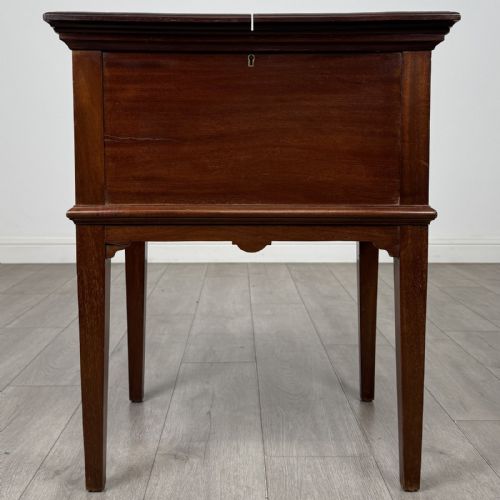
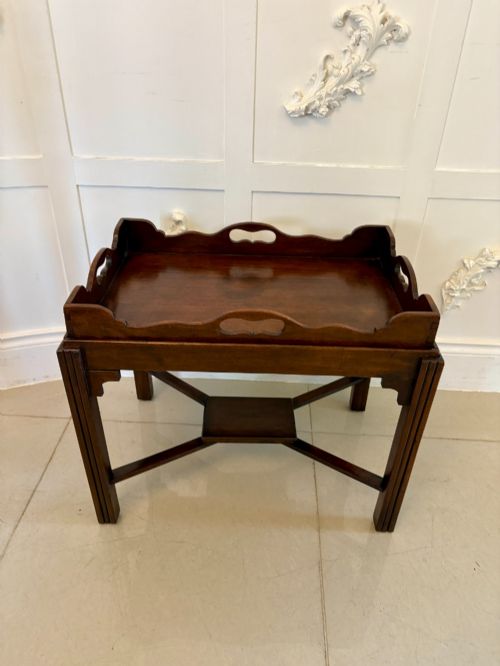
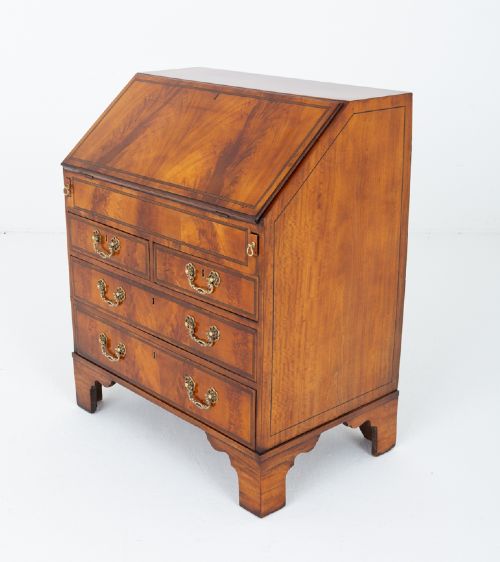
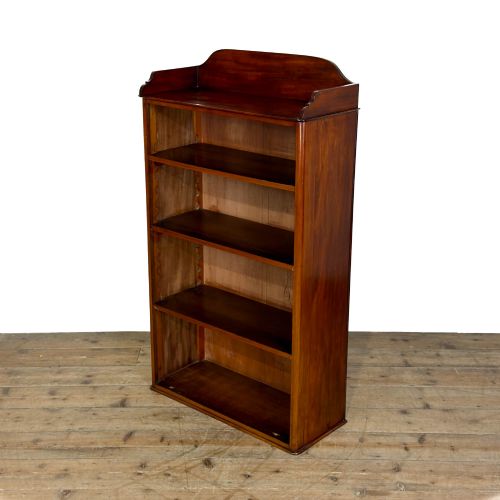
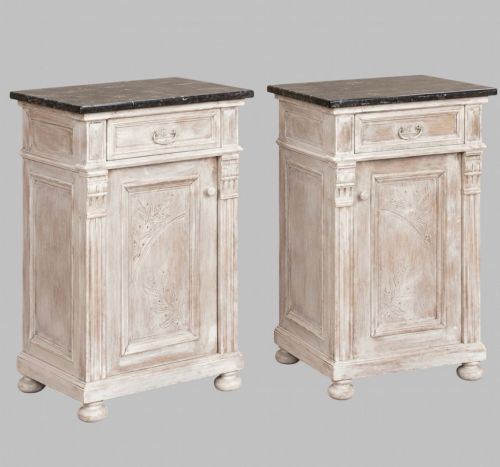
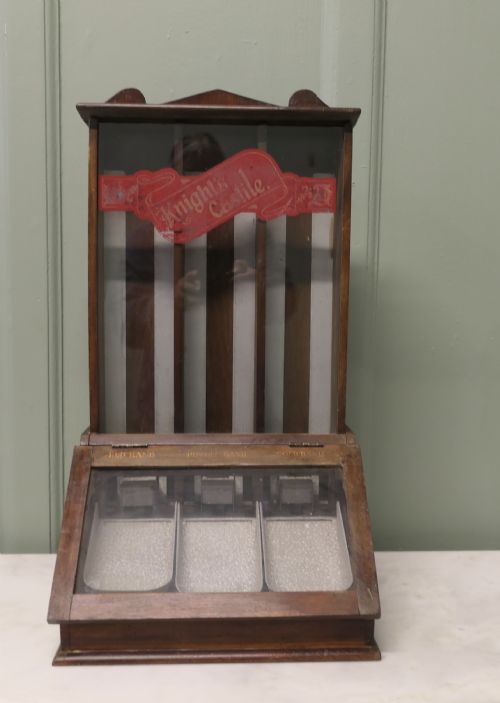
When you search for vintage wooden top, you are looking at items defined by their solid timber surfaces, spanning dining tables, desks, filing cabinets, and small occasional tables. The pieces originate from periods including the Georgian era, the Victorian epoch, and the Edwardian years.
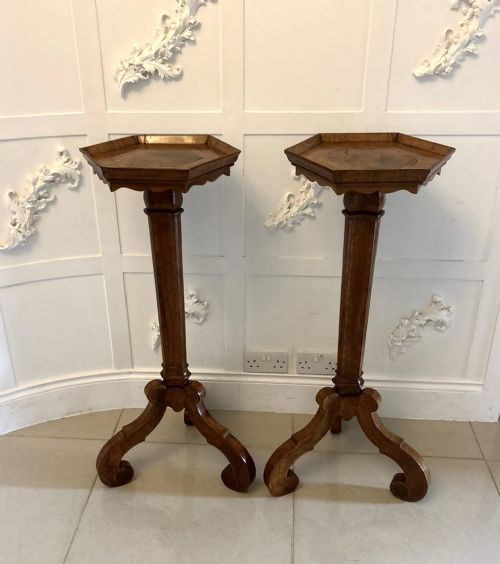
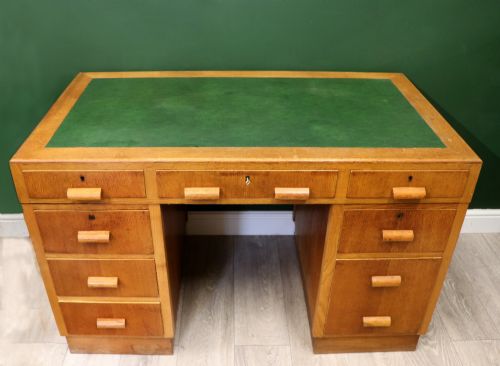
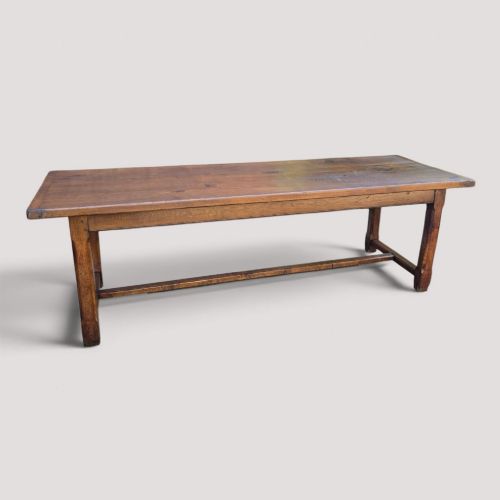
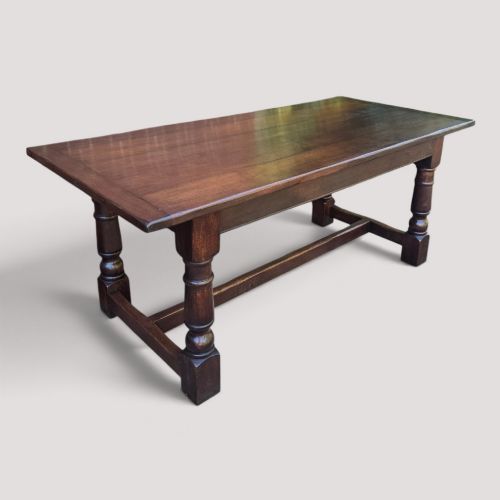
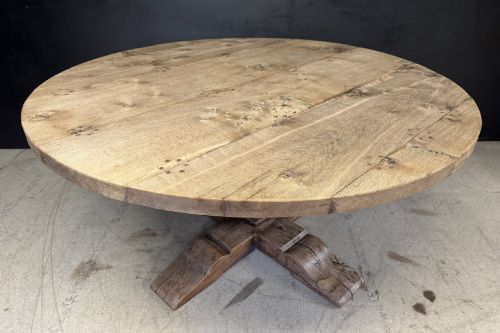
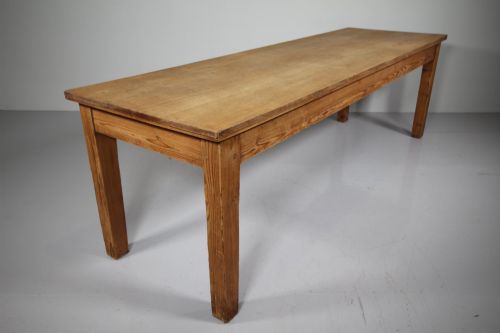
The version you are most likely to meet on this page is a substantial oak or mahogany table, desk, or cabinet featuring a sturdy wooden working surface. These forms range from rustic farmhouse dining tables to refined pedestal desks and tripod tables.
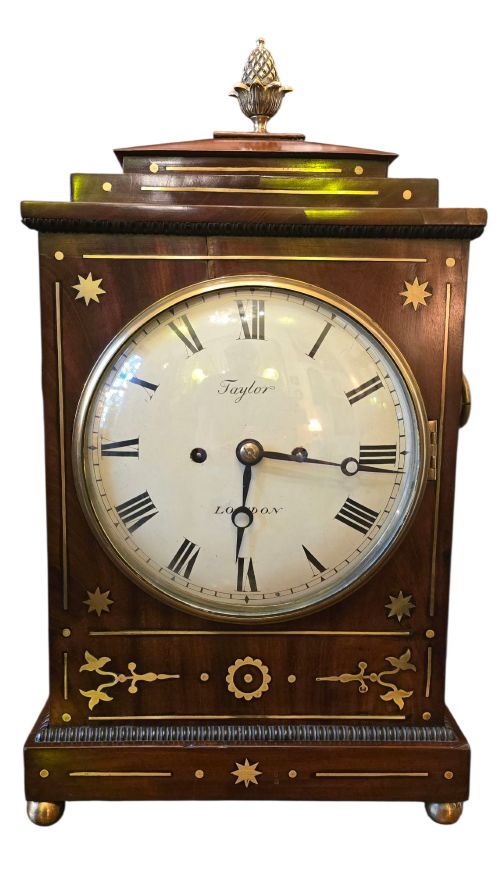
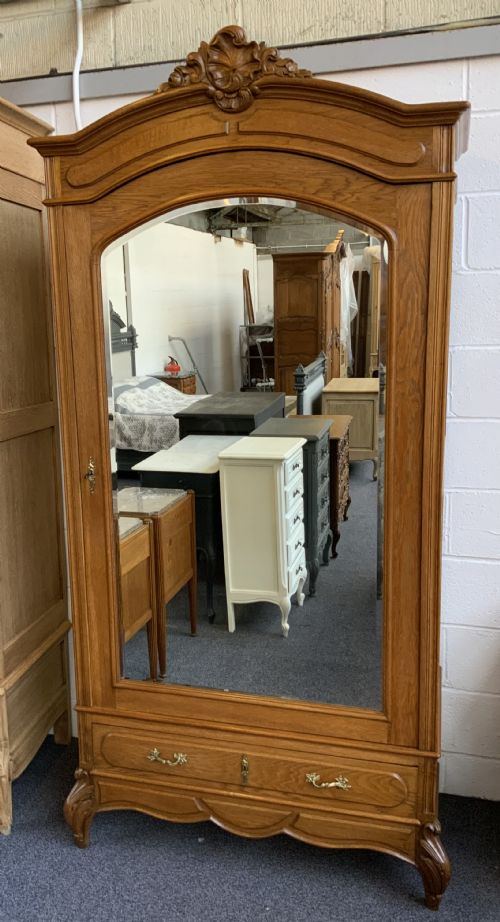
Makers and craftsmen utilised traditional construction methods across styles such as Regency, French Provincial, and Jacobean Revival. The selection reflects domestic and office furniture where the timber top remains the primary focus of utility and design.
Materials and construction
Carpenters relied principally on hardwoods like oak, mahogany, walnut, and pine for the primary surfaces and structures. These timbers were selected for their grain pattern, density, and ability to withstand heavy daily use in homes and offices.
Secondary elements incorporated brass handles, iron mechanisms, glass inserts, and canvas linings to support functional components such as roll tops, tambour fronts, and tilt mechanisms. Joinery relied on traditional housing and pegged joints rather than modern adhesives.
A collection of antique bone prisoner of war teetotums appears among the wooden items.
Factors determining quality
The grading of these pieces rests on the selection of timber and the integrity of the surface grain. A superior example displays carefully matched boards, deep natural figuring, and substantial thickness in the wooden top without excessive warping.
Construction detail separates standard items from finer works. Smooth operation of mechanical elements, such as tambour shutters, revolving bookcases, and tilt-top pivots, demonstrates the original precision of the workshop.
The Vintage Wooden Top Glossary
- Roll top
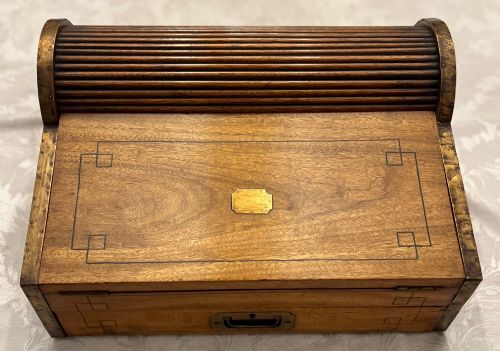
- A flexible desk cover formed of narrow wooden slats running in tracks to conceal the writing surface. This mechanism allows easy access to pigeonholes and stationery drawers.
- Tilt top
- A table construction where the wooden surface hinges vertically to store flat against a wall when not in use. A brass catch usually secures the top in the horizontal position.
- Tambour
- A series of small wooden strips glued to a canvas backing to create a flexible shutter. It slides smoothly around curved corners on cabinets and desks.
- Cricket table
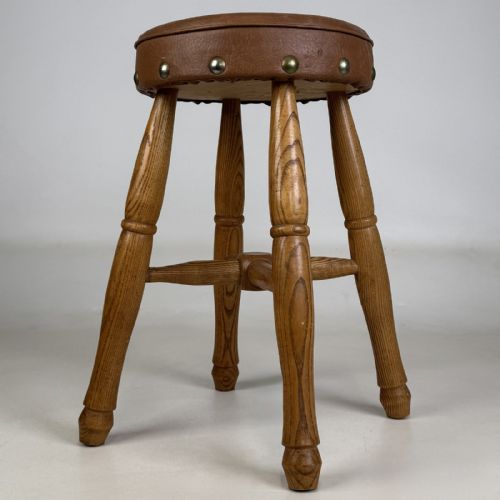
- A small, lightweight three-legged occasional table originating from vernacular traditions. The tripod design ensures stability on uneven floors.
- Refectory table
- A long, narrow dining table built with heavy timber beams and sturdy trestle ends. These tables often accommodate matching benches for seating.
Vintage Wooden Top: Frequently Asked Questions
How do I clean a wooden top?
Dust the surface regularly with a soft, dry cloth to prevent grit accumulation. Apply a quality beeswax periodically to nourish the timber grain and maintain a natural lustre.
Avoid using harsh chemical sprays or excess water, which can penetrate unsealed joins and damage the antique finish.
How do I identify Edwardian pieces?
Edwardian items date from the reign of King Edward VII, spanning the early years of the twentieth century. They often feature lighter oak construction and simpler decorative motifs than heavy Victorian designs.
Look for machine-sawn timber elements alongside hand-finished details, reflecting the manufacturing methods of that transitional era.
What is a tambour cabinet?
A tambour cabinet uses a flexible slatted wooden door that slides along a curved track to enclose the interior. This clever design saves space compared to traditional swinging doors.
Such cabinets were commonly utilised for filing systems and office storage in the early twentieth century.