


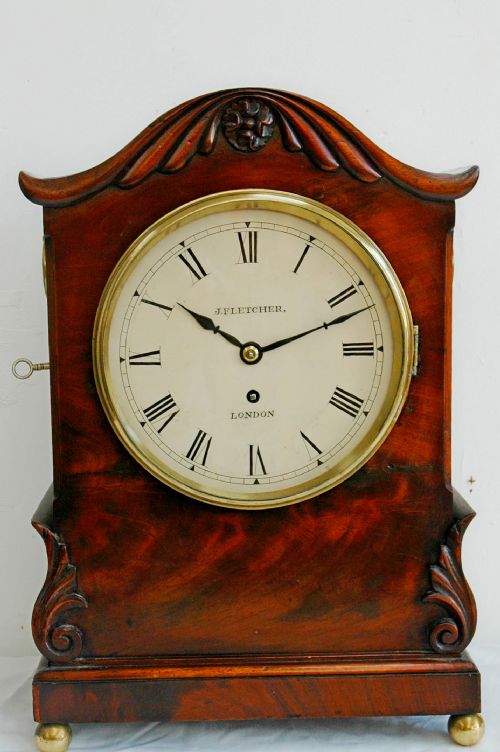
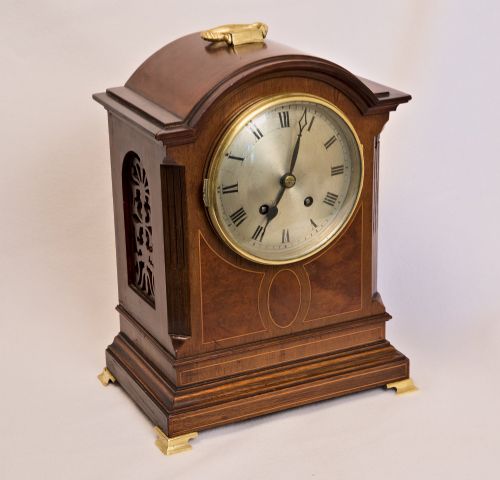
Vintage Wooden Mantel Timepiece
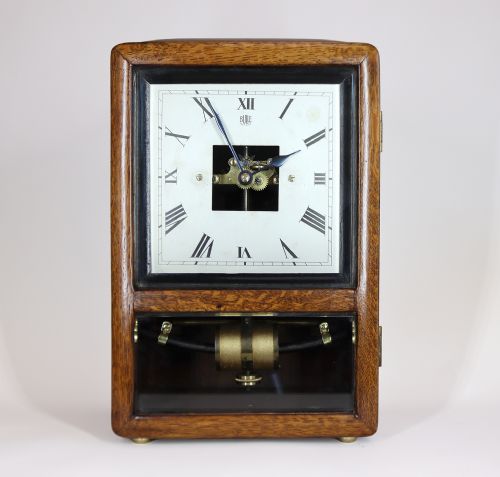
A vintage wooden mantel timepiece sits proudly on a shelf, bringing warmth and mechanical rhythm to a room.
Vintage Wooden Mantel Timepiece
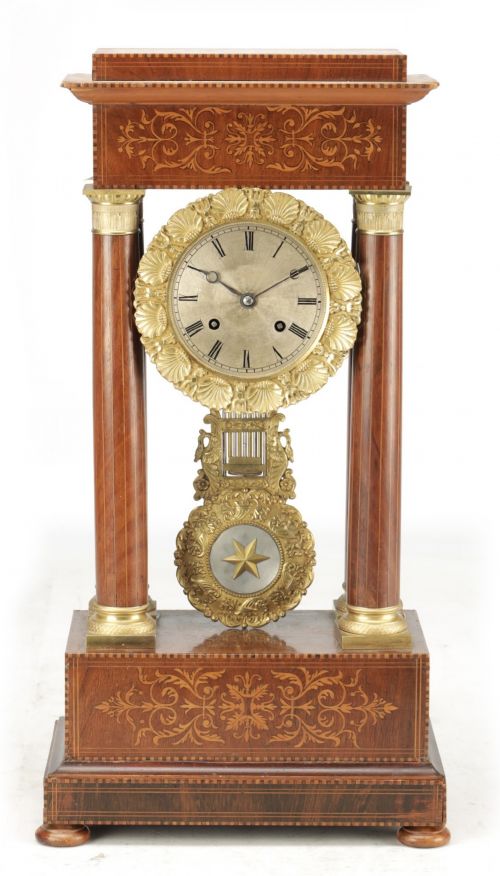
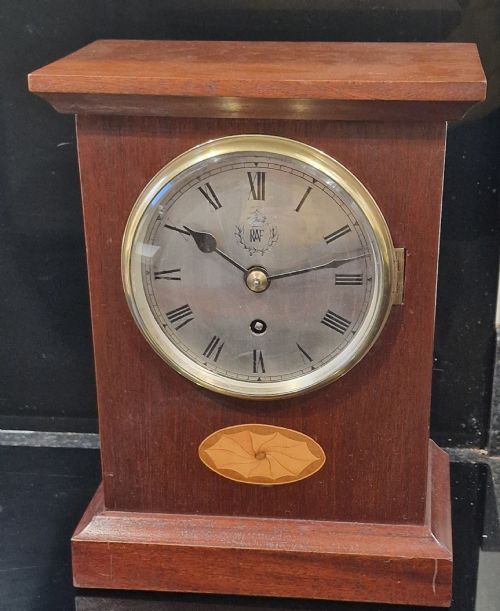
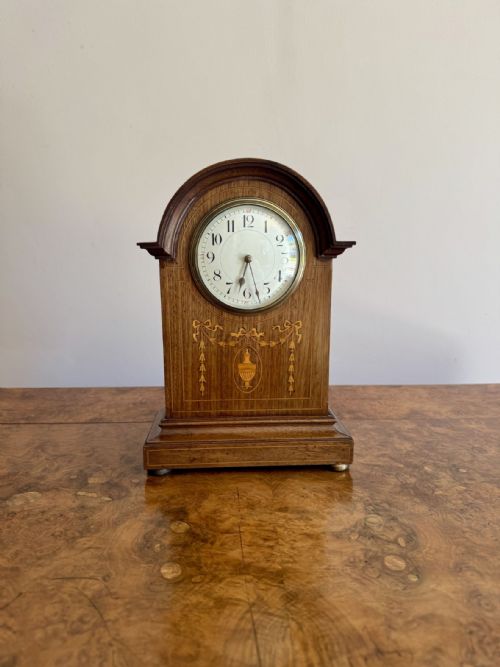
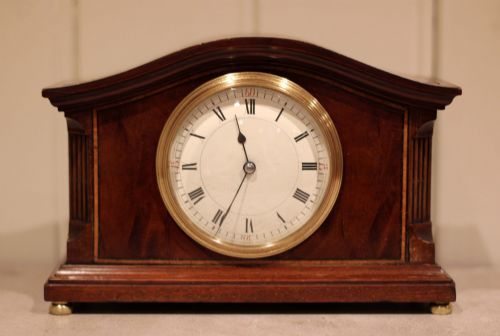
A vintage wooden mantel timepiece brings together traditional cabinet-making and mechanical timekeeping for domestic interiors. When searching for a vintage wooden mantel timepiece, a buyer explores varied domestic clocks housed in timber cases designed to stand upon shelves and ledges.
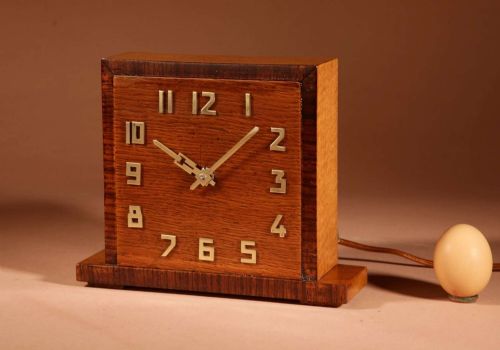
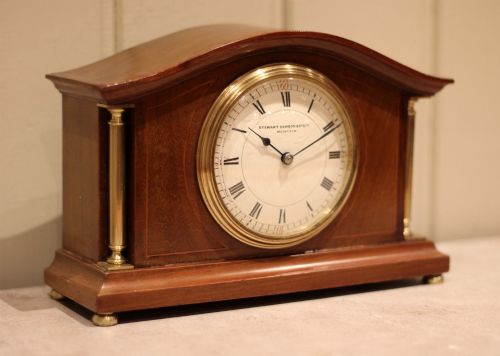
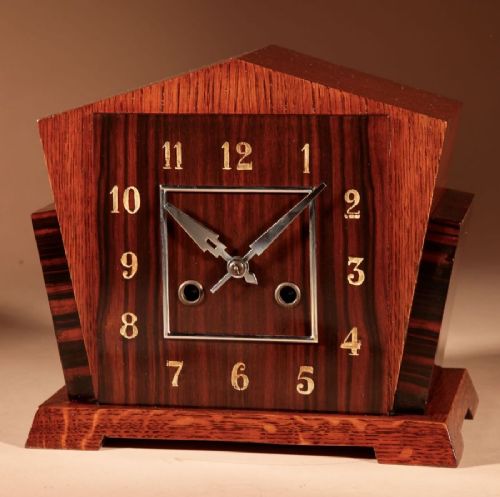
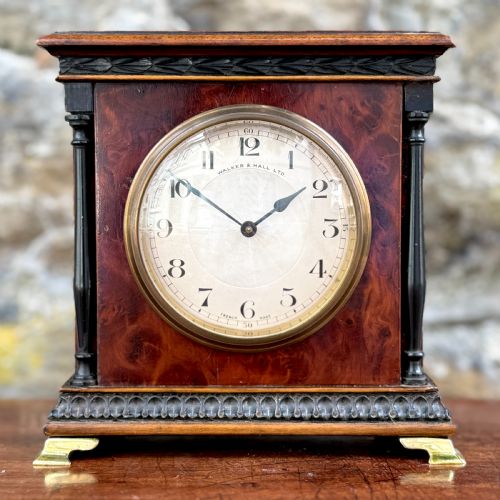
The pieces appearing on this page span several eras, crossing Edwardian, Victorian, Georgian, Regency, and Art Deco periods. Mahogany, oak, and walnut cases dominate the selection, often enriched with brass bezels, glass dials, and delicate inlay work.
Edwardian mahogany examples and 1920s Art Deco designs appear most frequently in this selection. Buyers find everything from provincial bracket clocks to polished library timepieces and early electrical movements.
What varies in quality
The quality of a vintage wooden mantel timepiece rests upon the crispness of the timber cabinet-making and the refinement of its materials. Superior pieces display carefully selected veneers, precise wood inlay, and substantial brass hardware rather than mass-produced cast metal.
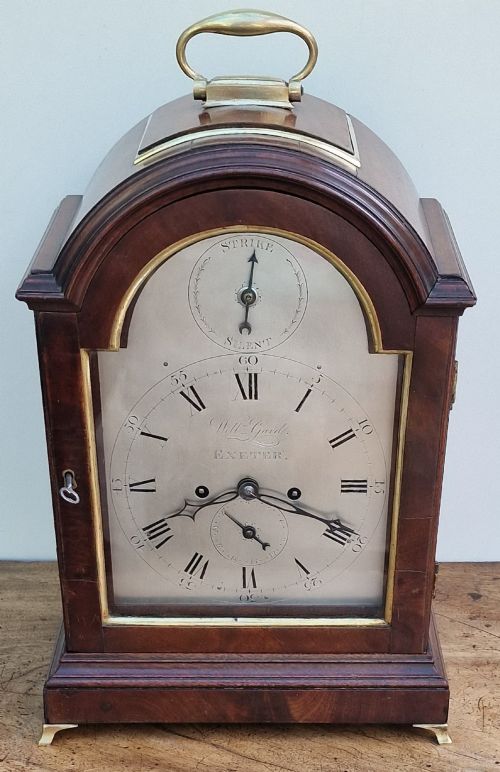
Movement sophistication also separates examples across the range. Clocks featuring complex fusee mechanisms or signed dial plates by established makers demonstrate superior workshop origins compared to standard domestic timepieces.
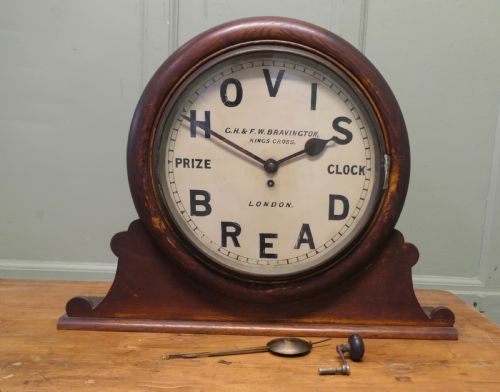
One unexpected piece in the archive served duty as an official prize clock for Hovis.
William Gard·Bush of London·Walker and Hall·Henry Marc·Hyde of Salisbury·Winterhalder and Hofmeier·Jas Whitelaw of Edinburgh·Elliott of London
The Vintage Wooden Mantel Timepiece Glossary
- Timepiece
- A clock that measures and indicates time without striking hours or chimes. These movements focus entirely on the primary function of recording the passage of hours.
- Fusee
- A conical pulley used in mechanical clocks to maintain even power from the mainspring as it unwinds. This device improves timekeeping accuracy across the power reserve.
- Bracket Clock
- A portable clock originally designed to sit upon a wall bracket or table. Many examples feature substantial wooden cases with carrying handles.
- Marquetry
- Decorative veneer work forming pictures or geometric patterns using various coloured woods. Craftsmen applied thin slices of timber to the exterior of the clock case.
- Bezel
- The metal ring that holds the glass protecting the clock dial. It often hinges open to allow hand adjustment.
Vintage Wooden Mantel Timepiece: Frequently Asked Questions
What is a timepiece clock?
A timepiece refers specifically to a clock that tells the time without incorporating striking mechanisms or chiming trains. These units focus purely on the visual display of hours and minutes through a dial and hands.
Such movements rely on traditional spring or pendulum power to keep consistent time on a shelf or desk.
How do I wind an old clock?
Winding requires inserting a appropriate key into the winding holes on the dial face and turning it gently until resistance is felt. Care must be taken not to overwind the mainspring.
Most mechanical pieces require regular winding intervals to maintain continuous operation and accurate timekeeping.
Where should I place a mantel clock?
These clocks find a natural home on flat, stable surfaces such as mantelpieces, sideboards, bookcases, or library desks. Placing them away from direct heat sources and damp areas protects the wooden cases.
A level surface is particularly important for pendulum-driven movements to ensure the tick remains even and reliable.
How do I identify Edwardian clocks?
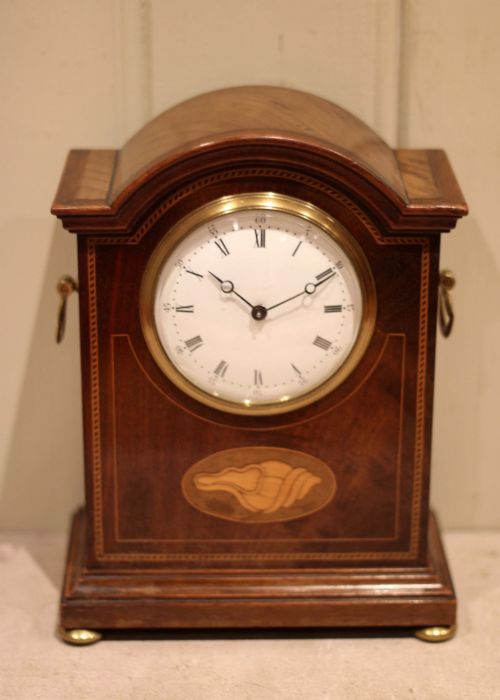
Edwardian timepieces, produced during the reign of King Edward VII, frequently utilise solid or inlaid mahogany and walnut. Their designs often draw inspiration from earlier Georgian and Sheraton styles.
Subtle marquetry, inlaid shell motifs, and polished brass feet help distinguish pieces from this specific period.