





Vintage Wooden Magazine Stand
A vintage wooden magazine stand offers a practical way to hold periodicals, uniting period timber with functional domestic design.
Vintage Wooden Magazine Stand
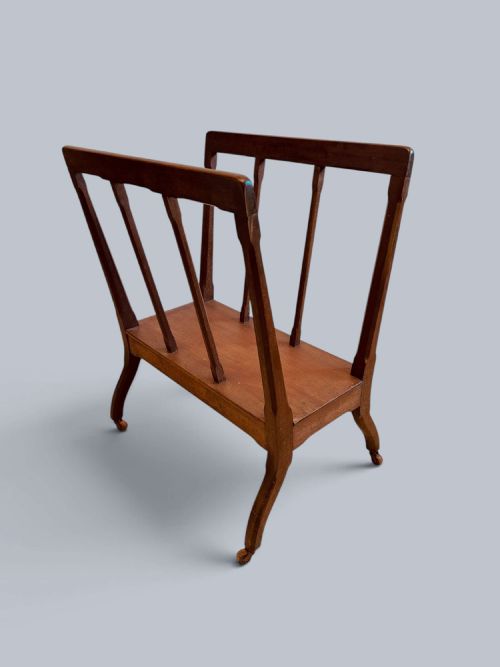
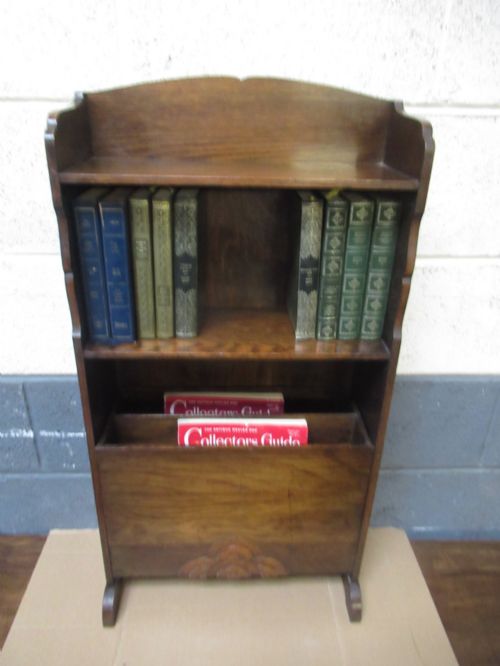
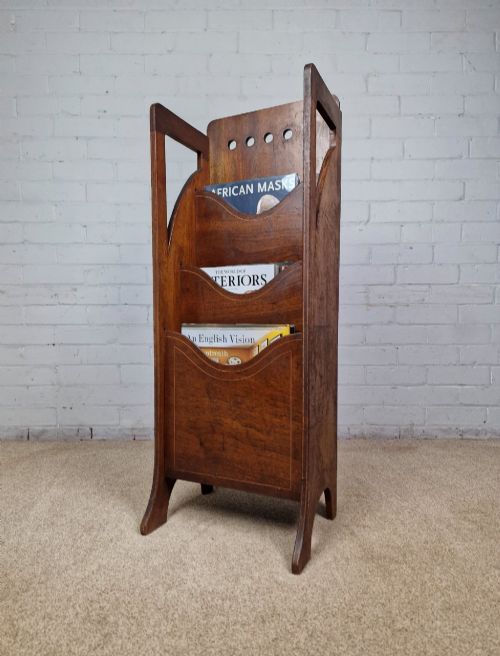
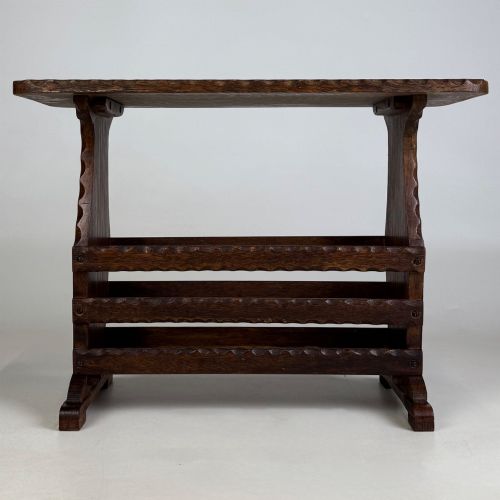
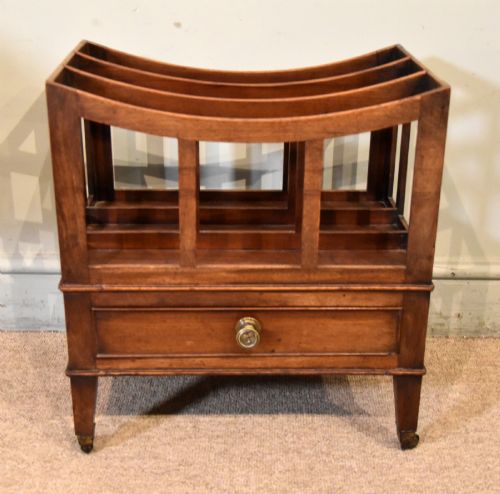
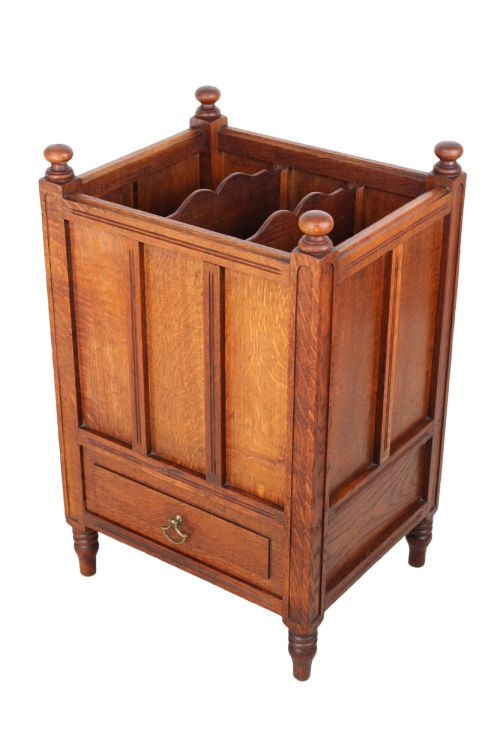
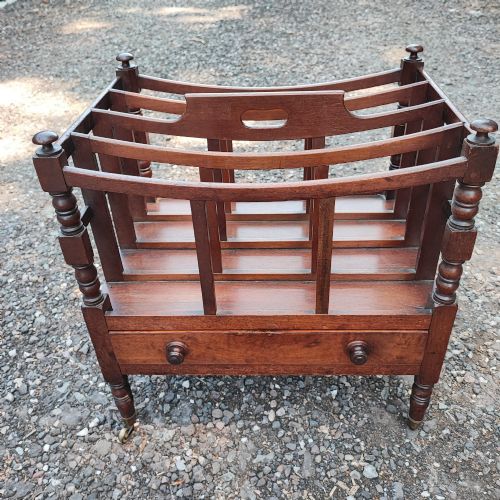
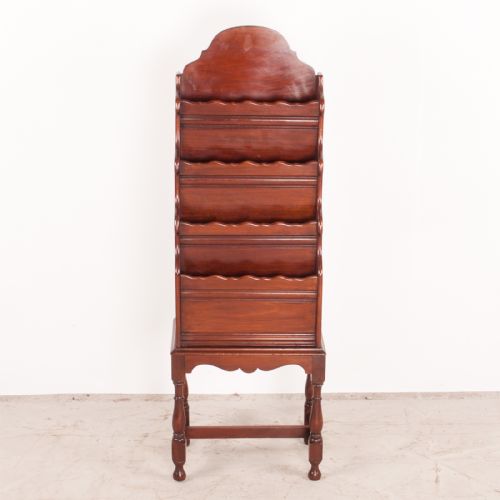
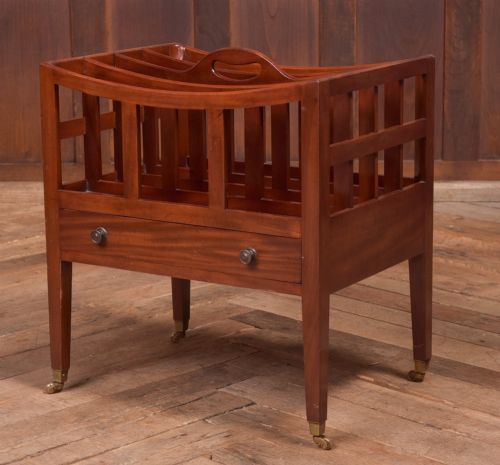
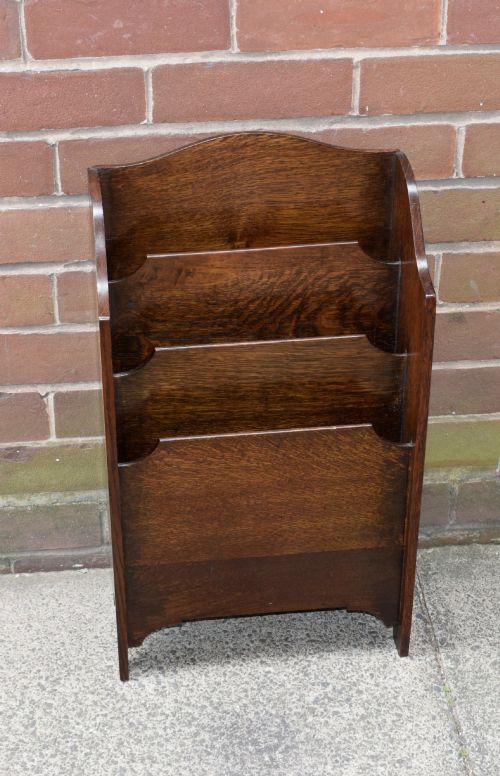
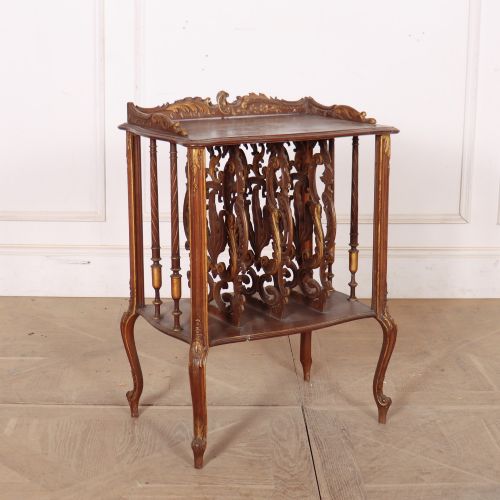
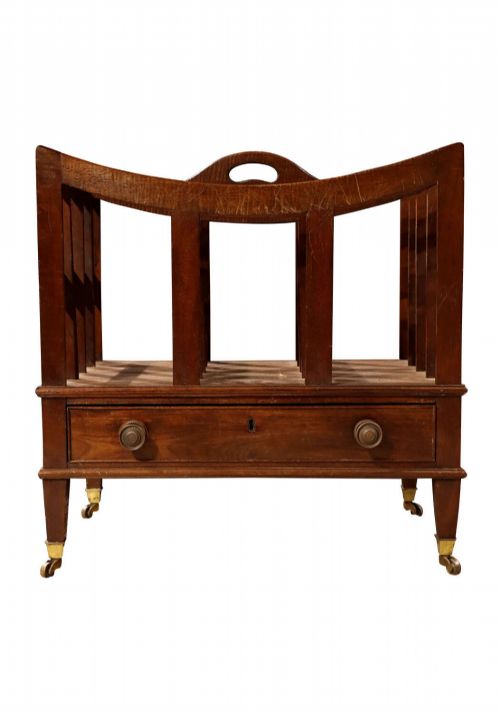
A vintage wooden magazine stand encompasses traditional forms designed to hold newspapers, folios, and periodicals in domestic interiors. Buyers searching for a vintage wooden magazine stand will encounter various historical formats, most notably the traditional Canterbury, compartmentalised book troughs, and occasional tables fitted with partitioned racks.
The pieces on this page span several distinct eras, drawing heavily upon Georgian, Regency, Victorian, and Edwardian design idioms. Cabinetmakers adapted these stands for various uses over the centuries, meaning a single piece might serve as a music stand, a folio holder, or a dedicated newspaper rack alongside its primary function.
Mahogany and oak dominate the forms seen here, frequently accompanied by rosewood, burr walnut, and fruitwood. These timbers define the structural integrity and aesthetic weight of each piece, appearing in both restrained country house variants and more ornate urban iterations.
Timber Selection and Joinery
Cabinetmakers utilised dense hardwoods such as mahogany, rosewood, and oak to construct these stands, ensuring stability for heavy loads of paper. Sections of burr walnut, flame mahogany, and satinwood provided decorative grain patterns across panels and tabletops.
Joinery methods relied on traditional cabinet construction, incorporating pegged joints, dovetailed drawers, and turned supports. Brass castors, ceramic elements, and mother-of-pearl inlay frequently supplemented the woodwork, adding mobility and ornamental detail to the finished stands.
Vintage Wooden Magazine Stand Retail Price Guide 2026
Typical asking prices for vintage wooden magazine stand among the pieces listed under this phrase on Sellingantiques today, from the lower quarter to the upper quarter. They describe what is for sale here now, not the wider market.
Several stands double as occasional tables, proving that Victorians expected their newspaper holders to also hold a cup of tea.
Execution and Timber Figuration
Quality rests upon the selection of timber figures, such as flame mahogany or burr walnut, and the crispness of turned legs and carved details. Finer examples display meticulous attention to internal division work and seamless inlay integration.
Structural robustness distinguishes utilitarian pieces from finer cabinetwork. Stands featuring integrated drawers, substantial brass castors, and precise division joinery represent the upper tier of the range.
The Vintage Wooden Magazine Stand Glossary
- Canterbury
- A low, freestanding stand with partitioned sections, traditionally used for holding music sheets, newspapers, and magazines. It often incorporates a single drawer beneath the divisions.
- Book trough
- An open-topped container designed to hold books or folios upright, frequently supported on trestle ends or low feet.
- Marquetry
- Decorative veneer work arranged in geometric or pictorial patterns using various woods, ivory, or shell. This technique enhances the visual appeal of Victorian tabletop surfaces.
- Whatnot
- A piece of open shelving with multiple tiers used for displaying or storing small items. Some variations combine display shelves with a magazine rack compartment below.
Vintage Wooden Magazine Stand: Frequently Asked Questions
What is the difference between a Canterbury and a magazine rack?
A Canterbury is a traditional partitioned stand dating from the Georgian and Regency periods, originally built for sheet music and folios. Modern magazine racks tend to follow later Edwardian or twentieth-century designs focused specifically on periodicals.
While both serve the same fundamental purpose of holding paper goods, Canterburys frequently feature turned legs, lower drawers, and finer timber construction such as mahogany or rosewood.
How do I identify a Regency magazine stand?
Regency stands typically feature classic proportions, dense mahogany or rosewood timbers, and turned or saber legs often fitted with brass castors. The divisions are usually structured into distinct vertical slots for sorting folios.
Examining the construction methods and the maturity of the wood helps confirm the period provenance alongside stylistic markers like reeded columns or brass accents.
Where should I place a wooden magazine stand?
These stands suit placement beside armchairs, sofas, or library desks where reading materials remain close at hand. Their compact footprints allow them to fit into narrow spaces between furniture.
Keeping the wood away from direct heat sources and strong sunlight preserves the finish and prevents the timber from drying out over time.
Can these stands hold modern magazines?
Most standard vintage stands accommodate contemporary periodicals within their partitioned vertical slots or troughs. Taller formats handle larger formats easily.
It is helpful to check the internal width of the divisions if you collect oversized art books or particularly thick publications.