
Vintage Wooden Kitchen Table
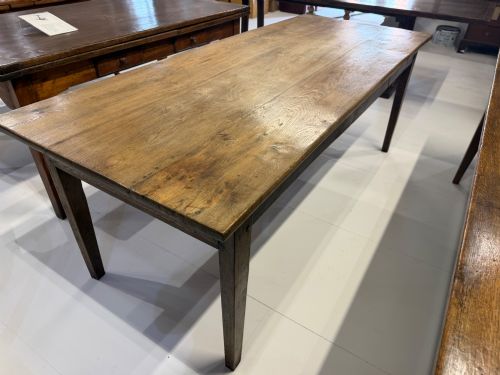
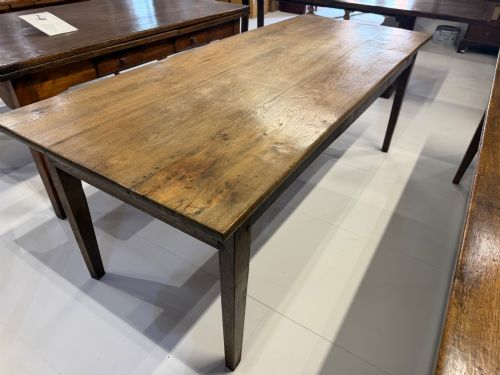
A vintage wooden kitchen table brings daily utility and solid grain character to a home, anchored in enduring periods like the nineteenth century and Edwardian era.
Vintage Wooden Kitchen Table
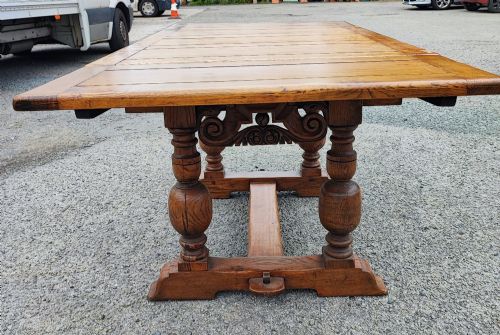
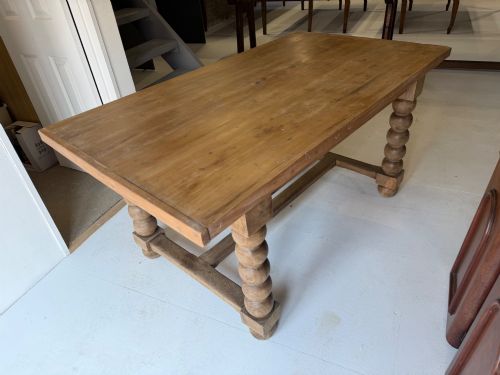
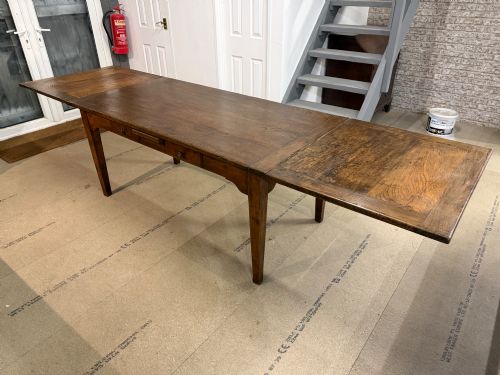
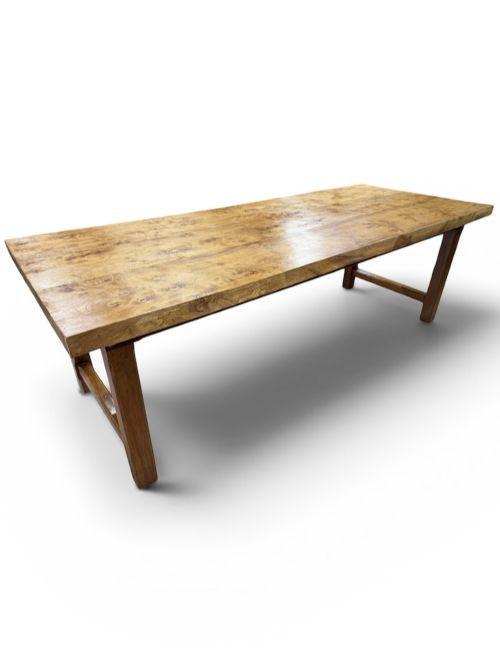
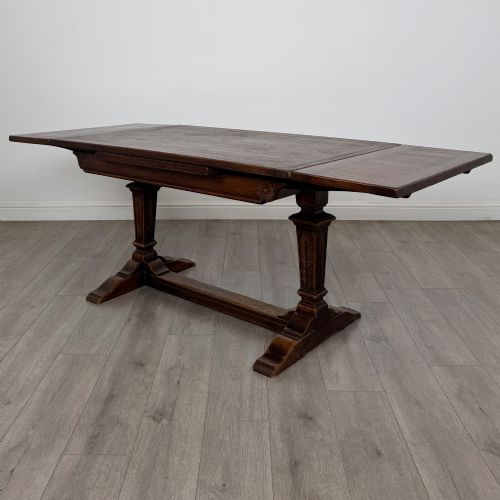
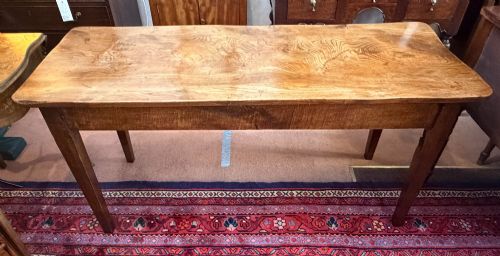
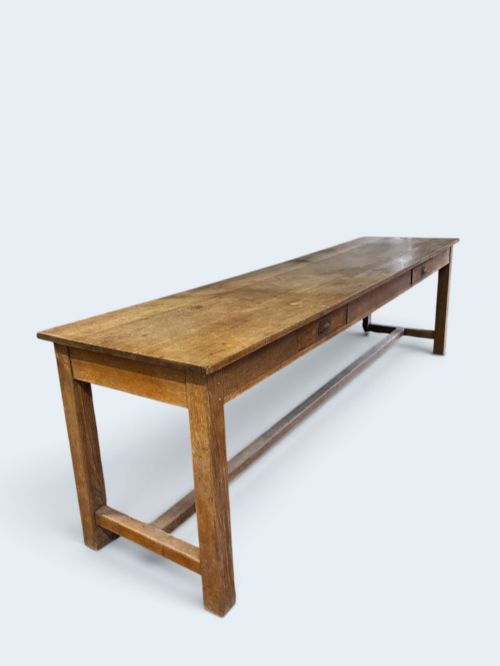
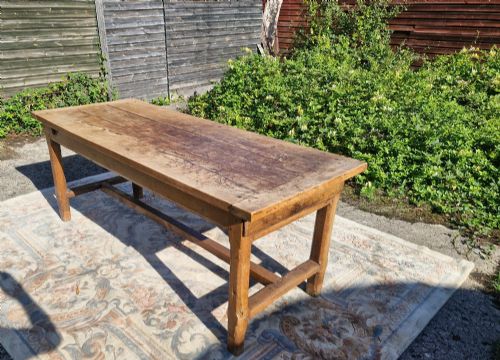
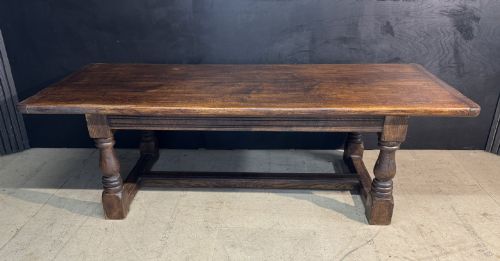
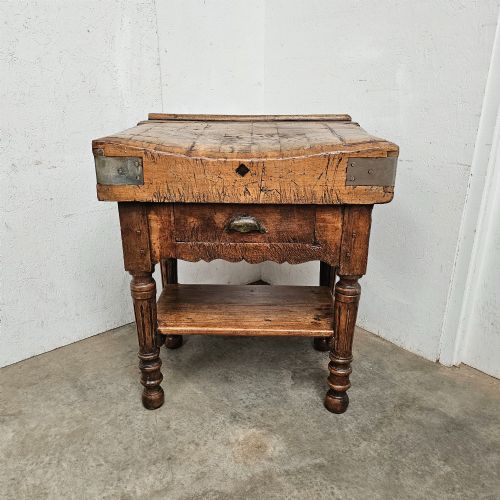
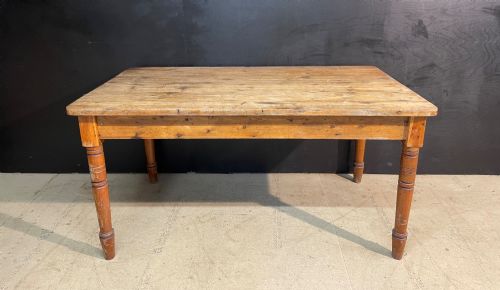
A vintage wooden kitchen table represents the heart of domestic life, spanning practical forms such as farmhouse dining tables, refectory tables, draw leaf tables, prep tables, and butchers blocks. When searching for a vintage wooden kitchen table, buyers encounter hardworking surfaces shaped for daily labour and family meals across generations.
The selection ranges widely across stylistic traditions, including rustic farmhouse, French provincial, Arts and Crafts, and Jacobean revival designs. Dating primarily from the nineteenth century through the 1930s, these pieces reflect regional European and British vernacular furniture traditions built for heavy use.
How they were made
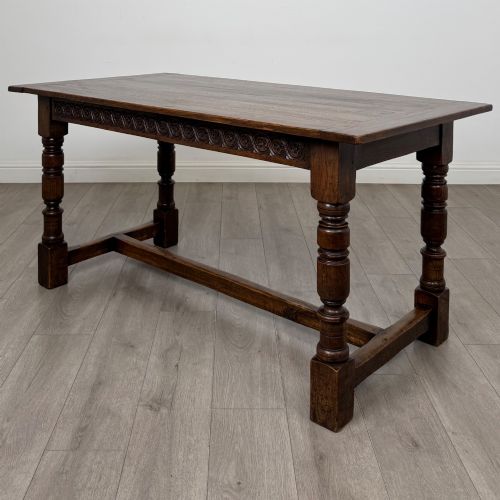
Carpenters relied principally on timbers such as oak, pine, beech, fruitwood, elm, and walnut to construct sturdy frames and thick table tops. Boards were joined to handle heavy loads, supported by turned legs, tapered legs, bobbin legs, or shaped trestle ends.
Many designs incorporate functional mechanisms, including draw leaves and drop leaves to expand surface area quickly. Iron and brass fittings occasionally reinforce structural joints on work tables and serving tables.
Listings feature timbers including oak, pine, beech, elm, fruitwood, and walnut across nineteenth-century and Edwardian domestic forms.
What varies in quality
Quality rests on the selection of timber and the integrity of the original construction, distinguishing heavy solid oak and seasoned fruitwood from lighter secondary materials. Tables featuring deep proportions, substantial board tops, and robust underframes demonstrate superior structural ambition.
Artisanal detail elevates certain examples, seen in fine carving, balanced proportions, and sophisticated revival styles that echo workshops like Heals. Patina accumulated through decades of domestic service further separates utilitarian survivors from finer dining examples.
The Vintage Wooden Kitchen Table Glossary
- Refectory table
- A long, narrow dining table traditionally built for communal dining halls, often featuring sturdy stretcher bases. These tables provide generous seating capacity along their length.
- Draw leaf table
- A table equipped with sliding extension leaves stored beneath the main top, allowing the surface area to double with ease. This mechanism offers flexible sizing for everyday dining.
- Butchers block
- A thick, solid timber block designed for food preparation, frequently mounted on a decorative wooden base. These heavy blocks show deep surface wear from active chopping use.
- Trestle ends
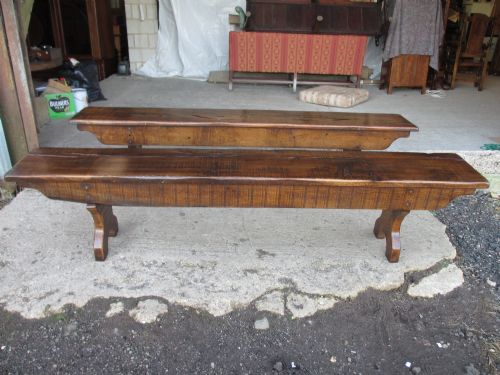
- Support structures positioned at either end of a table rather than individual corner legs, joined by a central stretcher beam. This design maximises legroom along the bench seats.
- Fruitwood
- Timber harvested from fruit-bearing trees such as pear or cherry, valued for its fine grain and warm tone. Cabinet makers utilised it for provincial dining and work tables.
Vintage Wooden Kitchen Table: Frequently Asked Questions
How do I seat eight people?
Look for refectory, harvest, or farmhouse tables measuring eight feet or longer, which naturally accommodate multiple chairs or benches along the sides.
Extendable draw leaf designs also offer adjustable seating capacity for gatherings without taking up excess floor space daily.
Are pine tables durable enough?
Pine and pitch pine provide robust, resilient surfaces that have withstood heavy domestic or agricultural service since the Victorian era.
Their softer timber grain absorbs the marks of daily life, developing a rich patinated character over decades of kitchen use.
What is a drapers table?
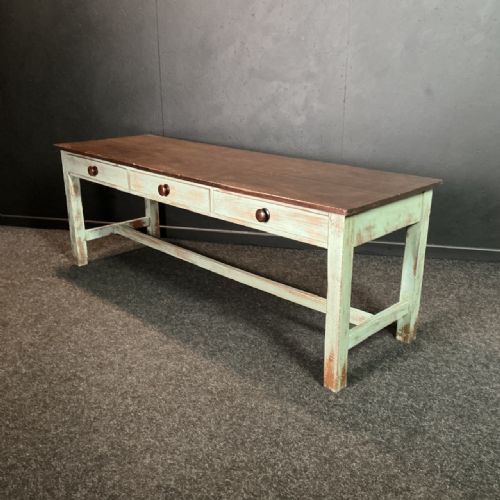
A drapers table is a long utility form originally utilised in fabric shops or homes for measuring and displaying textiles.
These pieces typically feature lower tier shelving and long rectangular surfaces suited for modern kitchen prep or serving.
How do I identify an Arts and Crafts table?
Arts and Crafts tables emphasise honest construction, solid golden oak timbers, and minimal ornament that highlights natural wood grain.
They often reflect the design philosophy of makers like Heals, prioritising functional integrity and sturdy refectory proportions.