
Timber Farmhouse Dining Table
A timber farmhouse dining table anchors the room with honest weight, built for daily gathering from solid woods that age gracefully.
Timber Farmhouse Dining Table
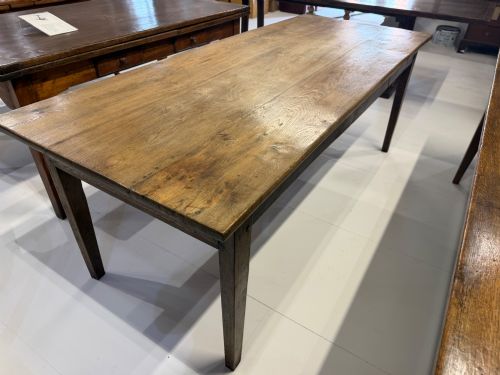
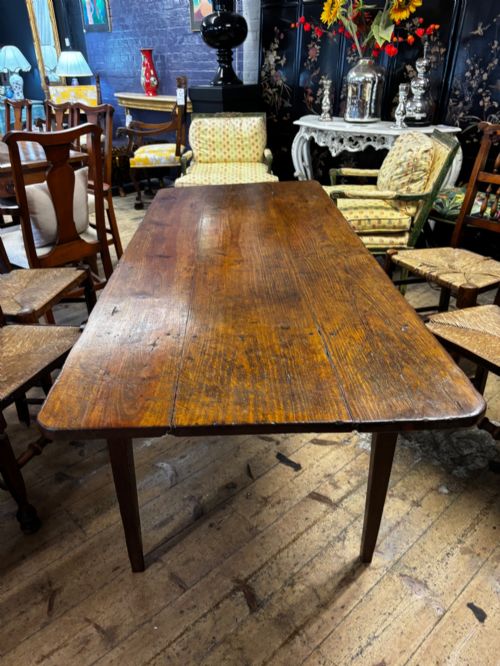
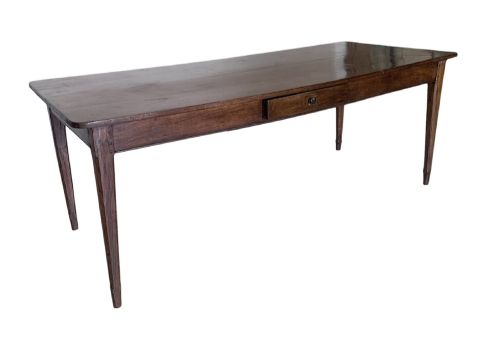
A timber farmhouse dining table is a heavy, utilitarian surface designed for practical domestic labour and communal meals. When you search for this phrase, you encounter robust examples spanning the eighteenth and nineteenth centuries, including Victorian, Edwardian, and regional European variations.
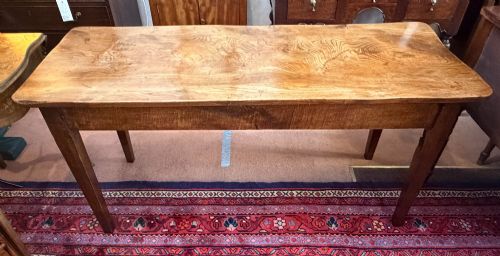
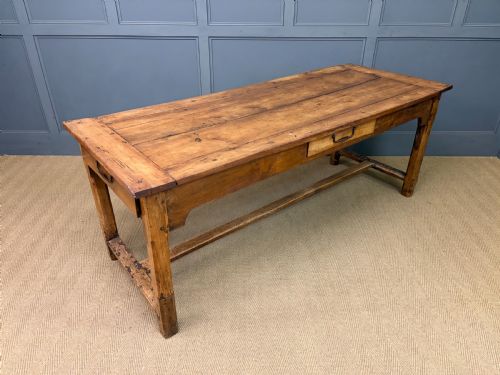
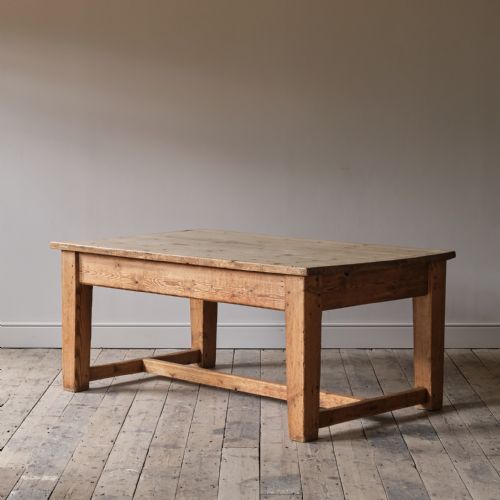
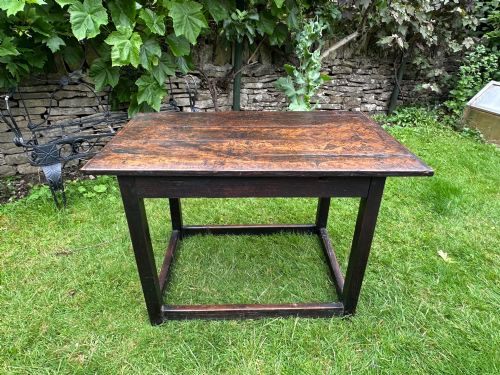
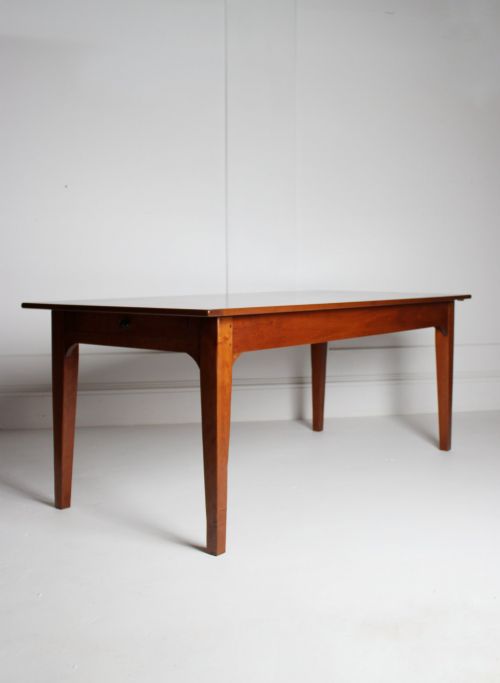
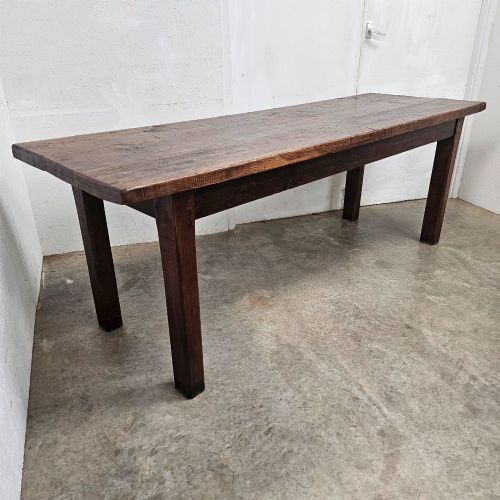
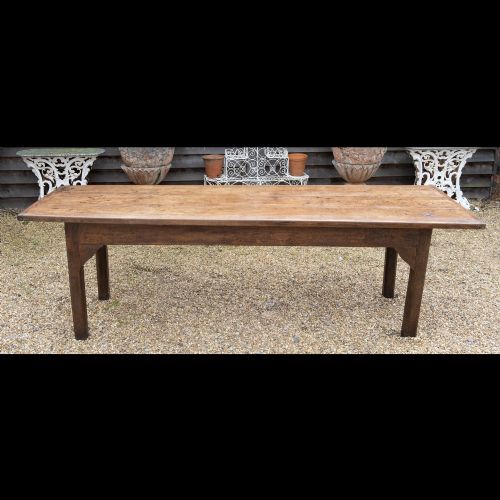
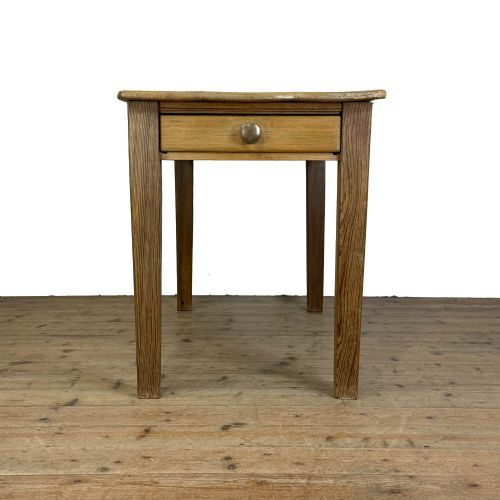
The most common form on this page is the rectangular plank-top kitchen or dining table, frequently constructed from pine, oak, or fruitwood. Many retain utilitarian additions such as end drawers, side drawers, or bread slides for domestic storage.
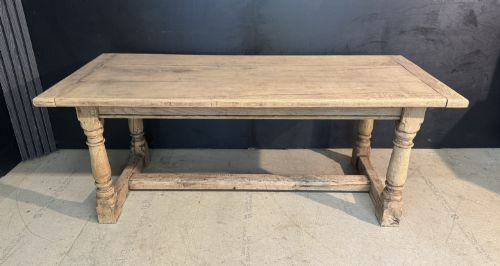
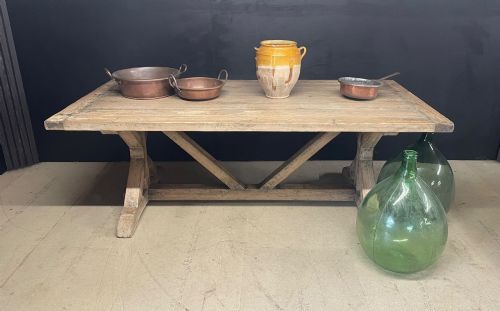
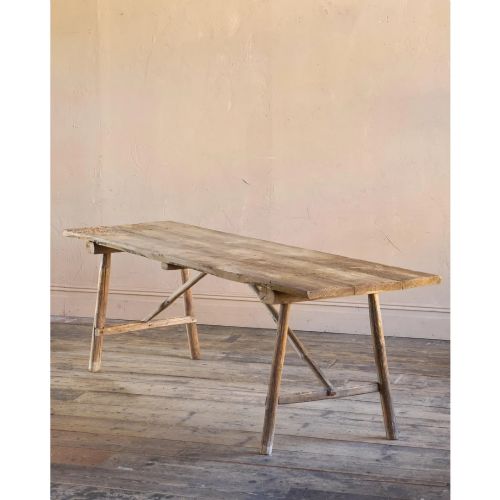
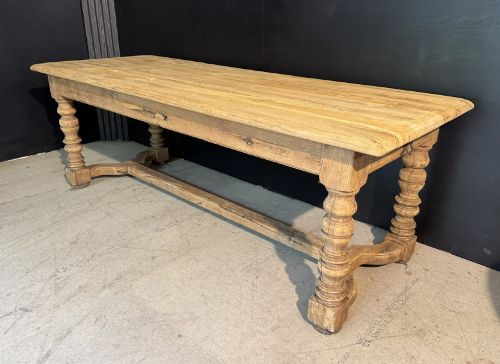
Beyond standard four-legged designs, the selection includes refectory tables, trestle tables, and folding vineyard variants. These pieces originate from domestic settings across Britain, France, Sweden, and China, showing regional preferences in timber and proportion.
How they were made
Makers constructed these tables from dense domestic timbers including oak, pine, fruitwood, elm, cherrywood, walnut, and chestnut, occasionally incorporating iron hardware. Planks were joined to form thick tops capable of enduring heavy daily use.
Joinery relied on sturdy methods suited to functional furniture, creating rigid frames supported by square section legs, trestles, or refectory bases. Surface finishes varied from scrubbed bare wood and faded patinas to applied regional paints like Swedish Falu.
The inventory spans the eighteenth century, nineteenth century, Victorian era, Edwardian period, and nineteen-twenty.
What varies in quality
Quality rests in the selection and substance of the timber, particularly the thickness and integrity of the plank top. Tables built from dense hardwoods like oak or mature fruitwoods hold up better than lighter softwoods.
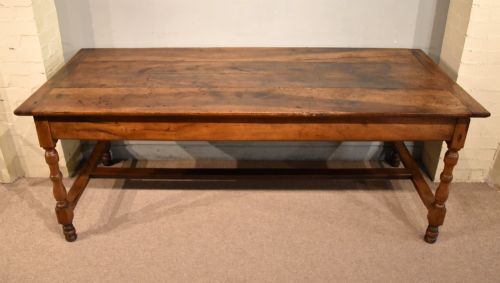
Proportion and structural honesty separate ordinary examples from exceptional ones. Refined leg turnings, integrated drawers that operate smoothly, and honest wear that enhances the character of the wood distinguish superior pieces.
The Timber Farmhouse Dining Table Glossary
- Plank top
- A table surface constructed from wide boards joined side by side. This method allows the wood to move naturally with changes in humidity.
- Refectory table
- A long, narrow dining table traditionally used in monastic dining halls. These pieces feature stretcher rails running low between the legs for extra stability.
- Bread slide
- A pull-out wooden board integrated beneath the table top. Historically, this feature provided an extra surface for kneading dough or cooling loaves.
- Falu paint
- A traditional deep red or earthy paint originating in Sweden. It contains copper tailings which protect the underlying timber from weathering.
- Scrubbed pine
- A pine surface repeatedly scoured with water and abrasive brushes. This process removes old finishes and leaves a pale, clean grain.
Timber Farmhouse Dining Table: Frequently Asked Questions
How do I clean a timber farmhouse dining table?
Wipe the surface with a damp cloth and mild soap, avoiding harsh chemical cleaners that strip the aged patina.
Dry the wood thoroughly afterwards to prevent moisture damage and maintain the natural finish.
Can I use these tables for everyday family meals?
These tables were originally built for heavy daily labour and dining, making them exceptionally durable for modern family use.
Using coasters and placemats helps protect the historic surface from excessive heat and moisture rings.
How do I tell oak from pine tables?
Oak is a heavy, dense hardwood featuring distinct grain markings and a deep brownish colour that darkens over time.
Pine is a softer timber with visible knots, lighter weight, and a paler hue unless darkened by age or wax.
What is a French refectory table?
A French refectory table is a long, substantial dining surface designed for large gatherings in provincial homes.
These pieces typically feature fruitwood or walnut construction with sturdy stretcher bases beneath the main top.