
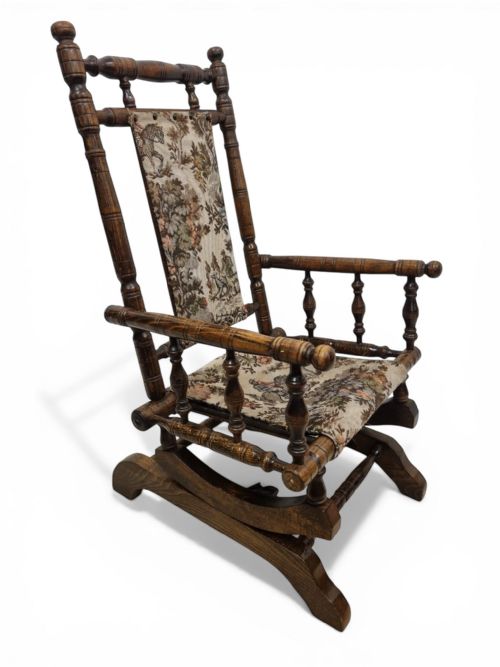


Vintage Wooden Glider
A vintage wooden glider brings traditional motion and timeless craft into the home, offering heirloom seating that spans eras from the Victorian period to the mid-century.
Vintage Wooden Glider
A vintage wooden glider encompasses both handcrafted children's toys and comfortable household seating, focusing principally on rocking horses and traditional rocking chairs. These pieces originate from various eras, stretching from the late nineteenth century through the interwar period and into the nineteen-forties.
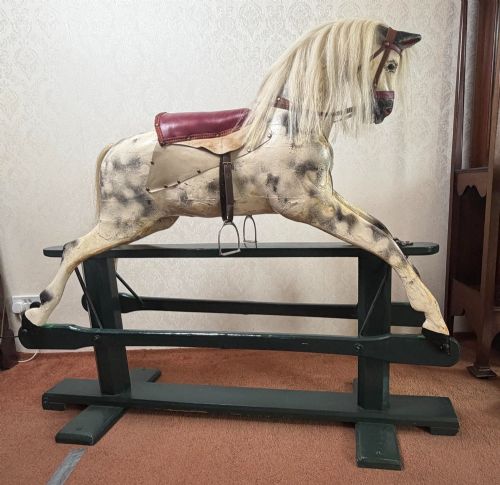
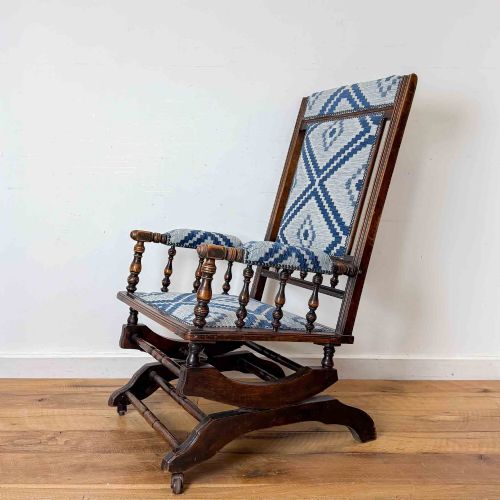
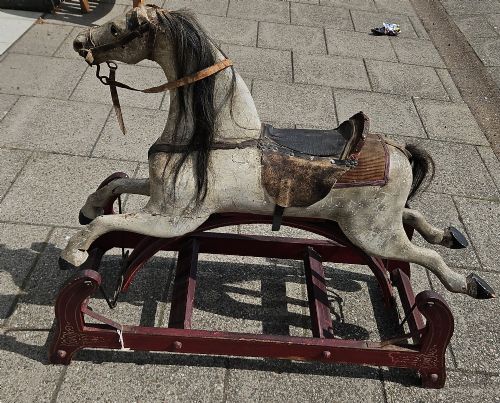
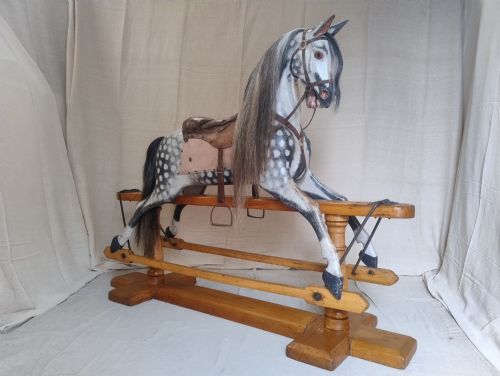
Rocking horses dominate the selection, appearing carved from pine and dark hardwood, often retaining their original painted finishes and mounted upon swings or bow rockers. Alongside these toy horses, buyers encounter solid wood rocking chairs featuring leather, horsehair, or tapestry upholstery.
The aesthetic leans towards traditional American and Victorian styles, alongside Edwardian designs and bentwood constructions. These furnishings serve as both functional seating and decorative centrepieces within domestic interiors.
What varies in quality
The distinction between items rests in the depth of hand-carving and the preservation of original factory paint or upholstery. Pieces bearing documented maker attributions display superior craftsmanship in their proportional balance and joint construction.
Surface preservation significantly dictates desirability, where untouched original finishes hold greater appeal than heavily restored or replaced elements. The structural stability of the rocking mechanism or bow frame also marks the grade of each example.
Many a Victorian child learned the ropes atop a dapple-grey horse that weighed almost as much as an adult.
F.H. Ayres·Lines Bros Sportiboy·Collinsons·Thonet
The Vintage Wooden Glider Glossary
- Bow rocker
- A chair or horse mounted on curved wooden arcs that allow forward and backward motion. These curved pieces dictate the smoothness of the movement.
- Dappled
- A painted spotted finish applied to the bodies of traditional rocking horses. This decorative technique mimics the coat patterns of grey horses.
- Bentwood
- Wood steamed and bent into curved structural shapes without joints. This technique produced light yet resilient chair frames during the late nineteenth and early twentieth centuries.
- Tapestry upholstery
- Heavy woven textile used to cover chair seats and backs. It provides durable decorative patterning on period seating.
Vintage Wooden Glider: Frequently Asked Questions
How do I date a wooden rocking horse?
Dating relies on examining the carving style, construction methods, and any surviving paint finishes. Earlier examples often feature more robust hand-carved bodies mounted on substantial wooden safety stands.
Maker marks and metal stamps beneath the belly or on the rocker rails offer precise chronological clues. Comparing the tack, mane materials, and overall silhouette against documented workshop outputs confirms the period of origin.
Are these rocking chairs comfortable for daily use?
Period rocking chairs were designed for domestic relaxation, featuring supportive high backs and padded seats upholstered in leather or tapestry. Their ergonomic shapes accommodated the clothing styles and posture norms of Victorian and Edwardian sitting habits.
While structurally sound, vintage seating benefits from careful placement on level flooring to protect the wooden rockers. Regular inspection of the joints ensures safe motion during everyday use.
What is a bow rocker?
A bow rocker consists of separate curved wooden rails attached to the base of a chair legs or a toy's feet. This design allows the entire piece to glide smoothly across floor surfaces.
Makers shaped these wooden arcs to control the arc and speed of the motion. The thickness and symmetry of the bows directly influence the stability of the ride.
How should I care for antique wood?
Maintenance requires keeping wooden surfaces away from direct heat sources and fluctuating humidity levels to prevent timber splitting. Gentle dusting with a dry cloth preserves the aged patina without stripping historical finishes.
Wax polishing should be applied sparingly and only on unpainted wooden sections using traditional formulations. Painted elements require particular caution to avoid lifting fragile nineteenth-century pigments.