


Vintage Wooden Gallery Tray
A vintage wooden gallery tray brings useful practicality and refined timber joinery together, making it a sought-after addition for serving and display.
Vintage Wooden Gallery Tray
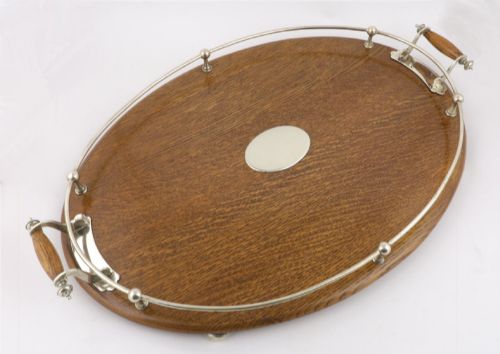
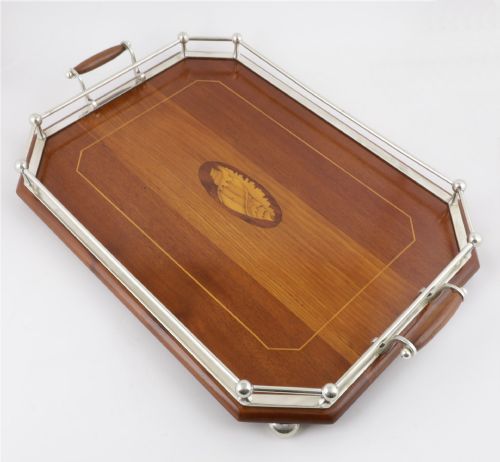
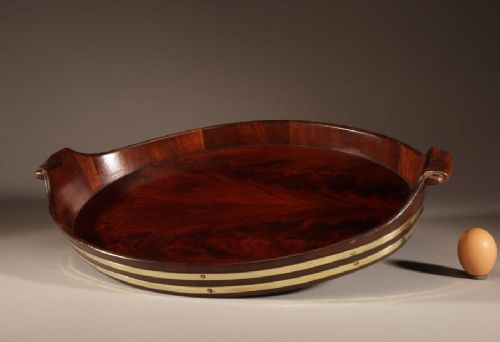
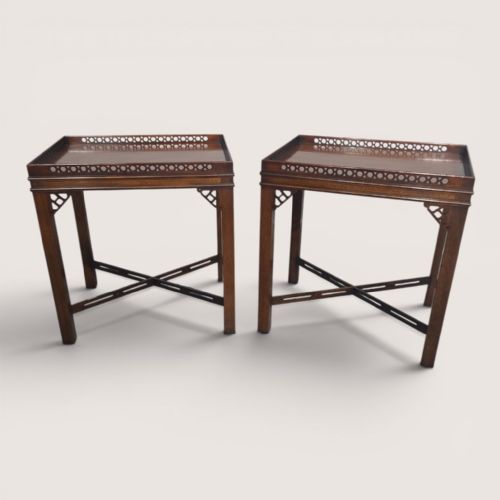
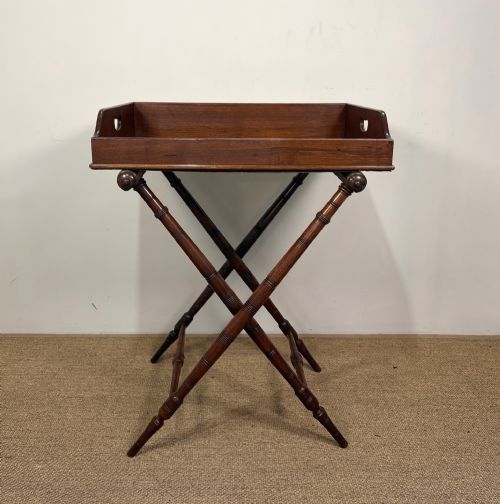
A vintage wooden gallery tray serves as a practical portable tabletop or a decorative furnishing, often found in oval, rectangular, or octagonal forms. These pieces frequently appear paired with folding stands to function as side tables, or used independently for serving drinks.
The selection spans from Georgian and Victorian periods up through Edwardian and later revivals, reflecting shifts in interior furnishing. Mahogany and oak form the backbone of these items, frequently incorporating raised rims and handles for secure transport.
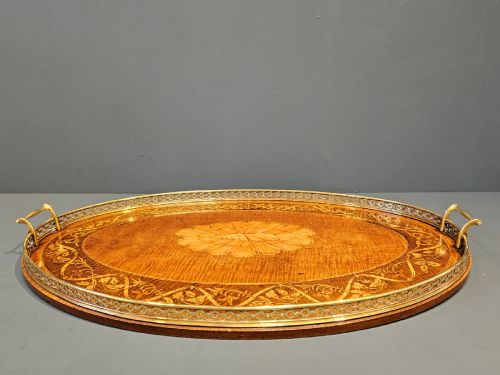
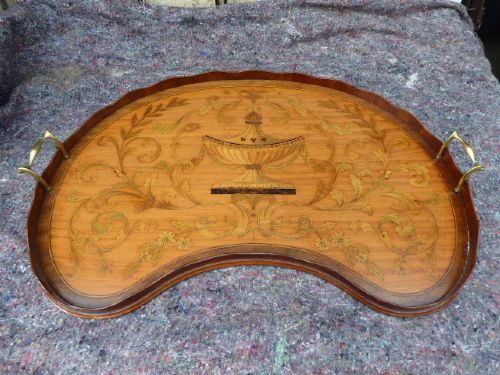
Buyers encounter variations ranging from simple serving trays to elaborate pieces featuring satinwood inlay and brass mounts. The variety extends into occasional table conversions and butler trays designed for domestic use.
Materials and construction methods
Makers utilised solid timbers such as mahogany and oak for the main body and raised galleries, ensuring structural rigidity for daily handling. Inlaid details in satinwood and contrasting woods provide decorative borders and central motifs.
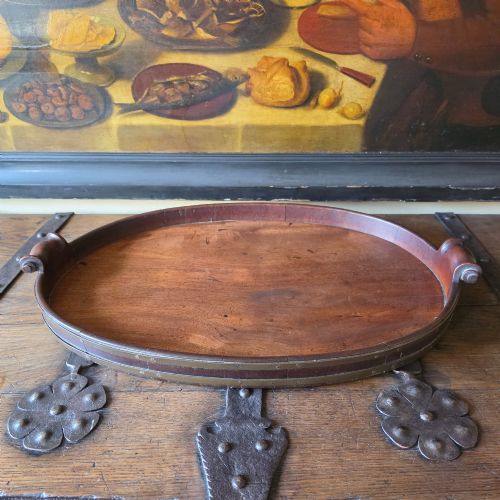
Metal components like brass galleries, handles, and silver plate mounts add functional security and aesthetic contrast to the dark wood grounds. Coopered construction techniques appear in specialised round designs, shaped from fitted staves.
Joinery methods range from traditional dovetailing in tray frames to secured gallery spindles and applied mouldings. Folding stands utilise hinged wooden crosses to support the removable trays safely.
One listed oak tray arrived with a notable history, originating directly from Bäckaskog Castle.
Distinguishing quality factors
The refinement of the inlay work and the crispness of carved wooden details separate standard utility items from finer workshop pieces. Precision in fitting the brass gallery spindles into the wooden base indicates higher craftsmanship.
The choice and figuring of the primary timber, particularly rich mahogany or figured satinwood, dictate the visual depth of the surface. Original matching stands and intact silver-plated mounts further elevate the standing of an individual piece.
Edwards and Roberts
The Vintage Wooden Gallery Tray Glossary
- Gallery tray
- A serving tray fitted with a raised raised rim, often pierced metal or turned wooden spindles, designed to prevent items from sliding off during transport.
- Butler's tray
- A removable tray top built with hinged sides or hand grips, traditionally paired with a folding X-frame stand for serving in various rooms.
- Inlay
- A decorative technique where pieces of contrasting wood or shell are inserted into recessed cavities flush with the surrounding surface.
- Coopered
- Constructed using curved wooden staves joined edge-to-edge, similar to barrel making, to form a rounded tray body.
- Silver plate
- A thin layer of silver fused or electroplated onto a base metal foundation, used for decorative galleries and handles.
Vintage Wooden Gallery Tray: Frequently Asked Questions
What is a gallery tray used for?
These trays were originally designed for carrying glassware, decanters, and tea services safely between rooms without items sliding off the edges.
Today, many owners place them on coffee tables or use them atop folding stands as permanent side tables in living spaces.
How do I date a wooden tray?
Dating relies on examining the timber species, construction joinery, and stylistic revival markers present in the piece. Georgian and Victorian examples show distinct hand-tool marks and traditional timber preparation.
Later Edwardian and revival pieces often display machine-cut elements and standardised brass hardware fittings.
Are these trays sturdy enough for daily use?
Most pieces are constructed from durable hardwoods like mahogany and oak, built specifically to handle the weight of heavy glassware and decanters.
Care should be taken with delicate satinwood inlay and antique silver-plated galleries during routine cleaning and handling.