
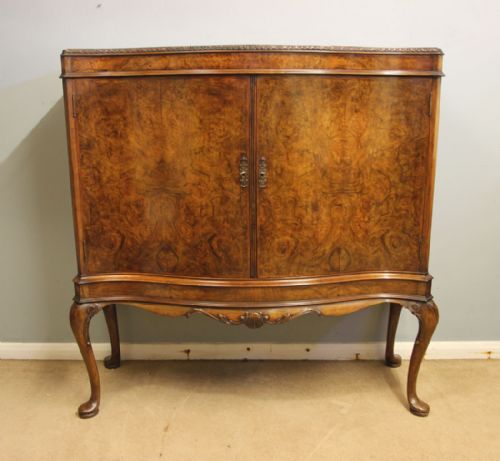


Antique Wooden Drinks Server
An antique wooden drinks server brings historic craftsmanship and functional elegance to hosting, offering timeless charm for entertaining.
Antique Wooden Drinks Server
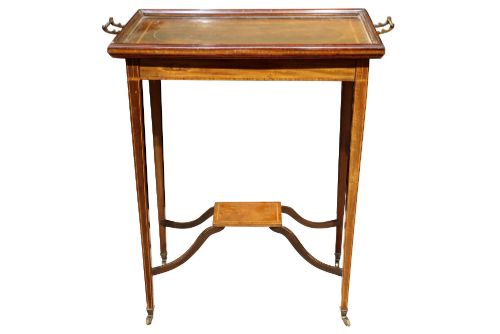
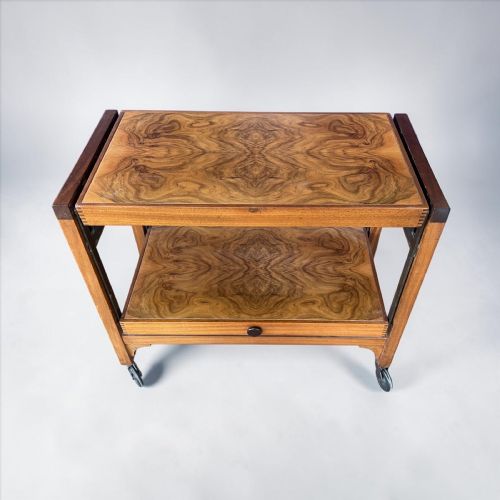
An antique wooden drinks server encompasses a variety of practical forms designed for hospitality, spanning from tray tables and butlers trays on stands to side cabinets, buffets, chiffoniers, and tea trolleys. These pieces reflect domestic social habits across the Georgian, Regency, Victorian, Edwardian, and Art Deco periods, evolving from simple serving surfaces into dedicated cocktail and bar cabinets.
Originating across the nineteenth and early twentieth centuries, these servers draw upon distinct stylistic influences including Sheraton Revival, Queen Anne style, and clean Art Deco lines. Buyers searching for an antique wooden drinks server will find forms that suit both traditional dining rooms and contemporary living spaces as focal points for hospitality.
Materials and construction
Cabinet makers utilised primary timbers such as solid mahogany, oak, and walnut, frequently enhancing decorative surfaces with flame mahogany veneer, burr walnut, pollard oak, or satinwood inlay. These woods were chosen for durability and grain figure, providing a rich foundation for daily use in entertaining.
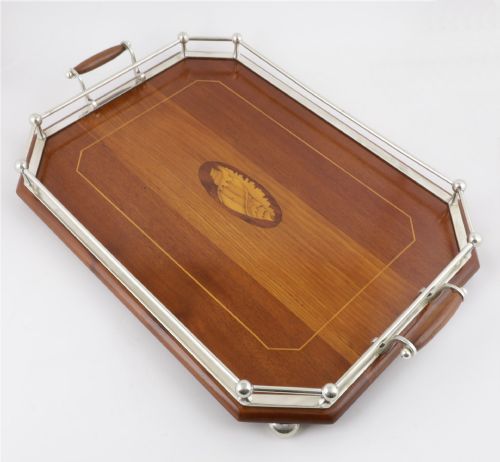
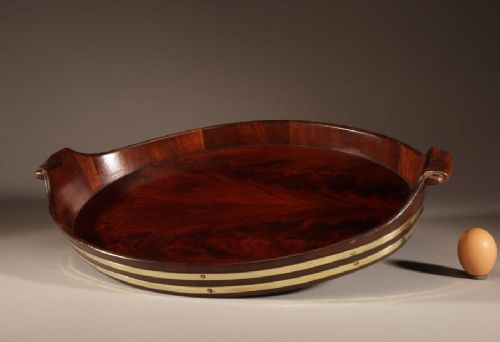
Metal and auxiliary elements played a functional and decorative role, incorporating brass handles, coppered bands on wood trays, silver plate galleries, and baize linings. Joinery techniques varied from coopered construction on round wooden trays to traditional framing on side cabinets, chiffoniers, and dumb waiters.
Some serving trays feature coopered wooden staves built just like miniature beer barrels.
Separating the finest examples
Quality in an antique wooden drinks server rests upon the selection of timber figures and the precision of decorative details like shell inlay or stringing. The finest pieces display carefully matched veneers and robust structural integrity across folding stands and cabinet doors.
Originality of components, such as matched tray tops and stands or period brass hardware, distinguishes standard utility items from more distinguished examples. Refinement in proportion and timber selection marks the upper tier of these serving pieces.
The Antique Wooden Drinks Server Glossary
- Butlers tray
- A portable wooden tray with raised sides or handles, traditionally lifted off its folding X-frame stand for serving drinks or clearing glassware.
- Dumb waiter
- A tiered piece of freestanding furniture featuring revolving or stationary shelves used to hold dishes and beverages without requiring servant attendance during meals.
- Chiffonier
- A compact sideboard or cabinet developed in the nineteenth century featuring enclosed lower cupboards and sometimes a raised upper shelf for display.
- Coopered
- A method of construction using curved wooden staves bound together with metal or wood bands, commonly seen on oval serving trays.
- Metamorphic
- Furniture engineered to transform its shape or function, such as a serving trolley that converts into a card table or expands for hospitality.
Antique Wooden Drinks Server: Frequently Asked Questions
What is an antique wooden drinks server used for?
These pieces were originally designed for holding, transporting, and serving beverages and glassware during social gatherings in domestic homes.
Today, they serve a similar purpose in modern hospitality, acting as mobile bars, cocktail cabinets, or distinctive side tables in living and dining spaces.
How do I identify the period of a drinks server?
Dating relies on observing structural characteristics, timber choices, and decorative motifs associated with specific eras such as Georgian, Victorian, or Art Deco.
For example, heavy flame mahogany and classical lines often point to the Regency period, while lighter oak and simpler joints frequently indicate early twentieth century Edwardian or Art Deco design.
Are butlers trays attached to their stands?
Traditional butlers trays are designed to lift off their folding stands entirely, allowing the tray to function independently for carrying items.
The stands themselves usually fold flat for storage when not in use, making these versatile pieces practical for flexible room layouts.
What woods were used for these servers?
Cabinet makers predominantly used mahogany, walnut, and oak as the main structural timbers for servers, sideboards, and trolley carts.
More decorative surfaces often featured figured veneers like burr walnut and flame mahogany, sometimes accented with satinwood inlay or brass fittings.
How do I care for a wood drinks server?
Maintenance involves protecting the wooden surfaces from moisture rings and excessive heat by using coasters and trays for wet glassware.
Regular dusting and occasional application of appropriate wood wax help preserve the finish and natural grain of antique mahogany, walnut, and oak.