


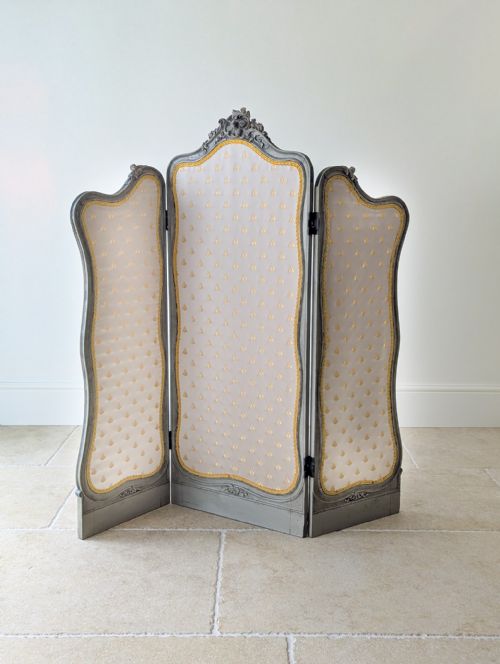


Vintage Wooden Folding Screen
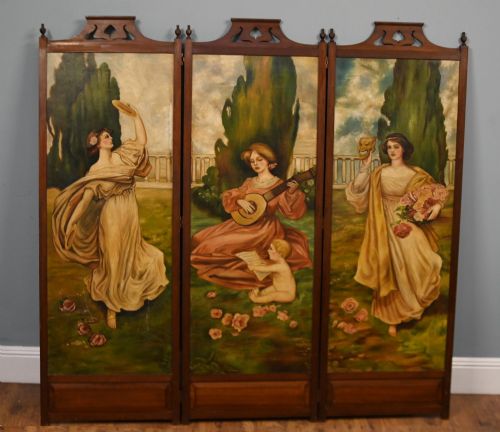
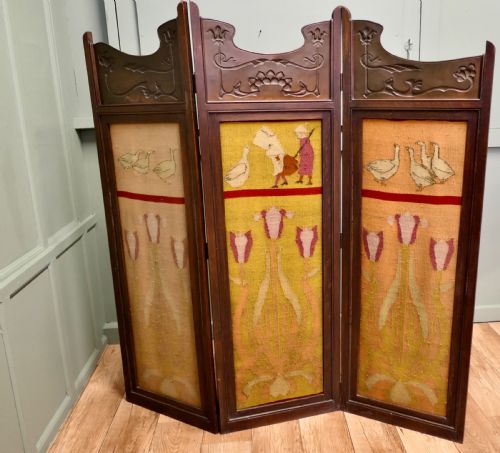
A vintage wooden folding screen divides a room with panelled character, offering movable architecture built from historic timber and textiles.
Vintage Wooden Folding Screen
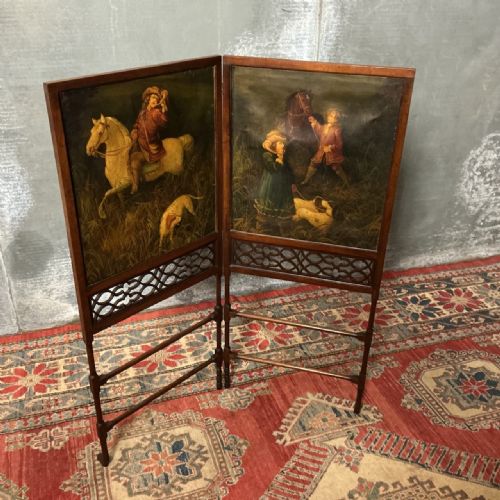
A vintage wooden folding screen provides flexible partition work for interiors, functioning as both a decorative divider and a physical barrier. The pieces gathered here range from multi-fold room dividers to smaller fire screens and modesty panels.
Makers shaped these functional objects across varied global traditions, producing English, French, Chinese, Indian, Persian, and Japanese examples. Construction styles span Edwardian, Art Nouveau, Napoleon III, and Anglo-Indian aesthetics utilising multiple hinged leaves.
Domestic and institutional spaces utilised these items for privacy, draught exclusion, or decorative framing. Many surviving specimens incorporate painted art, embroidery, lacquer, or carved woodwork within their wooden frameworks.
How they were made
Carpenters constructed the primary frameworks using solid hardwoods including oak, mahogany, walnut, padauk, and unspecified timber. Joinery methods united these sections with hinges to allow multi-directional folding across three or more panels.
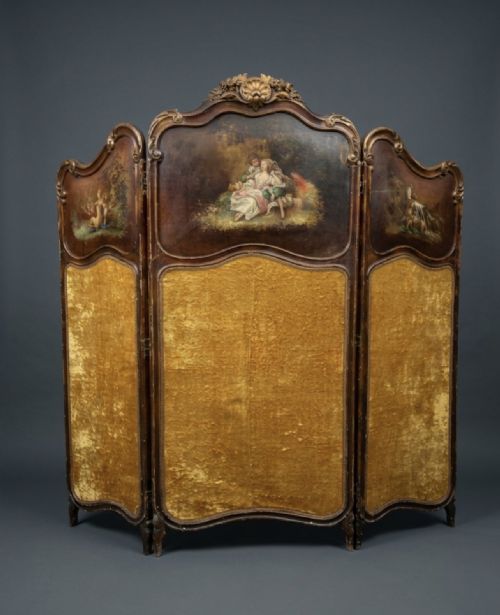
Craftsmen integrated diverse infill materials into the wooden structures, ranging from brass and bronze elements to glass, lacquer, and fretwork. Surface decoration frequently involved oil paintings, embroidery, painted pastoral scenes, and velvet fabrics.
Vintage Wooden Folding Screen Retail Price Guide 2026
Typical asking prices for vintage wooden folding screen among the pieces listed under this phrase on Sellingantiques today, from the lower quarter to the upper quarter. They describe what is for sale here now, not the wider market.
One extraordinary screen doubles as a debating society board from Eton College alongside another functioning as an occasional table.
What varies in quality
The sophistication of the carved detail and the integrity of the original hinges dictate the upper tiers of craftsmanship. Finer examples display meticulous hand-carving in woods like padauk or oak alongside specialist lacquerwork and inlaid metal elements.
The artistic merit of the integrated panels creates a clear division between standard utility items and high-end decorative pieces. Hand-painted pastoral scenes, original embroidery, and etched glass elevate the visual depth of the woodwork considerably.
The Vintage Wooden Folding Screen Glossary
- Modesty screen
- A small folding screen historically positioned to shield individuals from draughts or direct attention in a domestic interior. These items often feature low panel heights.
- Fretwork
- Ornamental design created by cutting intricate patterns through wood using a piercing saw. This technique appears on Indian and Oriental room dividers.
- Napoleon III
- A mid-nineteenth century French revival style associated with ornate painted finishes and eclectic decorative details. Pieces from this period often utilise dark painted wooden frames.
Vintage Wooden Folding Screen: Frequently Asked Questions
How do I use a folding screen at home?
These screens partition large rooms, hide utilitarian corners, or create intimate seating zones without permanent building work.
Position the panels at slight angles to ensure stability while displaying the decorative painted, carved, or fabric surfaces to best effect.
What is the difference between a room divider and a fire screen?
Room dividers stand tall with multiple hinged panels designed to segment interior space. Fire screens are smaller single or multi-fold items built specifically to shield occupants from fireplace heat.
While room dividers focus on spatial division, fire screens often incorporate intricate embroidery, glass panels, or metamorphic table functions.
How do I date an antique wooden screen?
Examine the wood species, joinery techniques, and stylistic markers such as Art Nouveau curves or Napoleon III painted finishes. Hardware styles and the nature of the panel infill also offer strong chronological clues.
Comparing the decorative motifs against documented period aesthetics helps establish whether a piece belongs to the Victorian, Edwardian, or later eras.
Are these screens suitable for modern interiors?
Historic dividers adapt easily to contemporary spaces by introducing texture, warmth, and flexible layout options. They serve as striking focal points against neutral walls or functional partitions in open-plan rooms.
Careful placement protects the historic wood, lacquer, or textile panels from excessive sunlight and heavy daily friction.