

Vintage Wooden Drinks Cabinet
A vintage wooden drinks cabinet brings period craftsmanship into the modern home, offering tailored storage for bottles and glassware.
Vintage Wooden Drinks Cabinet
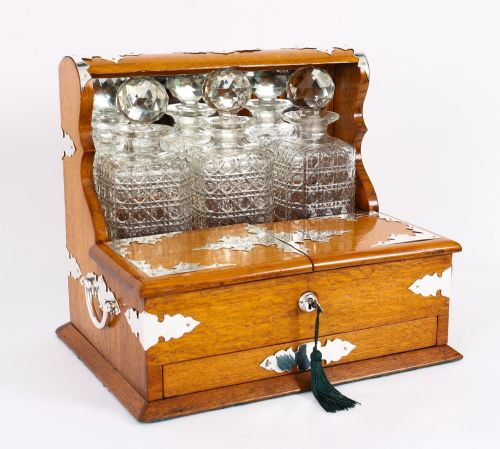
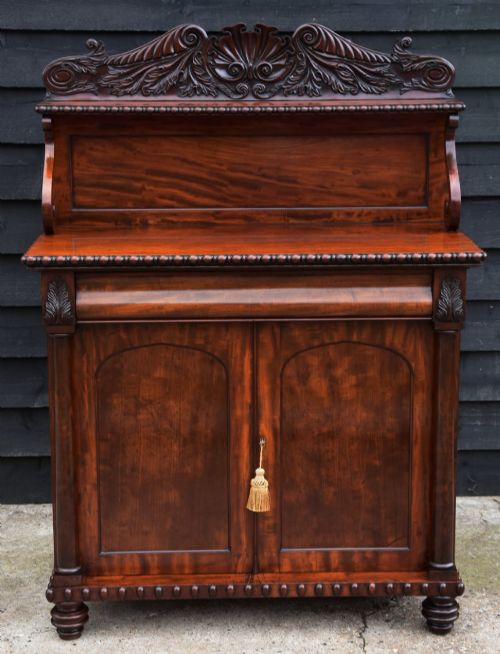
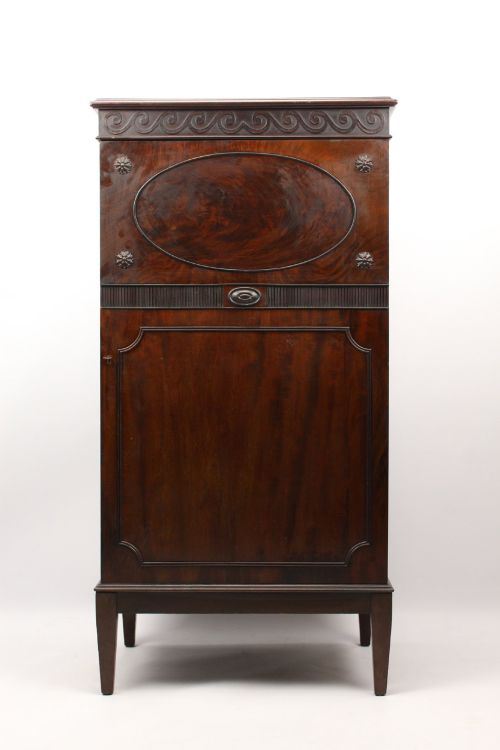
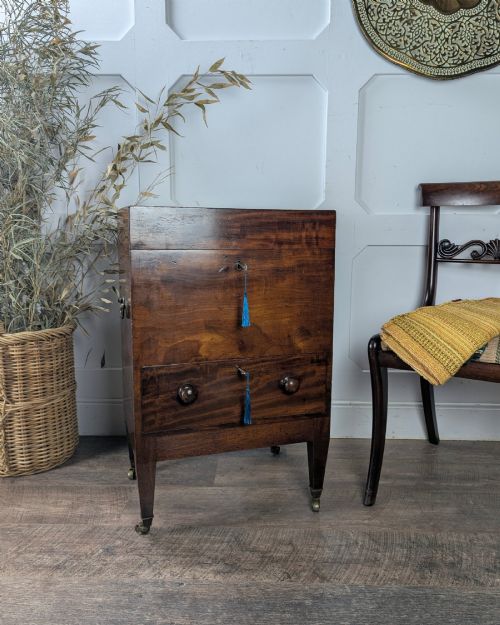
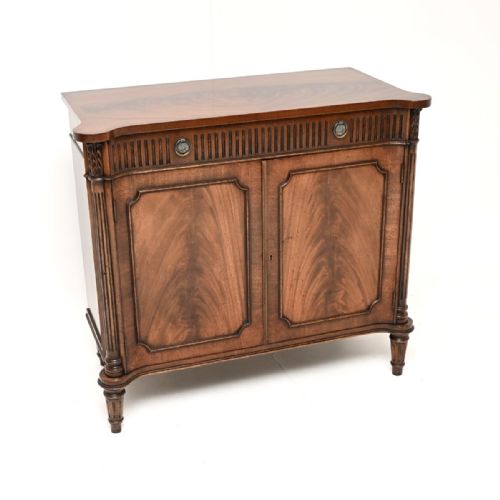
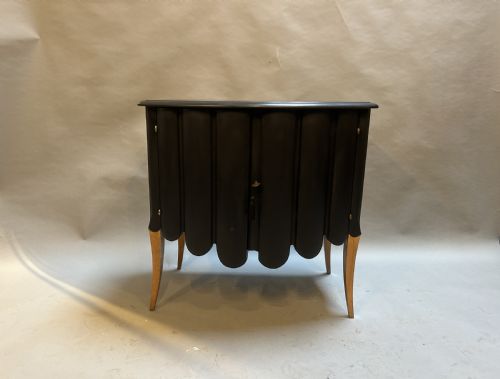
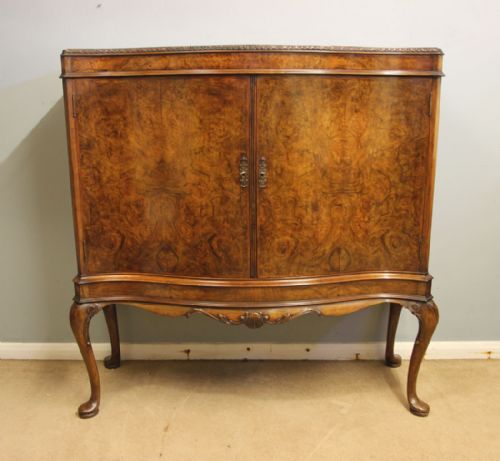
A vintage wooden drinks cabinet encompasses specialised forms designed for the storage and service of alcohol, ranging from compact cellarettes and tantalus sets to larger cocktail cabinets and side cabinets. These pieces span multiple eras, drawing heavily on Georgian proportions, Victorian utilitarian design, Edwardian refinement, and the distinct geometric lines of the 1930s Art Deco period.
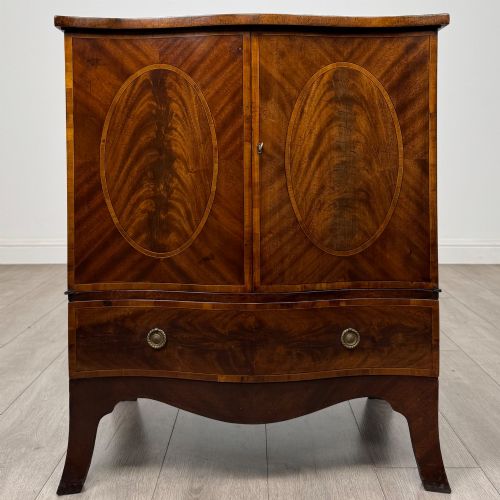
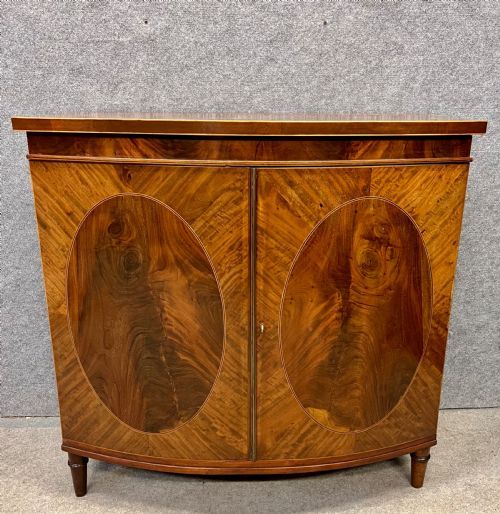
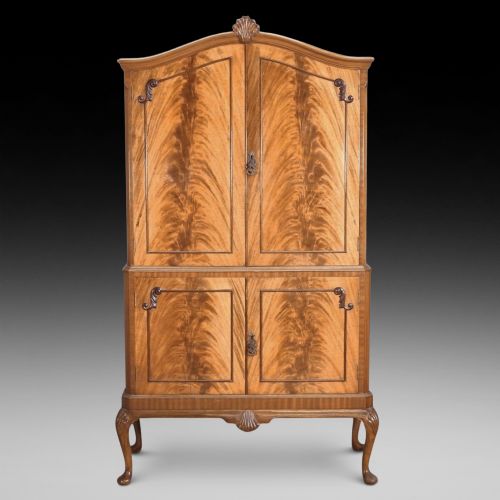
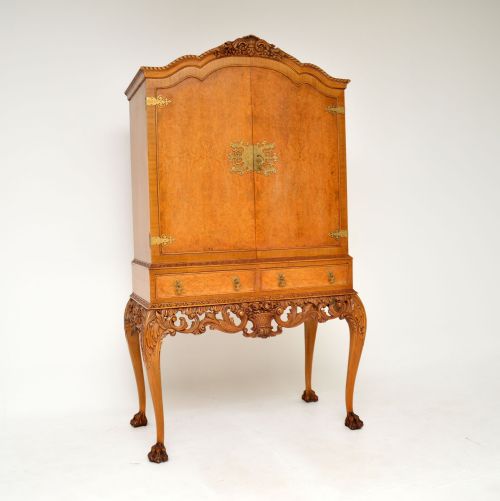
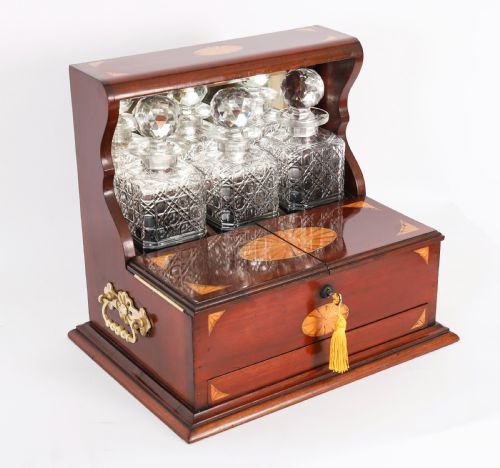
The version most commonly met on this page is the mid-20th-century or 1930s cocktail cabinet, often finished in burr walnut or flame mahogany veneer. Alongside these, buyers frequently encounter Edwardian and 19th-century iterations, including mahogany cellarettes and brass-mounted oak tantalus sets designed for secure spirit storage.
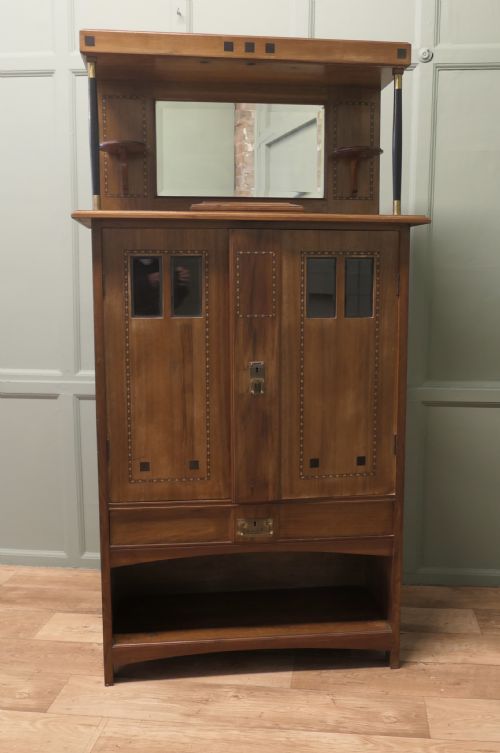
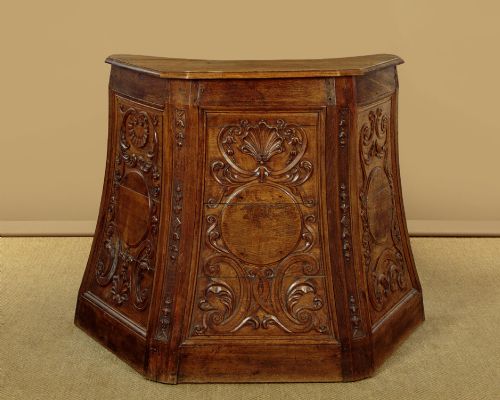
Construction origins vary across domestic workshops and continental makers, incorporating styles from Queen Anne Revival to French Art Deco and the Cotswold School. The primary function remains consistent across these periods: providing a dedicated, elegant enclosure for entertaining and beverage curation.
Materials and construction
Cabinetmakers relied heavily on hardwoods such as mahogany, oak, and walnut, frequently applying decorative veneers like burr walnut and flame mahogany to primary display surfaces. Satinwood and exotic timbers were utilised for inlay work, creating contrasting banding and geometric stringing across cabinet doors and drop-front panels.
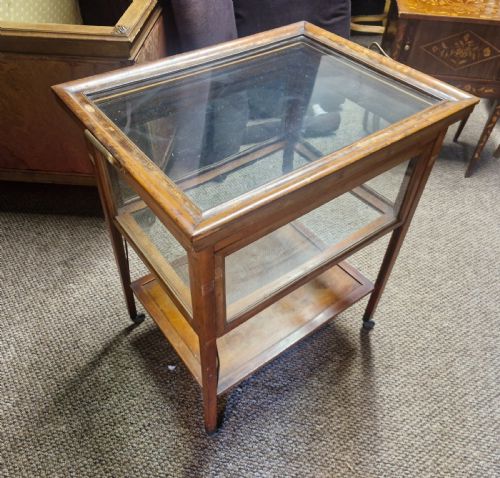
Internal fitting involved precision joinery alongside functional hardware, integrating brass locks, hinges, and carrying handles, particularly on tantalus and cellarette pieces. Glass panels were cut for display doors, while specialised compartments inside the cabinets utilised mirrors and mirrored backs to enhance the presentation of glassware.
Listings feature pieces spanning the 1800s to the 1930s, utilising mahogany, oak, walnut, and satinwood.
Assessing construction standards
The distinction between standard examples and superior pieces rests on the selection and matching of wood veneers. High-grade cabinets display symmetrical grain patterns across large surfaces, whereas lesser pieces rely on uniform or hastily applied timber.
Structural integrity reveals itself in the execution of drawers, folding leaves, and drop-front mechanisms. Finely made examples operate smoothly with tightly fitted joints, while inferior work shows drift in alignment and less careful timber preparation.
Denby & Spinks·Whytock & Reid of Edinburgh·Incorporall
The Vintage Wooden Drinks Cabinet Glossary
- Cellarette
- A lockable container or cabinet specifically designed to hold wine bottles or spirits. They often feature fitted wooden interiors and sometimes incorporate lead linings for ice.
- Tantalus
- A wooden frame holding decanters securely behind a locking bar, preventing unauthorized access to the contents while displaying the crystal. The design leaves the stoppers locked in place until the frame is opened with a key.
- Veneer
- A thin slice of figured wood applied to a secondary timber base to create decorative exterior surfaces. Burr walnut and flame mahogany veneers are typical examples found on display cabinets.
- Marquetry
- The art of applying small pieces of wood veneer to a structure to form decorative patterns or pictures. This technique appears frequently on Edwardian and Art Deco cabinet doors.
Vintage Wooden Drinks Cabinet: Frequently Asked Questions
How do I date a wooden drinks cabinet?
Dating a drinks cabinet requires examining the primary timbers, hardware, and stylistic revival influences used in its construction. Pieces from the 19th century often feature solid mahogany or oak with brass mounts, while 1930s examples frequently showcase burr walnut veneers and streamline silhouettes.
Internal construction details, such as drawer dovetails and locking mechanisms, also provide clear indicators of period manufacturing techniques. Comparing the stylistic markers against known design periods helps narrow down the decade of production.
How were cellarettes used?
Cellarettes were originally designed to hold wine bottles close to the dining table before built-in cellars or sideboards became common. They kept bottles cool and secure, often featuring divided interiors to prevent clinking.
Over time, the form evolved into decorative floor-standing cabinets and portable boxes used specifically for spirits. Their lockable nature ensured valuable wines and spirits remained under the host's control.
Where should I place a drinks cabinet?
A drinks cabinet suits dining rooms, living spaces, or home bars where entertaining takes place. Placing the piece away from direct sunlight protects vulnerable wood veneers like burr walnut and prevents the fading of polished surfaces.
Allowing sufficient clearance around drop-front flaps or opening doors ensures the cabinet functions smoothly during use. Stable indoor humidity levels will also preserve the integrity of older wooden joins and internal mirrors.