
Vintage Wooden Drawer Unit
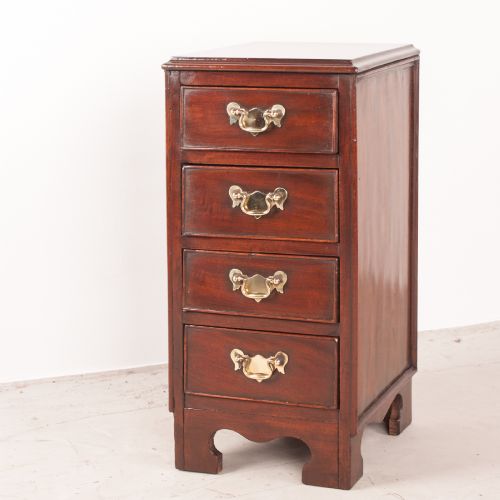
A vintage wooden drawer unit brings practical storage and period character into a room, spanning modest pine organizers to substantial mahogany chests.
Vintage Wooden Drawer Unit
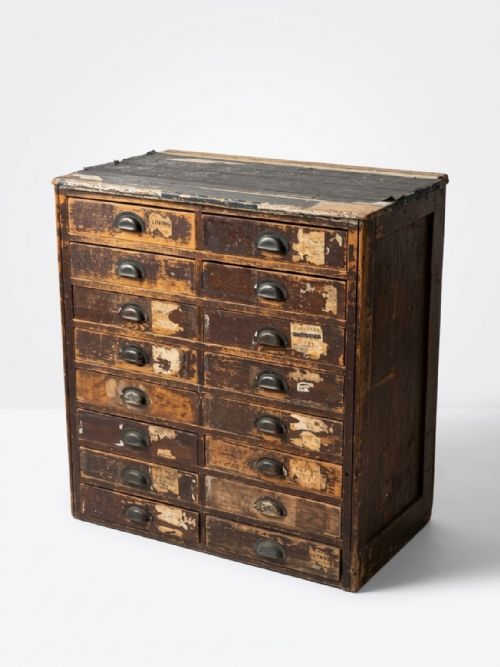
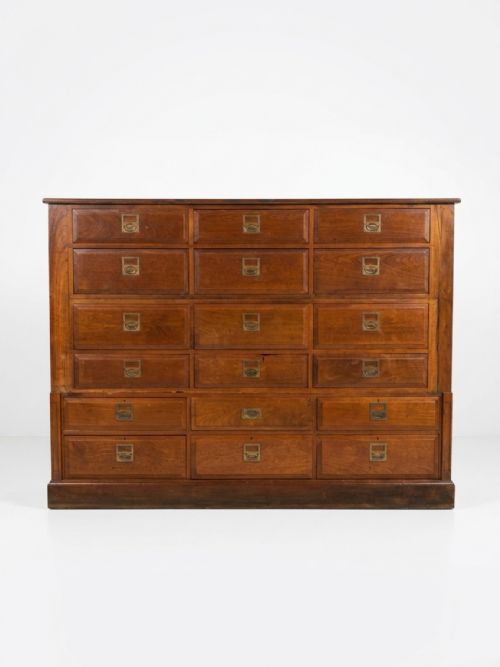
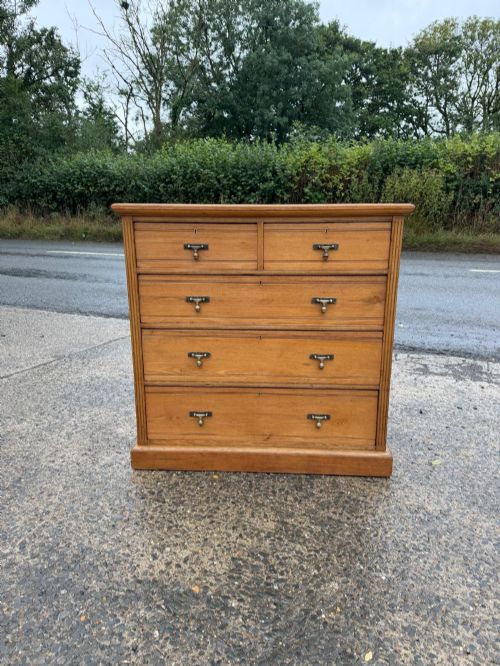
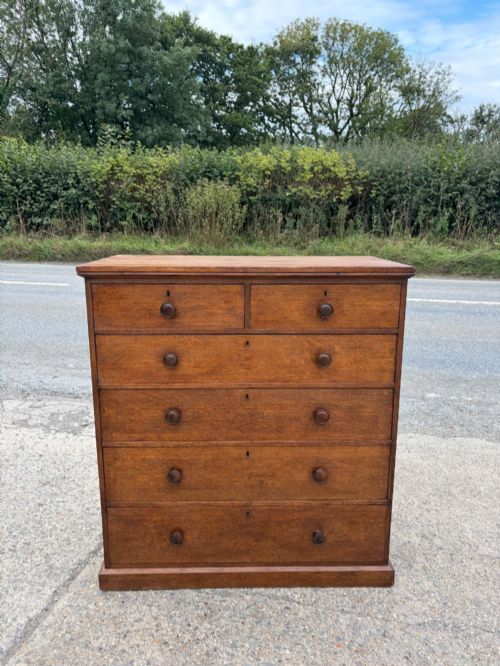
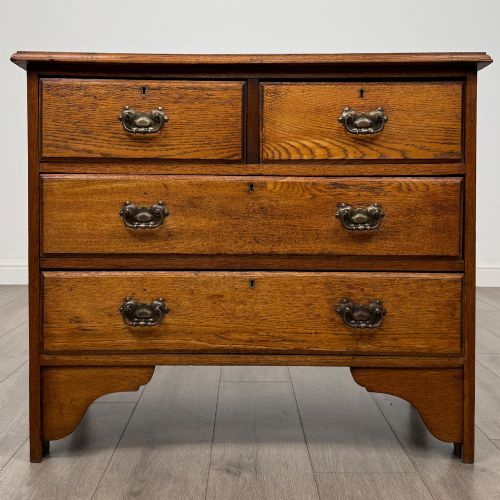
A vintage wooden drawer unit encompasses varied storage forms, ranging from domestic chests of drawers to workshop filing cabinets and multi-drawer banks. Buyers searching for a vintage wooden drawer unit often encounter tall banks of drawers, compact collector cabinets, and traditional bedroom chests.
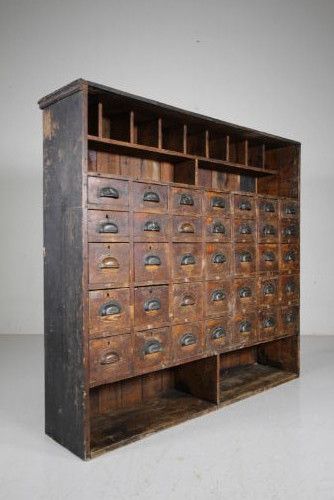
The pieces on this page originate from periods spanning the eighteenth century through the early twentieth century, including Georgian, Regency, Victorian, and Edwardian eras. Domestic iterations sit alongside commercial items such as chemist shop fittings and haberdashers' drawers.
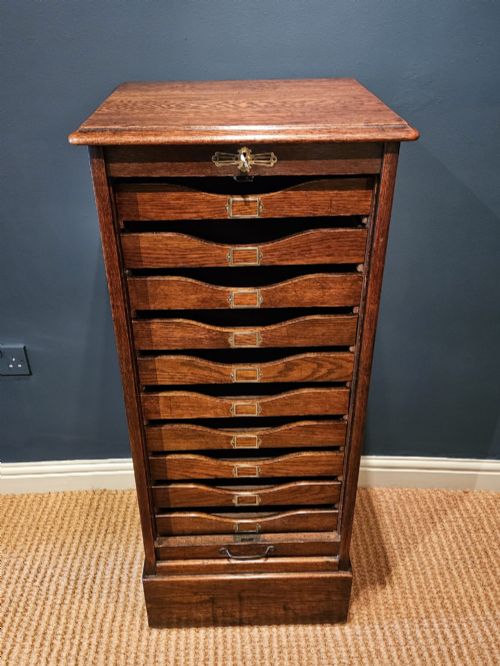
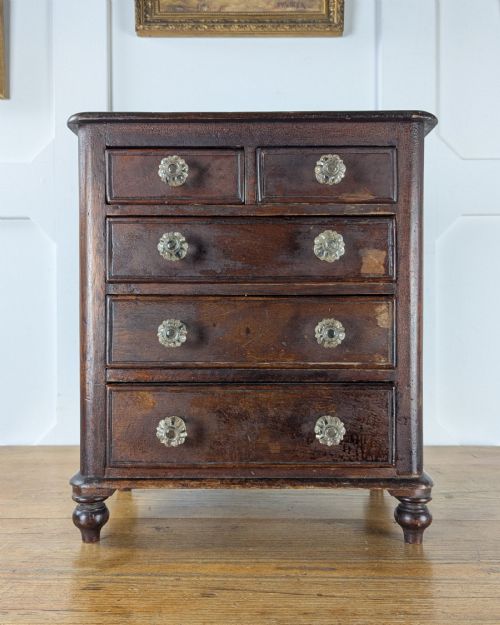
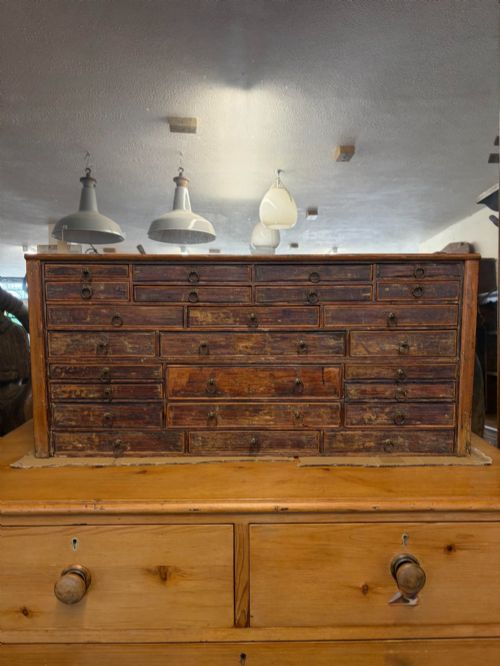
Smaller variations include trinket storage chests, miniature apprentice pieces, and desktop filing cabinets with tambour fronts. Larger examples provide substantial capacity through banks of twenty-five drawers or multi-tier configurations.
Materials and construction
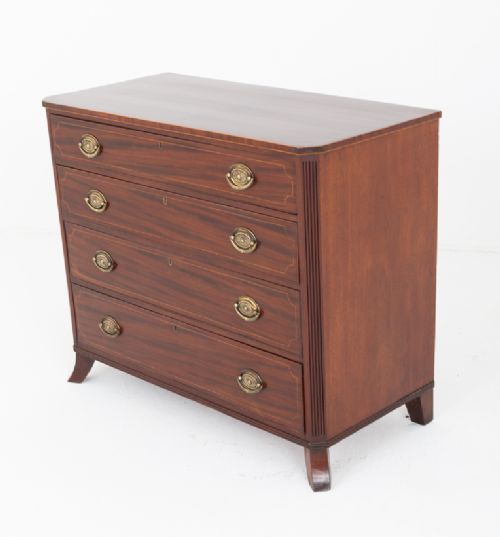
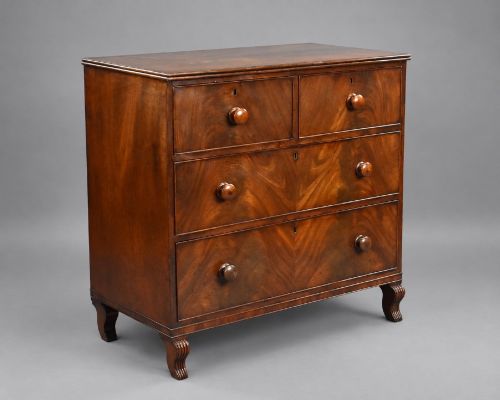
Cabinet makers utilised solid timbers such as mahogany, oak, walnut, and pine, frequently applying decorative veneers like flame mahogany or burr walnut to primary surfaces. Hardwoods provided structural integrity for heavy commercial filing cabinets, while pine served vernacular domestic furniture.
Joinery techniques involved precise drawer construction, often utilising dovetailed joints to withstand daily pulling. Brass handles, knobs, and card holders provided functional hardware that contrasted with the timber grain.
Listings feature timbers including mahogany, pine, oak, walnut, and satin walnut across the eighteenth, nineteenth, and early twentieth centuries.
Distinguishing quality
The standard of a piece depends upon timber selection, such as the use of highly figured flame mahogany or satin walnut against plain utility timber. Superior examples retain original brass hardware, unreplaced drawer linings, and crisp hand-cut dovetails.
Construction depth dictates utility, where smooth-running drawers and tight joints separate utilitarian storage from refined cabinet work. Age-related patination on waxed pine or polished mahogany indicates how well a surface has aged under use.
Luxmore's of Ilfracombe·Lamb of Manchester
The Vintage Wooden Drawer Unit Glossary
- Tambour front
- A flexible shutter door formed of narrow wooden slats running in a grooved track. This mechanism allows access to filing compartments while concealing the interior when closed.
- Apprentice piece
- A miniature version of a standard furniture form created to demonstrate a craftsman's skill to a guild. These smaller items display the exact joinery proportions of full-sized chests.
- Chemist shop fitting
- Commercial cabinetry originally designed for apothecary use, typically featuring numerous small drawers for herbs and powders. These units are prized for dense multi-drawer arrangements.
- Flame mahogany
- A timber veneer cut from the branch junction of the mahogany tree, producing a distinctive flickering flame pattern. Cabinet makers reserved this decorative grain for primary drawer fronts.
Vintage Wooden Drawer Unit: Frequently Asked Questions
How do I identify a Victorian chest?
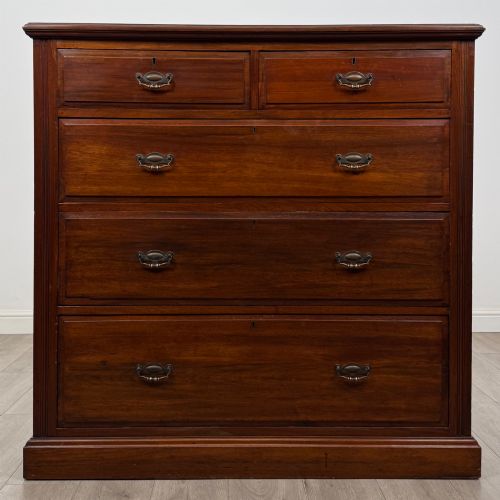
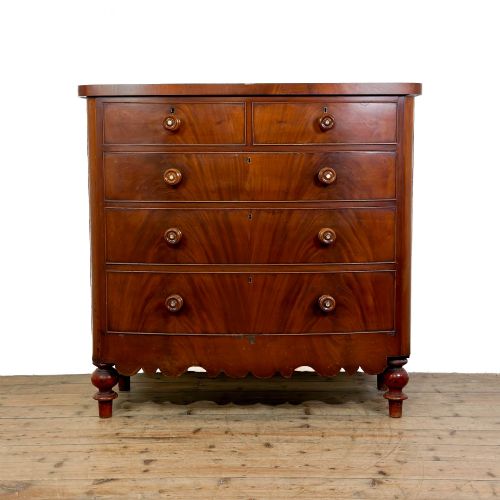
Victorian pieces often display heavier proportions, rich mahogany or walnut timbers, and turned wooden feet or plinth bases. Drawer construction typically relies on hand-cut dovetails beneath paper or plain linings.
Hardware ranges from simple wooden knobs to cast brass pulls, reflecting the domestic or utilitarian purpose of the specific unit.
Where were multi-drawer cabinets used?
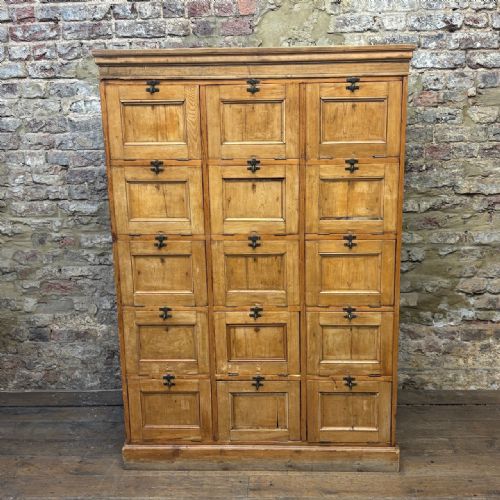
Multi-drawer banks and filing cabinets originated in commercial, industrial, and professional environments such as solicitors' offices, chemist shops, and haberdashers. They served to organise documents, hardware, or shop goods efficiently.
Today, these units transition into domestic spaces for sorting stationery, crafts, or small collections.
How should I care for waxed pine?
Waxed pine benefits from occasional applications of beeswax to nourish the timber and maintain a soft, protective sheen. Avoid placing wooden units near direct heat sources or strong sunlight to prevent the timber from splitting.
Dusting with a dry, soft cloth preserves the historic patination accumulated over decades of use.