




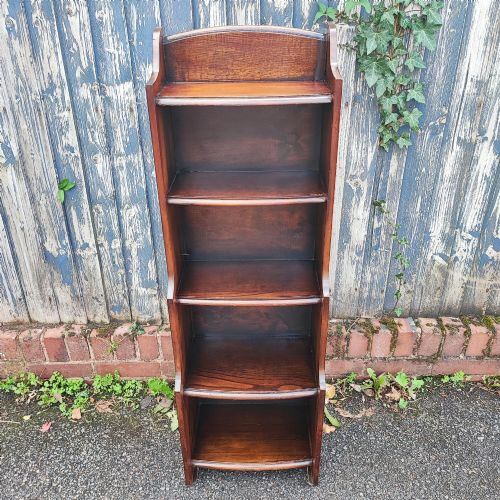
Vintage Wooden Display
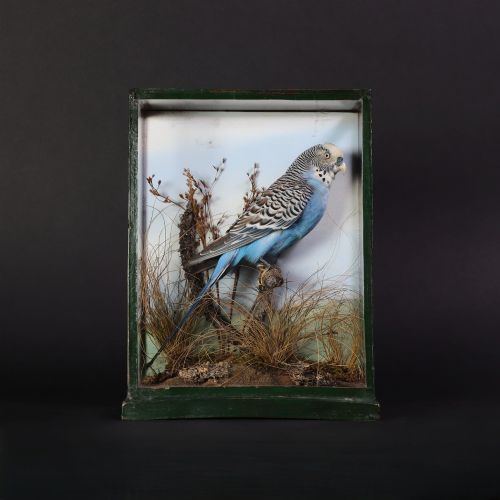
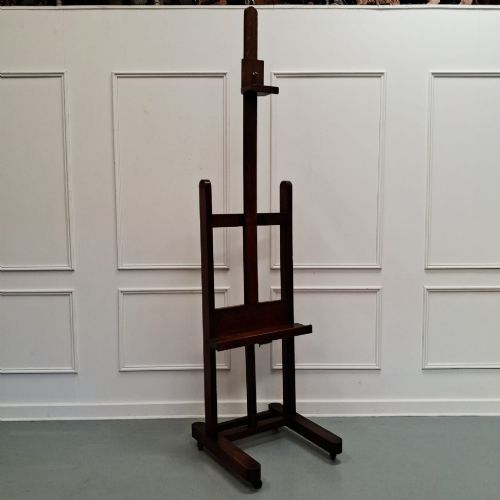
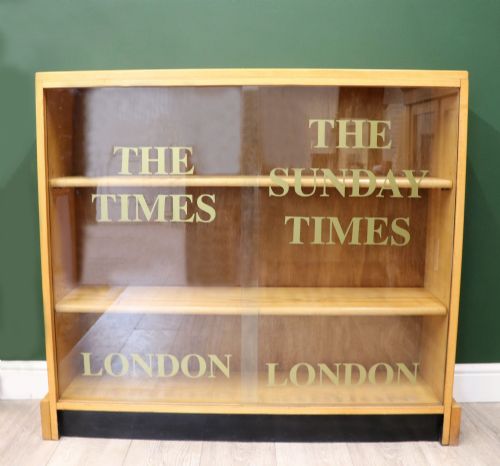
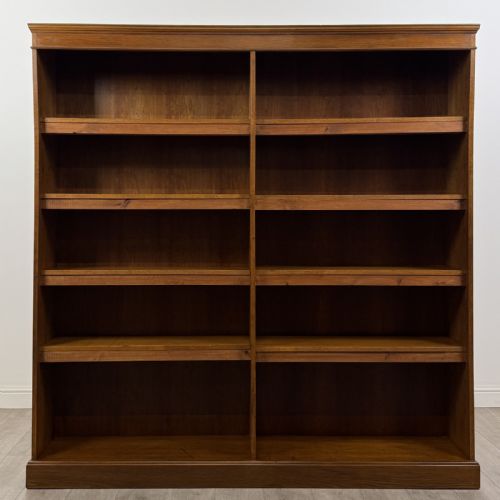
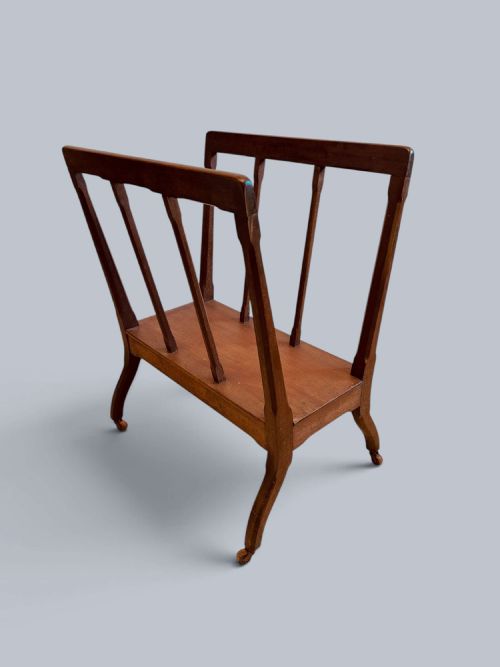
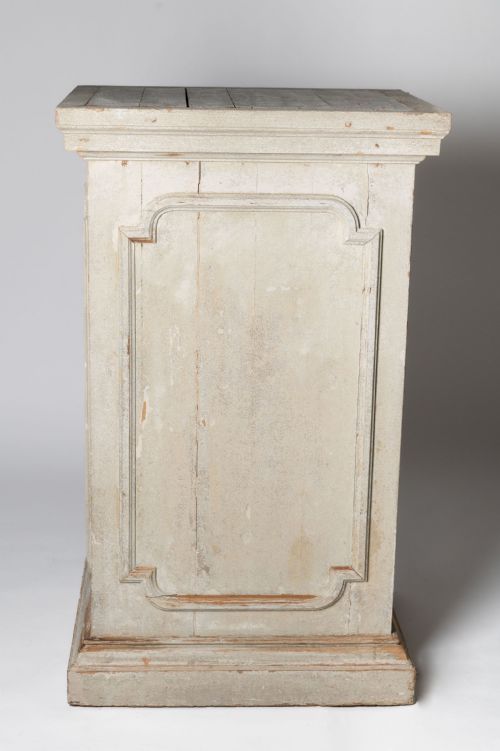
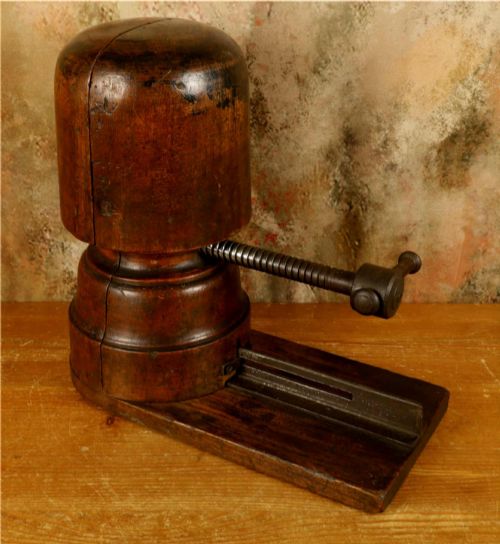
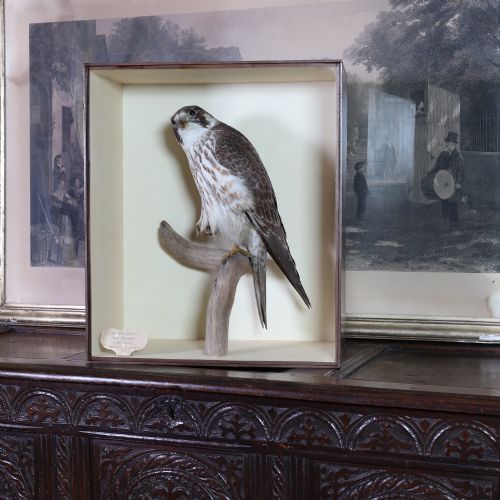
Vintage wooden display pieces encompass bookcases, cabinets, stands, and dressers shaped from oak, mahogany, and walnut across the centuries to showcase belongings.
Vintage Wooden Display
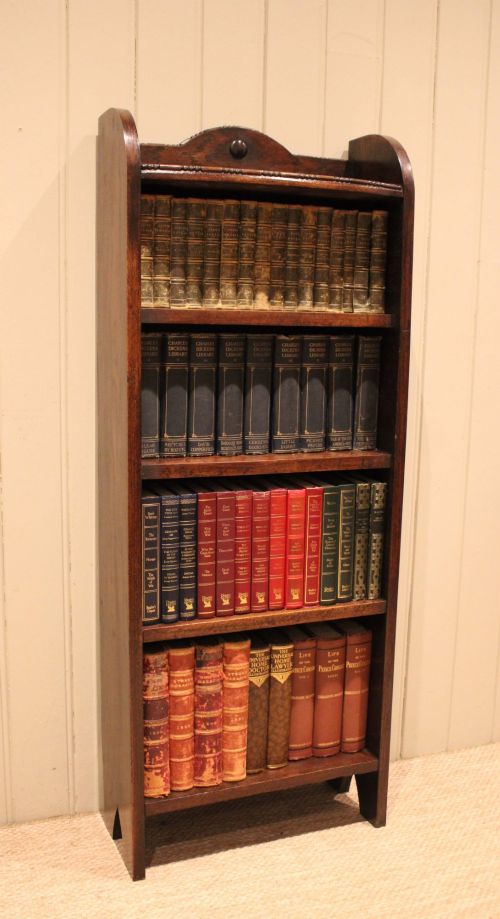
Vintage wooden display items serve primarily to hold books, ceramics, and ornaments while adding functional structure to a room. Buyers searching for a vintage wooden display frequently encounter open bookcases, glazed cabinets, and tiered plant stands.
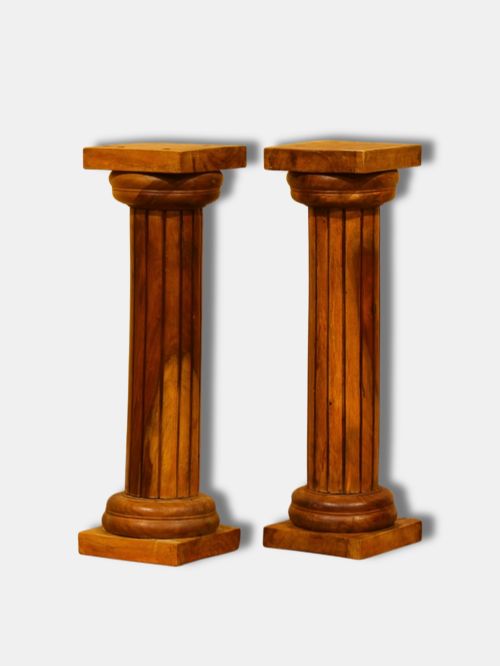
The selections span distinct historical periods including the Victorian era, the Edwardian years, and the early twentieth century. Forms range from utilitarian shop display cabinets and side tables to decorative pedestals and Welsh dressers.
Makers utilised robust timbers to construct pieces tailored for domestic interiors, commercial shops, and hotels. Styles stretch from restrained Georgian lines to elaborate Arts and Crafts movements and rustic country aesthetics.
How they were made
Cabinet makers relied heavily on dense hardwoods such as mahogany, oak, and walnut, frequently pairing them with secondary pine and contrasting satinwood or kingwood veneers. Wood was seasoned, hand carved, and assembled using traditional joinery methods to ensure structural integrity.
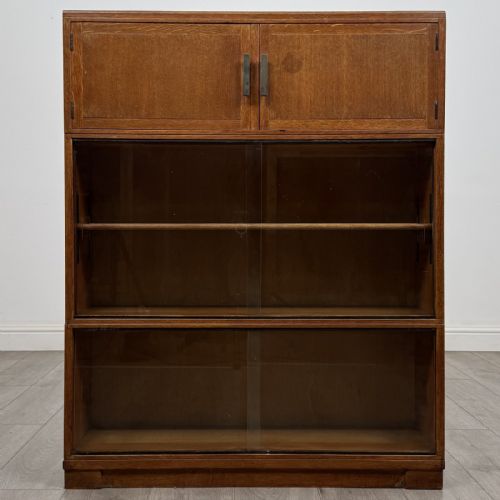
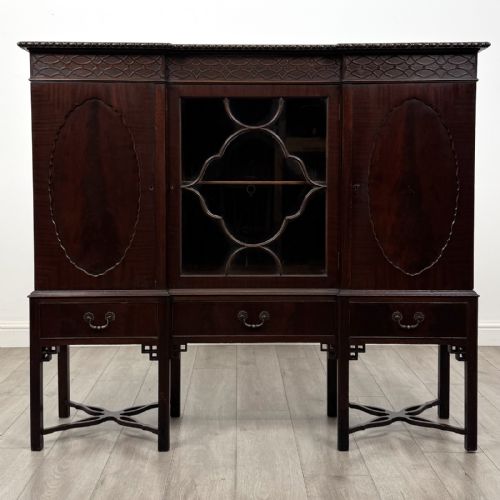
Glazing techniques incorporated sliding or hinged glass doors to protect contents from dust while maintaining visibility. Details such as raised galleries, dentil cornices, brass hardware, and pegged joints demonstrate the rigorous standards applied during construction.
Vintage Wooden Display Retail Price Guide 2026
Typical asking prices for vintage wooden display among the pieces listed under this phrase on Sellingantiques today, from the lower quarter to the upper quarter. They describe what is for sale here now, not the wider market.
Materials recorded across current items include mahogany, oak, walnut, pine, brass, and glass.
What varies in quality
The calibre of a piece rests upon the selection of timber and the precision of its joinery. Fine examples display well-figured wood grains, intact original brass fittings, and uncompromised structural joints that withstand daily use.
Decorative elements distinguish superior items from standard domestic furniture. Carved mouldings, inlaid woods, and balanced proportions reflect the maker's expertise, whereas replacement glass or crude repairs alter the integrity of the object.
Rushworth's·E Gomme
The Vintage Wooden Display Glossary
- Gallery
- A raised wooden or brass rail bordering the top of a shelf, stand, or table to prevent items from sliding off. This feature appears frequently on Edwardian and Georgian style plant stands and bookcases.
- Dentil cornice
- A ornamental moulding featuring a repeating series of rectangular blocks resembling teeth, located along the top edge of a cabinet or bookcase. It derives from classical architecture.
- Wotnot
- A multi-tiered open stand or shelving unit designed for displaying ornaments, books, or knick-knacks. These pieces gained popularity during the nineteenth century for domestic display.
- Torchere
- A tall decorative stand intended to hold a lamp or candle, though frequently repurposed for displaying urns and small sculptures. Examples in walnut and kingwood demonstrate refined turning.
- Secretaire bookcase
- A tall cabinet combining a pull-down writing desk drawer with upper shelving enclosed by doors. This form offers dual utility for storage and writing.
Vintage Wooden Display: Frequently Asked Questions
What are these display cabinets used for?
These cabinets serve to organise and exhibit collections of books, ceramics, and decorative objects within domestic spaces. Glazed doors protect delicate items from dust while keeping them visible.
Larger variations function as dressers or shop display units for commercial settings. Their internal shelving accommodates varied heights of stored items.
How do I identify an Edwardian bookcase?
Edwardian bookcases typically feature lighter timbers such as oak or inlaid mahogany, reflecting the aesthetic preferences of the early twentieth century. Common details include raised galleries and restrained decorative mouldings.
They often incorporate adjustable shelving and compact proportions suitable for smaller rooms. Their construction shows machine-assisted precision alongside traditional hand finishing.
Where should I place a plant stand?
Plant stands and pedestals suit corners or empty wall spaces where vertical height adds interest to a room. They support potted plants, urns, or sculptures without occupying excessive floor space.
Placement should consider natural light sources if displaying living plants. Tiers and lower shelves provide additional room for secondary ornaments.
How do I care for antique wood surfaces?
Antique wooden surfaces require regular dusting with a soft, dry cloth to prevent abrasive particle buildup. Avoid placing pieces near direct heat sources or strong sunlight to prevent timber warping and fading.
Applying natural beeswax periodically nourishes the grain and maintains the finish. Harsh chemical cleaners must be avoided to preserve the original patina.