
Vintage Wooden Cupboard
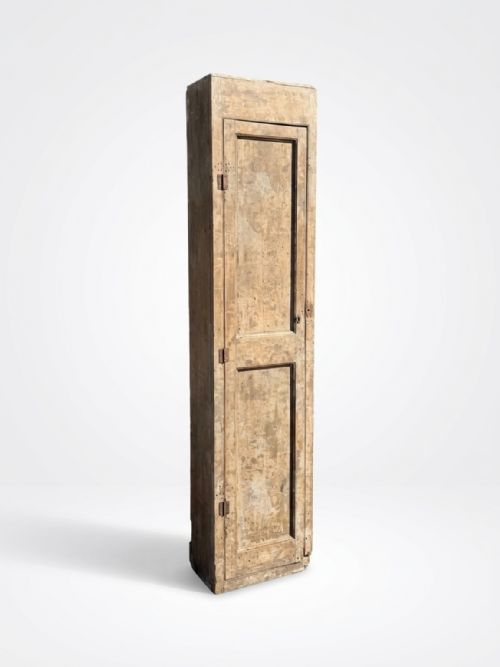
A vintage wooden cupboard brings warmth and grounded utility to a room, offering sturdy storage shaped by Edwardian, Victorian, and later hands.
Vintage Wooden Cupboard
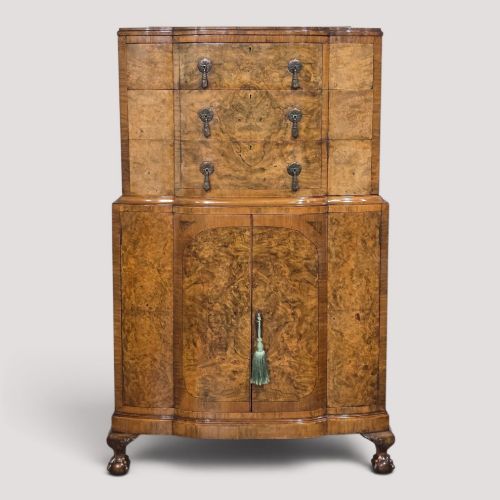
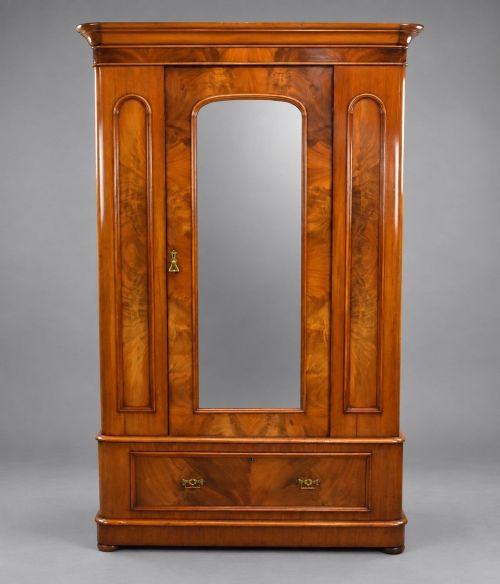
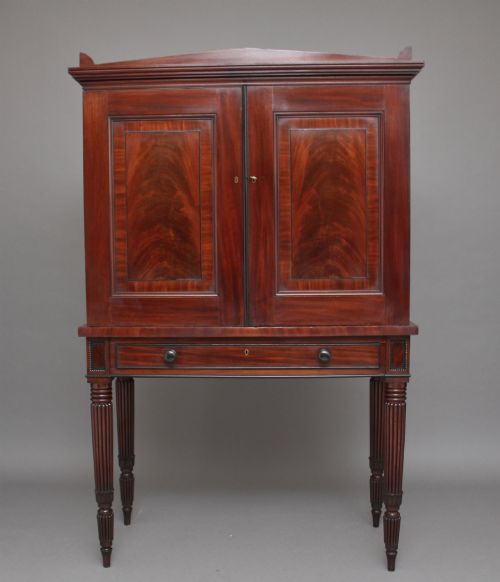
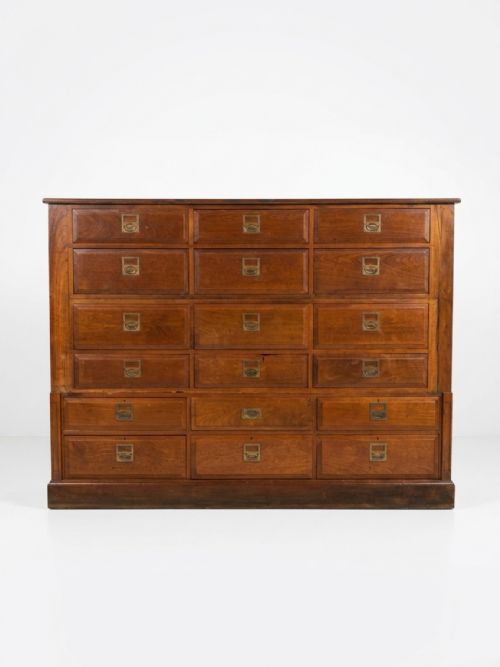
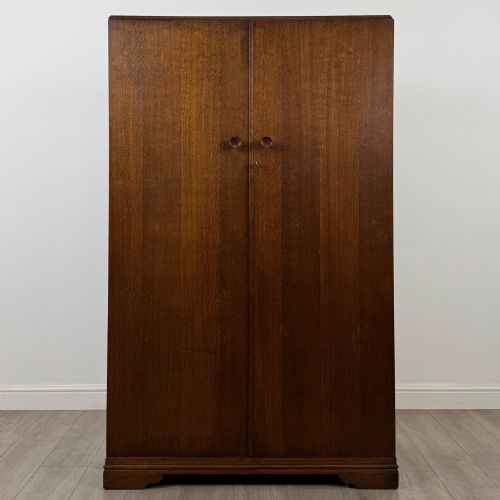
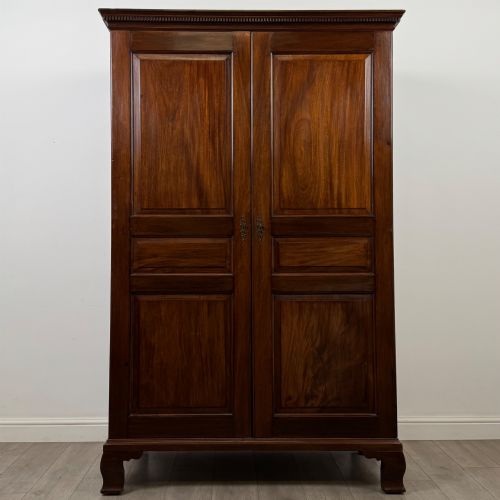
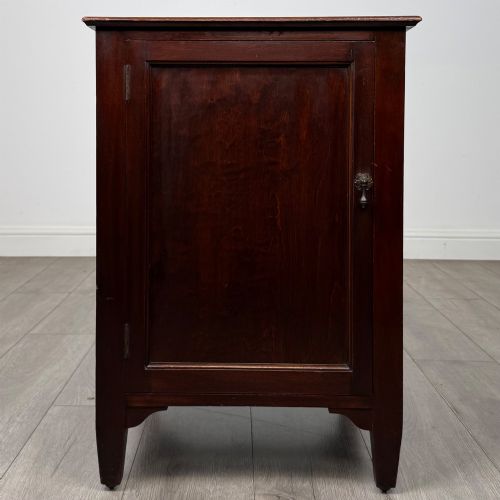
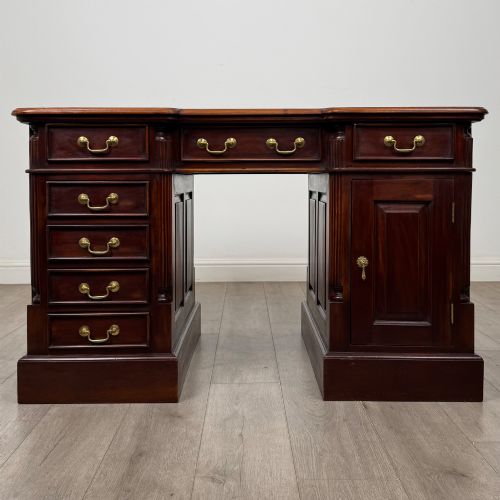
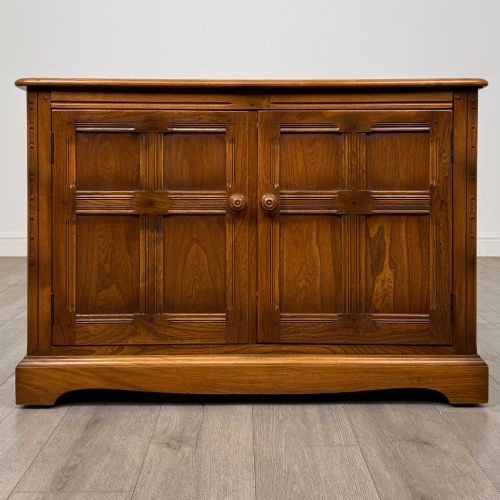
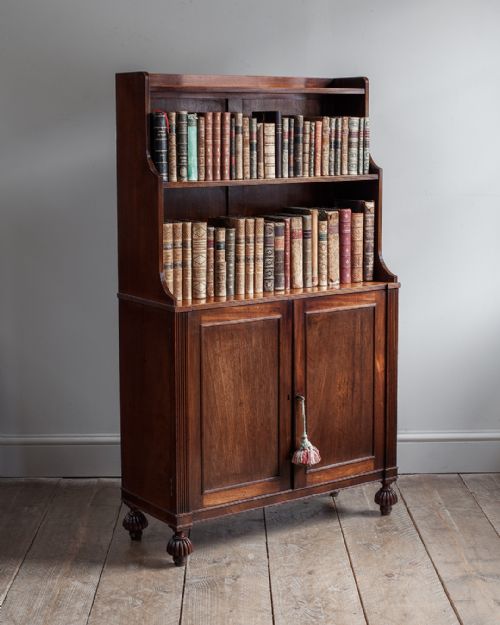
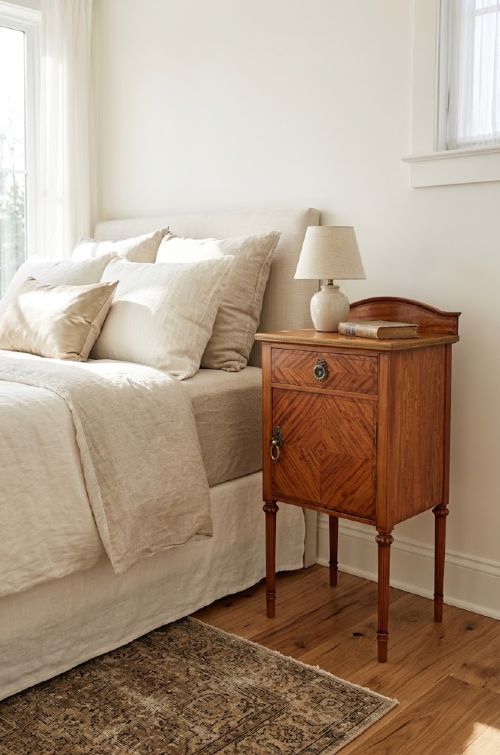
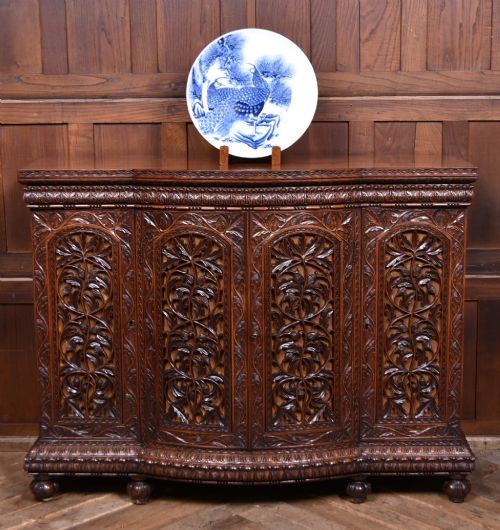
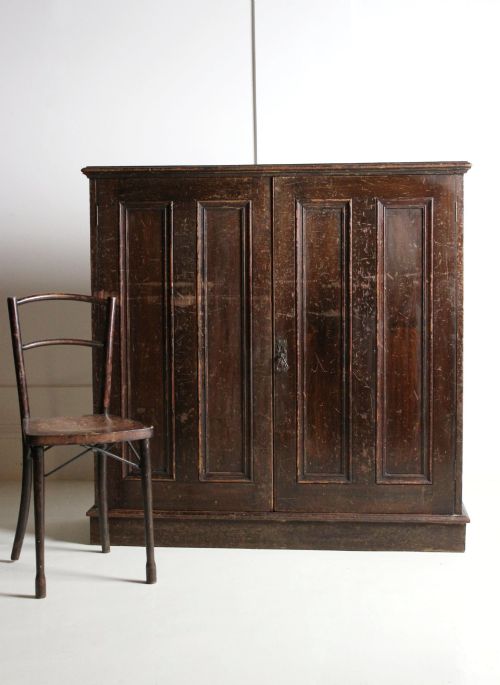
When you search for a vintage wooden cupboard, you encounter a broad array of domestic storage furniture spanning several centuries. The selection ranges from compact bedside cabinets and nightstands to tall wardrobes, sideboards, and display cabinets.
Edwardian and Victorian pieces dominate the landscape, frequently presenting fitted interiors, panelled doors, or delicate inlay work. Alongside these traditional forms, twentieth-century iterations introduce simpler lines in solid oak, pine, and mahogany.
Origins vary across English workshops, Scottish makers, and French provincial sources, reflecting diverse regional tastes in timber management and domestic architecture. Buyers select these items primarily for practical storage combined with period character.
Materials and construction methods
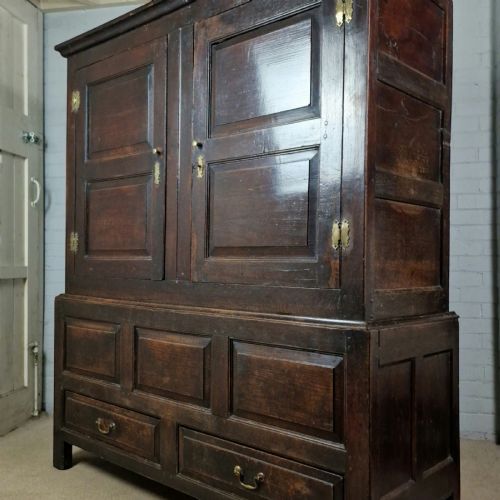
Cabinet makers relied predominantly on hardwoods such as mahogany, oak, walnut, and satinwood, frequently pairing them with structural pine or softer secondary timbers. Timber selection dictated the weight and visual grain of each piece, whether finished with a deep polish or left as painted pine.
Brass handles, iron hinges, and glass panelling feature heavily as functional and decorative hardware. Joinery techniques varied from traditional dovetailing in drawer construction to panelled door frames designed to accommodate natural wood movement over decades of use.
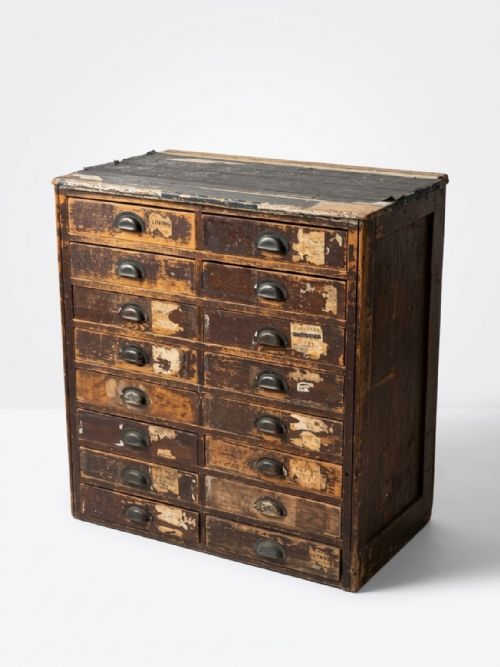
Forms range from compact bedside nightstands to fifteen-door locker cabinets and breakfront dressers.
Indicators of superior execution
Quality reveals itself in the integrity of the timber selection and the precision of the joinery rather than mere surface ornament. Fine examples display carefully matched wood grains, tight dovetail joints, and doors that hang true without sagging.
Hardware integration further separates standard production from finer work, seen in original brass fittings, working locks with matching keys, and smoothly operating drawers. The presence of secondary woods of equal grade inside hidden compartments indicates a higher standard of workshop practice.
JS Henry·Denby and Spinks·Maples and Co
The Vintage Wooden Cupboard Glossary
- Chiffonier
- A low sideboard or cabinet featuring a combination of drawers and enclosed shelving, popular during the nineteenth century. It typically includes a raised superstructure or back panel.
- Compactum
- A large, multi-functional wardrobe or storage unit designed to maximise internal capacity through a combination of hanging space, shelves, and linen drawers. These pieces often incorporate mirrored doors.
- Demilune
- A half-moon shape utilised in the design of sideboards and small cabinets to soften room angles. This profile frequently incorporates decorative wood inlay.
- Breakfront
- A piece of furniture featuring a central section that projects forward from the flanking wings. This architectural arrangement creates depth and visual rhythm across large sideboards and bookcases.
- Vitrine
- A glass-fronted cabinet or display case designed for showcasing porcelain, books, or curated collections. The frame is often glazed on multiple sides to maximise interior light.
Vintage Wooden Cupboard: Frequently Asked Questions
How do I distinguish Edwardian from Victorian cupboards?
Victorian pieces tend to use darker, heavier timbers like burr walnut and dense mahogany, often featuring rich carvings and robust proportions. Edwardian cupboards frequently display lighter woods, satinwood banding, and Sheraton Revival influences.
Hardware and inlay methods also help differentiate the eras, with Edwardian design leaning towards more delicate neoclassical motifs and slender framing.
What is the best way to care for antique wood?
Keep wooden furniture away from direct sunlight and strong heat sources to prevent the timber from drying out and splitting. Apply natural beeswax periodically to nourish the grain and maintain a protective finish.
Avoid using silicone-based sprays, as they build up residue over time and dull the original patina of the polish.
Are these cupboards suitable for modern bedrooms?
Many vintage cupboards offer generous internal depth that accommodates contemporary folded clothing and modern storage needs. Compact bedside versions and low cabinets fit easily beside standard contemporary bed heights.
Their varied timber tones also provide a grounding contrast against neutral modern interior walls.
How do I identify solid wood versus veneered furniture?
Examine the grain patterns on edges and corners to see if they wrap around continuously or end abruptly at joints. Solid timber shows natural end-grain patterns, whereas veneered surfaces often reveal thin slice lines or identical repeats in the grain figure.
Both methods indicate quality construction when executed correctly during the nineteenth and early twentieth centuries.