




Vintage Wooden Boat Painting
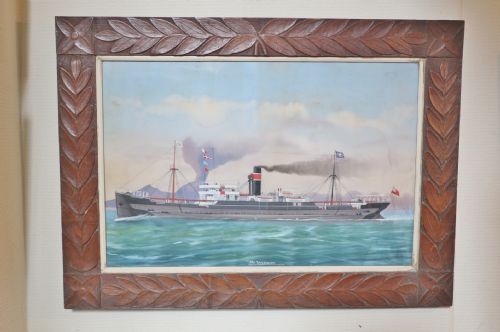
A vintage wooden boat painting captures the enduring draw of maritime life through oil paint, canvas and panel.
Vintage Wooden Boat Painting
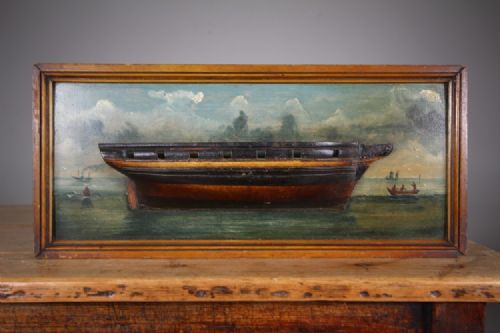
A vintage wooden boat painting gathers together oil paintings, watercolours and framed artworks depicting vessels and coastal scenes. The selection spans the nineteenth century through the mid twentieth century, featuring styles from post-impressionism to maritime folk art.
Buyers encounter depictions ranging from Cornish harbours and French seascapes to WWI era steamships and quiet river views. Many works arrive framed in period wood or glazed timber moulding, preserving the original character of the piece.
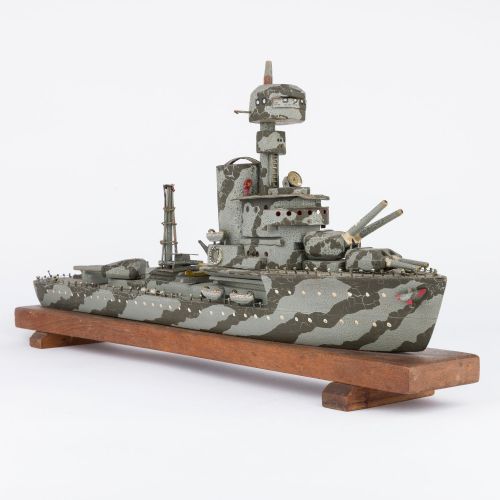
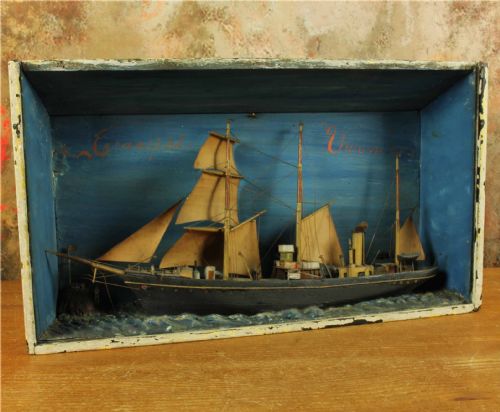
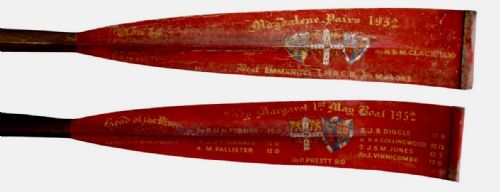
Alongside flat canvases and panels, the broader category touches upon related maritime objects such as painted storage chests and signage. These pieces reflect the visual culture of coastal life and sailing traditions across Britain and Europe.
Materials and construction
Artists relied primarily on oil paint and watercolour applied to stretched canvas, wooden panels or paper supports. Timber frames, often finished with paint or gilt, protect and house the artworks.
The physical support of the painting frequently involves prepared wood or timber panels, mirroring the maritime subject matter. Paint layers range in thickness from thin watercolour washes to heavy impasto oils characteristic of impressionist techniques.
Some maritime scenes come housed in frames seasoned by actual sea salt.
Judging quality in maritime art
Quality rests in the surety of the brushwork and the artist's command of light, atmosphere and water movement. Stronger examples demonstrate careful handling of perspective and maritime architecture rather than mechanical repetition.
The integrity of the original frame and surface stability also distinguish superior examples. Works retaining their initial painted wooden surrounds or untouched canvas surfaces hold greater authenticity.
Edward Matthew Elliott·Raymond Picque·William Lee Hankey·Emile A Gruppe
The Vintage Wooden Boat Painting Glossary
- Oil paint
- Pigment suspended in a drying oil, usually linseed, allowing for rich colour depth and varied texture. It forms a durable surface that darkens minimally over time.
- Post-Impressionism
- An art movement extending beyond impressionism to emphasise symbolic content, heavy brushwork and vivid colours. Painters in this style focus on structural forms rather than optical realism.
- Maritime folk art
- Self-taught or vernacular artistic production celebrating ships, sailors and coastal life. These items prioritize direct expression and functional utility over academic convention.
- Panel painting
- A painting executed on a flat piece of wood rather than stretched canvas. This rigid support provides a stable ground for detailed brushwork.
Vintage Wooden Boat Painting: Frequently Asked Questions
How do I date a maritime painting?
Dating relies on stylistic markers, costume details, the vessel types shown and framing materials. Signatures and biographical dates of the artist offer the most precise chronological anchors.
Physical examination of the canvas weave, stretcher bars and backing boards provides further confirmation of the period.
Where should I hang a wooden framed painting?
Choose interior walls away from direct sunlight and excessive moisture to protect both the paint surface and the wooden frame. Stable room temperatures prevent the wood from warping and the canvas from slackening.
Ensure the wall fixings are robust enough to support the combined weight of the painting and its timber surround.
What is the difference between canvas and panel works?
Canvas paintings are created on woven fabric stretched over a wooden frame, offering slight give and a textured surface. Panel paintings use solid wood boards as a rigid foundation.
Panels often survive in stable physical condition due to the lack of fabric tension, while canvases require careful handling to avoid punctures.
How do I clean an antique oil painting?
Dust surfaces gently with a soft, dry brush without applying pressure to the pigment layer. Avoid using water, household cleaners or chemical solvents on the paint.
Professional conservators should handle deeper cleaning or the removal of discoloured varnish to prevent permanent damage to the artwork.