



Vintage Wood Tea Table
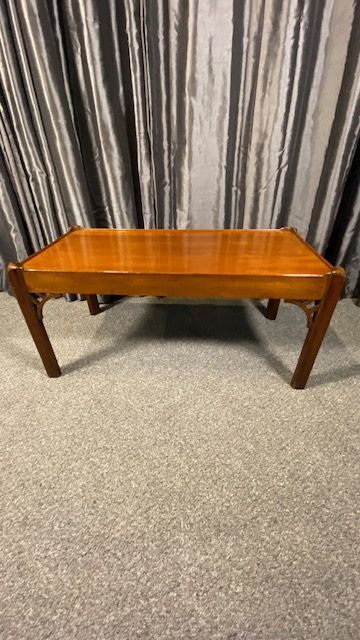
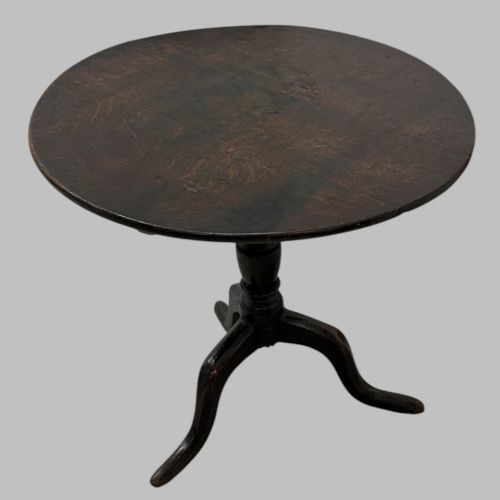
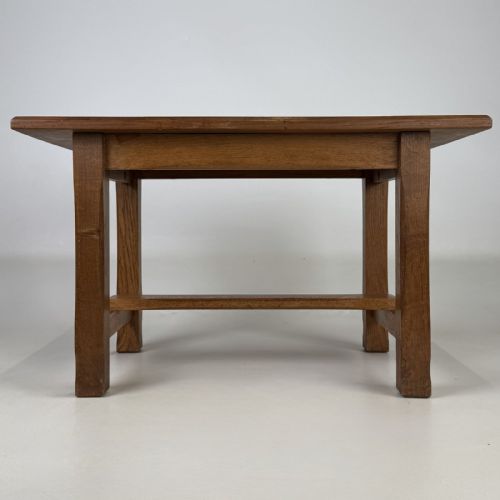
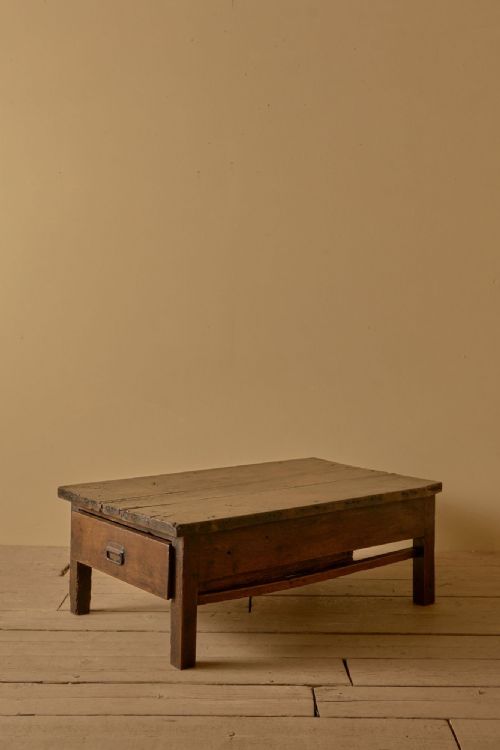
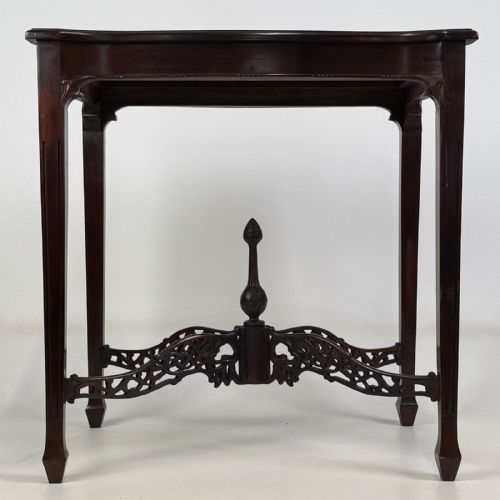
A vintage wood tea table brings a practical low surface and rich grain into a room, spanning Edwardian, Victorian, and earlier periods.
Vintage Wood Tea Table
When you search for a vintage wood tea table, you encounter a wide selection of low surfaces, occasional pieces, nests of tables, and butler trays designed for daily use. These items serve multiple purposes in modern rooms, functioning easily as coffee tables, lamp tables, or side tables beside seating.
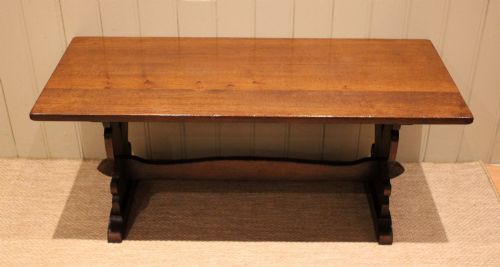
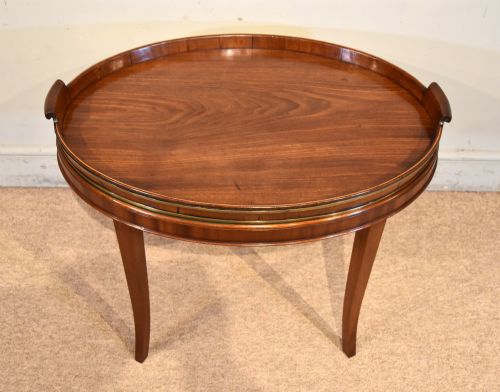
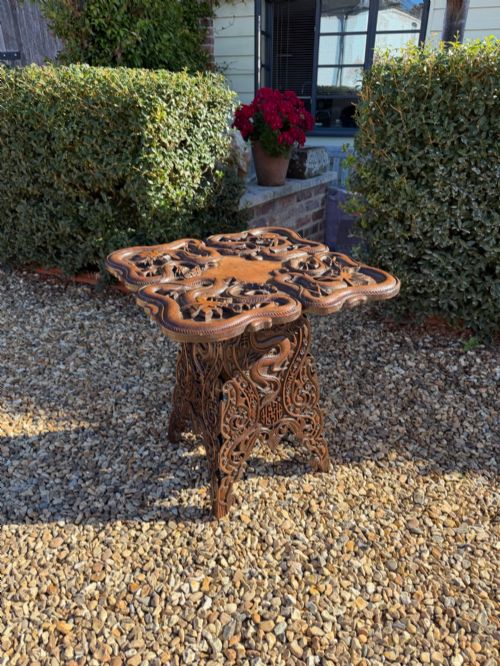
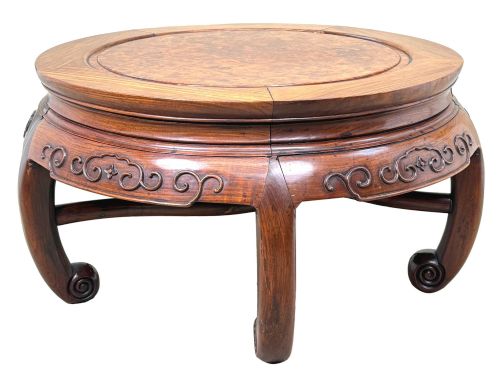
The pieces listed on this page originate from diverse eras and design traditions, including Edwardian and Victorian periods, alongside Anglo-Indian, Chinese Export, and Georgian styles. Mahogany, oak, and walnut appear frequently, often shaped as circular, oval, or rectangular low tables.
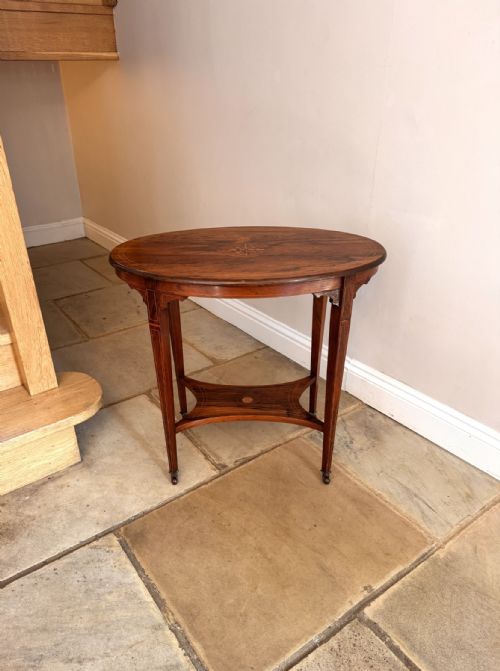
Edwardian mahogany examples and 19th-century hardwood forms dominate the selection, bringing warmth and character to domestic spaces through turned legs, carved stretchers, and occasional inlay.
How these tables were constructed
Cabinet makers utilised a variety of solid timbers and veneers, relying primarily on mahogany, walnut, oak, and rosewood to build durable frames. Surfaces frequently display figured grain patterns or contrasting satinwood inlay, while specialised pieces incorporate brass, marble, or bone details.
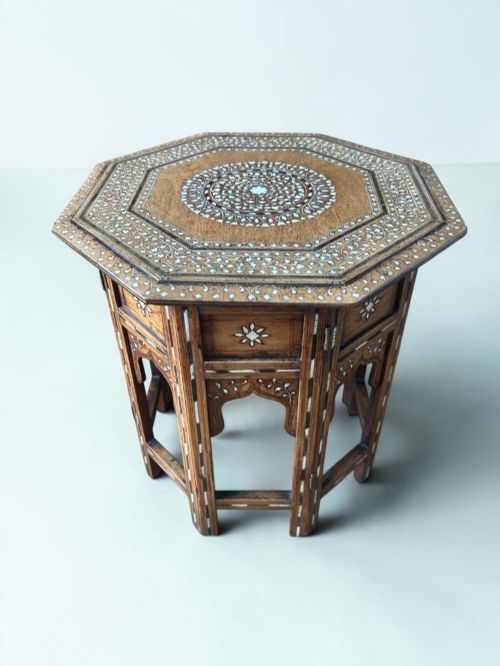
Joinery techniques ranged from traditional turned legs and barley twist supports to tilt mechanisms, carved stretchers, and fitted nest frames. Workshops in Britain, France, Italy, and Asia applied distinct carving and inlay methods, such as Kashmiri walnut work and Hoshiarpur bone or wood marquetry.
Vintage Wood Tea Table Retail Price Guide 2026
Typical asking prices for vintage wood tea table among the pieces listed under this phrase on Sellingantiques today, from the lower quarter to the upper quarter. They describe what is for sale here now, not the wider market.
Formats span coffee tables, side tables, nests of tables, and removable butler tray stands.
What separates the finest examples
Quality rests in the selection of timber, where tightly figured mahogany, burr walnut, or solid rosewood elevate a piece far above standard utility items. The crispness of hand-carved details, such as claw and ball feet or floral stretchers, demonstrates the skill of the original maker.
Structural integrity and refined proportions define the upper tier of tables, ensuring that nests slide smoothly, tray tops fit securely onto stands, and inlaid surfaces remain flush and stable over generations of daily service.
The Vintage Wood Tea Table Glossary
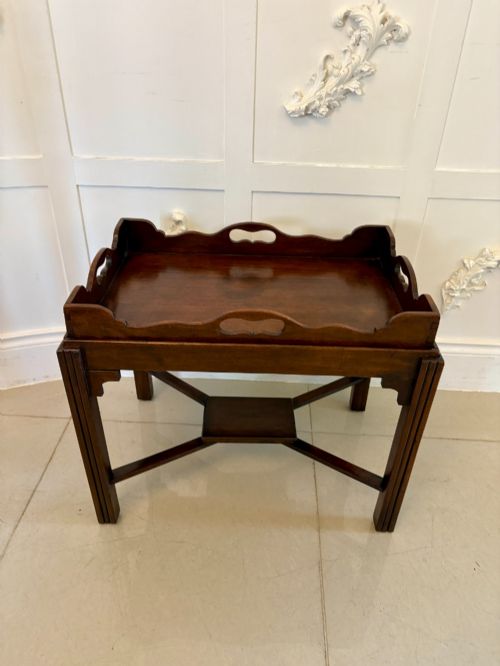
- Butlers Tray
- A removable wooden tray with hinged or shaped sides, designed to sit upon a folding wooden stand. It allowed servants to transport tea or drinks easily between rooms.
- Nest of Tables
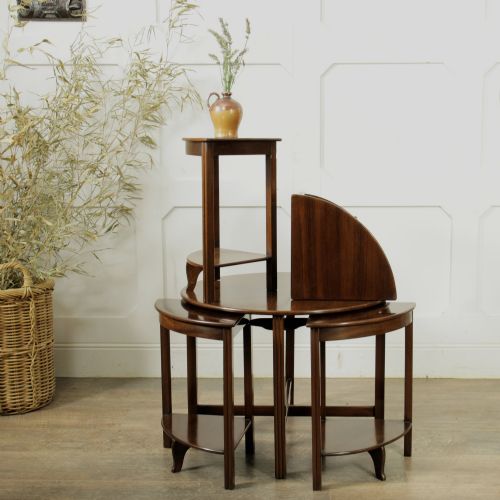
- A set of graduated tables designed to fit neatly one beneath another when not in use. They became particularly popular during the Edwardian period for entertaining.
- Tilt Top Table
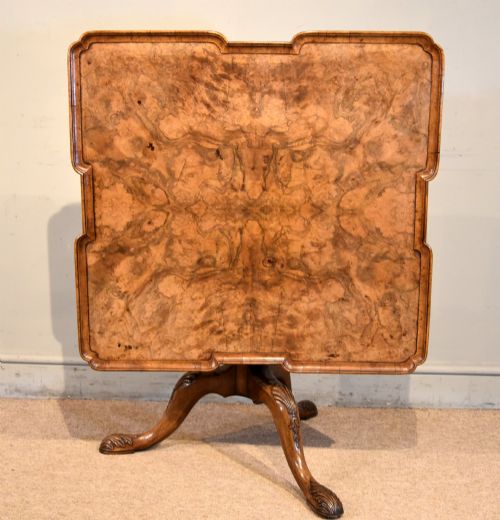
- A table featuring a mechanism that allows the top to pivot into a vertical position. This clever design enabled the piece to be stored flat against a wall when floor space was required.
- Stretcher
- A horizontal support connecting the legs of a table to increase stability. In better pieces, these stretchers often feature elaborate turning or hand carving.
- Occasional Table
- A small, versatile table intended for light, intermittent use in a principal room. They appear in numerous shapes, including circular, oval, and rectangular formats.
Vintage Wood Tea Table: Frequently Asked Questions
How do I use a tea table today?
A vintage wood tea table adapts easily to contemporary interiors as a low coffee table, a lamp table beside a sofa, or a bedside surface. Their modest proportions make them simple to move around a room as needed.
Many styles, such as nesting tables or tray tables, offer flexible surface space that can be expanded or tucked away depending on the occasion.
How do I distinguish Edwardian from Victorian tables?
Victorian tables generally display heavier proportions, darker finishes, and robust timber construction reflecting mid-to-late nineteenth-century tastes. Carvings tend to be deep and substantial.
Edwardian pieces often appear lighter and more delicate, frequently incorporating satinwood inlay, painted floral decoration, and slender tapering legs influenced by earlier Georgian revivals.
Are these tables sturdy enough for daily use?
Most antique wood tables were built from solid hardwoods like mahogany, oak, and walnut, designed specifically to withstand generations of domestic service. Their robust construction handles everyday items easily.
Routine care, such as using coasters and avoiding excessive moisture, keeps the timber finish stable and sound during daily use in a modern home.
What is an Anglo-Indian or export table?
Export and Anglo-Indian tables represent pieces made in regions like India, China, or Japan for European markets during the nineteenth and early twentieth centuries. They combine local timbers like rosewood or camphor with traditional regional carving.
These items often feature intricate brass inlay, carved elephants, or folding bases, bringing a distinct decorative quality that contrasts with standard British cabinetmaking.