


Vintage Wood Statues
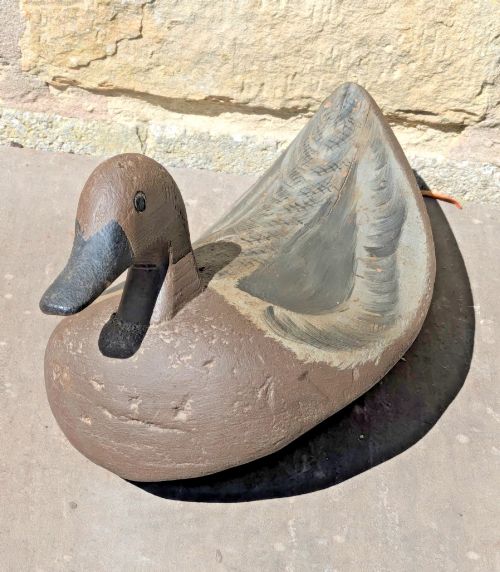
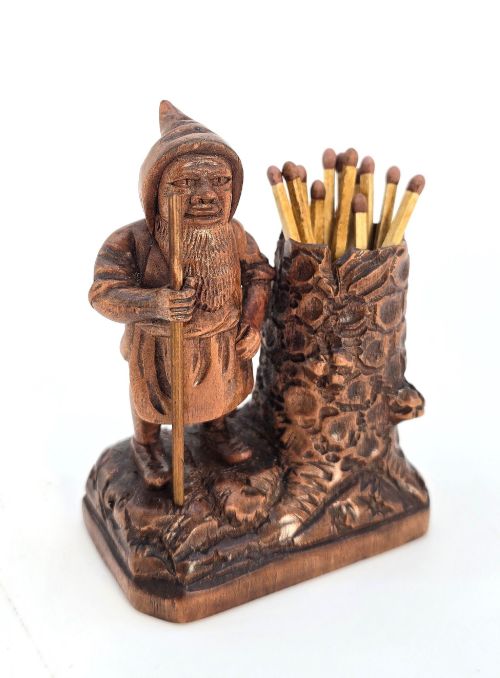
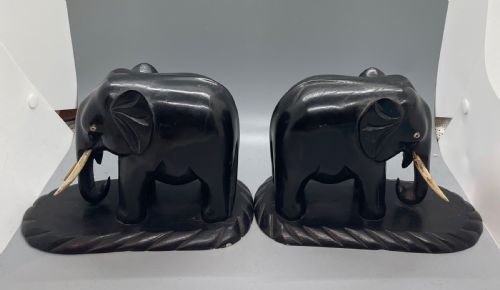
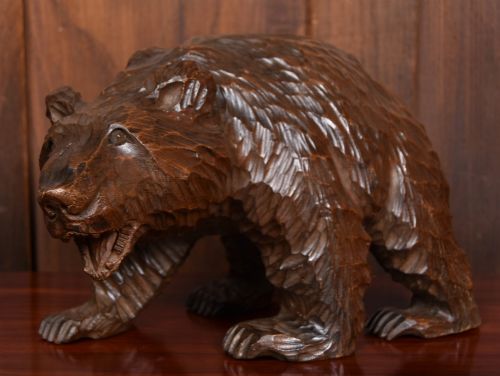
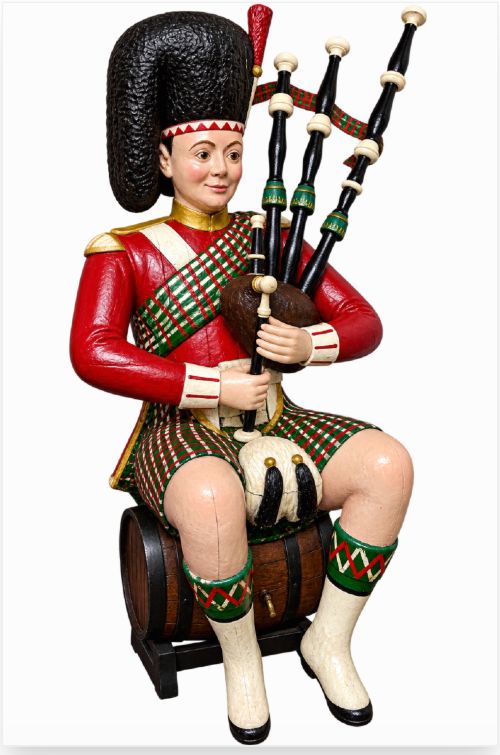
These vintage wood statues bring character to a room through carved animal figures, human subjects, and regional folk art.
Vintage Wood Statues
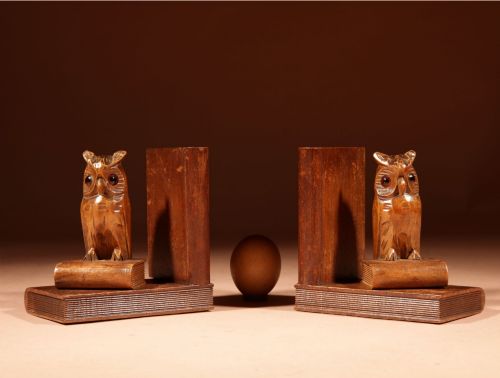
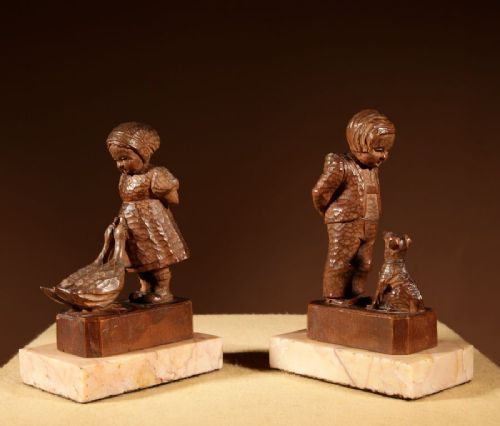
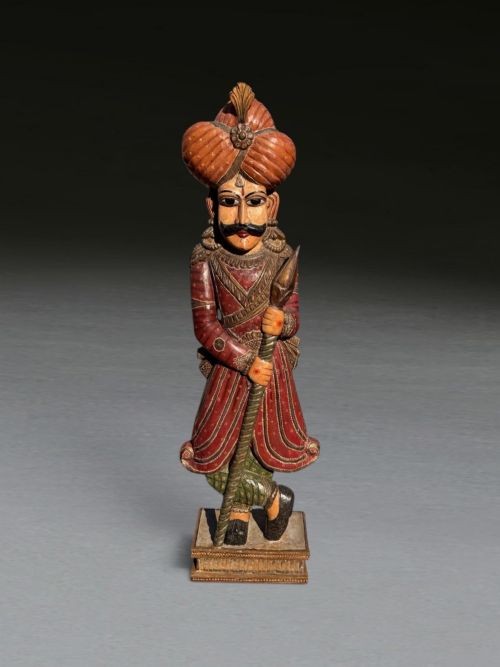
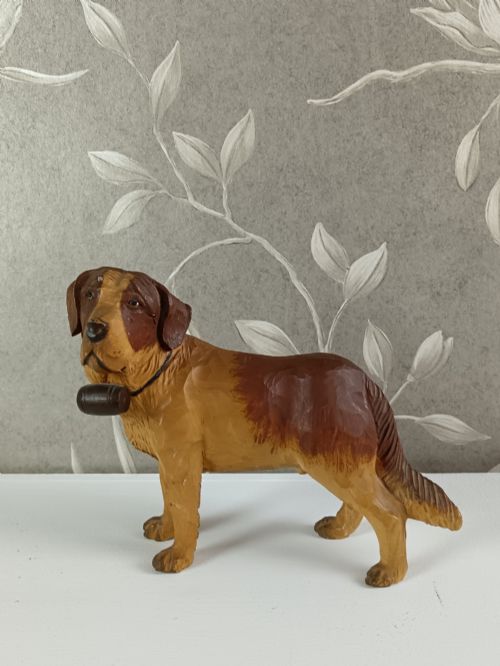
When you search for vintage wood statues, you find sculptural carved objects spanning several decades from the nineteenth century into the mid-twentieth century. These pieces encompass animal studies, guardian figures, human subjects, and decorative bookends shaped by carvers across Europe, Asia, and other global regions.
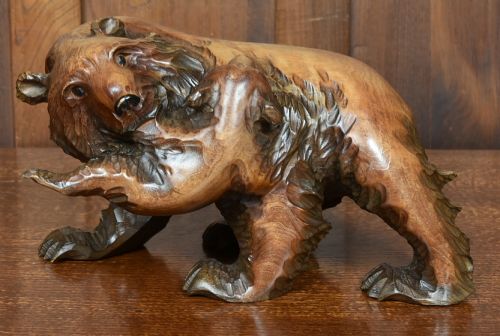
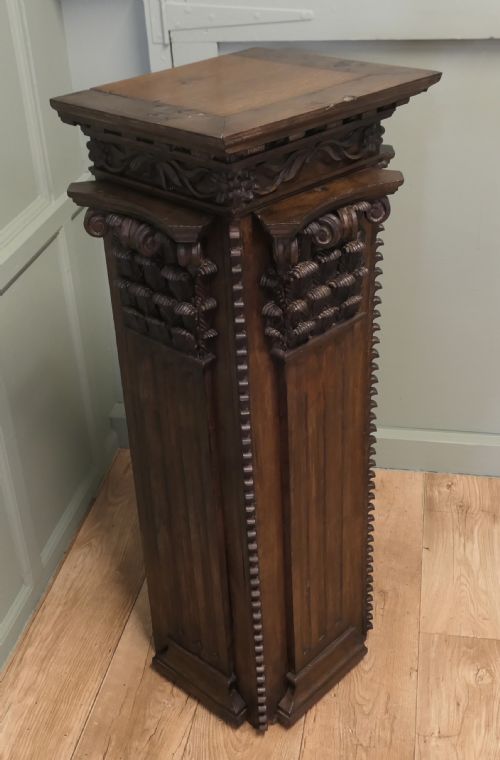
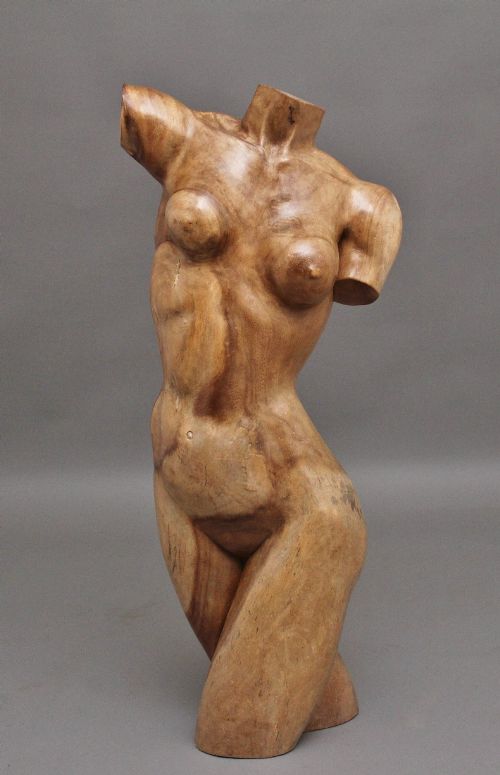
You are most likely to meet Black Forest animal carvings, Japanese folk art bears, and European or Asian human figures on this page. The forms range from small tabletop ornaments and bookends to life-size female torsos, display pedestals, and trade figures.
The materials and origins reflect distinct regional workshops, utilising local timber species and traditional hand-carving methods. Each piece records the hand of the maker through tool marks and surface finishes.
How they were made
Carvers shaped these statues from various timbers including hardwood, oak, cedar, limewood, and linden wood using gouges and chisels. The natural grain of the wood often informs the texture of an animal coat, human drapery, or facial expression.
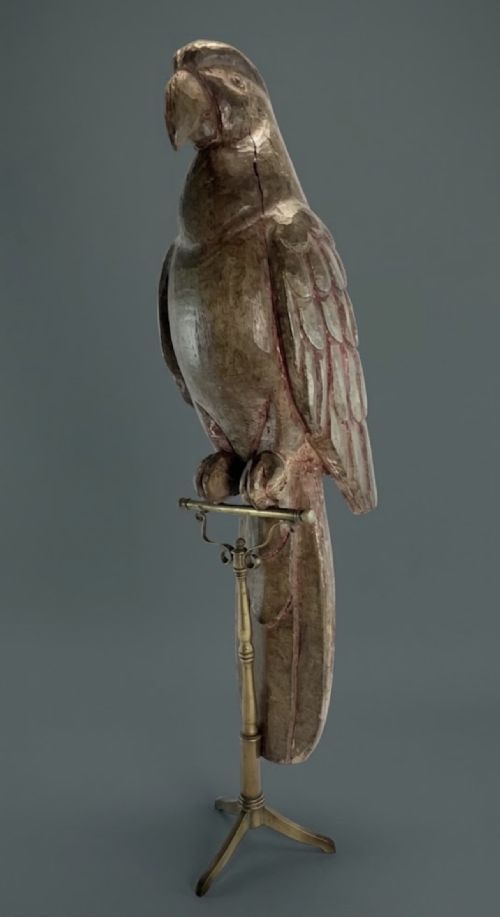
Many sculptures incorporate additional finishes such as paint, lacquer, or glass eyes to enhance realism and detail. Structural elements occasionally combine wood with brass stands or metal fittings.
Surfaces show varying levels of intervention, from raw carved timber with waxed patination to brightly painted folk art decoration and detailed incised carving.
What varies in quality
The standard of carving distinguishes exceptional pieces from ordinary work, evident in the anatomical accuracy of animals, the expressive detail of human faces, and the depth of relief. Superior examples display confident handling of the material where hair, muscle, or fabric folds appear convincing rather than stiff.
Proportion and stance dictate the visual balance of a sculpture, separating harmonious compositions from awkward postures. Strong design gives a static carved object a sense of weight and presence in a room.
WMF·Sier Kunst
The Vintage Wood Statues Glossary
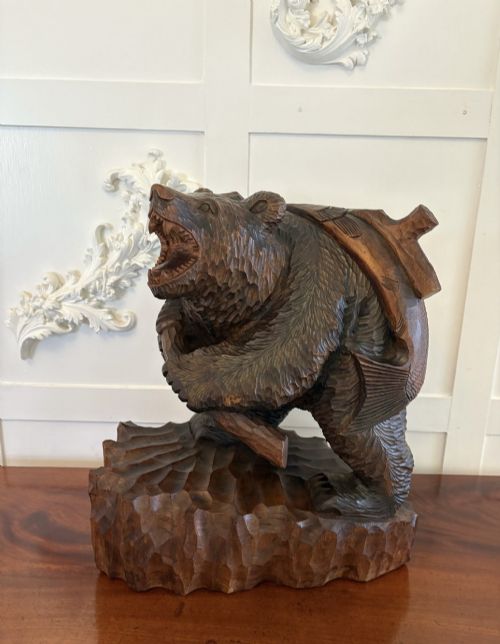
- Black Forest
- A style of wood carving originating from the mountain region of central Europe, famous for realistic animal studies, particularly bears, owls, and forest creatures.
- Folk art
- Utilitarian or decorative objects created by self-taught or traditional craftsmen, often characterised by naive charm and direct interpretation of subjects.
- Limewood
- A pale, fine-grained timber favoured by carvers because it cuts cleanly in any direction without splintering, allowing for intricate detail.
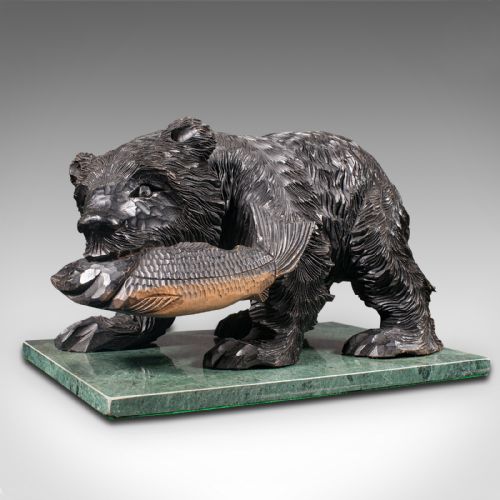
- Kibori Kuma
- Japanese wooden carved bears produced as folk art, often depicted carrying fish or in natural poses.
- Pedestal
- A structural support or column used to elevate a statue, bust, or decorative object.
Vintage Wood Statues: Frequently Asked Questions
How do I identify Black Forest carvings?
Black Forest carvings are typically rendered in limewood or walnut and depict forest animals with lifelike expressions, often functioning as practical items like bookends or tobacco holders.
These pieces originate from European mountain workshops active during the nineteenth and early twentieth centuries.
Where should I place a wooden statue?
These sculptures suit tabletops, bookshelves, or dedicated display pedestals where adequate lighting highlights the carved grain and surface texture.
Keep wooden statues away from direct heat sources and strong sunlight to prevent timber movement or fading.
How do I care for antique wood?
Dust the carvings gently with a dry, soft cloth and avoid using liquid polishes or chemical cleaners that can damage old wax or painted surfaces.
Maintaining a stable room humidity prevents the timber from drying out or cracking over time.
What is folk art wood sculpture?
Folk art sculpture encompasses handmade objects created outside the formal academic tradition, showing direct personal expression and traditional regional techniques.
These figures often feature naive proportions, hand-painted details, and charmingly rustic construction methods.