

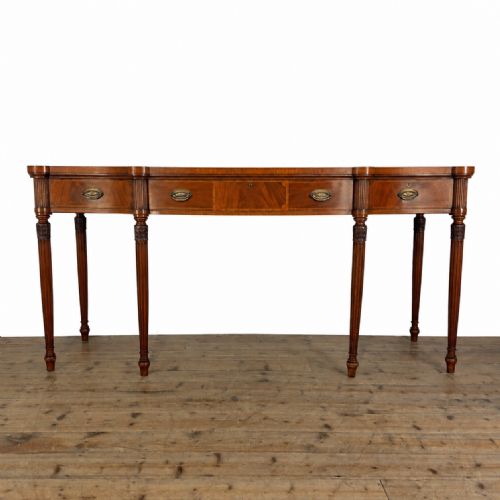
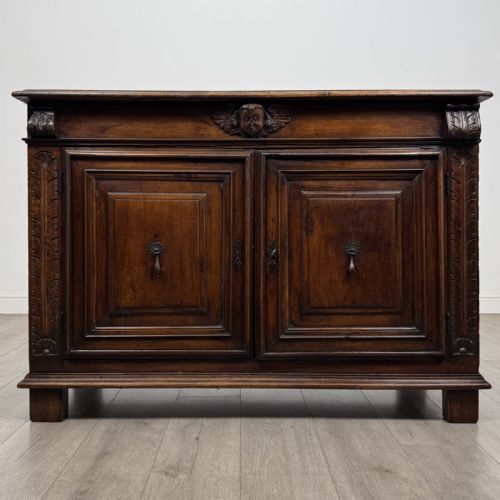
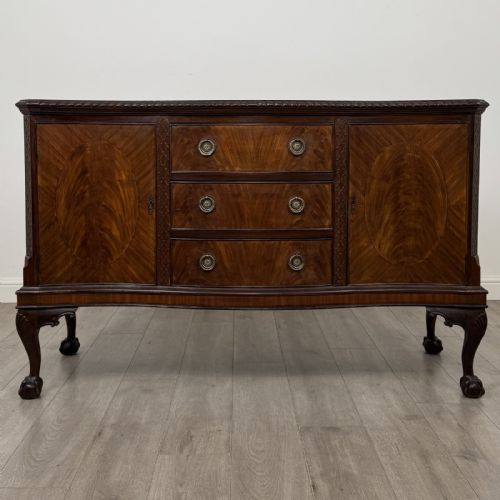
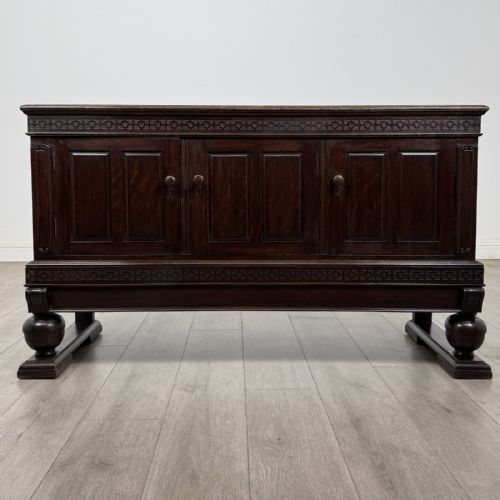
Vintage Wood Server
A vintage wood server brings honest craft and practical surface space into a room, spanning periods from the eighteenth century through to art deco designs.
Vintage Wood Server
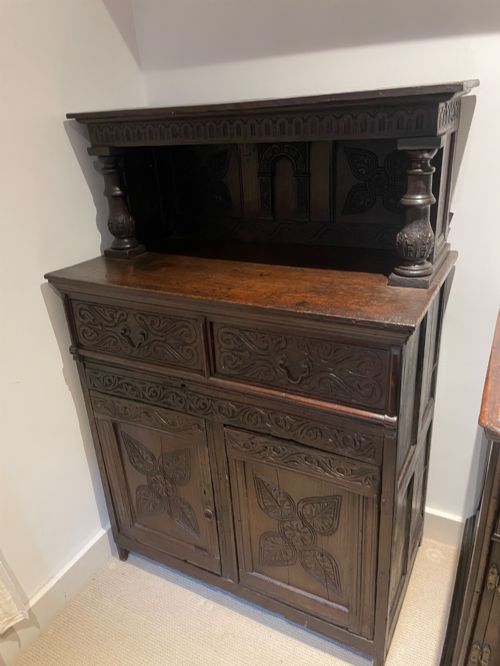
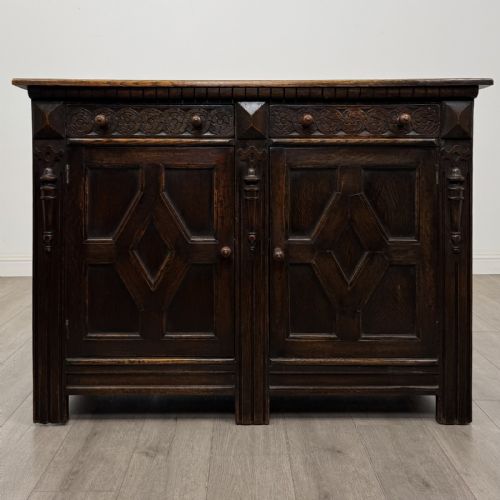
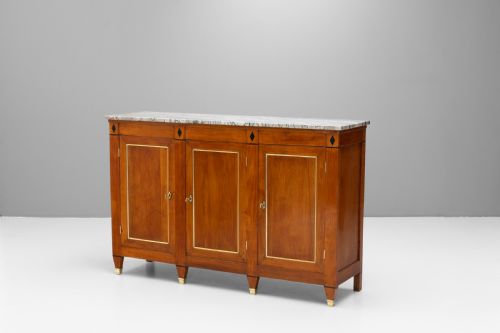
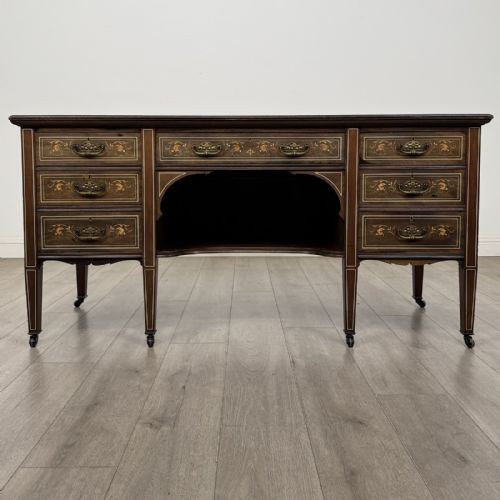
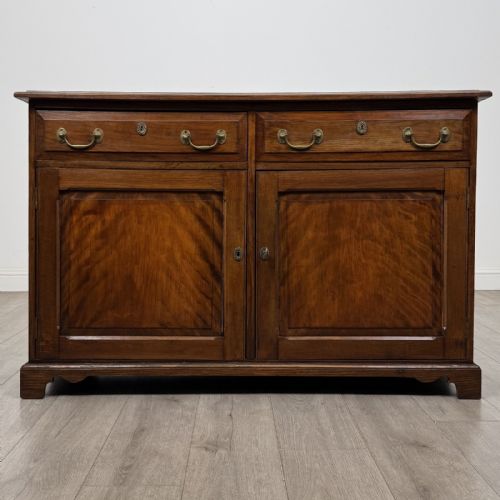
When you search for a vintage wood server, you are looking at heavy dining furniture and smaller serving surfaces built to hold food, silver, and linen. These pieces range from substantial oak cupboards and mahogany sideboards to neat console tables and burr walnut servers.
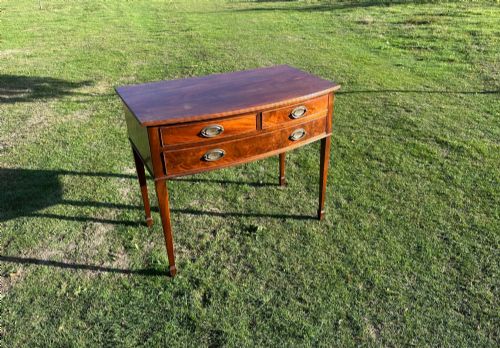
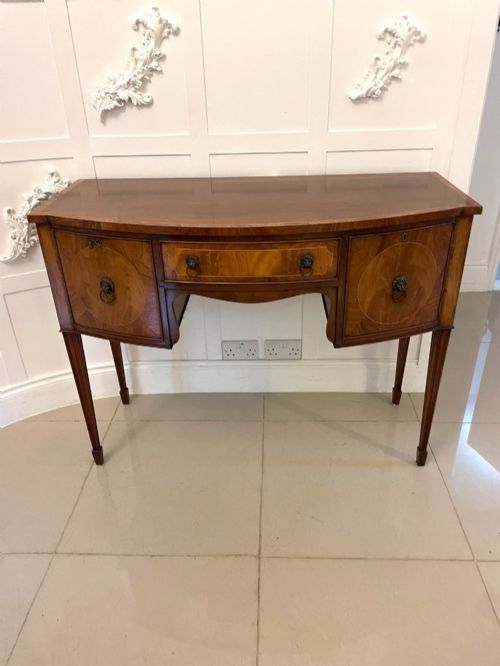
The selections on this page draw heavily from Edwardian and 1930s workshops, alongside Victorian, Georgian, and eighteenth-century examples. You will frequently encounter mahogany bow fronts, oak dresser bases, and walnut console tables equipped with drawers or cupboards.
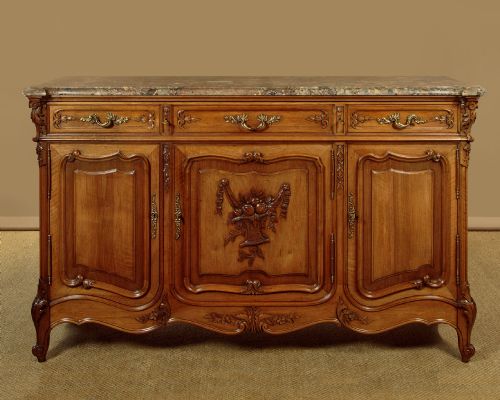
Forms vary from narrow hall tables and side cabinets to grand mirror-back sideboards and French drapers tables. Each variant serves a distinct domestic purpose, whether functioning as a sideboard in a dining room or a slim console in a hallway.
Materials and construction methods
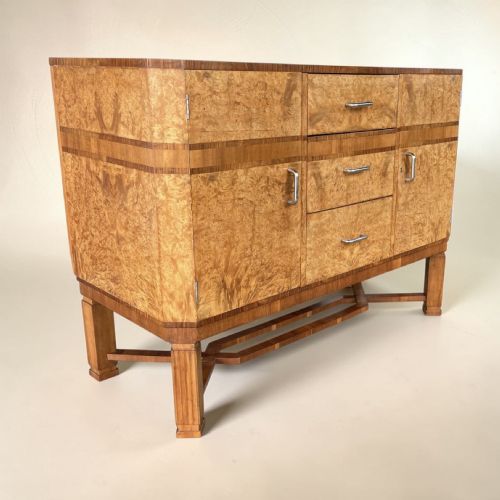
Cabinetmakers relied on solid timbers such as mahogany, oak, and walnut, frequently enhancing surfaces with boxwood inlay, satinwood, flame mahogany veneer, and burr walnut figures. Structural elements often incorporate pine and secondary hardwoods.
Vintage Wood Server Retail Price Guide 2026
Typical asking prices for vintage wood server among the pieces listed under this phrase on Sellingantiques today, from the lower quarter to the upper quarter. They describe what is for sale here now, not the wider market.
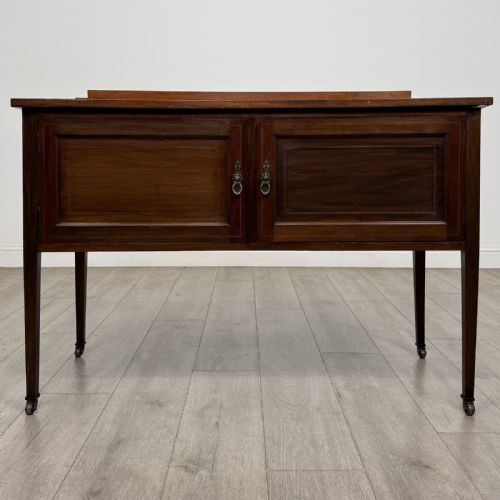
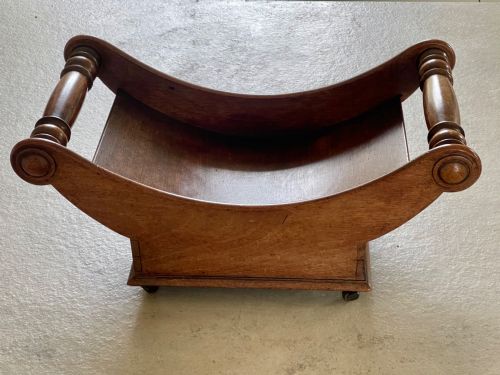
Several pieces include integrated bottle racks and cheese coasters on original castors, proving past diners took their provisions very seriously.
Distinguishing quality in construction
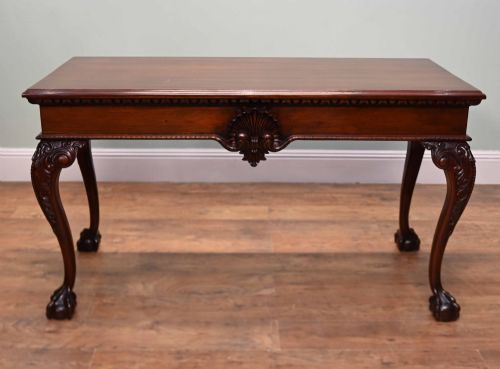
Quality rests in the selection of timber figures and the crispness of carved elements like claw and ball feet or geometric panels. Superior pieces display thoughtful proportions and harmonious grain matching across drawers and doors.
The integrity of original brass fittings, castors, and structural joints dictates the standing of a piece. Finer examples maintain their original surfaces and tactile depth without losing structural rigidity through clumsy restoration.
The Vintage Wood Server Glossary
- Bow front
- A convex curved cabinet front that swells outward in the centre, popular in mahogany dining furniture.
- Dresser base
- A low wooden unit featuring drawers and sometimes cupboards below, historically used for food preparation and storage.
- Marquetry
- Decorative patterns formed by fitting together thin veneers of different coloured woods.
- Serpentine front
- A furniture front characterised by a wavy contour with a convex centre flanked by concave curves.
- Bracket feet
- Corner feet formed of two pieces of wood meeting at a mitre, shaped in an arch or ogee profile.
Vintage Wood Server: Frequently Asked Questions
How do I style a wood server?
Pair the timber tone with complementary lighting and ceramics that match the era of the piece. Allow the natural grain and brass hardware to remain the focal point of the wall.
Keep surface clutter to a minimum by utilising internal drawers for tableware or linens. A single large tray or mirror above the surface helps anchor the furniture in the room.
What is the difference between a sideboard and a server?
Sideboards traditionally offer larger enclosed storage with cupboards and multiple drawers for dining silver. Servers tend to be slightly more compact surface tables designed for passing dishes.
Many listings use the terms interchangeably depending on the era and proportions. Examine the depth and internal fittings to determine the primary storage function.
Can I use these tables in a hallway?
Narrow console tables and side cabinets fit neatly into entrance halls without obstructing pathways. Their drawers provide convenient drop zones for keys and post.
Ensure you measure the depth of the piece against your hallway clearance before placing. Pieces with slender tapered legs or bracket feet keep the floor plan feeling open.
How do I care for antique wood surfaces?
Dust regularly with a soft, dry cloth and avoid placing wooden furniture in direct sunlight or near heat sources. Excessive temperature changes can cause timber veneers to warp or crack.
Feed the wood periodically with appropriate natural wax to maintain its lustre. Avoid silicone-based sprays that build up residue over time.