










Vintage Wood Room Divider
A vintage wood room divider transforms a large open space instantly, offering privacy and distinct character through traditional folding panels.
Vintage Wood Room Divider
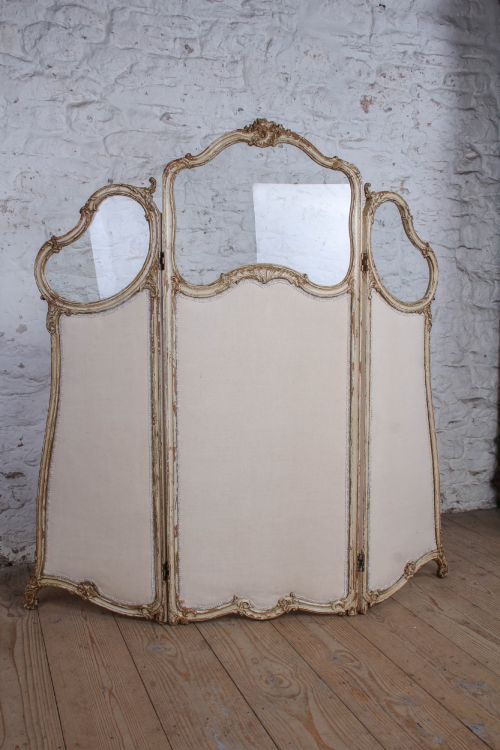
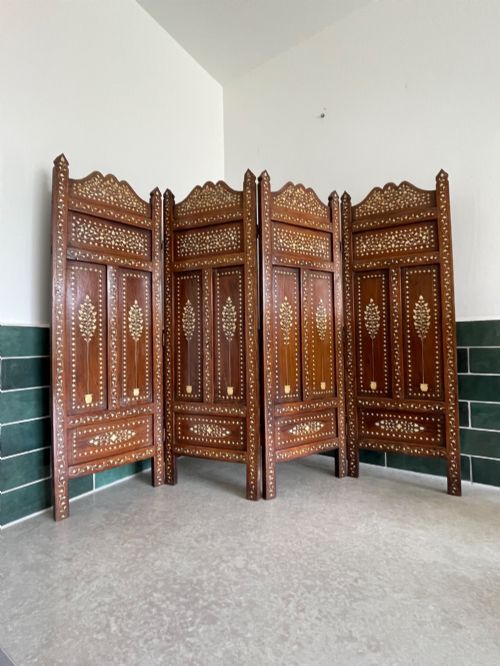
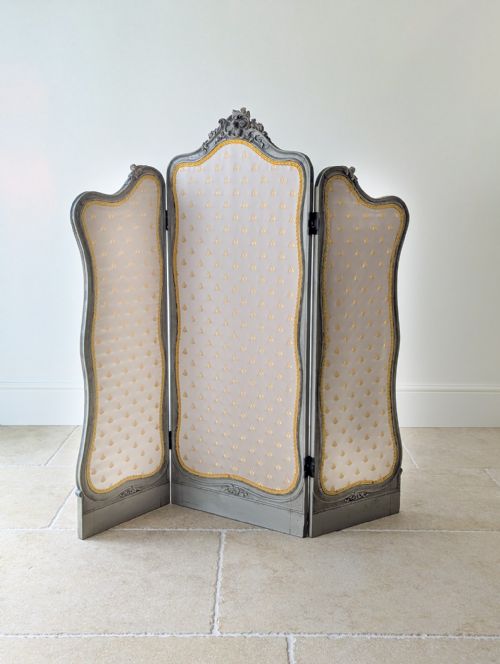
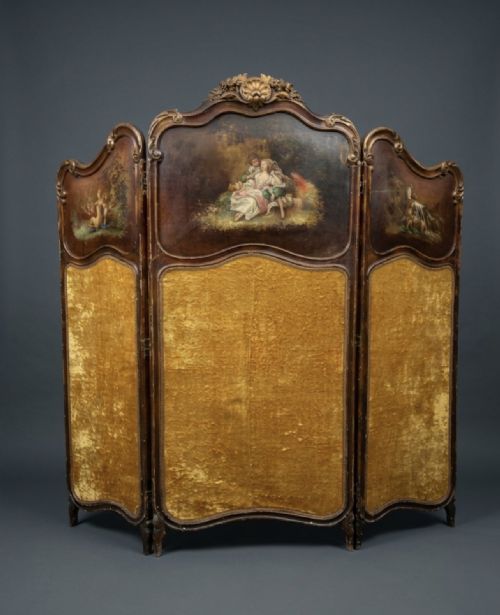
A vintage wood room divider is a hinged screen designed to partition interior spaces or create secluded corners within a room. These pieces appear frequently as folding screens with multiple panels, ranging from three-fold up to six-fold configurations.
The selections span diverse historical periods including Victorian and Regency eras alongside early twentieth-century examples. Originating from various workshops globally, they incorporate forms such as modesty screens, dressing screens, and traditional folding panels.
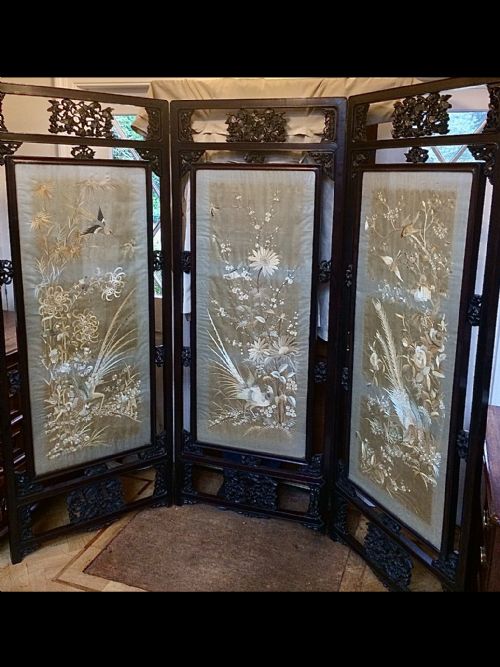
Buyers encounter surfaces finished with painted details, lacquering, needlepoint, or intricate fretwork carvings. This variety reflects international design traditions spanning French Rococo revival, Scandinavian country styles, and Chinoiserie aesthetics.
Materials and construction
Makers utilised solid hardwoods like mahogany alongside painted wood bases to build robust structural frames. These foundational timbers support folding mechanisms that allow multiple panels to articulate smoothly.
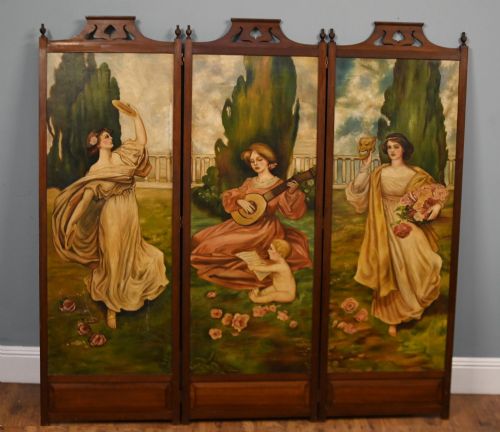
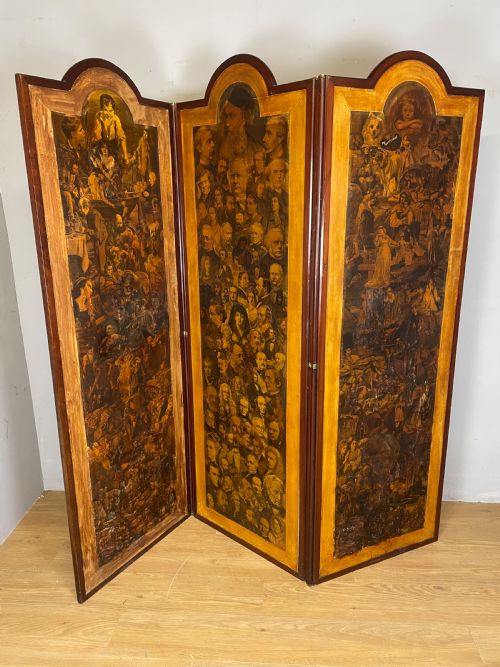
Surface decoration relies on applied lacquer, silk, fabric, and hand-painted panels. Skilled artisans incorporated detailed techniques including scrap work, needlepoint, decoupage, and carved dragon motifs directly into the wooden framework.
Vintage Wood Room Divider Retail Price Guide 2026
Typical asking prices for vintage wood room divider among the pieces listed under this phrase on Sellingantiques today, from the lower quarter to the upper quarter. They describe what is for sale here now, not the wider market.
Styles represented include Chinoiserie, French Rococo Revival, and Scandinavian Country forms.
Distinguishing quality across examples
The grade of an example depends significantly on the complexity of its construction and the execution of its decorative panels. Fully reversible hinges and substantial multi-fold frameworks indicate superior original engineering.
Artistic depth separates standard partitions from exceptional works. Hand-painted Chinoiserie scenes, intricate fretwork carving, and preserved lacquer finishes demonstrate greater craftsmanship than simpler utilitarian barriers.
The Vintage Wood Room Divider Glossary
- Folding screen
- A piece of furniture consisting of two or more panels that are joined by hinges. They stand upright and can be folded together for storage or arranged to divide a space.
- Chinoiserie
- A European artistic style reflecting Chinese motifs and techniques. It appears frequently in decorative painting and lacquer work on antique furnishings.
- Fretwork
- Ornamental perforated woodwork created by cutting patterns through a board. This technique provides decorative transparency and lightness to heavy wooden panels.
- Modesty screen
- A portable privacy panel historically used to screen dressing areas within a larger room. These items often feature detailed painted surfaces or fabric inserts.
- Decoupage
- The art of decorating a surface by applying paper cutouts and sealing them with layers of varnish. This method creates textured, collage-style imagery across wooden screens.
Vintage Wood Room Divider: Frequently Asked Questions
How are room dividers cleaned safely?
Dust wooden surfaces gently with a dry, soft cloth to prevent scratching the finish. Avoid using liquid polishes or harsh chemical cleaners that might damage delicate lacquer or painted panels.
For fabric or needlepoint inserts, use a low-suction vacuum attachment through a protective mesh screen. Professional textile or furniture conservationists should handle deeper cleaning requirements.
Can these screens support heavy weight?
These folding screens are primarily designed as decorative room partitions and privacy barriers rather than structural supports. Placing heavy objects against them or hanging items from the top rail risks destabilising the hinges.
Position the panels in a zigzag configuration to ensure natural stability on flat flooring. Extending a multi-fold screen in a straight line places undue strain on the joining hardware.
How do I date a divider?
Examine the joining hardware, timber types, and painting techniques to establish a chronological context. Nineteenth-century examples frequently display hand-forged or early brass hinges alongside dense hardwoods like mahogany.
Stylistic indicators such as Victorian Gothic elements, Regency details, or early twentieth-century Chinoiserie motifs provide further clues. Compare construction methods against known periods to narrow down the decade of manufacture.
Where should a divider be placed?
Position a folding screen to break up large open-plan areas or to conceal utilitarian storage zones within a bedroom. They work effectively near windows to filter light or adjacent to seating groups to create intimate corners.
Ensure the panels have adequate clearance to fold and adjust without scraping against skirting boards or furniture. Keep them away from direct heat sources and strong sunlight to protect the wood and paint.