

Vintage Wood Plant Stand
A vintage wood plant stand lifts greenery into the light, bringing structure and rich grain to a room.
Vintage Wood Plant Stand
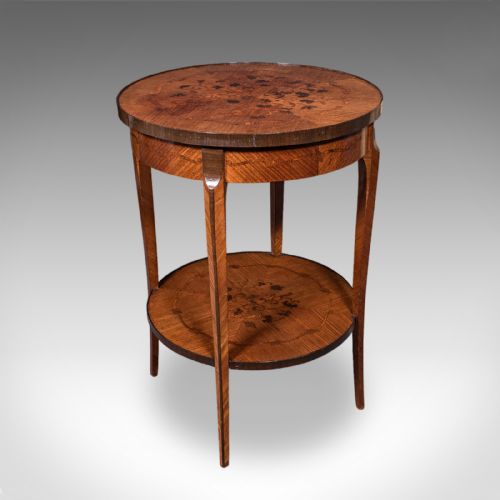
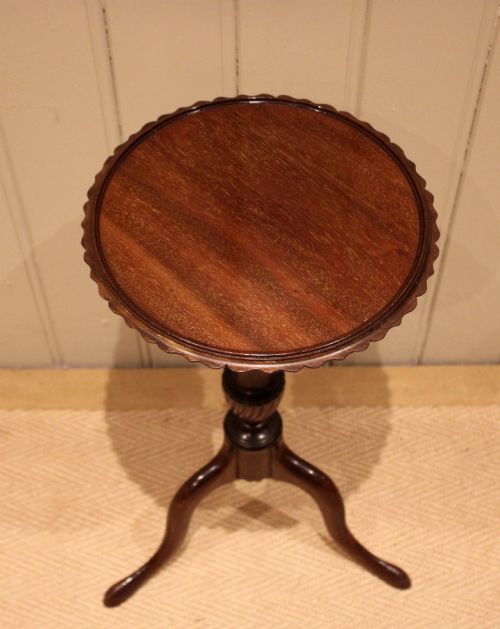
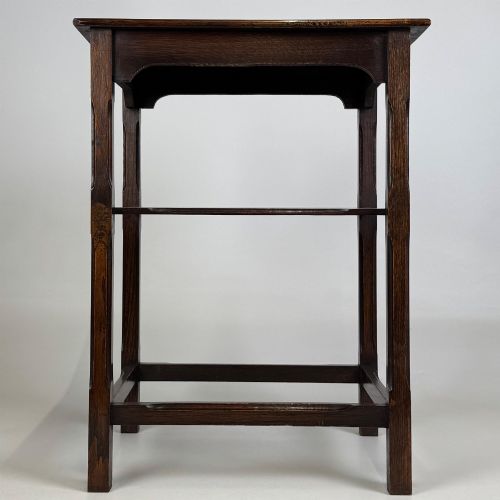
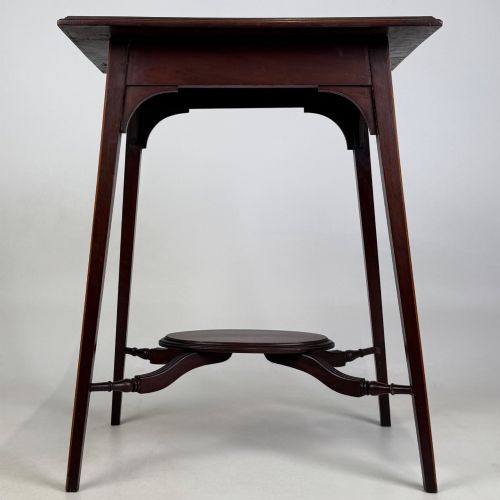
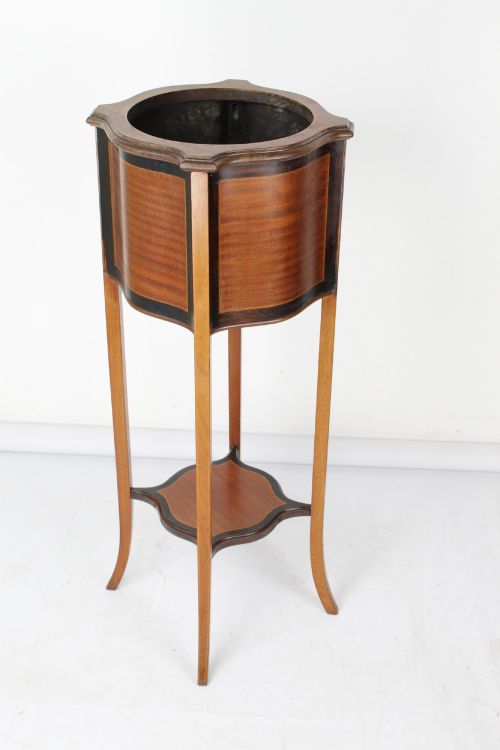
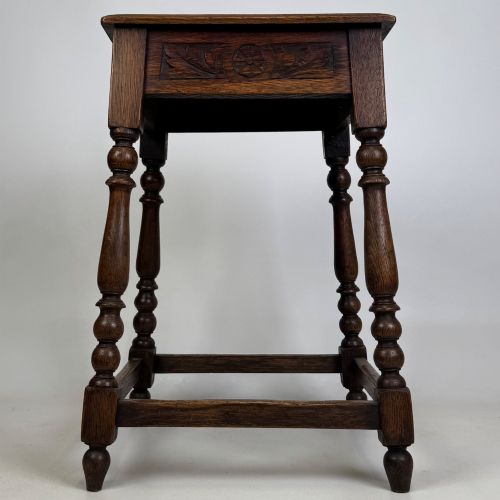
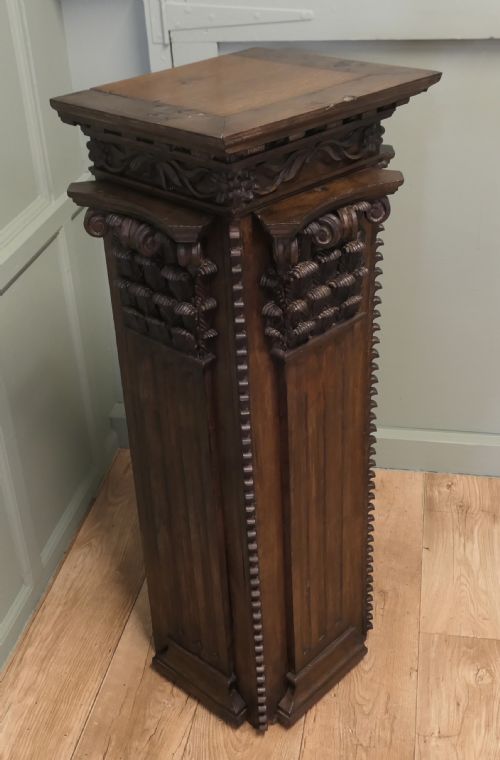
A vintage wood plant stand serves to elevate pots, urns and floral arrangements, acting equally as a display surface or a decorative pedestal. When searching for a vintage wood plant stand, buyers encounter pieces designed primarily during the Edwardian period and the nineteenth century.
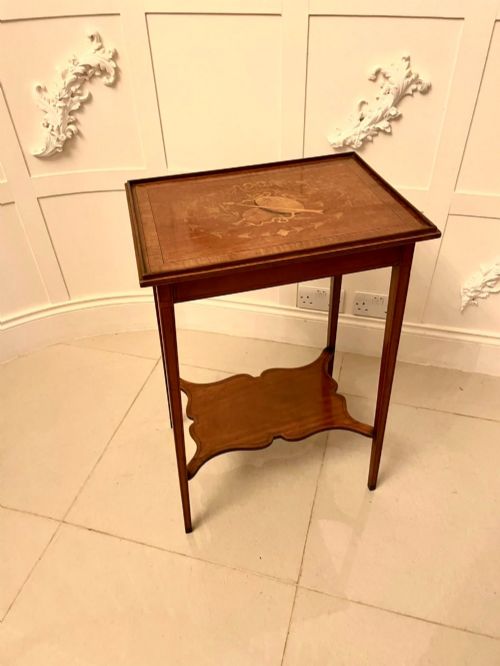
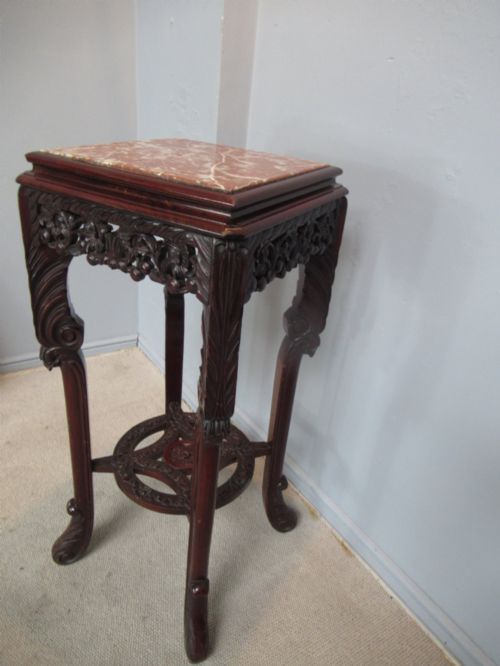
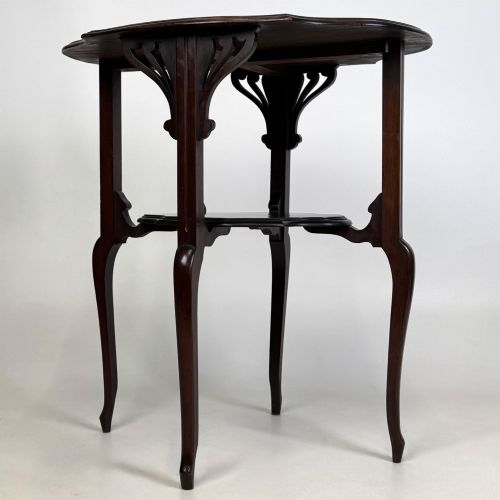
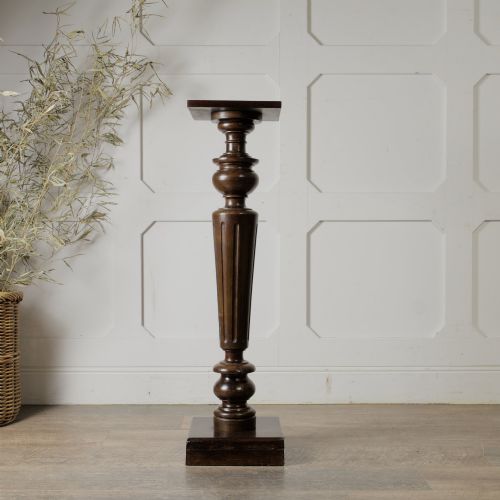
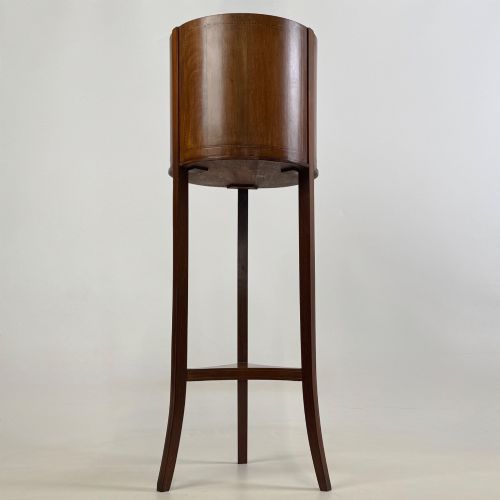
The forms span tall torcheres, slender jardinieres, and compact occasional tables or side tables that double as plant supports. Many examples stand on slender legs or carved columns, offering sturdy support for heavy pottery without dominating the floor space.
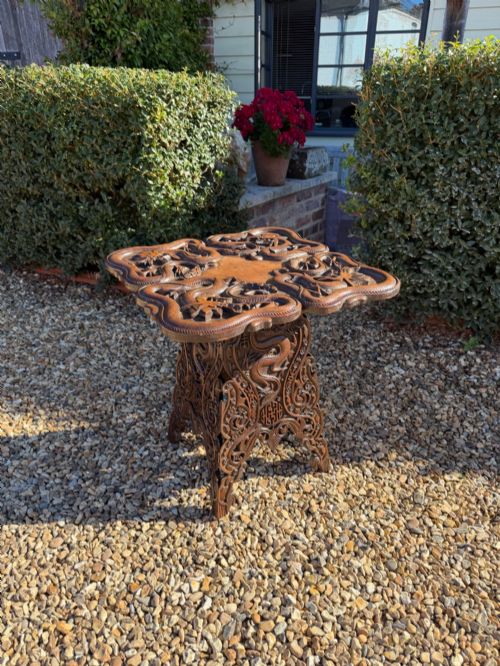
Origins range from British workshops to French ateliers and Anglo-Indian makers, each bringing distinct regional styling to the everyday plant stand. The selection on this page shows how cabinetmakers adapted standard table and pedestal forms to house indoor foliage.
Materials and construction
Timbers form the core of these pieces, with mahogany and oak appearing most frequently alongside walnut, satinwood, elm and rustic hardwood. Cabinetmakers utilised solid boards and turned columns, occasionally incorporating contrasting inlays or bone details to enrich the surfaces.
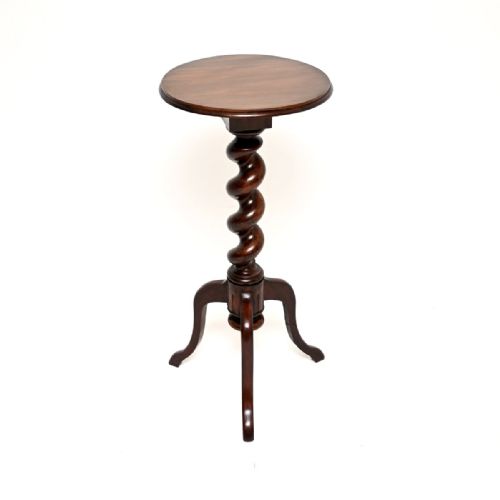
Structural methods involve sturdy joinery, turned plinths, and barley twist shafts designed to bear weight securely. Some advanced examples pair carved wooden frames with inset marble tops to resist moisture from watering plants.
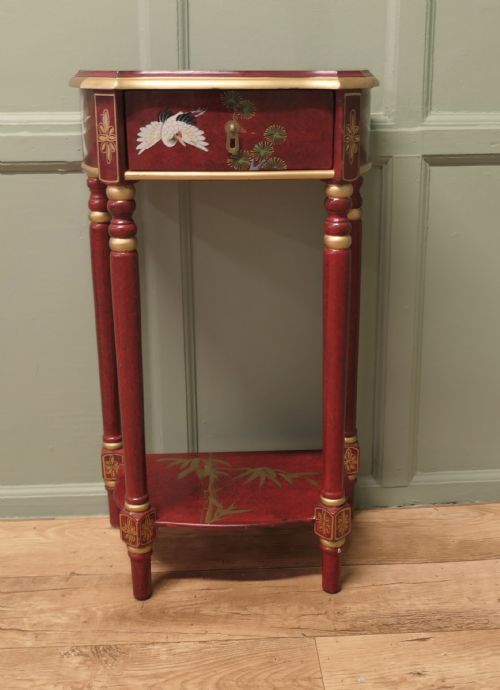
Decorative touches include chip carving, gilding, and original green paint finishes that highlight the natural grain and texture of the wood. These varied construction techniques reflect the shifting tastes of the nineteenth and early twentieth centuries.
Listings feature woods including mahogany, oak, walnut, satinwood, elm and marble.
Judging quality and execution
Quality rests in the crispness of the carving, the selection of figured timber veneers, and the stability of the underlying frame. Superior examples display thoughtful proportions where slender shafts securely anchor heavier upper tiers or marble insets.
The integrity of the joints and the crispness of turned elements such as barley twists separate standard utilitarian stands from finer parlour pieces. Subtle details like delicate string inlay or hand-carved foliage indicate skilled craftsmanship rather than mass production.
Liberty & Co·Druce & Co London
The Vintage Wood Plant Stand Glossary
- Torchere
- A tall, slender stand or pedestal designed originally to hold a torch or lamp, frequently utilised today for plants and urns. These elevated supports draw the eye upward in a room.
- Jardiniere
- An ornamental stand or container specifically built to hold plants and flowers. Often lined or detailed to handle damp environments.
- Barley twist
- A type of turning shaped like a spiral rope, popular in furniture construction during the Edwardian era. This technique adds texture and movement to upright columns.
- Occasional table
- A small, versatile table moved easily around a room for varied domestic uses. Many pieces sharing this function serve double duty as plant pedestals.
- Inlay
- A technique where pieces of contrasting wood, bone or shell are inserted into depressions in the base material to form patterns. This decorative method highlights the skill of the maker.
Vintage Wood Plant Stand: Frequently Asked Questions
What is a plant stand used for?
These pieces elevate potted plants, ferns and floral displays to catch better light and protect household flooring from moisture. They also serve as decorative plinths for sculptures or lamps.
Placing greenery at varying heights adds architectural interest and depth to interior spaces. They fit neatly into corners or beside seating areas.
Are these stands sturdy enough for heavy pots?
Most pieces are built with solid hardwoods like oak and mahogany designed to bear substantial weight. However, slender legs and tall torcheres require sensible balance.
Distributing weight evenly and checking the stability of the joints ensures safe display. Heavier marble-topped stands offer extra resistance against tipping.
How do I date an Edwardian stand?
Edwardian pieces often feature lighter mahogany or oak timbers, sometimes decorated with subtle inlaid stringing or crisp turning. Construction methods from this era combine machine precision with hand finishing.
Comparing the stylistic motifs, such as simplified Georgian revivals or Arts and Crafts influences, helps narrow the production window. Look for construction markers consistent with the early twentieth century.