
Vintage Wood Mirror
A vintage wood mirror brings warmth and character to a room, shifting from grand overmantels to intimate dressing glasses.
Vintage Wood Mirror
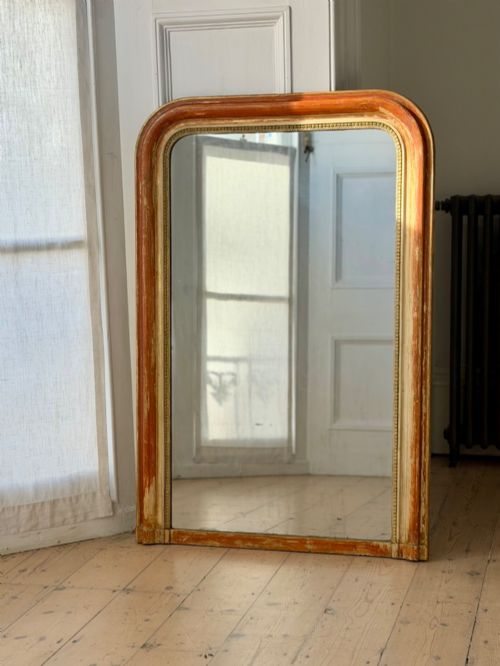
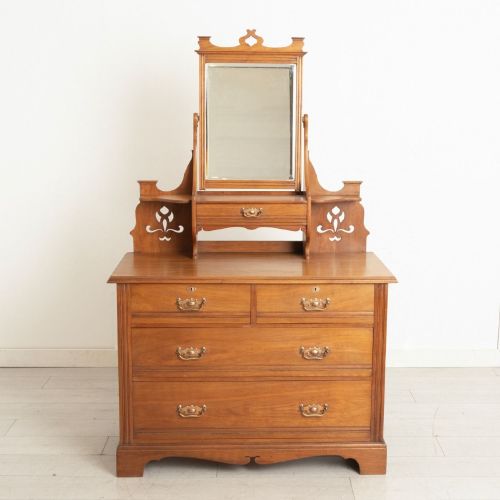
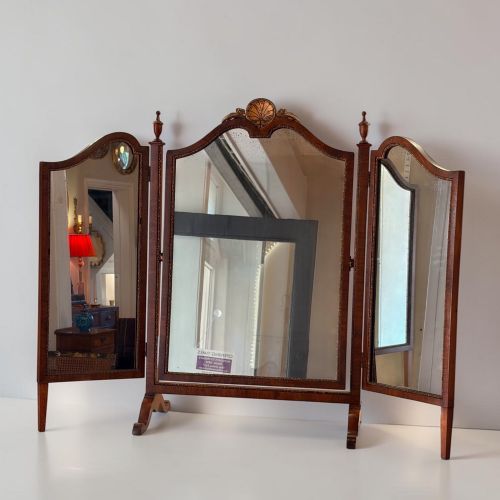
A vintage wood mirror encompasses everything from large overmantel frames and cheval dressing glasses down to compact wall-hanging pieces. The selection spans several centuries, with particular emphasis on nineteenth-century examples alongside Georgian, Victorian, and Edwardian specimens.
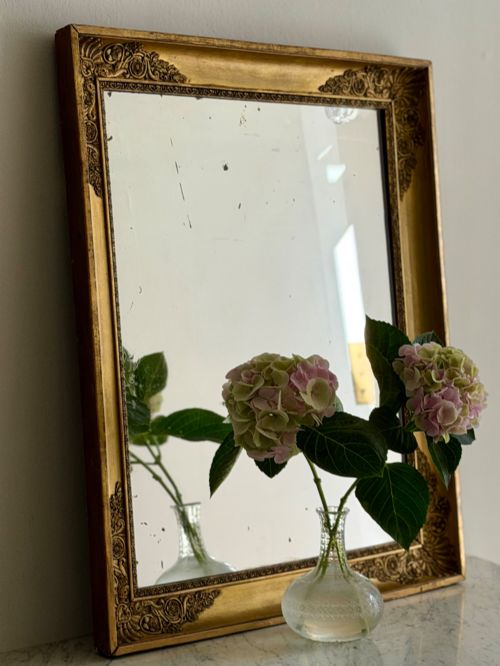
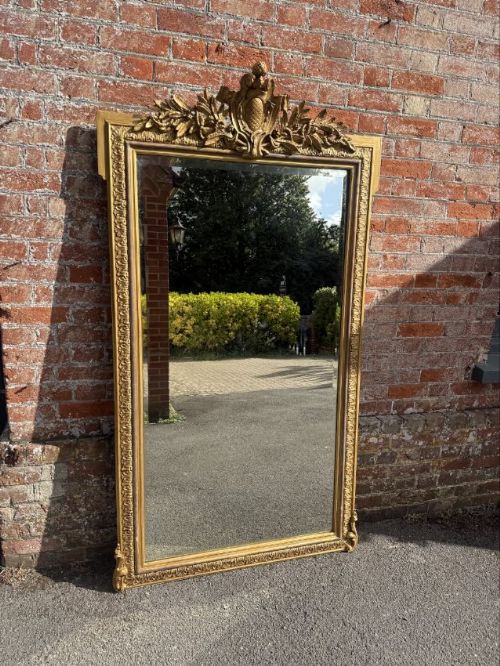
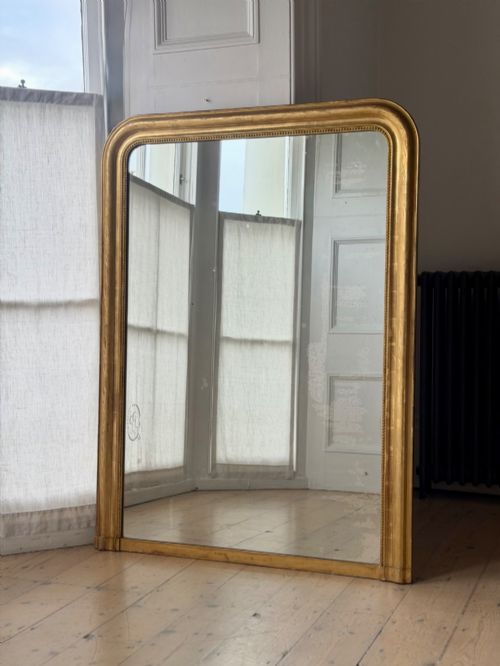
Buyers encounter distinct regional forms, including French Louis Philippe and gilt rectangular frames, Italian Florentine styles, and intricate inlaid pieces originating from Kashmir and Anglo-Indian workshops. These diverse origins reflect differing domestic tastes across Europe and beyond.
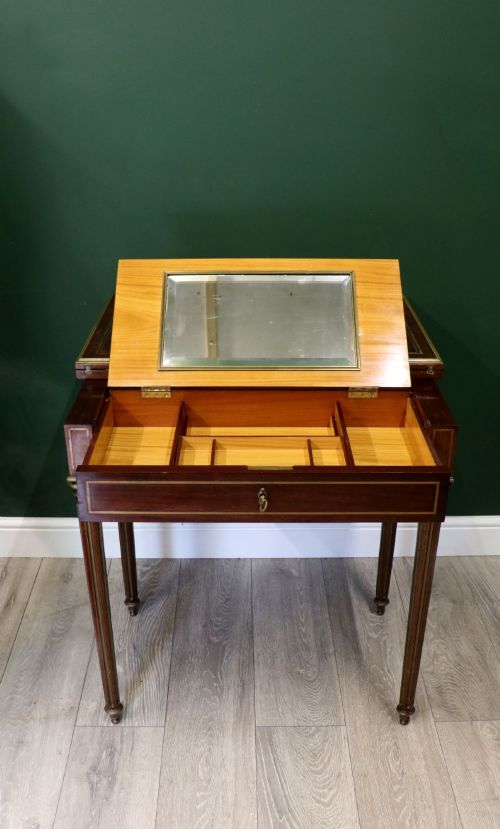
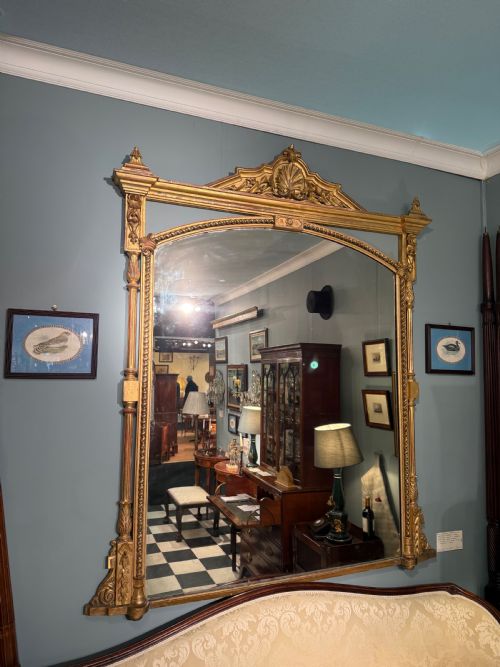
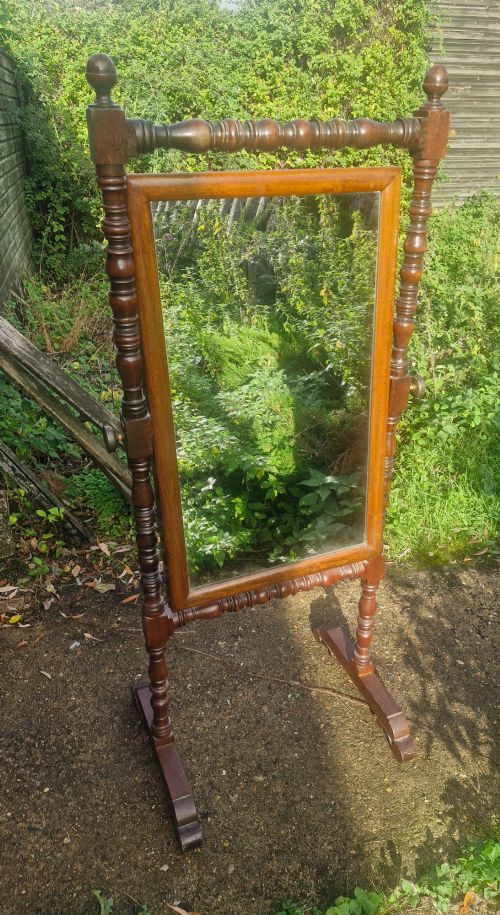
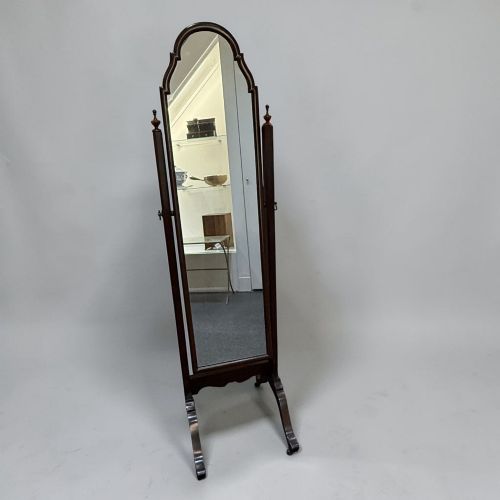
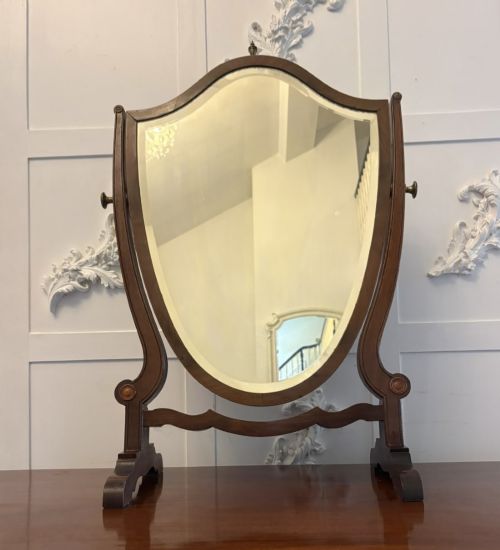
Wall mirrors and overmantels dominate the forms, accompanied by functional dressing table mirrors, triptychs, and pivoting cheval glasses. Each type served a specific domestic purpose, whether checking attire in a bedroom or reflecting light above a fireplace.
Materials and construction
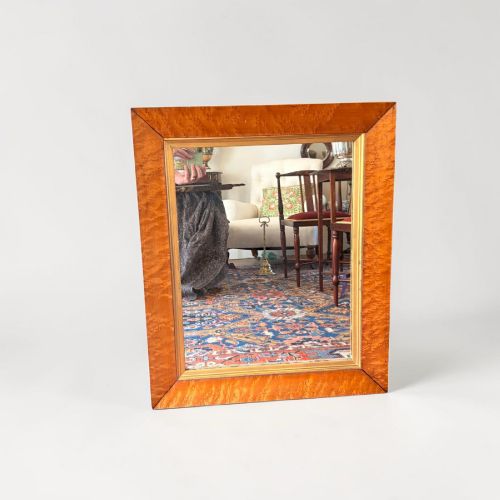
Cabinetmakers utilised hardwoods such as mahogany, walnut, satinwood, and birds eye maple to build sturdy structural frames, often finishing them with carved details or fretwork. Rosewood and bamboo also appear, providing variety in colour and texture.
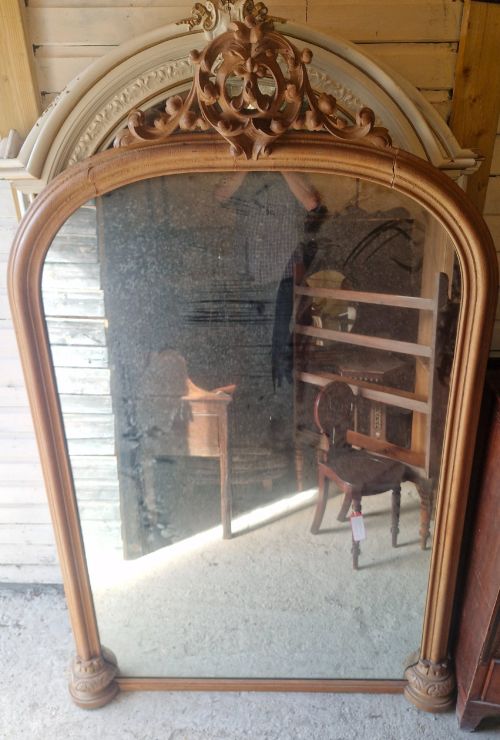
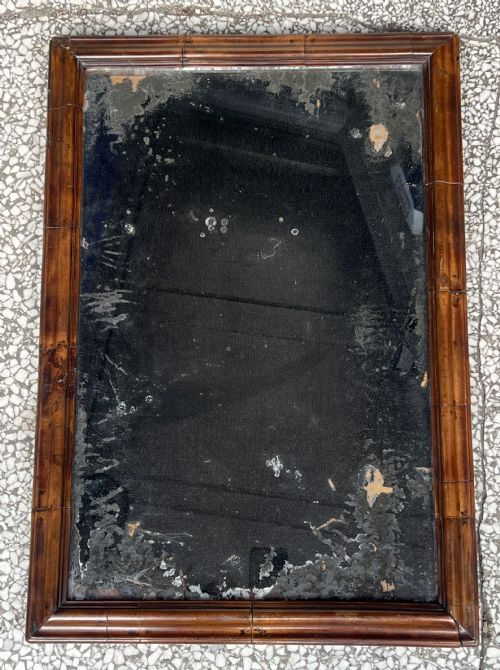
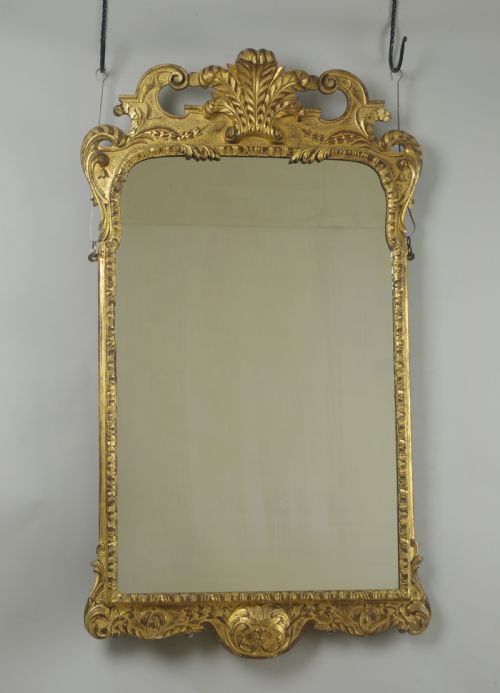
Many formal frames combine carved wood with gesso layers before receiving an application of gold leaf or gilt finish. Mercury glass frequently appears in earlier French examples, imparting a distinct, mottled reflection unlike modern glass.
Period origins span the eighteenth, nineteenth, and early twentieth centuries, including Georgian, Victorian, and Edwardian eras.
Assessing craftsmanship and condition
Quality rests in the crispness of the woodcarving, the depth of the fretwork, and the integrity of the underlying joinery. Fine pieces show meticulous hand-tooling on mouldings and applied ornaments rather than mass-produced uniformity.
The preservation of the original mercury glass plate or early silvering significantly elevates an object. Frames that retain their original gilding without excessive over-painting display greater authenticity and historical integrity.
Shapland and Petter
The Vintage Wood Mirror Glossary
- Giltwood
- Wood carved and coated with gold leaf or metallic gilt preparation. This finish created brilliant light reflection in period interiors.
- Cheval mirror
- A freestanding full-length mirror mounted on a vertical swivelling frame between four supporting legs. It allowed a person to view their entire outfit.
- Mercury glass
- A double-walled blown glass type silvered inside with a mercury amalgam. It produces a characteristic cloudy, dark reflection found on older mirrors.
- Overmantel mirror
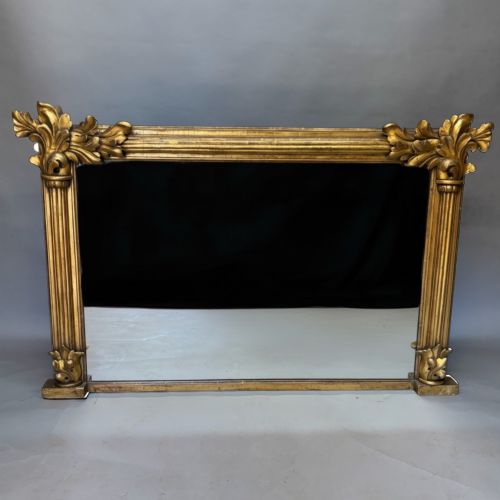
- A large mirror designed specifically to hang on the wall directly above a fireplace mantelpiece. These pieces often feature horizontal proportions to span the hearth.
- Fretwork
- Ornamental design work produced by cutting patterns through thin wood using a fretsaw. This technique defined many eighteenth-century and revival wall mirrors.
Vintage Wood Mirror: Frequently Asked Questions
How do I hang a heavy overmantel mirror?
Heavy overmantel mirrors require secure fixing directly into wall studs or masonry using appropriate brackets rated for the weight.
Professional installation is often recommended to ensure the frame remains stable and safe over a fireplace.
What is mercury glass?
Mercury glass involves a silvering technique using a mercury mixture sealed between double glass walls.
This method creates a distinctive mottled appearance that differs visibly from modern reflective coatings.
How do I clean an antique giltwood frame?
Dust giltwood gently with a very soft, dry brush to avoid disturbing fragile gold leaf or gesso layers.
Water and chemical cleaners must be avoided entirely, as moisture strips historical finishes instantly.
Can I place a wood mirror in a bathroom?
High humidity and steam can damage antique wood, cause veneer to lift, and degrade old silvering.
Dry rooms with stable temperatures suit these pieces much better than humid environments.