





Vintage Wood Jewellery Box
A vintage wood jewellery box offers a tangible link to the past, keeping personal treasures safe within polished hardwoods and intricate marquetry.
Vintage Wood Jewellery Box
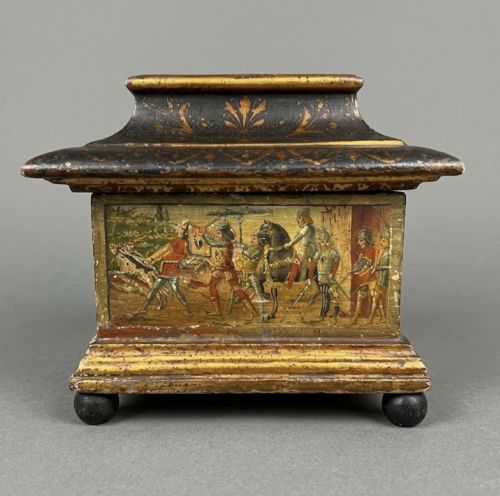
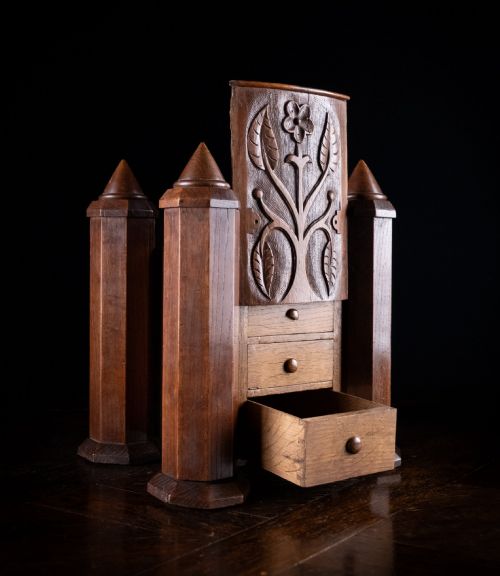
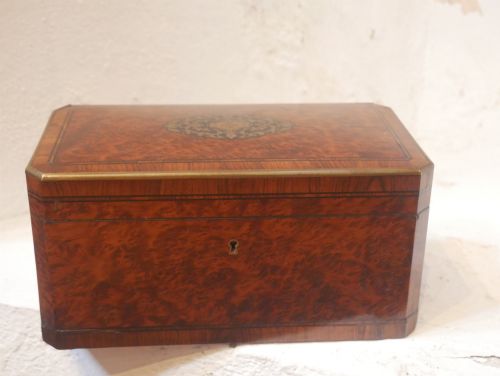
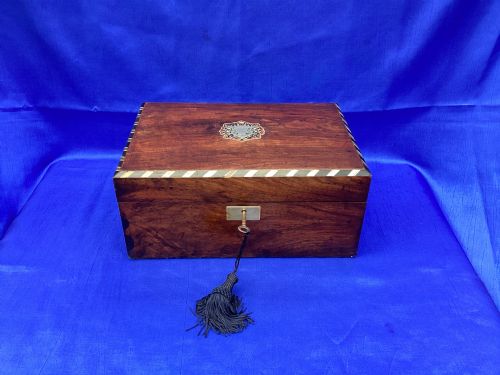
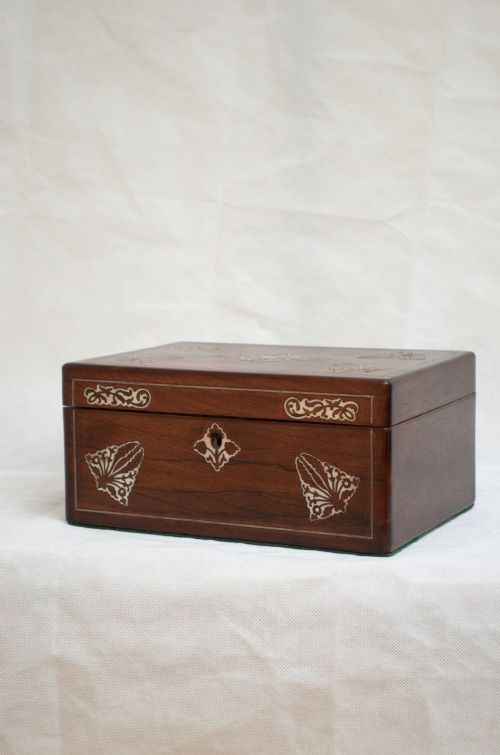
A vintage wood jewellery box takes many shapes, ranging from compact Victorian rosewood chests to elaborate Regency desktop collector cases and French table boxes. These pieces served past owners as secure repositories for rings, brooches, and keepsakes, often featuring fitted interiors and internal trays.
The materials and aesthetic traditions span multiple regions and periods, including 19th-century English mahogany, Anglo-Indian sandalwood, and intricate Tunbridge Ware mosaics. Buyers frequently encounter variants incorporating brass mounts, mother-of-pearl inlay, and campaign-style brass corners.
Materials and Construction
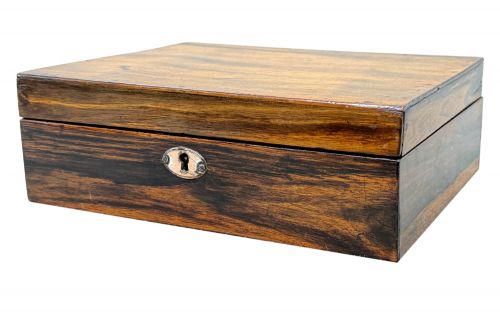
Cabinet makers utilised dense exotic timbers such as rosewood, mahogany, walnut, and coromandel, often applying veneers over secondary woods to create striking grain patterns like flame mahogany and burr birch. Structural integrity relied on precise dovetail joints and sturdy internal framing.
Decoration involved meticulous hand techniques, including marquetry inlay, porcupine quill work, mosaic banding, and hand-painted surfaces. Brass hardware, locks, and handles were integrated to secure lids and drawers, while interiors were typically lined with velvet or silk.
Vintage Wood Jewellery Box Retail Price Guide 2026
Typical asking prices for vintage wood jewellery box among the pieces listed under this phrase on Sellingantiques today, from the lower quarter to the upper quarter. They describe what is for sale here now, not the wider market.
One extraordinary box incorporates porcupine quills into its intricate decorative exterior pattern.
Craftsmanship and Preservation
Quality rests in the precision of the joinery and the selection of timber veneers, where symmetrical grain and careful matching distinguish finer examples. The complexity of decorative techniques, such as multi-wood Tunbridge mosaics or delicate mother-of-pearl inlay, also elevates a piece.
The survival of original interior fittings, working locks, and interior trays influences the integrity of the object. Retaining surface patination and minimal structural alteration separates superior examples from heavily restored alternatives.
Tahan
The Vintage Wood Jewellery Box Glossary
- Tunbridge Ware
- A type of woodwork featuring mosaic designs made from tiny tinted wood blocks that form geometric or pictorial scenes. These decorative panels adorn the lids and sides of small boxes.
- Marquetry
- The art of applying thin slices of wood veneer to a structural surface to create pictorial or geometric patterns. Makers used contrasting timbers to achieve varied tones.
- Campaign Box
- A portable container constructed for travel, typically fitted with flush brass handles, corner brackets, and reinforced edges. These sturdy chests were built for military officers and colonial travellers.
- Coromandel
- A dense, heavily figured dark timber sourced from Southeast Asia, prized for its rich grain and utilised in luxury 19th-century boxes. It provides a durable and polished exterior.
- Bijouterie
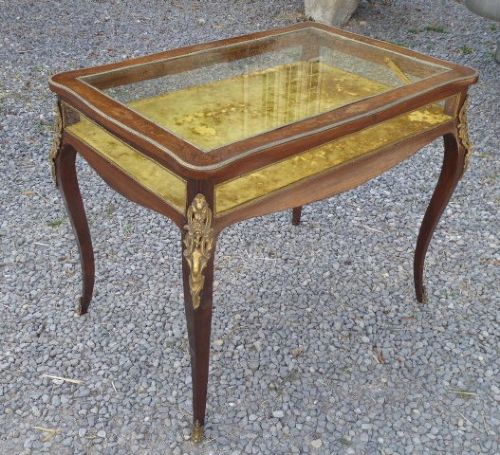
- A glass-topped display table or box designed to showcase small decorative items and jewellery. These pieces allow contents to be viewed without opening the lid.
Vintage Wood Jewellery Box: Frequently Asked Questions
How do I identify the age?
Dating relies on observing construction methods, timber choices, and hardware styles associated with specific periods like the Regency era or Victorian reign. Dovetailing techniques and lock mechanisms often provide reliable chronological clues.
Examining secondary woods and interior fabric styles helps confirm the period of manufacture. Comparing these elements with documented examples narrows down the production decade.
Were these boxes used for travel?
Many sturdy examples, particularly campaign boxes and travelling vanity cases, were built specifically for journeys. They incorporated secure locks and reinforced corners to withstand movement.
Other delicate pieces, such as Tunbridge Ware trinket boxes and display tables, remained stationary on dressing tables or drawing-room surfaces. Their function depended heavily on their size and internal fittings.
How do I care for the wood?
Maintaining wooden boxes involves keeping them away from direct sunlight and fluctuating humidity to prevent veneer cracking. Gentle dusting with a dry cloth preserves the polished surface.
Avoiding harsh chemical polishes ensures the historical finish and patination remain intact. Applying appropriate wax sparingly helps nourish older hardwoods.
What are the common timber types?
Makers frequently selected rich hardwoods such as rosewood, mahogany, and walnut for their durability and decorative grain patterns. More exotic choices like coromandel, sandalwood, and satinwood appeared on high-end luxury pieces.
Secondary woods such as pine or oak were often used for internal framing and drawer linings. The exterior timber usually dictated the overall status of the box.