


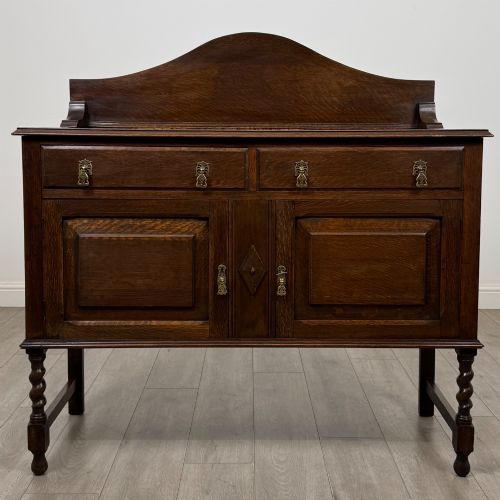
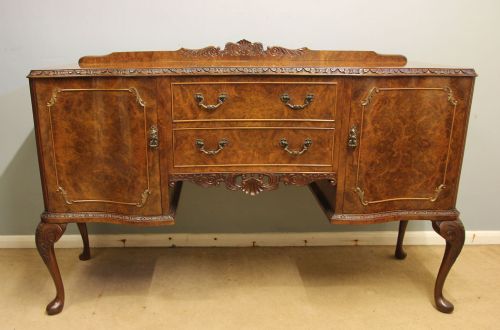
Vintage Wood Buffet
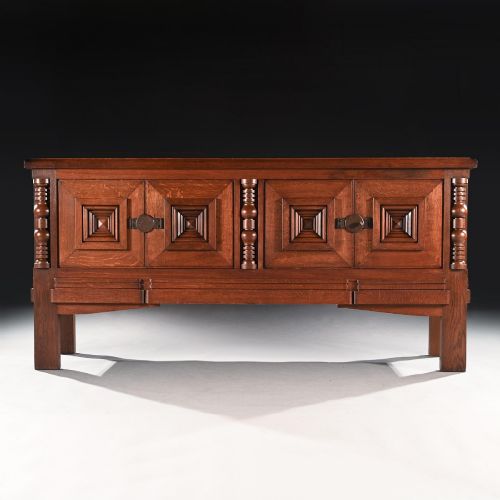
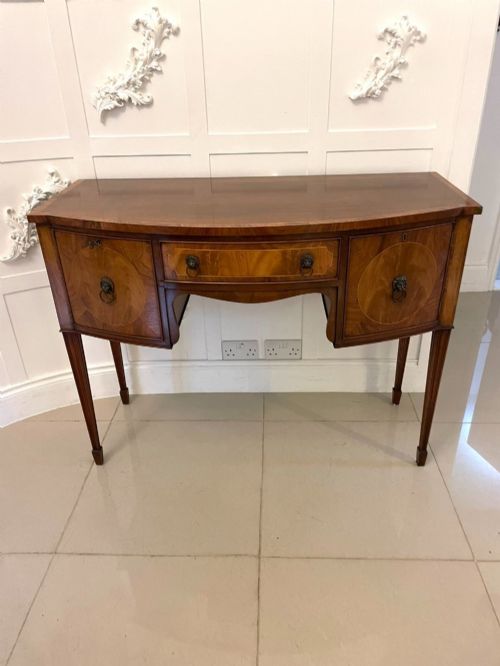
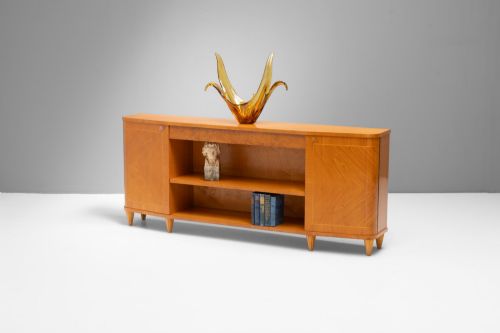
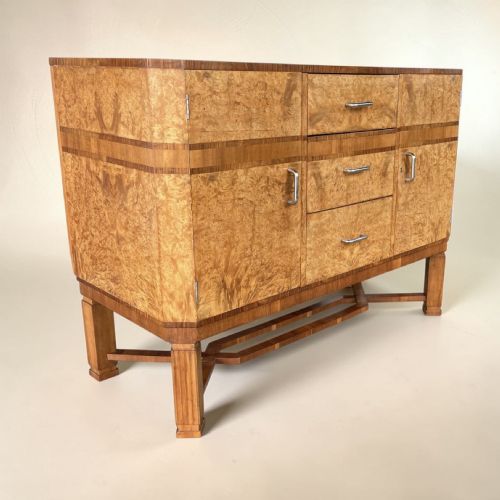
These vintage wood buffet options span centuries of dining room storage, offering both practical surface space and traditional craftsmanship.
Vintage Wood Buffet
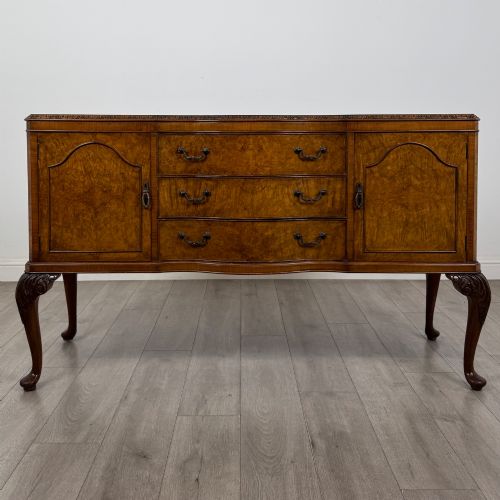
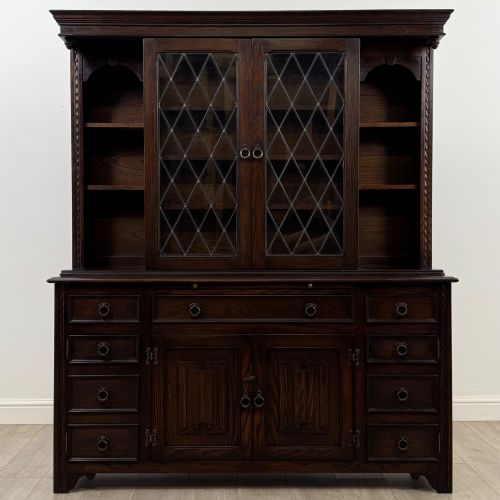
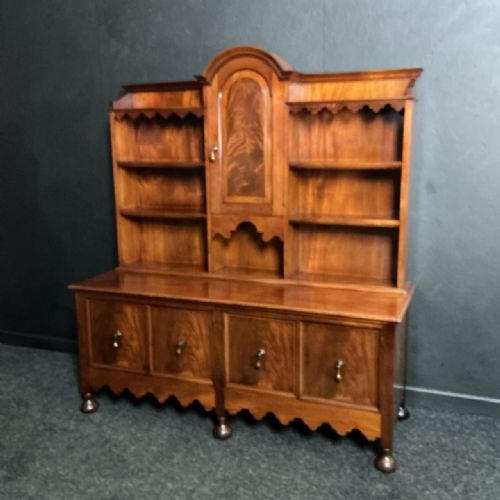
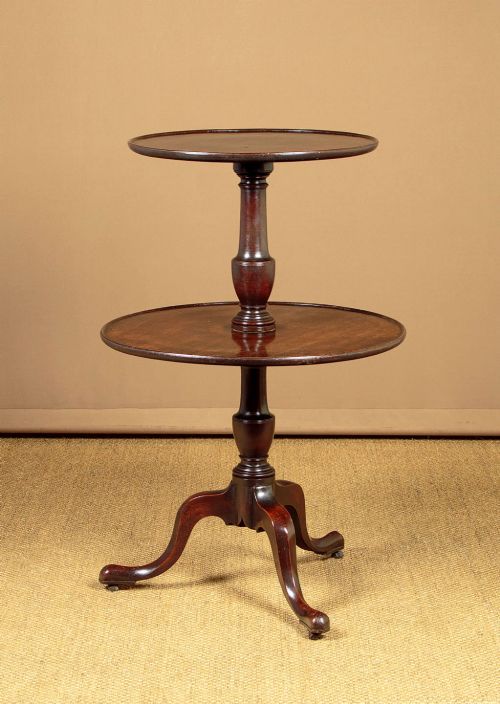
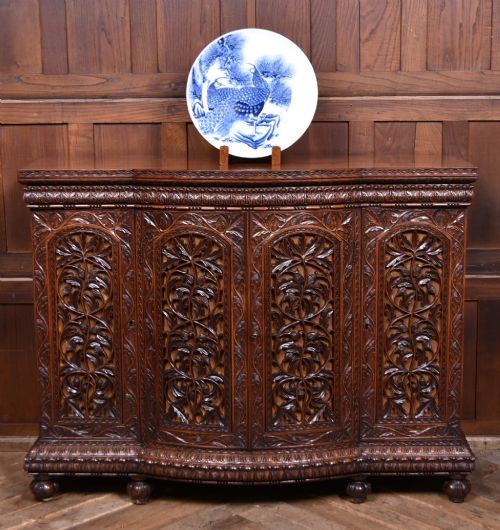
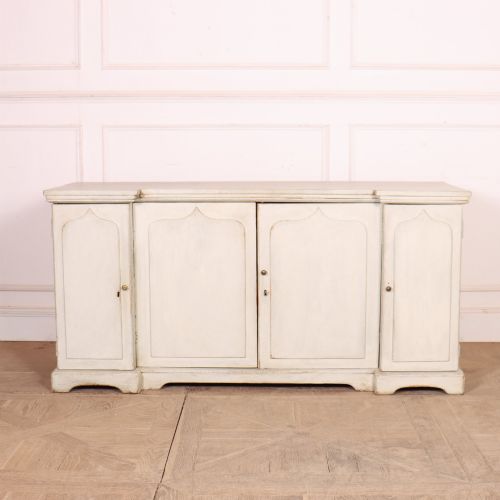
A vintage wood buffet serves primarily as a dining room serving station and storage unit. When exploring this selection, buyers encounter formats ranging from sideboards and chiffoniers to dresser bases and dumb waiters.
The material palette is predominantly solid and veneered timber, spanning oak, mahogany, walnut, and fruit wood. These pieces emerge from periods including the eighteenth, nineteenth, and early twentieth centuries, reflecting styles from Georgian and Regency to Edwardian and Arts and Crafts.
What varies in quality
Quality separates pieces through the selection of timber veneers and the crispness of hand-carved ornamentation. Superior examples display balanced proportions, symmetrical grain patterns, and carefully integrated secondary woods.
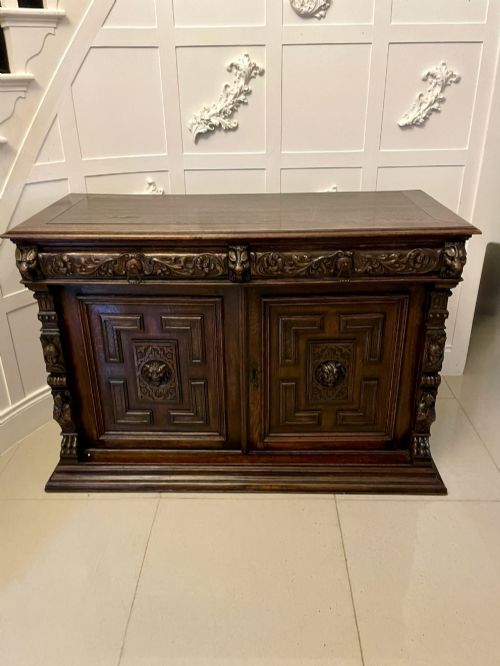
The integration of original hardware, well-fitted drawers, and stable structural joinery distinguishes finer items. Maker execution in specific revivals, such as Sheraton or Jacobean styles, also dictates overall desirability.
One recorded piece served aboard a warship as a wheeled drinks trolley, proving that fine dining followed the navy everywhere.
The Vintage Wood Buffet Glossary
- Sideboard
- A long piece of furniture used for storing dining utensils and serving food. They frequently feature a combination of drawers and cupboards.
- Dumb waiter
- A tiered serving stand, often with revolving trays, used for holding dishes without the need for attendants. These typically stand on a central column with tripod feet.
- Chiffonier
- A compact sideboard or cabinet popular in the nineteenth century, sometimes incorporating a raised superstructure with shelves or a mirror.
- Flame mahogany
- A timber veneer displaying a fiery, undulating grain pattern. Cabinet makers used this on prominent drawer fronts and cabinet doors for visual impact.
- Dresser base
- A low wooden unit featuring drawers and open potboards or cupboards below. These originate from country and provincial workshops.
Vintage Wood Buffet: Frequently Asked Questions
How do I style a vintage wood buffet?
Pair the surface with complementary lamps, ceramics, or a hanging mirror to anchor the piece within a dining or living area. Balance heavy timber tones with lighter decorative objects.
Ensure the scale of the buffet matches surrounding seating and architectural proportions for a cohesive room layout.
What is the difference between a sideboard and a buffet?
While terms often overlap in modern listings, traditional sideboards tend to be formal dining room pieces with deep storage. Buffets historically focused more on surface space for serving meals.
Both formats utilise similar hardwoods and period construction methods across Georgian and Edwardian eras.
How do I identify a Georgian sideboard?
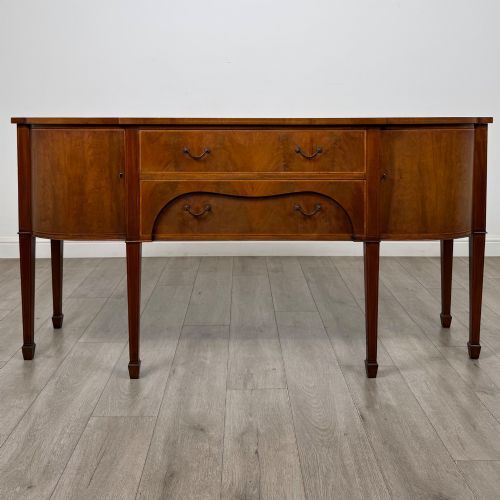
Look for symmetrical mahogany construction, delicate brass pulls, and tapered legs or spade feet. Design elements often follow classical proportions established by makers like Hepplewhite.
Inlays in satinwood or ebony frequently accent the primary timber without overwhelming the facade.
Can I use a dresser base in a hallway?
Dresser bases provide narrow storage footprints suitable for hallways, entryways, or living rooms alongside traditional dining spaces. Their drawer depth accommodates everyday items.
Ensure you measure clearance for doors and walkways before placement.