



Vintage Wood Bed Frame
A vintage wood bed frame anchors a bedroom with solid construction, historic timber and timeless proportion.
Vintage Wood Bed Frame
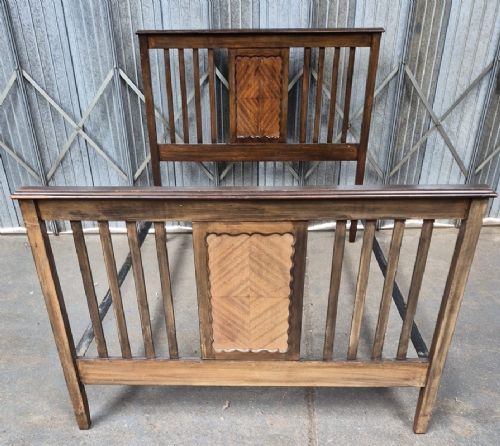
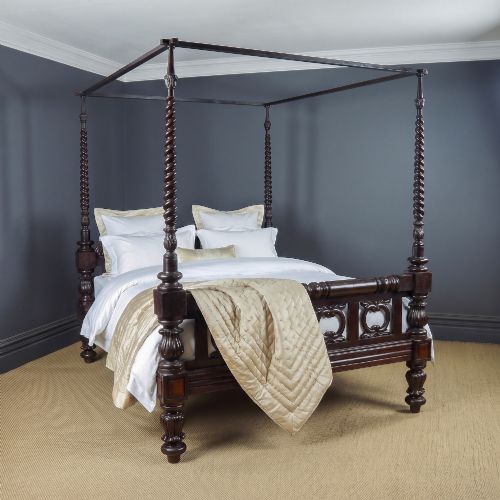
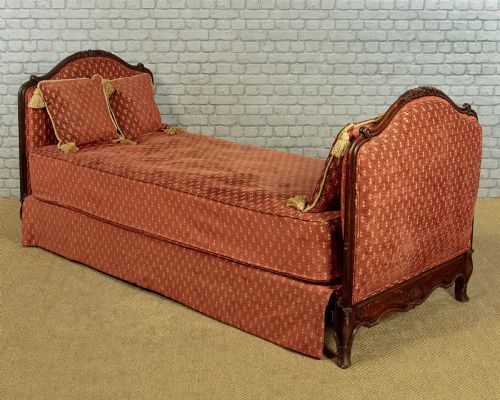
A vintage wood bed frame search brings up solid timber furniture ranging from the Victorian era through Edwardian workshops and into Art Deco designs. Buyers encounter everything from single beds and daybeds to generous king size bedsteads and four poster frames.
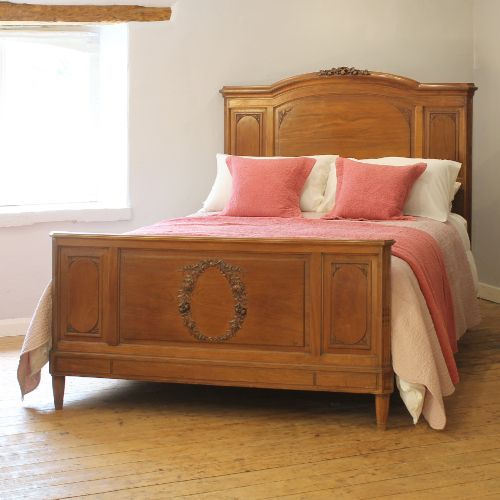
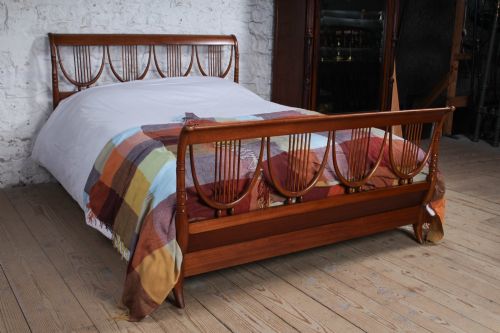
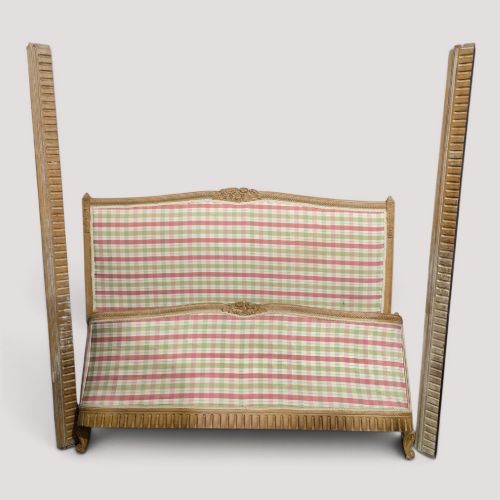
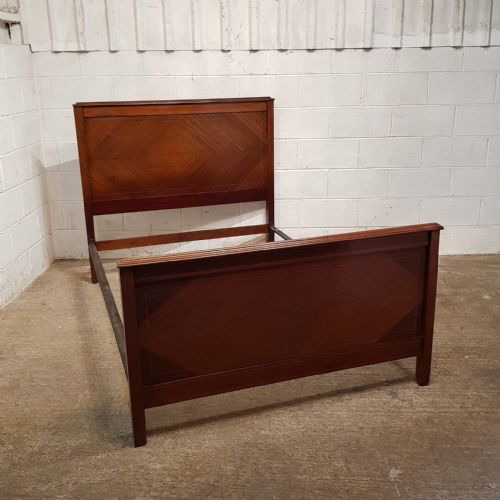
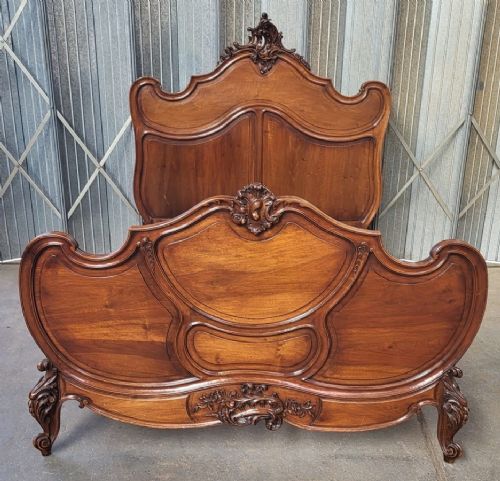
The most common versions on this page are Edwardian mahogany bedsteads, French walnut double beds from around nineteen-hundred, and nineteen-thirties Art Deco satinwood and walnut frames. These pieces span single, double, and king sizes suited to modern mattresses with appropriate support.
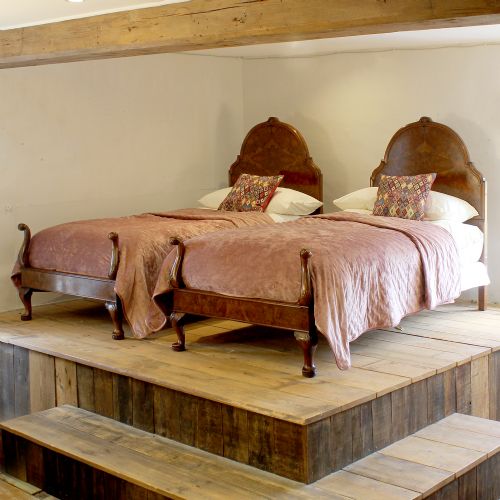
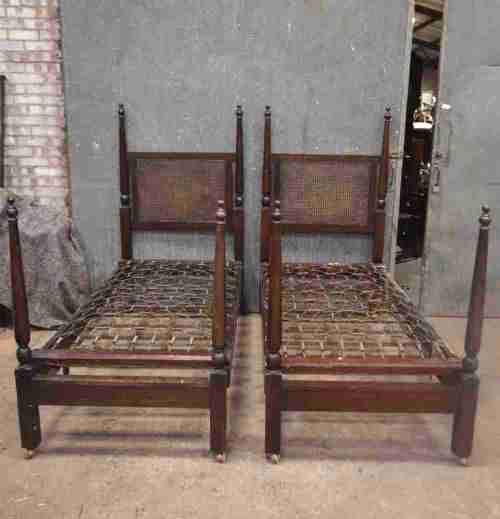
Origins include British cabinet makers, continental European workshops, and specific regional styles such as French provincial, Dutch, and Anglo Indian designs. Pieces appear in various configurations including low-end beds, four poster structures, and twin pairs.
Materials and construction methods
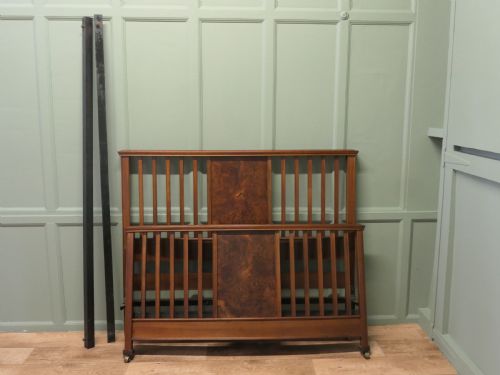
Cabinet makers utilised dense hardwoods such as mahogany, walnut, burr walnut, cherry wood, sweet chestnut, oak, and satinwood, often enhanced with birch or birds eye maple veneers. Frames frequently incorporate structural iron brackets, brass detailing, and faux bamboo turnings.
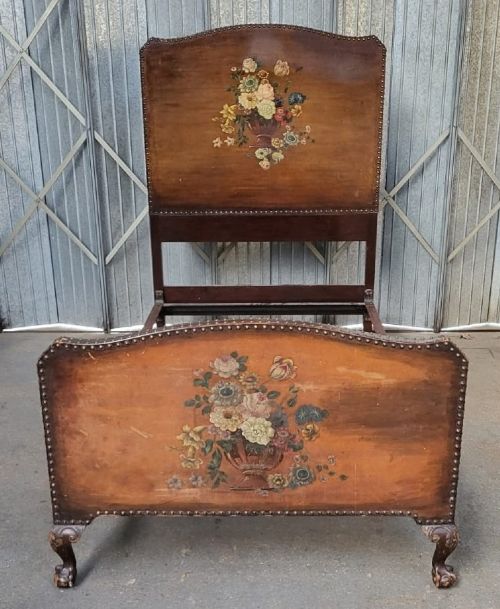
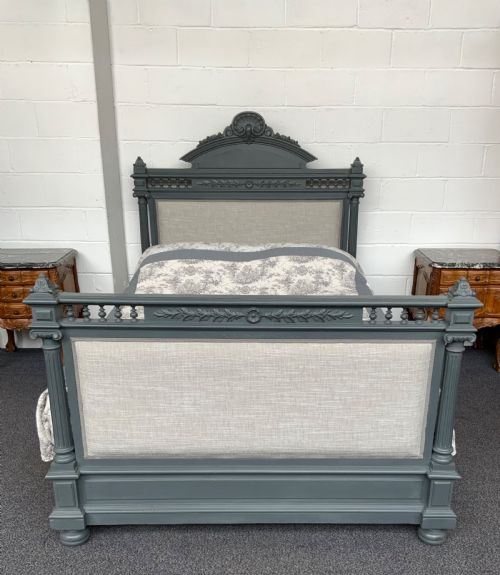
Surface finishes range from hand painted and limed treatments to polished timber showing natural grain patterns. Decorative elements include carved mouldings, inlaid satinwood stringing, bergere cane panels, and upholstered components in leather or fabric.
Vintage Wood Bed Frame Retail Price Guide 2026
Typical asking prices for vintage wood bed frame among the pieces listed under this phrase on Sellingantiques today, from the lower quarter to the upper quarter. They describe what is for sale here now, not the wider market.
Listings feature woods such as walnut, mahogany, satinwood, oak, and sweet chestnut across Victorian, Edwardian, and Art Deco periods.
Distinctions in quality
Quality rests in the selection of timber figures, such as burr walnut or blonde birds eye maple, matched with precise cabinet joinery and substantial framing timbers. Superior examples display crisp hand carving, integrated bedside tables, and balanced proportions across larger king or four poster sizes.
Plain secondary woods or heavy subsequent modifications lower the standing of a piece compared to untouched original frames from recognised periods like Edwardian or Art Deco workshops.
Stanley Webb Davies
The Vintage Wood Bed Frame Glossary
- Bedstead
- A framework of a bed supporting the springs and mattress. This term often appears interchangeably with bed frame in older listings.
- Bergere
- A closed upholstered armchair or panel style using woven cane. In beds, it refers to cane headboard or footboard inserts.
- Burr walnut
- Wood taken from a walnut tree growth or burl that produces intricate, swirling grain patterns. Cabinet makers prized this timber for high-end decorative veneering.
- Four poster
- A bed with four vertical columns supporting a tester or canopy top. Historical examples range from Georgian to Anglo Indian designs.
- Satinwood
- A durable, lustrous yellow timber imported from tropical regions. It provided a pale, reflective surface popular in Edwardian and Art Deco inlay work.
Vintage Wood Bed Frame: Frequently Asked Questions
Will an antique bed frame fit a modern mattress?
Many older bed frames accommodate standard mattress sizes, though historical dimensions can vary slightly from modern metric or imperial standards. Buyers often check internal length and width measurements before purchase.
Adjustment or custom support slats can help secure modern mattresses safely within antique wooden side rails without altering the external frame.
How do I assemble a vintage wood bed frame?
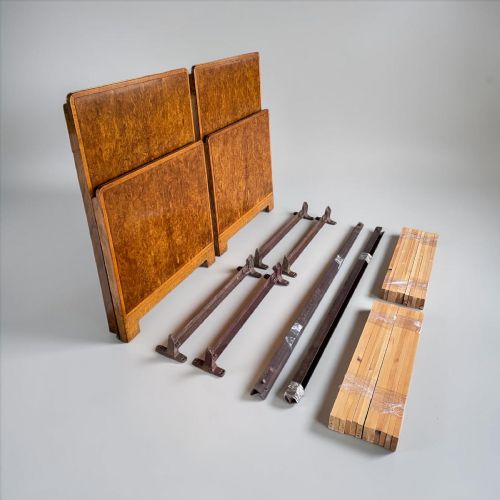
Most vintage frames utilise traditional side rail bolts, iron bed hooks, or slot-in tenon joints that lock the headboard, footboard, and rails together securely. Proper assembly requires two people to keep the frame square while tightening.
Checking that the corner brackets and bolts remain firm ensures the bed stays stable during everyday use.
What is the difference between Edwardian and Art Deco beds?
Edwardian bed frames typically feature traditional mahogany or inlaid satinwood with classical proportions, Georgian revival details, or painted Dutch styling. They lean towards warm, historic revival aesthetics.
Art Deco beds from the nineteen-thirties favour geometric symmetry, blonde woods like birds eye maple, macassar ebony contrasts, and streamlined surfaces with integrated tables.
How should I care for polished walnut and mahogany?
Wood surfaces benefit from occasional cleaning with a soft cloth and natural beeswax to maintain the finish without building up heavy chemical residue. Avoiding direct sunlight and sudden temperature changes protects the timber and veneer.
Keeping humidity stable in the room prevents the wood from drying out or splitting over time.