
Vintage Wine Glasses
These vintage wine glasses span Georgian baluster stems to Art Deco crystal forms, offering distinct historical character for your table.
Vintage Wine Glasses
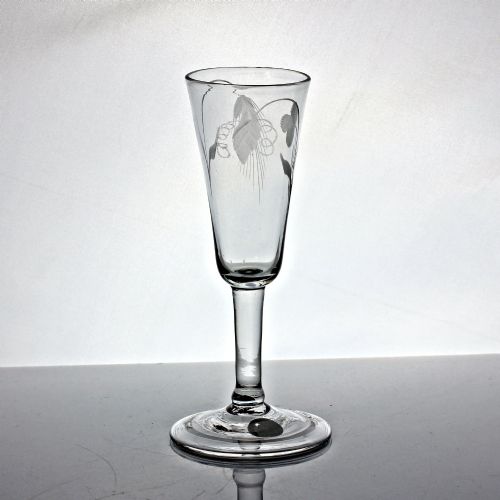
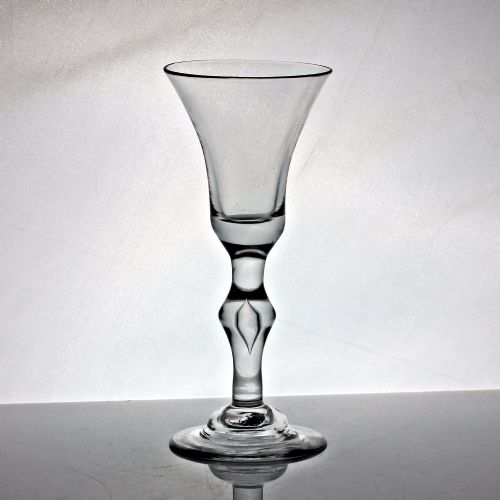
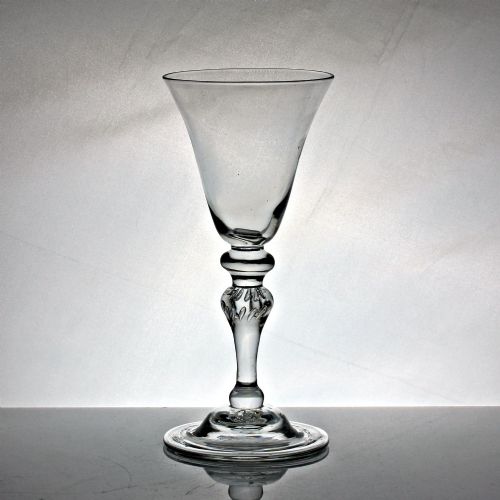
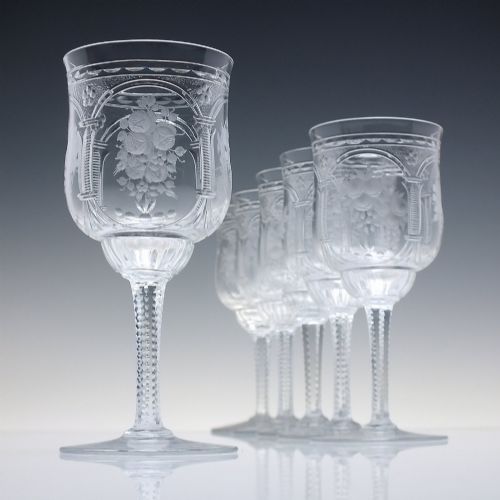
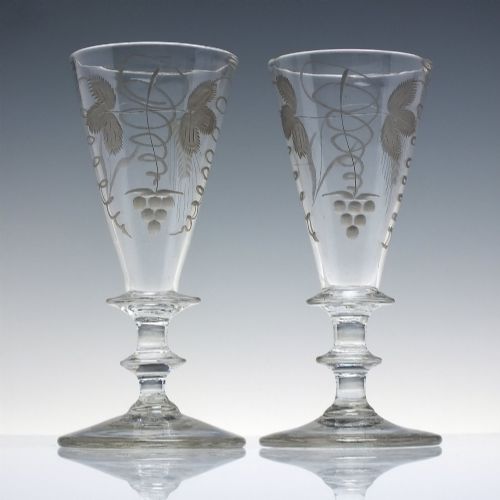
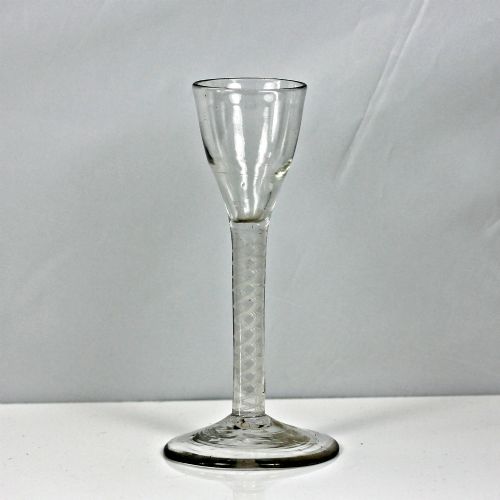
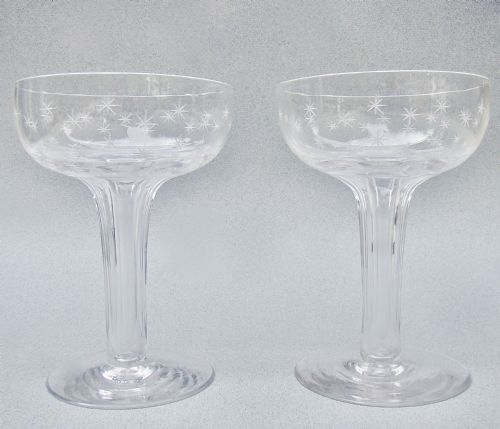
When you search for vintage wine glasses, you encounter drinking vessels, goblets, rummers, and hock glasses spanning the eighteenth century through the art deco period. The selection includes eighteenth century balustroid and baluster stem examples with engraved bowls, alongside Victorian star-etched champagne glasses and coloured dessert pieces.
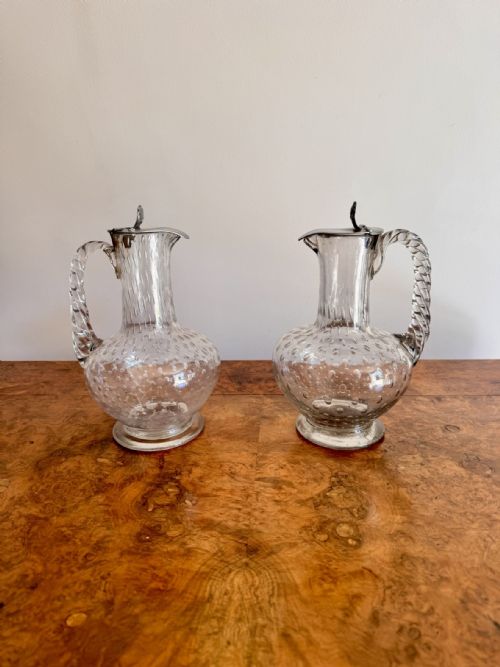
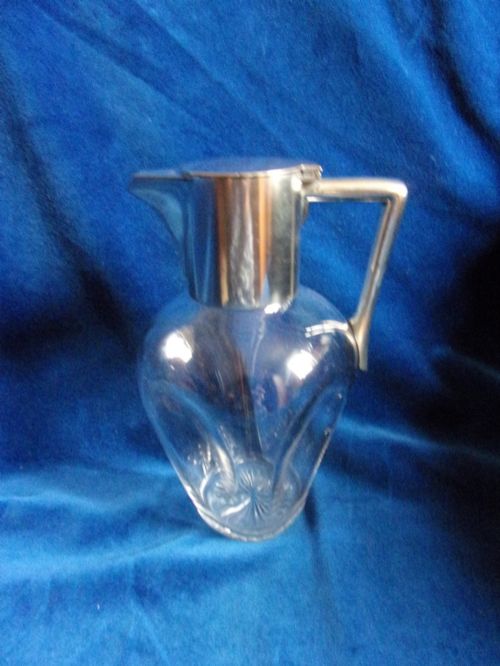
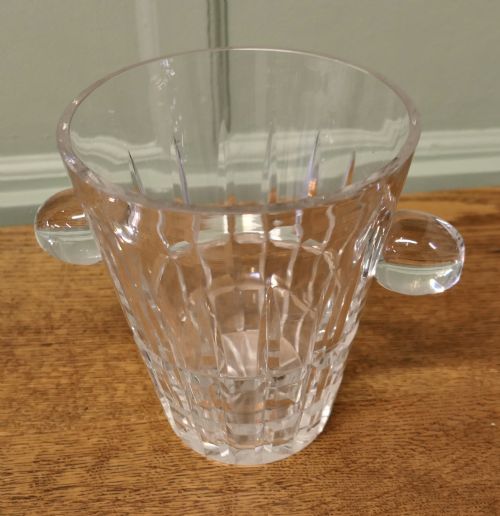
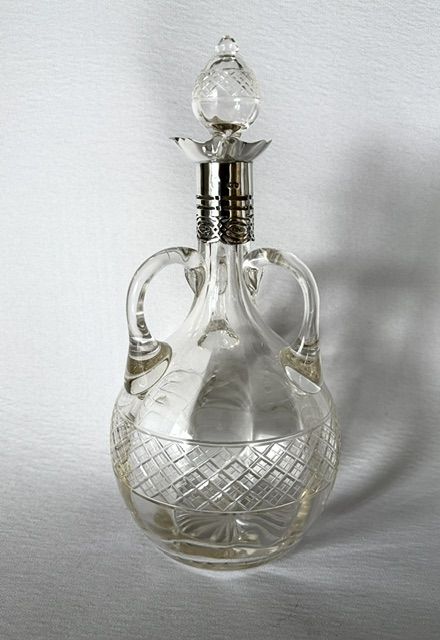
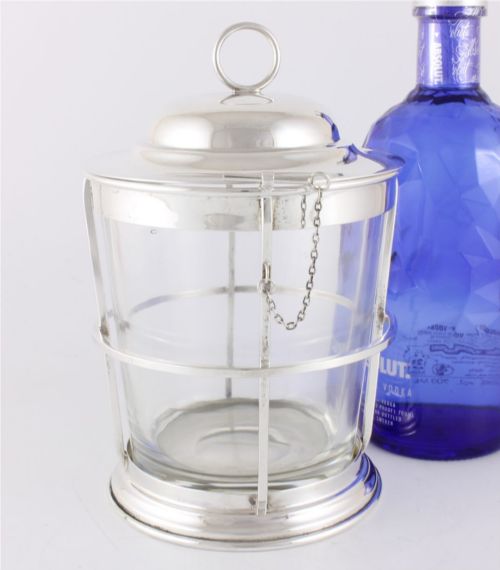
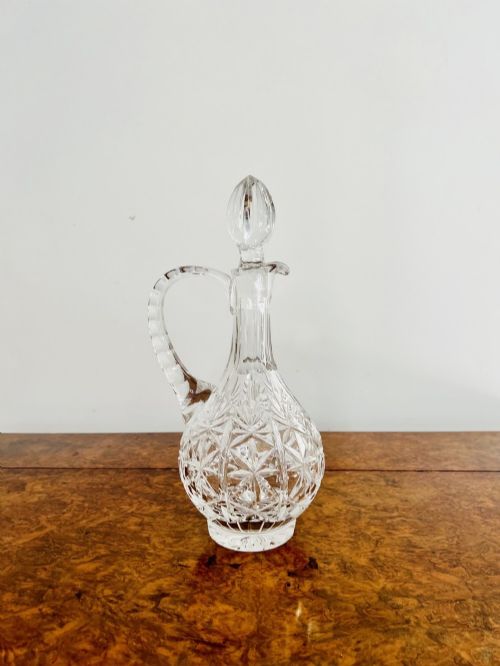
You are most likely to meet nineteenth and early twentieth century glassware on this page, reflecting periods from the Georgian era to the Edwardian and Art Deco movements. Alongside drinking vessels, the category encompasses related forms such as claret jugs, decanters, and ice buckets manufactured from clear, lead, and cut glass.
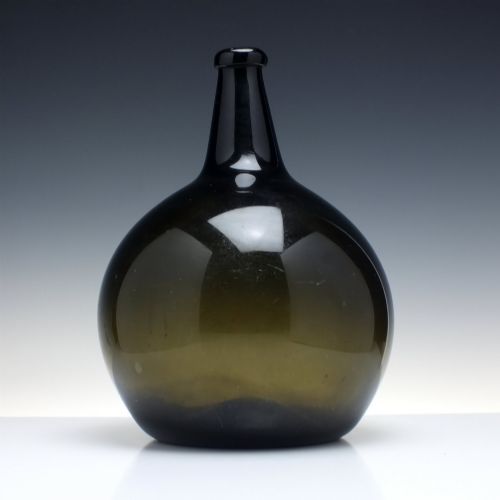
Origins stretch across England, Ireland, France, Bohemia, and Scotland, demonstrating diverse regional aesthetics from green Bristol glass to Bohemian cobalt crystal and French crystal wine coolers. The forms range from small drinking glasses to large wine bottles and hock glasses featuring enamel decoration or silver-plated mounts.
What varies in quality
Quality separates simple utility glass from masterwork creations through the clarity of the material and the precision of the cut or engraved decoration. Lead content and crystal purity dictate the brilliance and resonance of the vessel.
The refinement of the stem formation, such as opaque twists or baluster nodes, and the crispness of star-etching or wheel-cut facets distinguish finer examples. Furthermore, the integration of silver-plated or sterling silver mounts demonstrates the overall standard of the finished object.
The listings show periods spanning from the eighteenth century Georgian era through Victorian, Edwardian, and Art Deco eras, executed in lead crystal, cut glass, and silver plate.
Baccarat·Tiffany and Co·Rene Lalique
The Vintage Wine Glasses Glossary
- Baluster stem
- A heavy, turned stem resembling an architectural baluster, frequently seen on eighteenth century drinking vessels.
- Hock glass
- A tall-stemmed wine glass traditionally used for German white wine, often found in coloured crystal variations.
- Opaque twist
- A decorative technique inside a glass stem created by drawing out coloured enamel rods during manufacture.
- Rummer
- A large, sturdy drinking glass popular in the eighteenth and nineteenth centuries for serving wine or punch.
- Domed foot
- A raised, convex base supporting the stem of a drinking glass to provide stability and visual balance.
Vintage Wine Glasses: Frequently Asked Questions
How do I identify eighteenth century wine glasses?
Eighteenth century wine glasses typically feature heavy lead glass construction with baluster or balustroid stems, folded feet, and hand-engraved hop and barley motifs on the bowl.
Such pieces feel notably heavy for their size due to the high lead content used by glasshouses of that era, distinguishing them from later, lighter machine-made glassware.
What is the difference between lead crystal and standard glass?
Lead crystal contains a percentage of lead oxide which increases the weight, refractive index, and acoustic resonance of the material compared to standard clear glass.
This composition allows artisans to execute deep, sharp hand cuts that catch the light more brilliantly than is possible with ordinary soda-lime glass.
Can I use vintage wine glasses for everyday dining?
Vintage wine glasses can be utilised for daily dining provided you handle them with care, hand wash them exclusively, and avoid using them in dishwashers. Sturdier forms such as Georgian rummers or Victorian dessert glasses tolerate careful regular use well.
Delicate lead crystal pieces with intricate twist stems or enamel work are better reserved for special occasions to preserve their fragile historical condition.