


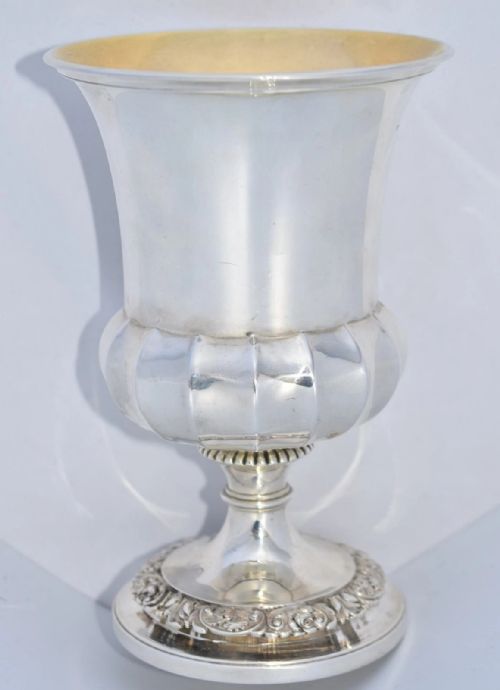

Vintage Wine Chalices
These vintage wine chalices span Georgian silver to Edwardian glass, offering serious drinkers a tactile connection to historical ritual.
Vintage Wine Chalices
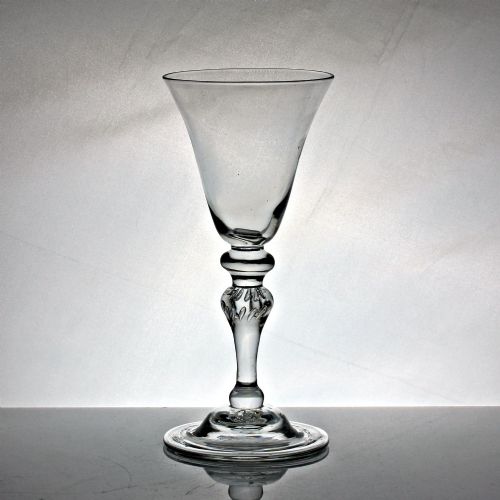
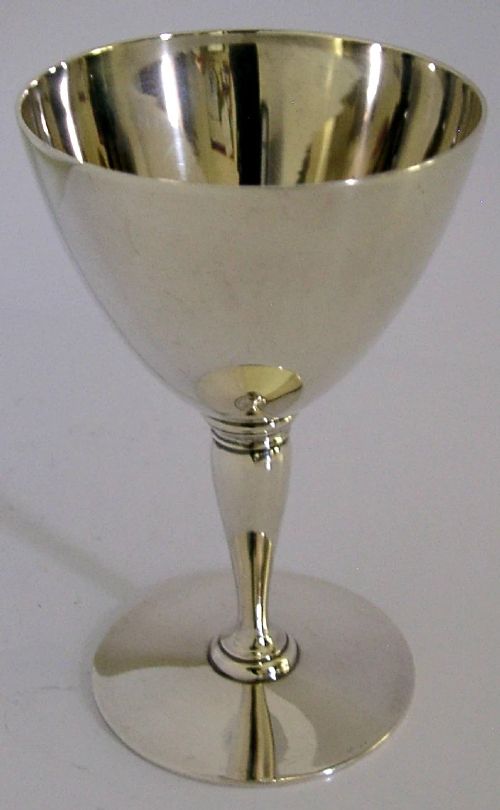
When you search for vintage wine chalices, you encounter heavy drinking vessels designed with stems and substantial bowls. The selection encompasses weighty sterling silver chalices alongside fragile lead crystal and coloured glassware.
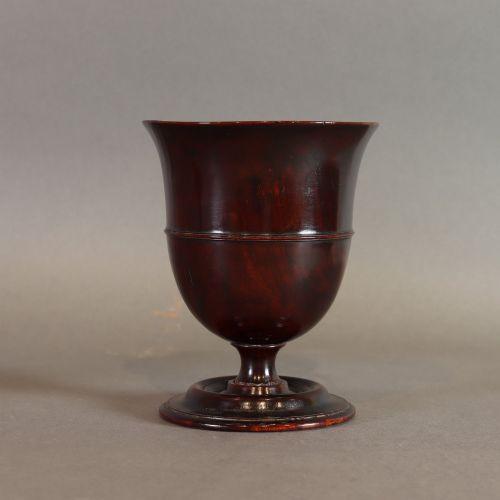
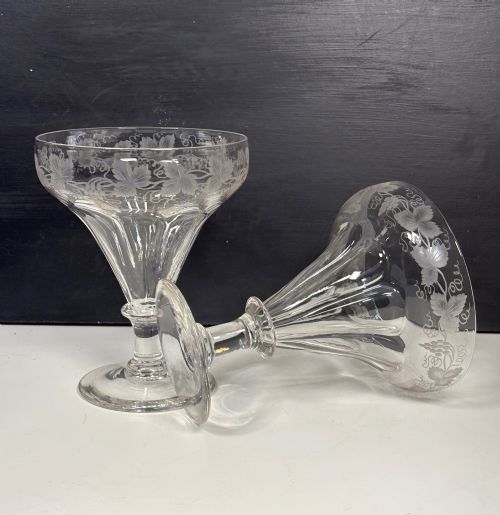
Georgian silver examples sit alongside Victorian cut and frosted goblets and early twentieth century art glass. You also find treen pieces carved from lignum vitae and silver plated mess hall cups.
The assortment reaches from mid eighteenth century balustroid glasses to nineteen twenties deco cocktail cups. These forms serve ritual Kiddush purposes, formal dining, and display.
Materials and methods
Silver items are forged from sterling or old Sheffield plate, often bearing bright cut engraving or hallmarks from London and Sheffield silversmiths. Glass vessels combine lead crystal, clear glass, and coloured glass shaped into plain stems or balustroid forms.
Decoration relies on surface techniques including wheel cutting, etching, frosting, and polychrome enamel work on bohemian roemers. Treen examples utilise dense turned woods like lignum vitae for turned pedestal shapes.
Some nineteenth century drinkers preferred bowls so wide they required both hands to manage a hearty toast.
Judging quality
Quality rests in the precision of the silversmith's hand or the clarity of the glass metal. Heavy gauge sterling silver maintains crisp engraving, whereas inferior plated items show wear down to the base metal.
In glassware, superior pieces display sharp wheel cuts, balanced stems, and unblemished metal without excessive bubbles. Maker attribution, such as signed bohemian enamelwork or documented London hallmarks, elevates individual specimens.
William Eaton·James Deakin And Sons·Frits Hechert·Adelbert Niemeyer·Tiffany And Co
The Vintage Wine Chalices Glossary
- Balustroid
- A stem form imitating architectural balusters, common in eighteenth century drinking glasses. It provides a sturdy grip below the bowl.
- Kiddush cup
- A ritual goblet used in Jewish households for sanctifying the Sabbath and festivals. These frequently appear in silver.
- Rummer
- A large, heavy drinking glass popular in the eighteenth and nineteenth centuries with a short stem and capacious bowl. It suits hearty wines and ales.
- Roemer
- A traditional Germanic drinking vessel featuring a spherical bowl on a studded cylindrical stem. They often utilise green glass with enamel decoration.
- Lignum vitae
- A dense, heavy wood used for turned treen drinking vessels. It resists cracking and absorbs moisture well.
Vintage Wine Chalices: Frequently Asked Questions
How do I clean old silver chalices?
Wash silver chalices gently in warm soapy water using a soft cloth, avoiding harsh abrasive dips that strip aged patination.
Dry them immediately with a microfiber towel to prevent water spots and preserve the original bright cut surface.
Can I drink wine from antique glass?
You can drink from antique glass provided it has no structural cracks or hazardous lead leaching concerns from modern storage. Hand wash only and avoid extreme temperature shocks with chilled wine.
Assess the rim for smoothness to ensure comfortable use during dining.
What is the difference between a goblet and a chalice?
Goblets generally denote secular drinking vessels with stems, used across dining tables and taverns throughout history. Chalices traditionally imply a sacred or ritual context, such as ecclesiastical or Kiddush use.
In antique markets, the terms often overlap depending on form and material.
How do I date Georgian wine glasses?
Examine the weight of the metal, the presence of pontil marks on the base, and stem construction styles like air twists or balusters. Eighteenth century pieces typically exhibit heavier lead content and hand finished bases.
Compare hallmarks on silver variants against official registry records.