
Vintage White Gold Ring
Choosing a vintage white gold ring means selecting a piece that bridges classic craftsmanship and enduring metalwork.
Vintage White Gold Ring
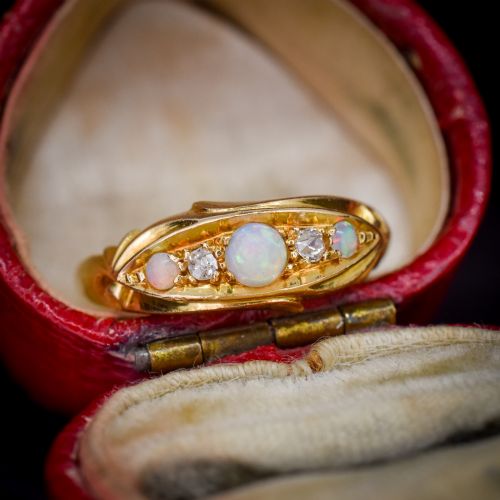
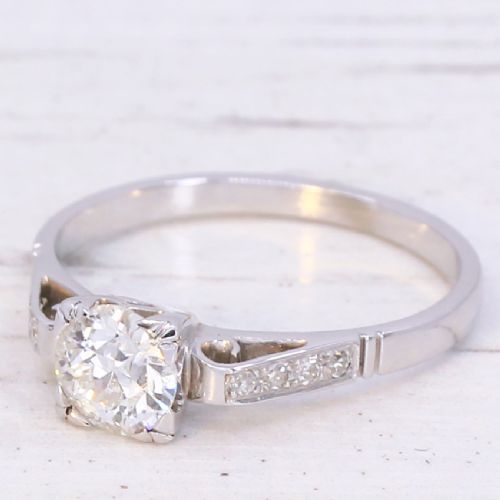
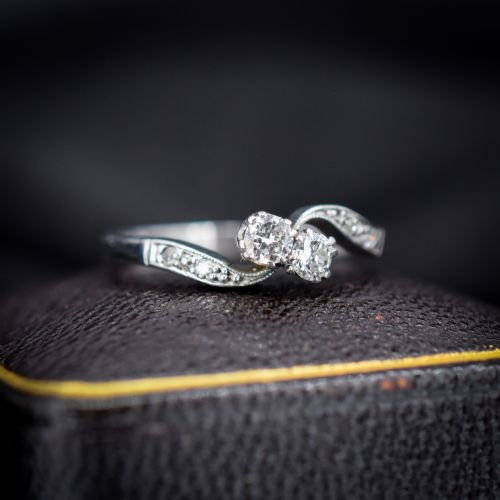
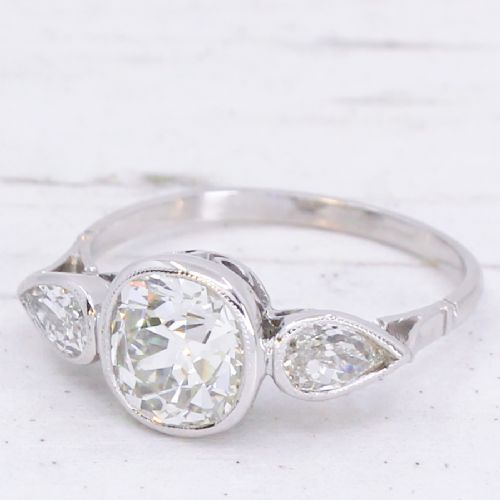
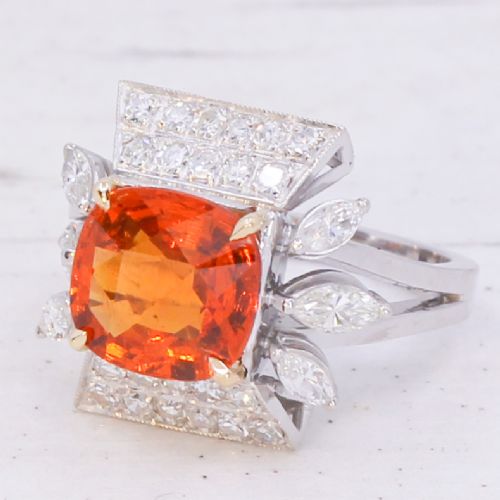
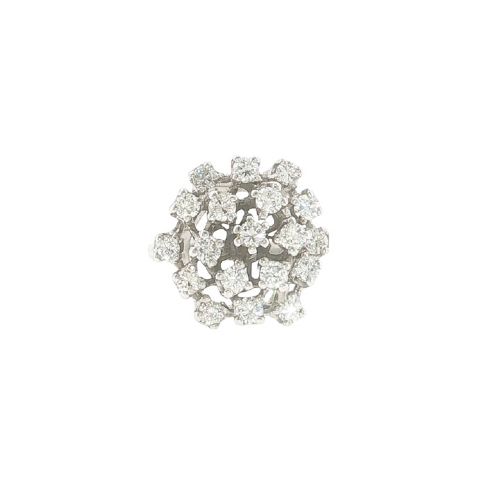
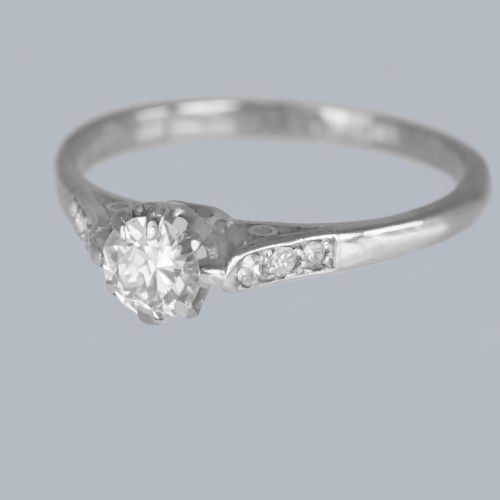
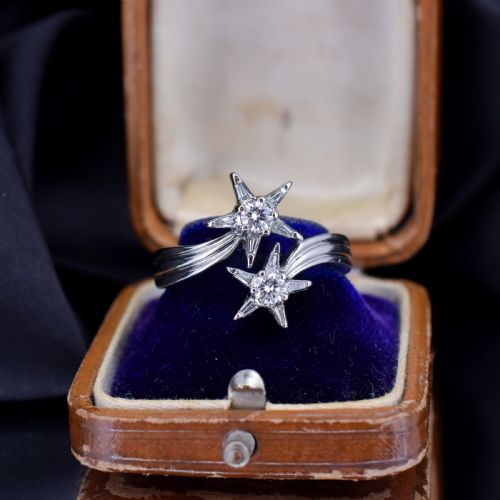
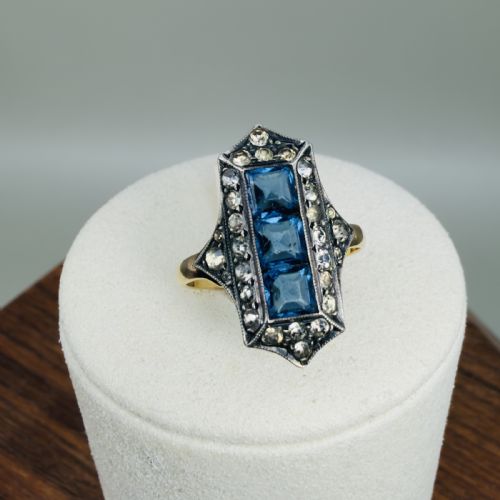
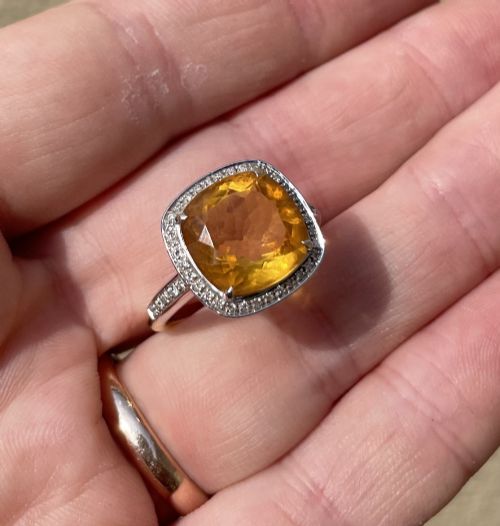
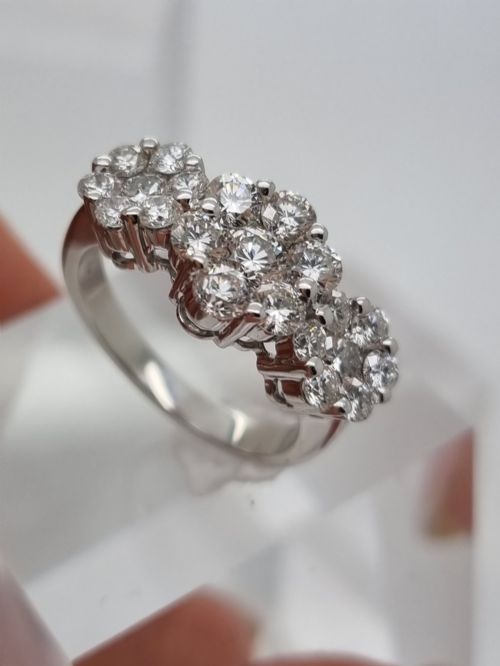
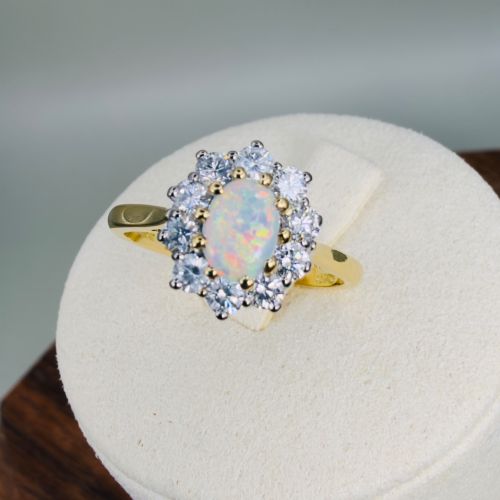
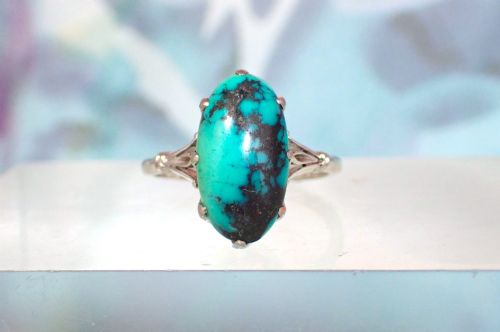
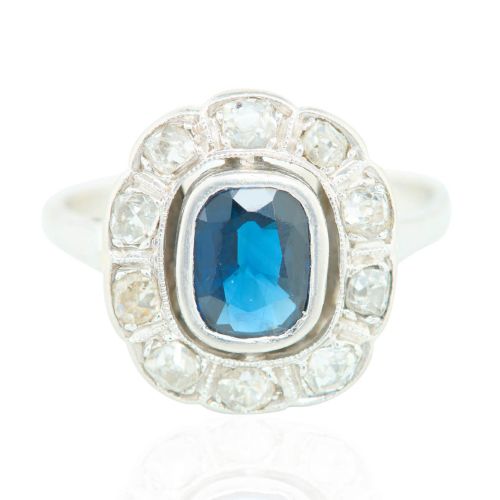
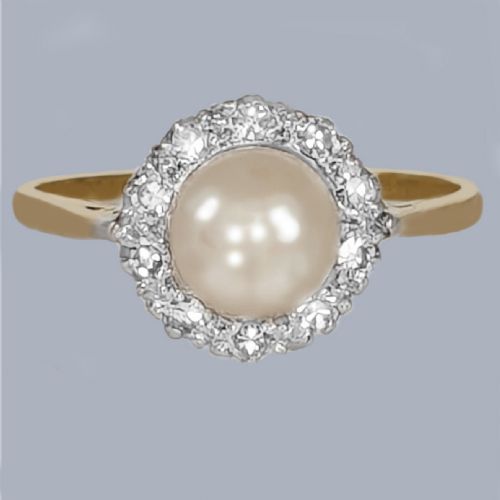
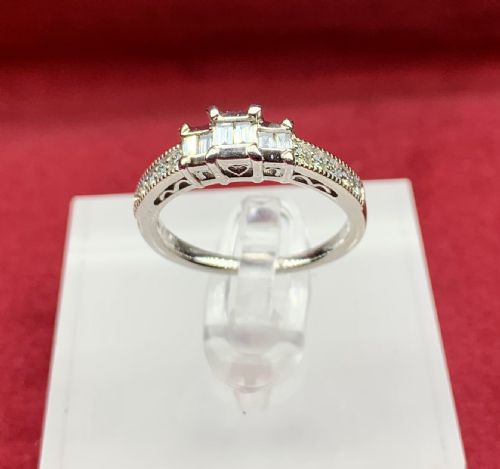
A vintage white gold ring brings together decades of design history, ranging from intricate Edwardian creations to bold mid-century styles. These pieces encompass engagement rings, cocktail rings, and daily wear bands set with diamonds or coloured gemstones.
Each ring reflects the aesthetic priorities of its decade, balancing precious stones with the cool lustre of the metal. Whether searching for a delicate twist band or a prominent statement cluster, the inventory provides a direct connection to past jewellery traditions.
How They Were Made
Metals such as 18ct white gold, platinum, and standard gold form the structural foundations of these rings, providing secure settings for complex gem arrangements. Artisans combined traditional casting and hand-working techniques to construct delicate claws, bezels, and shoulders.
Gemstones including old cut diamonds, sapphires, rubies, and opals were meticulously hand-set into the metal frames. Techniques like calibre-cut stone placement and milgrain detailing were utilised to enhance the geometric precision of Art Deco and mid-century designs.
Vintage White Gold Ring Retail Price Guide 2026
Typical asking prices for vintage white gold ring among the pieces listed under this phrase on Sellingantiques today, from the lower quarter to the upper quarter. They describe what is for sale here now, not the wider market.
Some vintage cocktail rings carry enough sparkle to blind a room of polite tea drinkers.
What Varies in Quality
The standard of a ring depends upon the precision of the stone setting and the integrity of the metalwork over time. Superior examples display secure prongs, crisp gallery work, and matched gemstone clarity without compromising the original design proportions.
Mastery of hand-cut stones, particularly older diamond cuts like old European or cushion shapes, dictates the visual depth of the piece. Craftsmanship shines in how seamlessly the white gold supports complex multi-stone arrangements like clusters and eternity bands.
The Vintage White Gold Ring Glossary
- Art Deco
- A design style from the 1920s and 1930s characterised by geometric symmetry, clean lines, and stylised motifs.
- Old Cut
- A diamond cutting style prevalent before modern brilliant standards, featuring smaller tables and high crowns that produce a softer, candlelit sparkle.
- Cluster Ring
- A ring style featuring a central gemstone surrounded by a border of smaller stones, typically diamonds.
- Toi Et Moi
- A two-stone ring design symbolising two souls intertwined, popular in antique and vintage periods.
- Milgrain
- A jewellery technique involving a line of tiny metal beads along the edges of a setting, adding a refined textural border.
Vintage White Gold Ring: Frequently Asked Questions
How do I care for a vintage white gold ring?
Clean your ring gently with warm soapy water and a soft brush, avoiding harsh chemical dips that strip the metal or damage softer stones like opal.
Store the piece separately in a fabric-lined box to prevent scratching from harder diamonds or platinum settings.
Can these rings be resized?
Most gold and platinum bands allow for resizing by a skilled jeweller, though intricate eternity bands or those with continuous shoulder work require specialist care.
Consult a professional to assess the shank thickness and structural integrity before attempting any adjustments.
What is the difference between white gold and platinum?
Platinum is a naturally white, dense metal that maintains its colour throughout, whereas white gold is an alloy plated to achieve its bright silvery finish.
Both metals offer durability, but white gold may occasionally require replating to maintain its original lustre depending on wear.
How do I identify the period of a ring?
Examine the cut of the stones, the construction of the setting, and any visible hallmarks or stamps inside the band.
Art Deco pieces display geometric sharpness, while mid-century designs often lean towards organic floral motifs and distinct cluster arrangements.