

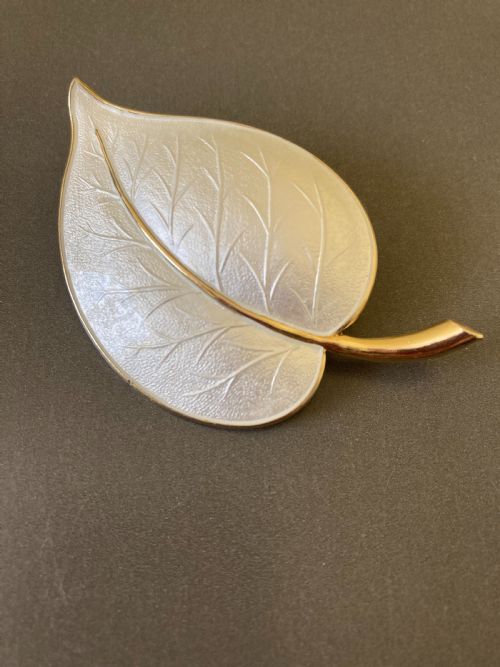


Vintage White Gold Pin
When you handle a vintage white gold pin, you hold a piece of jewellery designed to fasten fabric while displaying precious stones.
Vintage White Gold Pin
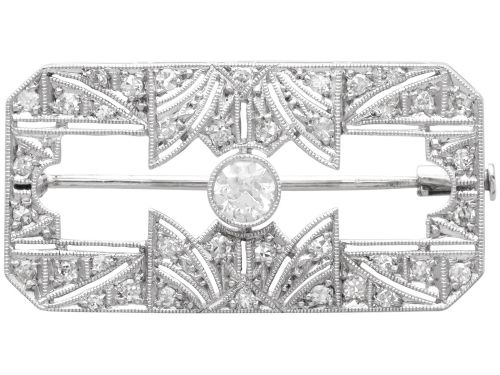
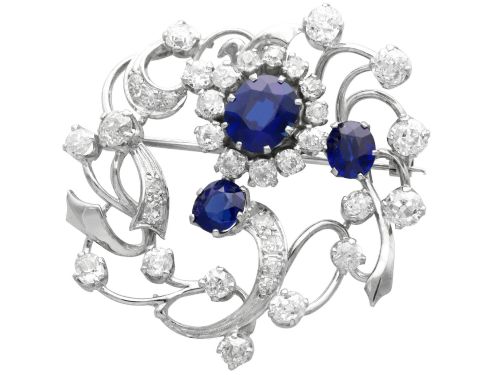
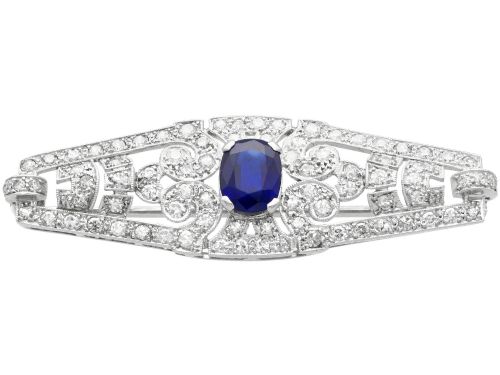
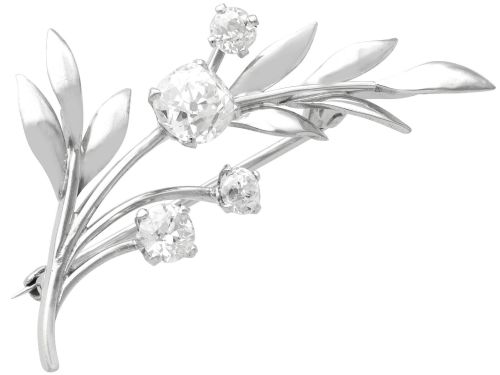
A vintage white gold pin serves as a functional fastener and a decorative accessory, taking the form of bar brooches, floral sprays, geometric plaques and circular shapes. These pieces appear across multiple eras, with Art Deco designs and mid-century examples forming a substantial part of the selection.
How they were made
Craftsmen shaped white gold and platinum into intricate mounts, utilising millegrain edges and openwork galleries to secure old cut and brilliant cut diamonds. Gemstones such as rubies, emeralds and sapphires were then hand-set into these precious metal frameworks.
Makers integrated specialised decorative elements like hand-painted ceramic plaques, rock crystal quartz, black onyx and vibrant enamel panels into the metal structures. The fastenings, including pin stems and safety catches, were soldered securely to the reverses of the brooches.
Common gemstones found alongside white gold include diamonds, rubies, sapphires, emeralds, and natural pearls.
What varies in quality
The standard of a piece rests upon the precision of the metalwork, the symmetry of the stone arrangement, and the clarity and cut of the diamonds or coloured gemstones. Superior examples demonstrate meticulous hand-setting and balanced proportions that elevate the object beyond simple utility.
The intricacy of the design and the preservation of delicate elements, such as enamel work or hand-painted ceramic details, distinguish finer pieces from standard production. Original components and secure, well-integrated fastenings further indicate superior craftsmanship.
Aksel Holmsen
The Vintage White Gold Pin Glossary
- White gold
- An alloy of gold combined with white metals such as palladium, silver or nickel. This alloy provides a durable, silvery backdrop for diamonds and precious stones.
- Art Deco
- A design style prevalent in the 1920s and 1930s characterised by geometric symmetry, stylised floral motifs and clean lines. Pieces from this period often utilise strong contrasts between white metal and dark stones like onyx.
- Millegrain
- A jewellery technique involving a line of tiny raised metal beads along the edge of a setting. It softens the appearance of the metal and frames the stones.
- Stickpin
- A long pin with a decorative head used to secure a cravat, scarf or lapel. The pin shaft is typically made of gold or base metal.
- Old cut
- A diamond cutting style used before modern brilliant cutting standards were established. These stones feature smaller tables, higher crowns and distinctive culets.
Vintage White Gold Pin: Frequently Asked Questions
How do I wear a vintage pin?
Pin these pieces to the lapel of a jacket, the shoulder of a dress, or the centre of a neckline to accent your outfit.
Ensure the fabric is sturdy enough to support the weight of the metal and stones without sagging.
Are white gold and platinum the same?
White gold is an alloy of yellow gold mixed with white metals, whereas platinum is a naturally white, denser precious metal.
Both materials were utilised across the Edwardian and Art Deco periods to mount diamonds and provide a silvery appearance.
How do I date a vintage pin?
Examine the design style, such as geometric Art Deco motifs or mid-century abstract forms, alongside the cut of the set stones.
Maker marks, metal purity stamps, and construction techniques also offer clues to the decade of manufacture.
Can these pins be converted?
Some collectors adapt brooches into pendants by attaching a hidden loop to the reverse without altering the original structure.
Professional jewellers should handle any modifications to preserve the integrity of the vintage metal and stone settings.