



Vintage Wedgwood
Vintage wedgwood gathers British ceramics from the nineteenth and twentieth centuries, spanning jasperware, lustre glazes, and functional dinner services.
Vintage Wedgwood
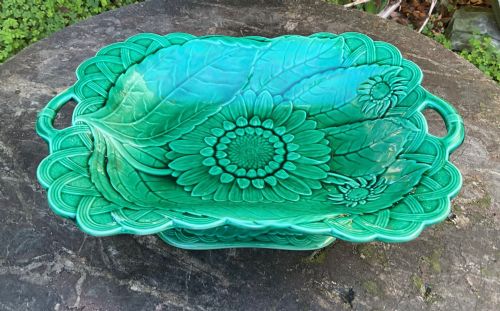
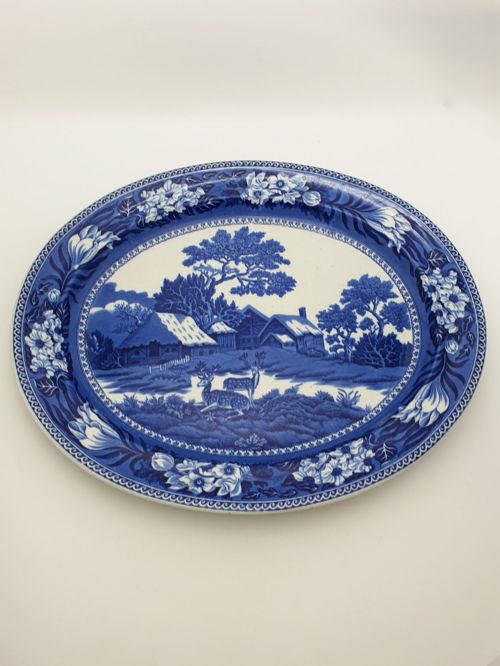
When searching for vintage wedgwood, collectors encounter a wide assortment of historic ceramics originating from various periods including Victorian, Edwardian, and twentieth-century decades. The selections range from decorative bowls, vases, and candlesticks to functional items such as measuring jugs, biscuit barrels, and complete dinner services.
The objects span multiple stylistic movements including Art Deco, Art Nouveau, Neoclassical, and Regency designs. Buyers most frequently meet pieces utilising Jasperware, stoneware, earthenware, and bone china across both decorative plaques and daily tableware.
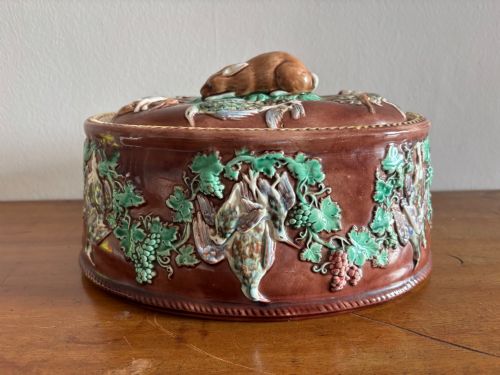
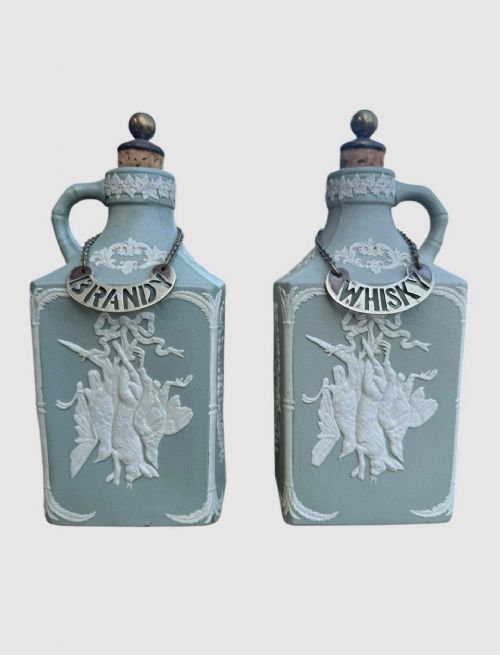
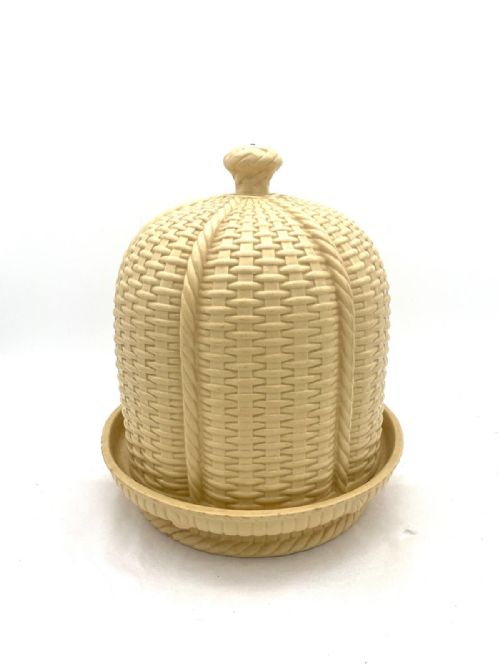
Earlier nineteenth-century examples often display restrained neoclassical relief or practical utility forms like drabware cheese domes and spirit flagons. Later twentieth-century outputs introduce vibrant lustre glazes and striking designer collaborations that define specific collecting categories.
How they were made
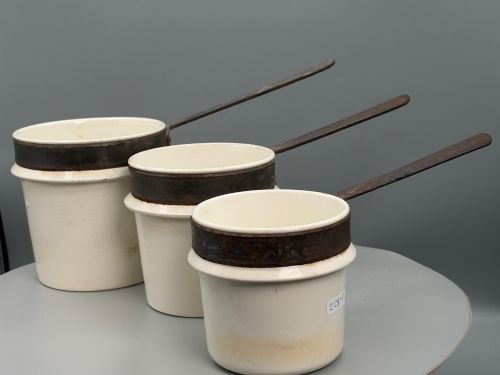
Ceramics in this category utilise specialised ceramic bodies such as fine earthenware, bone china, and dense stoneware. Stoneware and earthenware provide robust structural foundations for utilitarian items like measuring jugs and teasets.
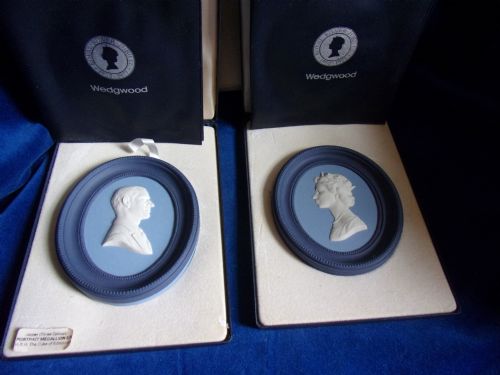
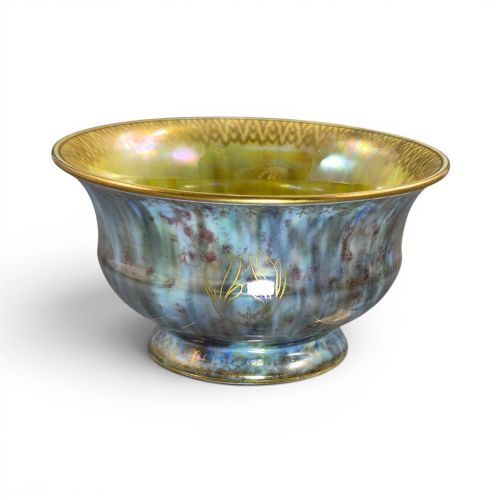
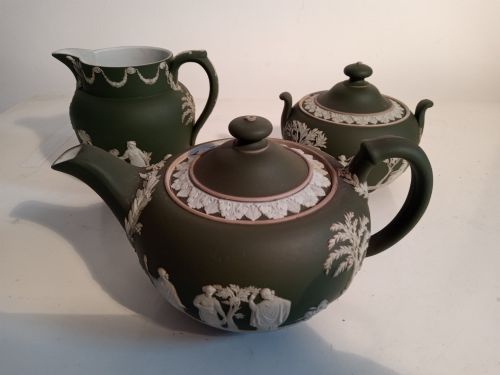
Jasperware incorporates fine-grained unglazed ceramic enriched with applied moulded reliefs, frequently in contrasting colours. Lustre glazes apply metallic finishes that create iridescent surfaces on decorative bowls and vases.
Vintage Wedgwood Retail Price Guide 2026
Typical asking prices for vintage wedgwood among the pieces listed under this phrase on Sellingantiques today, from the lower quarter to the upper quarter. They describe what is for sale here now, not the wider market.
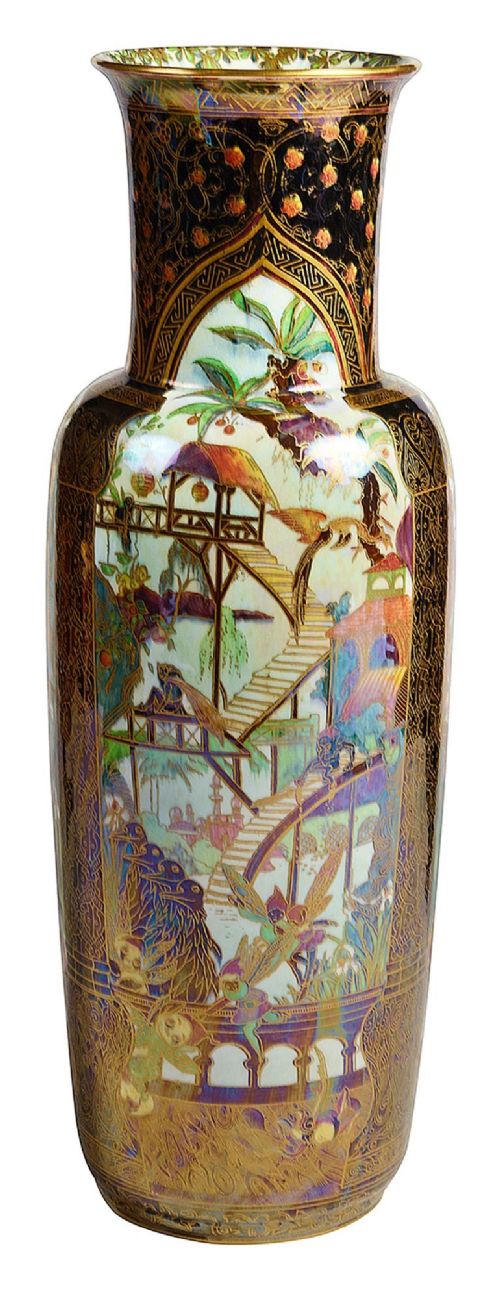
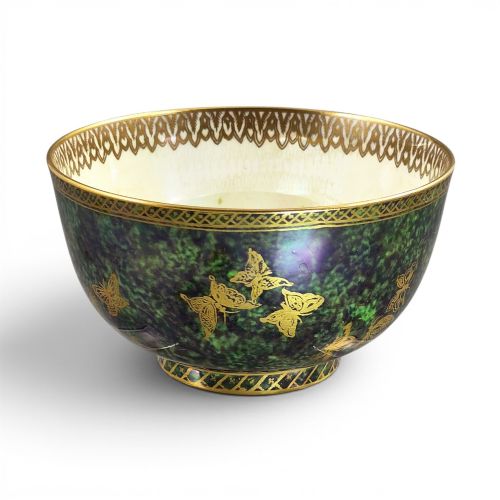
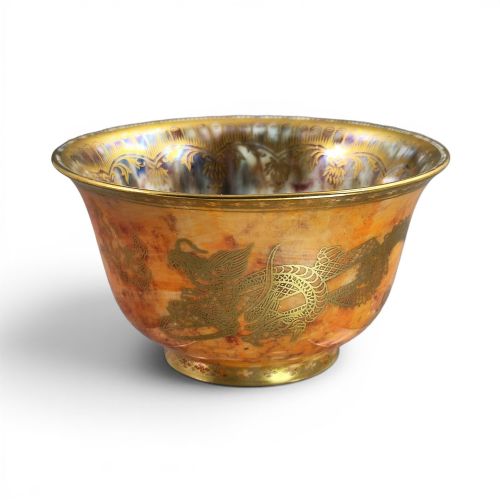
Early twentieth-century studios populated fine porcelain bowls with glowing fairies, dragons, and mystical butterflies.
What varies in quality
Quality differences stem from the precision of the modelling, the crispness of applied relief details, and the complexity of surface decoration. Hand-painted lustre finishes and multi-coloured jasper compositions demand high technical skill from the potter.
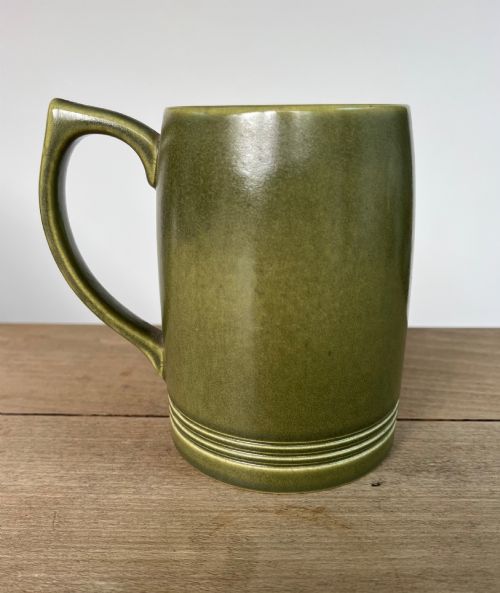
Artistic authorship significantly influences desirability, with pieces designed by notable figures commanding distinct attention compared to standard production wares. The consistency of the glaze application and the preservation of delicate surface ornamentation determine the overall standing of an individual ceramic object.
Keith Murray·Daisy Makeig-Jones·James Hodgkiss·Thomas Allen·Clare Leighton
The Vintage Wedgwood Glossary
- Jasperware
- A type of fine stoneware developed by Josiah Wedgwood featuring a matte surface, typically ornamented with white neoclassical raised reliefs against a coloured ground. It appears in various hues including blue, green, and yellow.
- Fairyland Lustre
- A distinctive line of decorative ceramics developed during the early twentieth century featuring fantastical scenes of goblins, elves, and dragons rendered in rich iridescent metallic glazes. These items were designed by Daisy Makeig-Jones.
- Queen's Ware
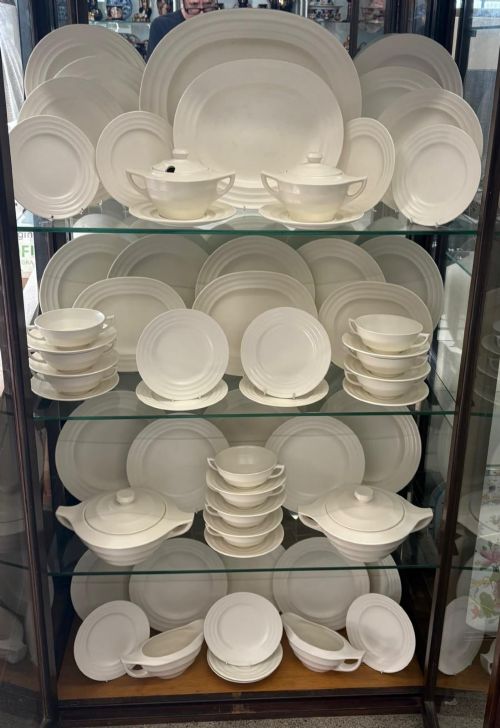
- A refined cream-coloured earthenware perfected in the eighteenth century and continued into later production eras. It provides a smooth pale body suitable for domestic dinner services.
- Drabware
- A utilitarian stoneware or earthenware body characterised by a subdued brownish-grey or olive tone. It was frequently utilised for practical kitchen and pantry items such as cheesedomes.
- Bone china
- A hard-paste ceramic composed of bone ash, feldspar, and kaolin. This material yields a translucent body used primarily for refined teasets and tableware.
Vintage Wedgwood: Frequently Asked Questions
What periods do vintage wedgwood ceramics cover?
The pieces span from the nineteenth century through the Edwardian era and into the mid-twentieth century. This includes Victorian neoclassical wares and later Art Deco designs.
Production methods and artistic styles evolved significantly across these decades, shifting from classical restraint to colourful decorative experimentation.
How do I care for vintage wedgwood pieces?
Gentle hand washing with warm water and mild soap preserves the delicate surface decoration and metallic lustre glazes. Avoid abrasive cleaning implements that can scratch the ceramic body.
Display items away from direct sunlight to maintain the integrity of coloured jasperware and painted details over time.
What is Jasperware?
Jasperware is a fine-grained, unglazed stoneware developed by the pottery to showcase contrasting applied relief decorations. The most recognisable versions feature white classical figures against a pale blue background.
Variations also include green, yellow, and multi-coloured body compositions across different manufacturing periods.
How are lustre wares decorated?
Lustre wares utilise metallic oxide films applied to the ceramic surface and fired to create an iridescent, shimmering effect. Designers built complex miniature scenes using these shimmering pigments.
This technique produced highly reflective bowls, vases, and miniature vessels with dramatic visual depth.