


Vintage Watercolor Landscape
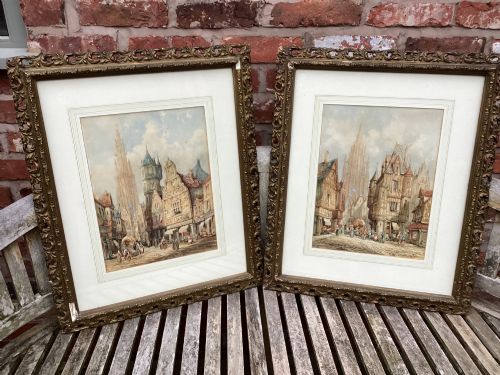
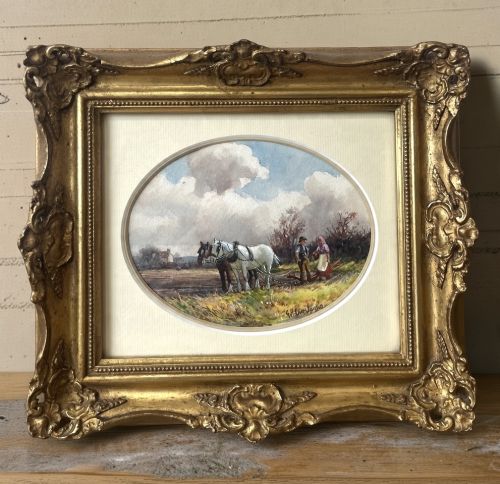
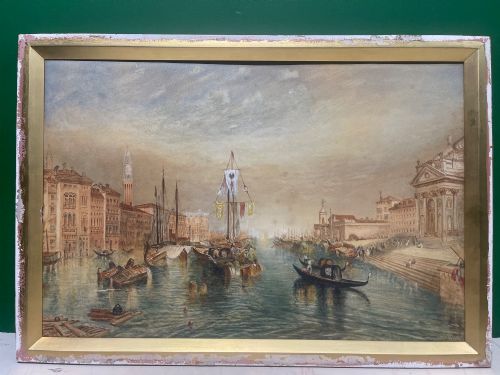
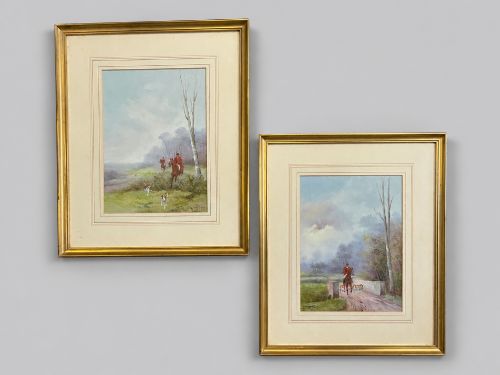
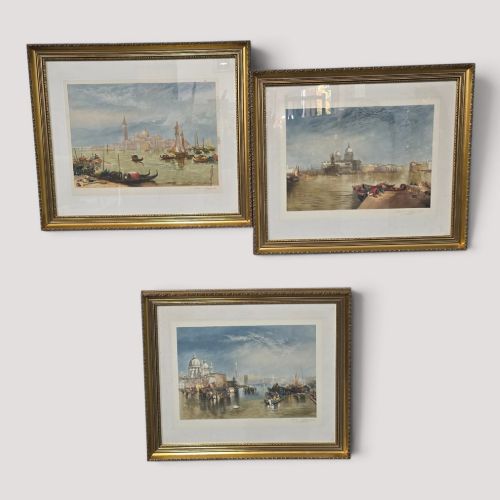
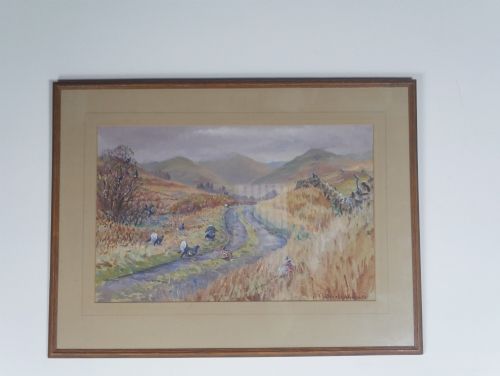
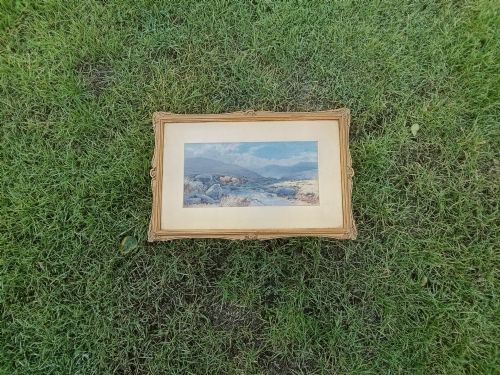
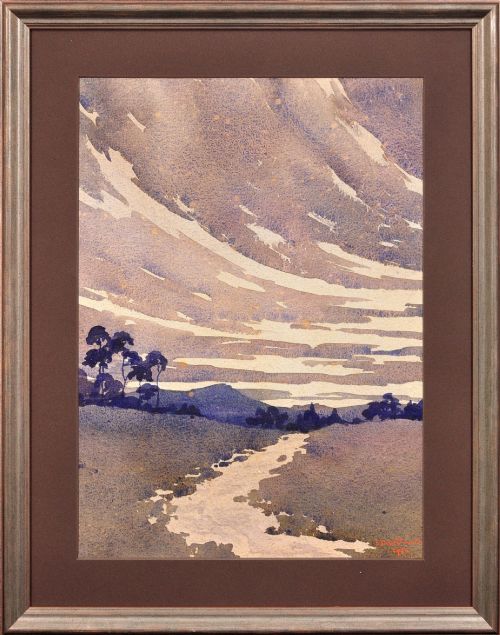
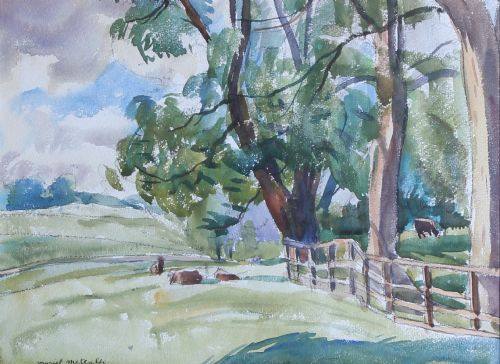
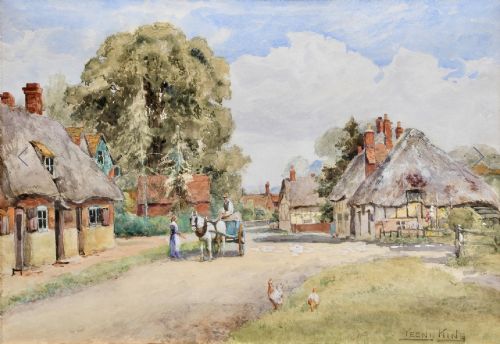
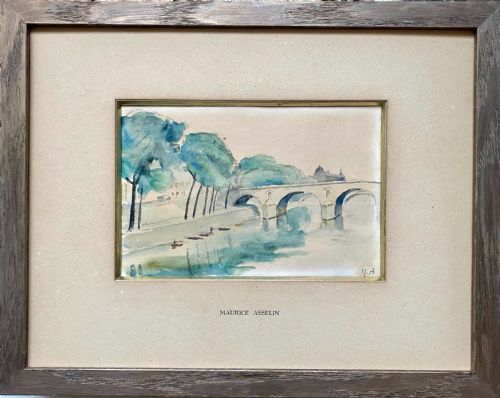
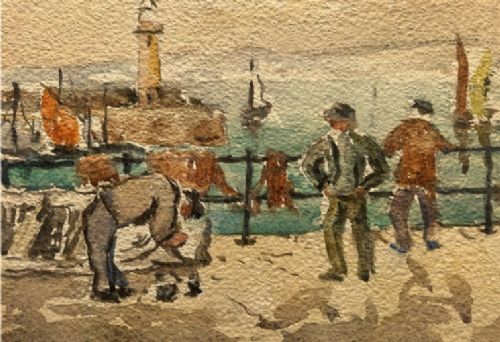
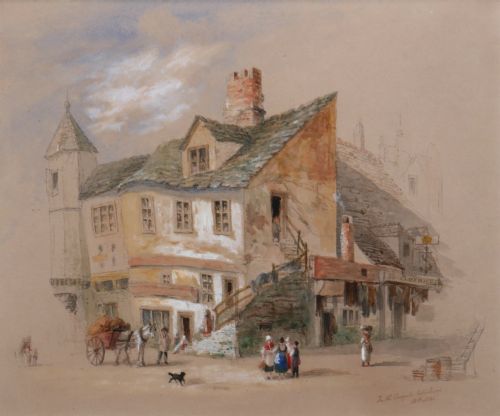
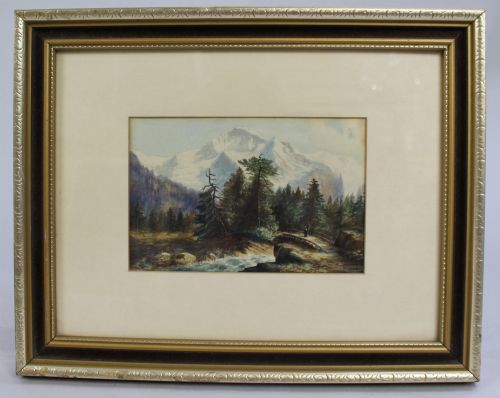
These vintage watercolor landscape pieces capture rural and coastal scenes in pigment on paper, bringing quiet historic atmosphere into a room.
Vintage Watercolor Landscape
A vintage watercolor landscape presents painted scenes of countryside, rivers, cottages, and coastal harbours executed primarily on paper. When exploring this selection, buyers encounter original works originating from the nineteenth century through the mid-twentieth century.
The prevailing examples span Edwardian, Victorian, and mid-century modern aesthetic movements, often framed in wood or gilt wood behind glass. These paintings frequently record specific locations across Britain, Europe, and beyond, from Cumbrian lakes to Sicilian harbours.
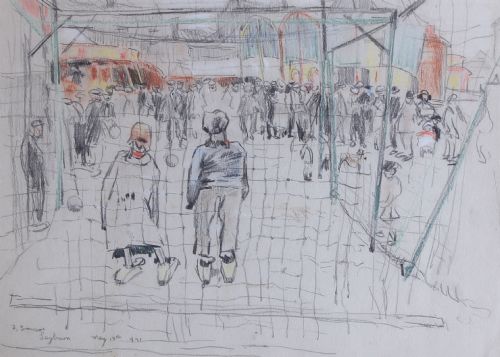
Makers documented in these records include named artists such as Robert Leslie Howey, Muriel Metcalfe, and Fred Lawson, alongside various unsigned topographical works. Subjects range widely from rural agricultural scenes with cattle and sheep to industrial townscapes and marine views.
Materials and Technique
The primary vehicle for these works is watercolour pigment applied to sheets of paper, sometimes reinforced with ink or pen work to define architectural elements and sharper outlines. Certain compositions incorporate supplementary media like gold leaf to highlight specific details within the painted surface.
Completed paintings are typically housed in protective wooden or gilt wood frames, frequently protected beneath glass to shield the delicate paper and water-soluble pigments from atmospheric moisture and handling.
Vintage Watercolor Landscape Retail Price Guide 2026
Typical asking prices for vintage watercolor landscape among the pieces listed under this phrase on Sellingantiques today, from the lower quarter to the upper quarter. They describe what is for sale here now, not the wider market.
Listings feature paper, watercolour pigment, ink, gold leaf, and gilt wood across Victorian, Edwardian, and mid-century periods.
Distinctions in Quality
The calibre of a vintage watercolor landscape rests upon the surety of the artist's brushwork, the composition of the scene, and the preservation of the original pigment. Works displaying confident handling and atmospheric depth command greater attention than rigid or formulaic topographical records.
Survival of the material condition also dictates standing, particularly the absence of excessive fading in the watercolour pigments and the cleanliness of the underlying paper. Original framing in period wood or gilt wood further enhances the integrity of the piece.
George Hughes·David Woodlock·Muriel Metcalfe·Thomas Fenwick·Henry Lines·W.L. Guest·George F Pennington·Philip Naviasky·K. Howitt·Thomas Rowden·Cuthbert Crossley·William Taylor Longmire·Alfred Young Nutt·A. Marie Parsons·EJ Letheren·Robert Leslie Howey·James E. Aitken·John E. Aitken·William Banks Fortescue·Thomas William Morley·Fred Lawson·Robert Thorne Waite·John Smith Atherton·Frederick Walker·Thomas Maidment
The Vintage Watercolor Landscape Glossary
- Watercolour
- A paint consisting of pigment suspended in a water-soluble binder, traditionally applied to paper surfaces. This medium allows for transparent washes of colour that let the brightness of the paper reflect back through the paint.
- Topographical Art
- Artwork that depicts a specific real-world location with accurate attention to geographical and architectural details. These pieces often serve as historical records of towns, churches, and countryside scenes.
- Gilt Wood
- Wood carved and coated with a thin layer of gold leaf or metallic gilt paint. It is commonly utilised for traditional picture frames from the Victorian and Edwardian eras.
- British Impressionism
- A painting style influenced by the French movement, characterised by visible brushstrokes and an emphasis on natural light. Practitioners focused on everyday subjects captured in transient atmospheric conditions.
Vintage Watercolor Landscape: Frequently Asked Questions
What periods do these landscapes cover?
The works span from the nineteenth century through the Victorian and Edwardian eras, extending into mid-century modern twentieth-century production.
Artists across these decades documented changing rural, industrial, and coastal environments using traditional pigment and paper techniques.
How should I frame and display them?
These paintings on paper require protection behind glass to prevent atmospheric damage and fading of the watercolour pigments from direct sunlight.
Many retain their original wood or gilt wood frames, which complement the historic character of the artwork.
What subjects are most common?
Common motifs include pastoral scenes with figures, cottages, and livestock, alongside coastal harbours, boats, and specific British or European towns.
Artists frequently recorded local topography, capturing specific lakes, rivers, mills, and architectural landmarks.