
Vintage Watch Chain
A vintage watch chain offers functional engineering turned into personal adornment, connecting nineteenth-century timepieces to contemporary necklines and wrists.
Vintage Watch Chain
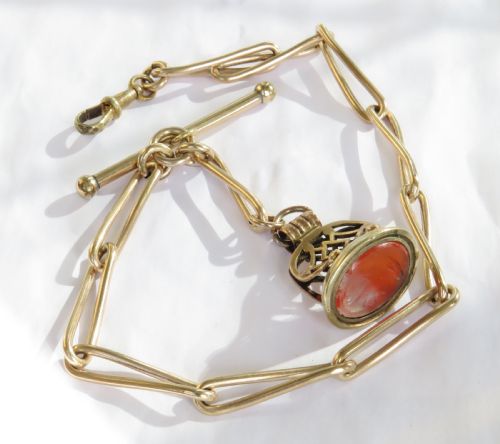
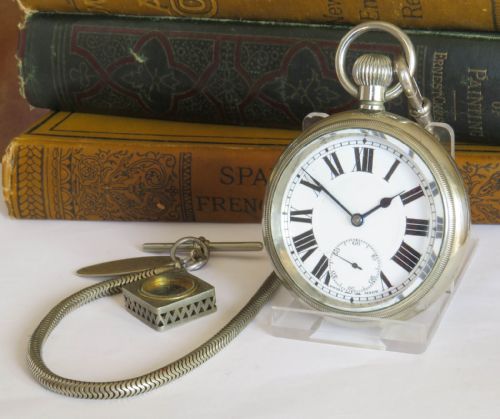
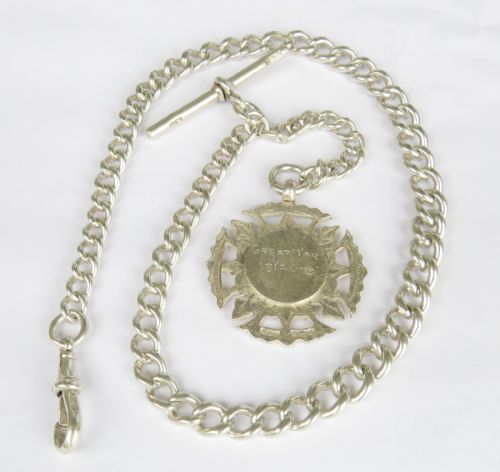
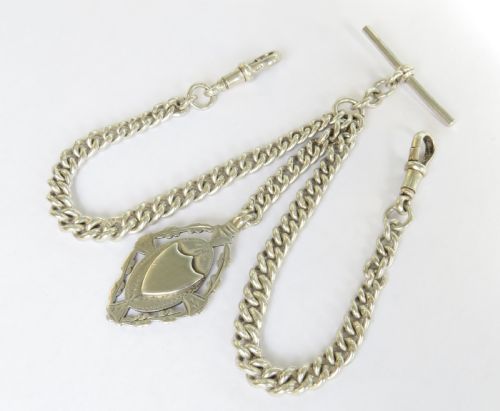
A vintage watch chain encompasses heavy pocket watch albert chains, guard chains, and converted necklaces originating from the late nineteenth century through the 1930s. Buyers searching this phrase meet substantial lengths of precious metal designed originally to secure a pocket watch to a waistcoat buttonhole.
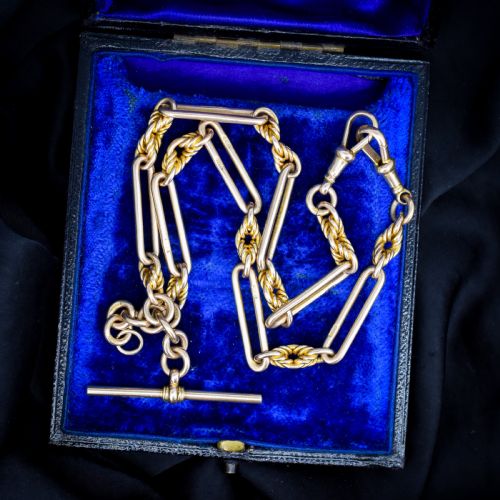
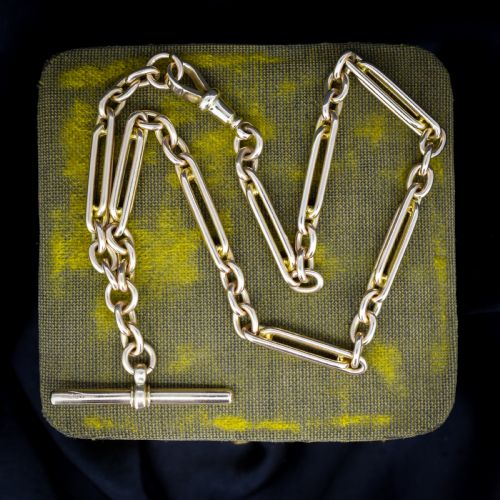
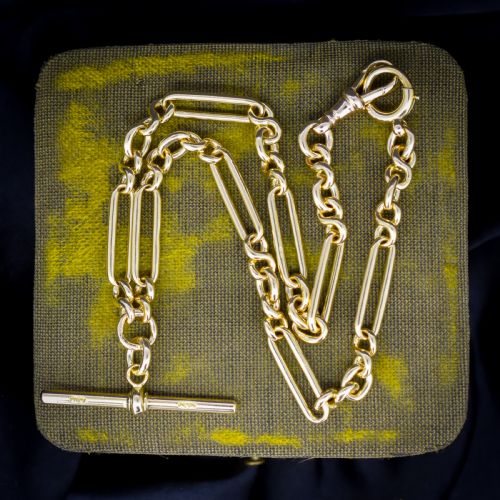
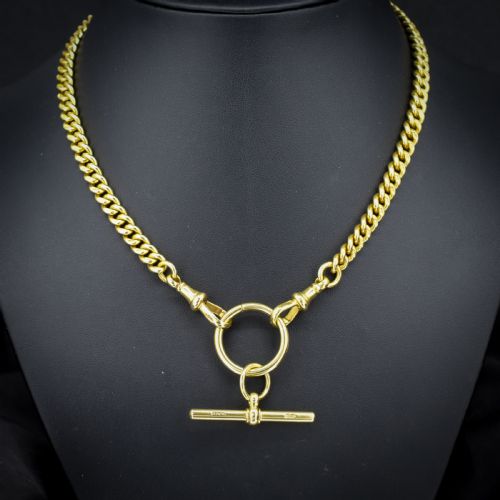
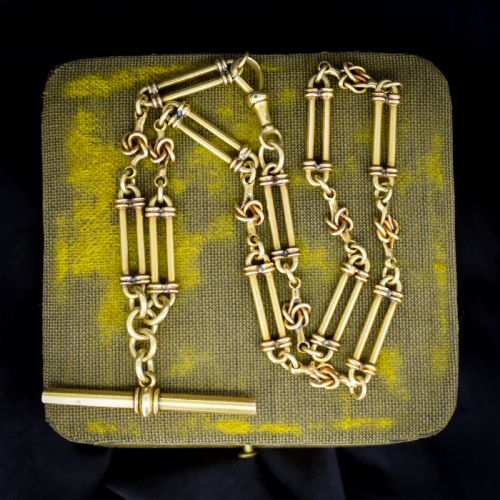
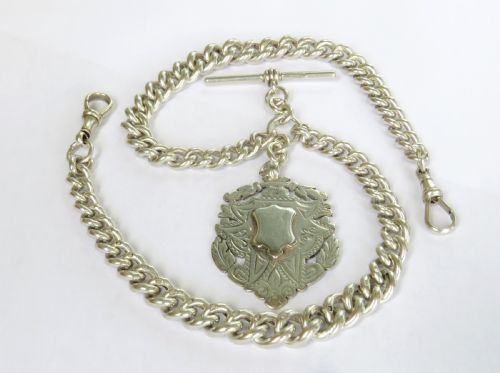
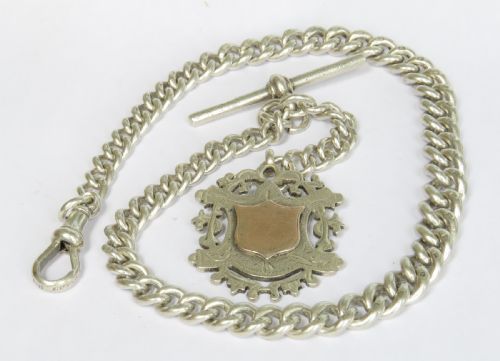
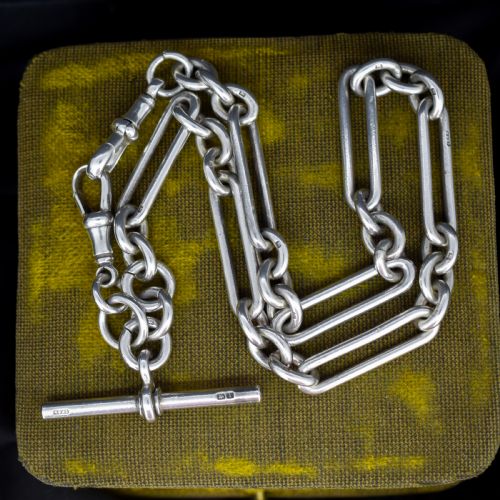
The selections span Victorian, Edwardian, and Art Deco eras, presenting diverse link geometries including curb, trombone, and love knot configurations. Many surviving pieces function today as standalone necklaces or bracelets, often retaining their original swivel dog clips and T-bars.
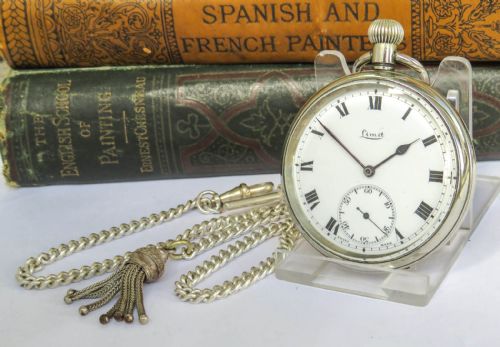
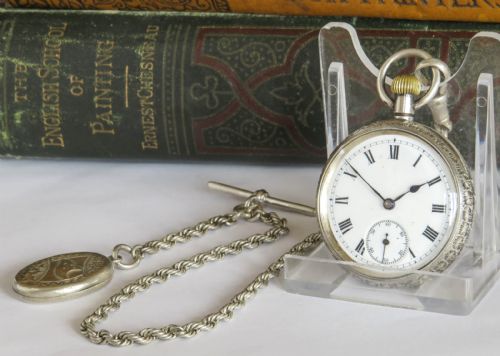
Pieces frequently arrive paired with pocket watches, compasses, or commemorative fobs issued by entities such as the General Watch Co. Silver and various carats of yellow and rose gold dominate the physical record, reflecting the manufacturing standards of British and Swiss workshops.
Metals and Construction
Construction relies heavily on sterling silver and 9ct, 15ct, and 18ct yellow or rose gold, alongside rolled gold and plated base metals. Goldsmiths and silversmiths formed these materials into robust uniform or graduated links, frequently stamping individual components with hallmarks or assay office symbols.
Link patterns such as the trombone, curb, and tubular bar required precise wire-drawing and manual assembly. Secure mechanical elements like dog clips, bolt rings, and swivels were integrated to ensure the safety of attached timepieces.
Design Integrity and Weight
Quality reveals itself in the structural integrity of the links and the crispness of the original hallmarks stamped upon them. Fully marked examples where every link carries a stamp sit at a distinct advantage over unmarked alternatives.
Substantial gram weight, robust gauge wire, and the retention of original matching components like dog clips and T-bars separate superior specimens from lighter or altered counterparts. The complexity of link assemblies, such as alternating trombone and love knot patterns, indicates greater initial labour.
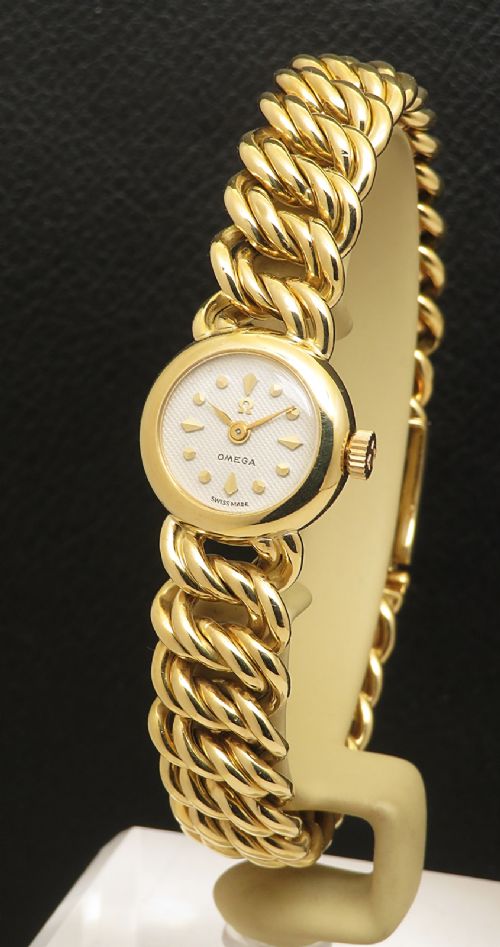
Omega·Elgin·Cyma·Vertex·Garrard
The Vintage Watch Chain Glossary
- T-bar
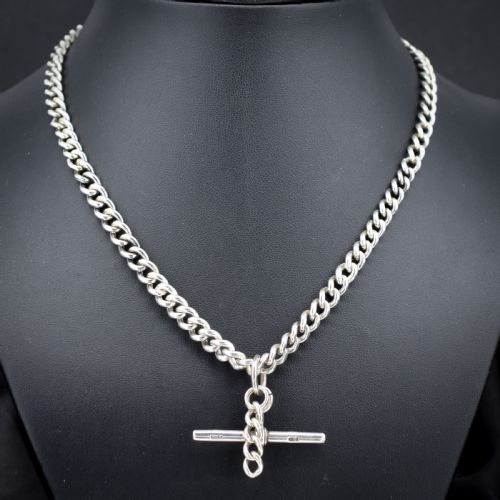
- The small horizontal bar attached to the centre of an albert chain. It was slipped through a buttonhole to anchor the chain securely.
- Dog clip
- A small spring-loaded snap hook attached to the end of a watch chain. This mechanism secures the pocket watch or pendant safely.
- Trombone link
- An elongated rectangular metal link with rounded ends, resembling the slide of a trombone. It frequently alternates with smaller round or decorative links.
- Guard chain
- An exceptionally long chain worn around the neck to secure a pocket watch or lorgnette. These pieces are frequently worn today doubled as necklaces.
- Half hunter
- A pocket watch featuring a case with a glass or open centre circle on the outer cover. This design permits the user to read the hands without opening the case.
Vintage Watch Chain: Frequently Asked Questions
How do I wear a pocket watch chain today?
Most buyers remove the original pocket watch and wear the chain directly around the neck as a necklace or wrap it around the wrist as a bracelet. The existing dog clips and T-bars make versatile fastenings for modern styling.
Alternatively, you can attach a small antique pendant, charm, or fob to the dog clip to recreate a traditional pendant drop.
How can I date my watch chain?
Dating relies heavily on British hallmark stamps, which indicate specific assay offices and year letters when present on the metal links. Examining the style of the dog clips and link geometry, such as Edwardian love knots or Art Deco geometric forms, also helps establish the era.
Many pieces from the late nineteenth and early twentieth centuries carry clear maker's marks and purity stamps that narrow their production down to a specific decade.
Are these chains solid gold or plated?
The listings include a mixture of solid precious metals, including 9ct, 15ct, and 18ct gold alongside sterling silver, alongside rolled gold and plated base metal options. Examining the specific listing details and looking for official purity stamps will confirm the exact material composition.
Rolled gold and plated pieces offer the same aesthetic weight and visual appeal as solid gold variants at a different tier of manufacture.