





Vintage Warrior Statues
Vintage warrior statues bring dramatic presence to a room, spanning global cultures and crafted in media from bronze to carved wood.
Vintage Warrior Statues
Vintage warrior statues encompass figural sculptures representing armed combatants, soldiers, and tribal fighters from diverse historical periods and cultural traditions. When searching for vintage warrior statues, buyers encounter depictions ranging from African Maasai and Benin figures to Roman gladiators, samurai, Vikings, and American Indian scouts.
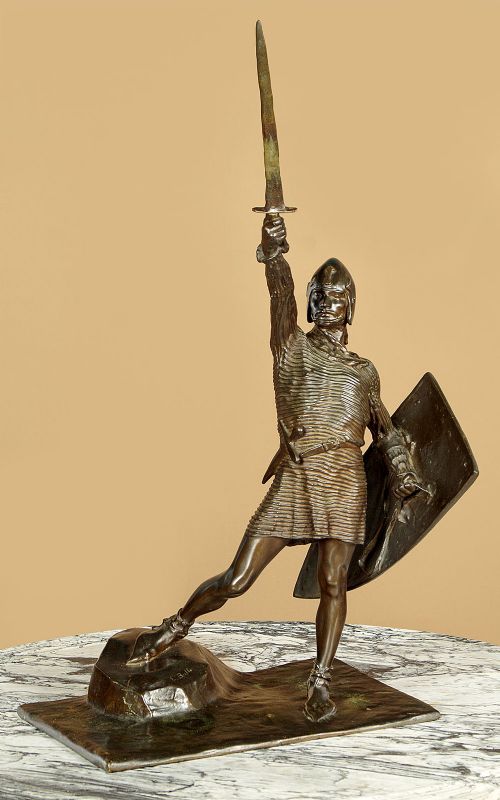
The objects take the form of freestanding statues, large decorative figures, and smaller cabinet sculptures made across the nineteenth and twentieth centuries. Examples on this page stretch from nineteenth century plaster and marble carvings to Art Deco bronze and spelter groups from the nineteen-thirties.
Makers and sculptors represented include named artists such as Edward Aagaard, Desire Grisard, Chiparus, and Eden Antony Paul Noel, alongside traditional African carvers and anonymous factory workshops. Forms vary from single monumental standing guards to paired French soldiers and mounted horsemen.
Materials and construction methods
Metal sculptures rely on casting techniques, utilising bronze and spelter poured into moulds to capture intricate details of armour, clothing, and weaponry. Cold painted finishes, gold leaf, and applied pigments add colour to metal surfaces, while certain pieces incorporate applied patination.
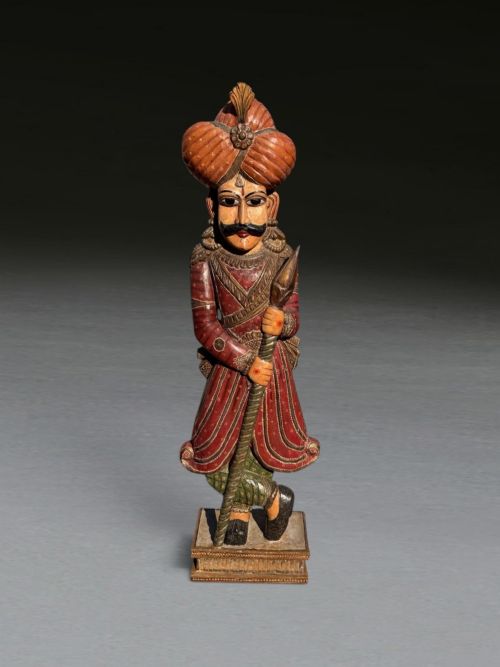
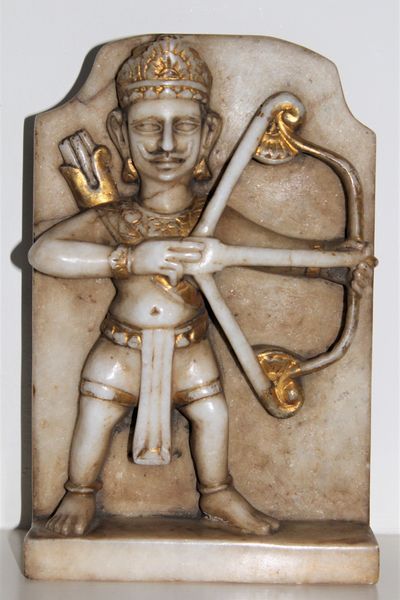
Carved pieces utilise dense natural materials including hardwood, African hardwood, and marble, shaped using traditional hand chisels and woodworking tools. Plaster and porcelain serve as alternative moulding mediums, seen in nineteenth century figures and Derby porcelain productions.
Vintage Warrior Statues Retail Price Guide 2026
Typical asking prices for vintage warrior statues among the pieces listed under this phrase on Sellingantiques today, from the lower quarter to the upper quarter. They describe what is for sale here now, not the wider market.
A Viking horn blower stands ready to sound his alarm while wearing a very serious expression.
Assessing quality in warrior figures
Material density and weight dictate substance, with substantial seven-kilogram Benin bronzes and heavy marble carvings holding greater sculptural presence than hollow or lighter compositions. The application of polychrome pigment, cold painting, and hand-carved surface detail separates standard decorative items from artist-signed works.
Edward Aagaard·Desire Grisard·Chiparus·Eden Antony Paul Noel·Derby Porcelain
The Vintage Warrior Statues Glossary
- Spelter
- A zinc alloy commonly used as a less expensive substitute for bronze in decorative figures during the nineteenth and twentieth centuries. It often mimics bronze through applied patination.
- Cold painted
- A method where metal sculptures are painted with oil or enamel paints without subsequent firing in a kiln. This finish is susceptible to flaking over time if handled frequently.
- Polychrome
- Decorated in several colours, applied to wood, plaster, or terracotta surfaces to enhance realism. This technique appears on carved Indian wooden figures.
- Benin bronze
- Metal sculptures created by the Edo peoples of the Kingdom of Benin, utilising the lost-wax casting method. These works typically depict royalty, horsemen, and warriors.
- Patina
- A surface sheen or chemical alteration developed on metal through age and oxidation, or applied artificially by the maker. It protects the underlying metal and adds visual depth.
Vintage Warrior Statues: Frequently Asked Questions
What materials are used for vintage warrior statues?
These figures are produced in a variety of media, predominantly cast bronze, spelter, and brass. Other examples utilise carved African hardwood, marble, plaster, and porcelain.
Surface treatments include gold leaf, applied pigment, and cold painted details that add colour to clothing and armour.
How do I identify the age of a warrior statue?
Dating relies on stylistic indicators, material composition, and any associated signatures or foundry marks on the base. Nineteenth-century pieces often feature heavier casting and classical subjects, while twentieth-century examples embrace Art Deco styling or mid-century modernist forms.
Documentation or direct attribution to recorded sculptors also helps establish the production era.
Where should I place a heavy bronze statue?
Heavy sculptures require sturdy furniture such as solid wood sideboards, low console tables, or dedicated pedestals that can support significant weight safely. Benin bronzes and large marble carvings need stable, flat surfaces away from high-traffic areas where they might be knocked.
Positioning them with adequate clearance allows the details of costumes and weaponry to be viewed from multiple angles.
Are these statues signed by the artists?
Certain metal sculptures and decorative groups bear cast signatures or foundry stamps from known sculptors on the base or plinth. Other works, particularly traditional tribal carvings and anonymous factory output, remain unsigned by individual makers.