




Vintage Walnut Loveseat
A vintage walnut loveseat offers compact two-seater seating shaped from rich timber, bringing period character and warm grain to smaller spaces.
Vintage Walnut Loveseat
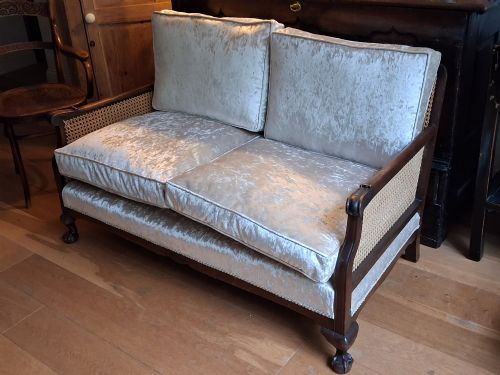
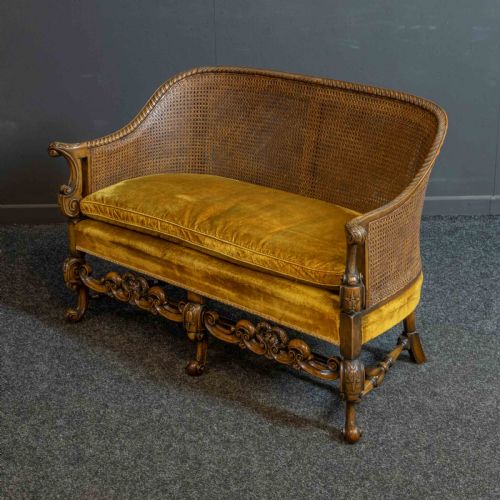
A vintage walnut loveseat is typically listed under various designations such as settees, small sofas, and canapés designed for two occupants. These double seats appear in diverse historical interpretations spanning the eighteenth century up through the nineteen-thirties, with frequent representation from the Victorian and Edwardian eras.
The aesthetic vocabulary encompasses revival movements like Queen Anne, Louis XV, Louis XVI, and Arts and Crafts, alongside French provincial and Rococo influences. Buyers most frequently encounter twentieth-century revivals and late nineteenth-century interpretations sharing compact proportions and timber frames.
Makers and manufacturers utilised robust walnut timbers to frame upholstered compartments, open-arm structures, and caned backrests. The surviving examples demonstrate how seating formats evolved from formal eighteenth-century proportions into comfortable domestic furniture for twentieth-century homes.
Factors influencing quality
The refinement of the timber carving and the crispness of the applied details dictate the visual standard of the frame. Superior examples display deeply sculpted cabriole legs, well-defined floral or scroll motifs, and clean joinery.
The integrity of the structural materials, whether sound walnut framing or intact woven cane panels, determines the durability of the seating. Pieces retain greater appeal when the original wood patination remains undisturbed by heavy alterations.
The inventory includes specific regional stylistic revivals, notably French provincial, Louis XV, and Queen Anne forms.
The Vintage Walnut Loveseat Glossary
- Canapé
- A traditional French term for a decorative sofa or settee designed for multiple occupants. These seats often feature exposed wooden frames and upholstered or caned components.
- Cabriole leg
- A furniture leg that curves outward and then tapers inward, finishing in a pad or foot. This form derives from classical styling and appears frequently on eighteenth-century revival pieces.
- Cane
- Material woven from stripped rattan used to form open mesh panels for chair and settee backs or seats. This technique provides a light, breathable surface.
- Upholstery
- The padded and covered components of seating that provide physical comfort. Materials range from traditional textiles and velvet to modern replacement fabrics.
Vintage Walnut Loveseat: Frequently Asked Questions
How do I clean a walnut frame?
Dust the timber regularly with a soft, dry cloth to prevent dirt accumulation on the polished surfaces. Avoid harsh chemical cleaners that can strip the historic finish.
Apply a microcrystalline wax sparingly if the wood appears dry, rubbing it gently into the grain. Buff the surface with a clean cloth to restore a soft sheen.
Can I replace damaged cane panels?
Traditional hand-caning requires professional intervention to weave new rattan strands through the pre-drilled holes in the wooden frame. Skilled artisans match the gauge and pattern of the original weaving.
Pre-woven cane sheet inserts are suitable for simpler grooves in certain revival pieces. Consult a restorer to determine the appropriate method for the specific frame.
Where should I place a settee?
Position these compact two-seater settees in reception rooms, bedrooms, or hallways where floor space is limited. Their modest proportions allow them to fit comfortably against shorter walls or at the foot of a bed.
Keep the timber away from direct sunlight and heat sources to prevent the walnut from drying out and the upholstery from fading.
What is a Louis XVI revival piece?
This style references the neoclassical design trends of late eighteenth-century France, characterised by straight tapered legs and geometric symmetry. Revival pieces produced later imitate these formal classical lines.
Craftsmen working in the nineteenth and twentieth centuries adopted these motifs to create formal seating for contemporary interiors.