
Vintage Walnut Glazed Cabinet
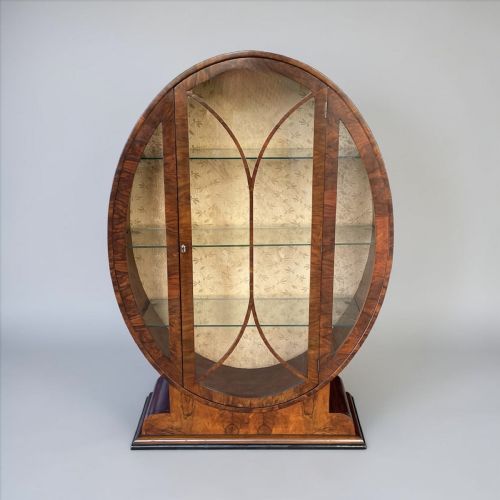
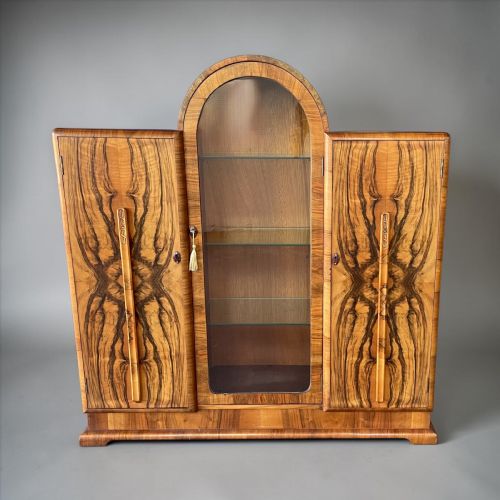
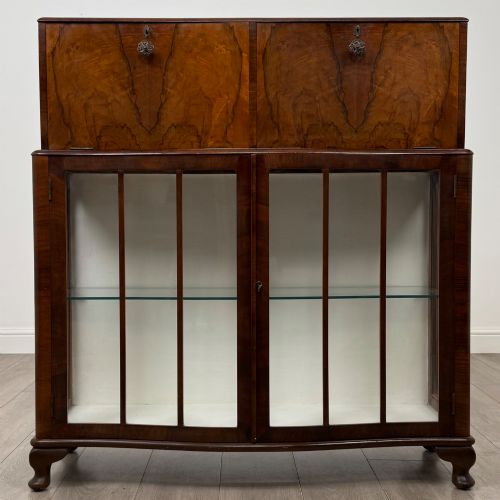
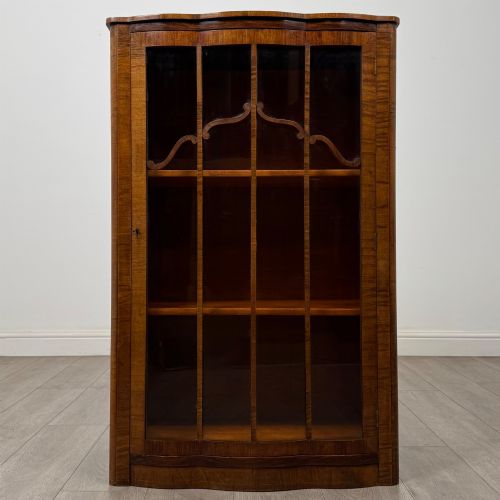
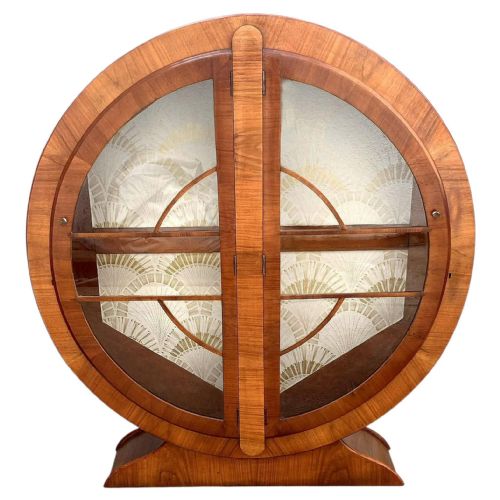
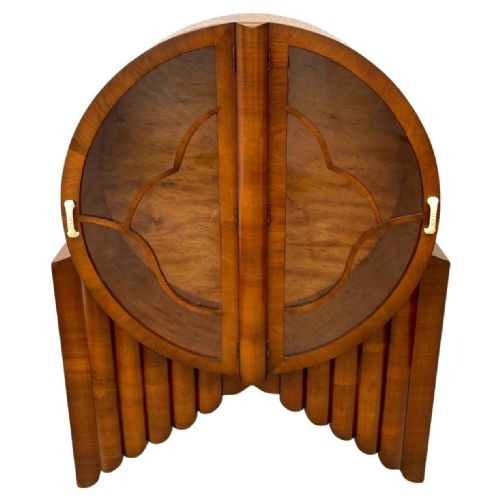
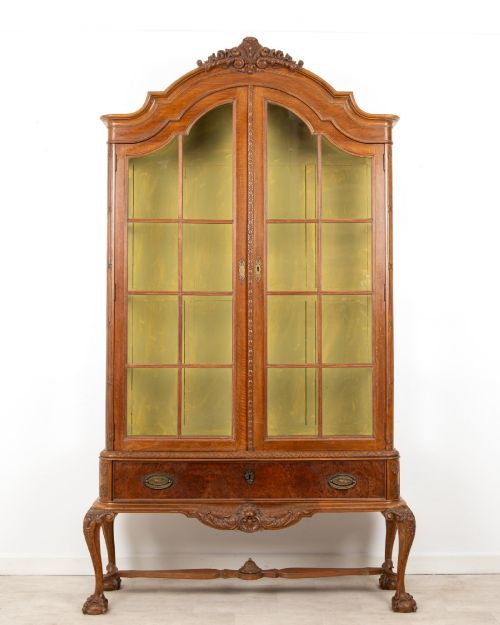
A vintage walnut glazed cabinet brings warmth and clear display to a room, ranging from linear Art Deco vitrines to Edwardian bookcases.
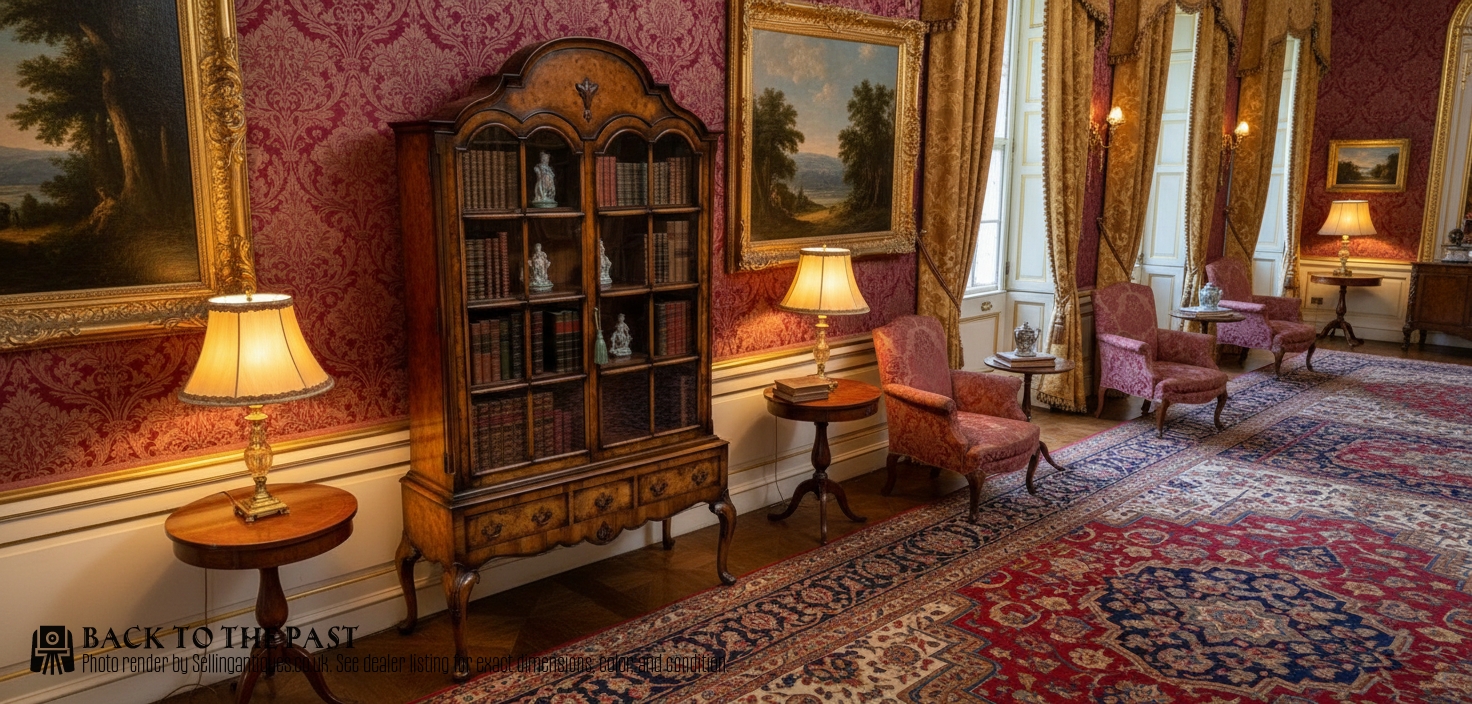
Vintage Walnut Glazed Cabinet
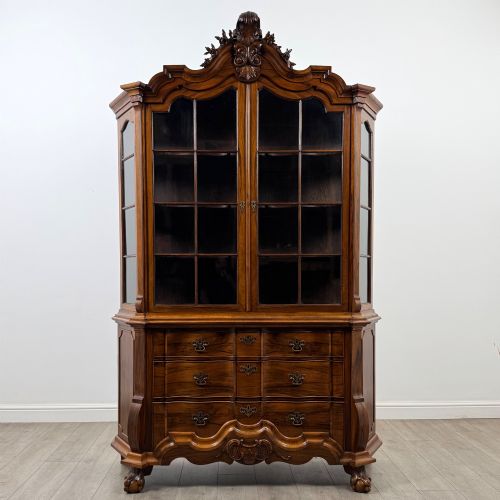
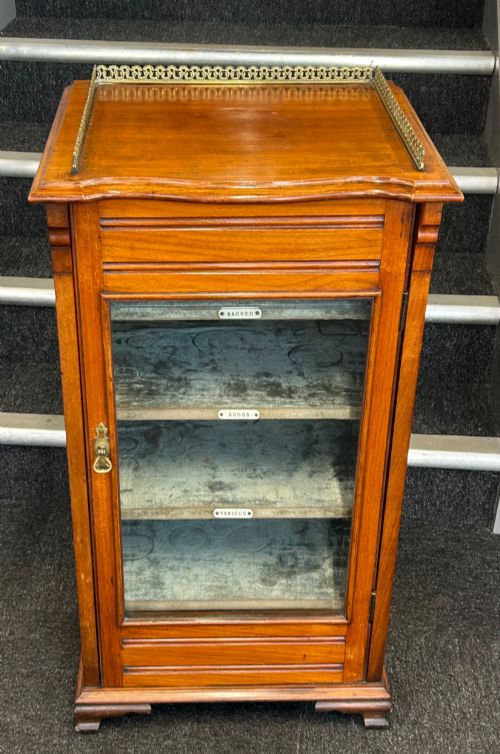
A vintage walnut glazed cabinet provides functional storage and visible display space, uniting timber framing with glass door panels. These pieces span display cabinets, bookcases, music cabinets, and corner cabinets created across the nineteenth and twentieth centuries.
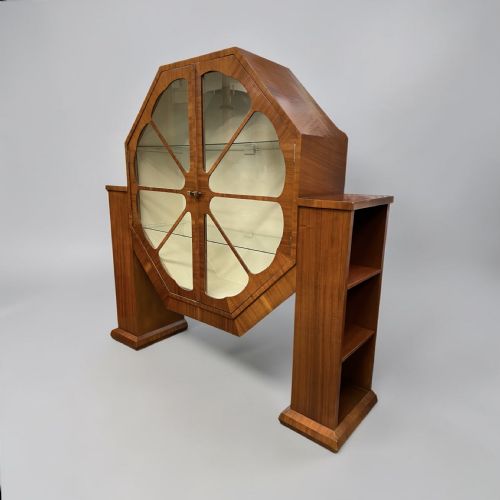
The selections encountered here most frequently include Art Deco designs from nineteen thirty alongside Edwardian and Victorian pieces. Makers utilised figured veneers, burr walnut, and marquetry to lend depth to the surfaces of these storage forms.
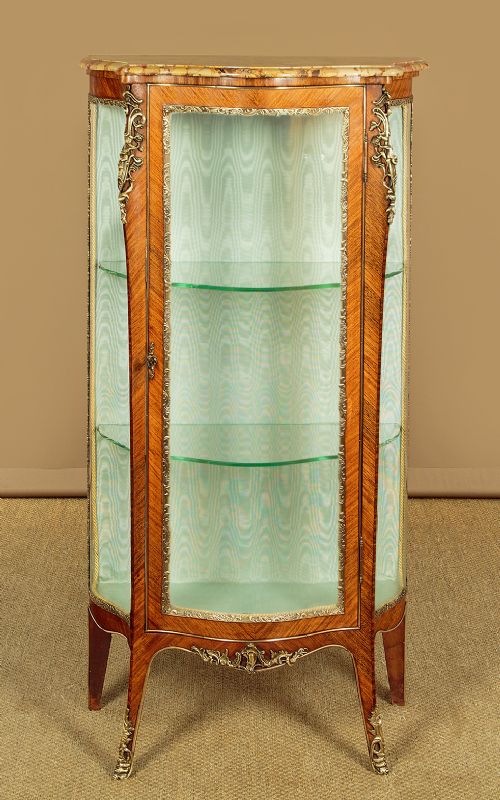
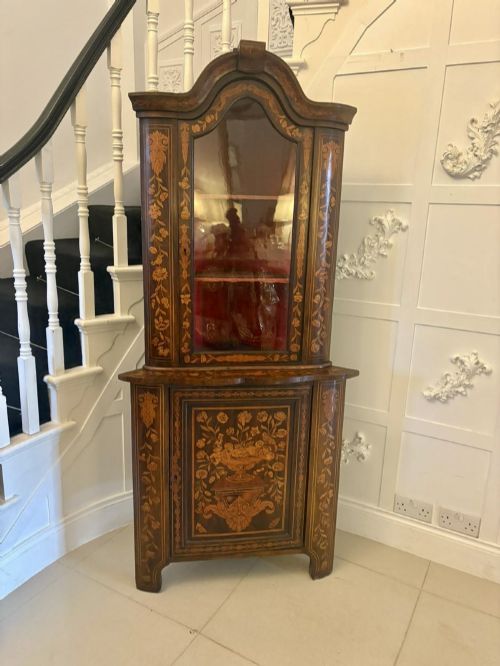
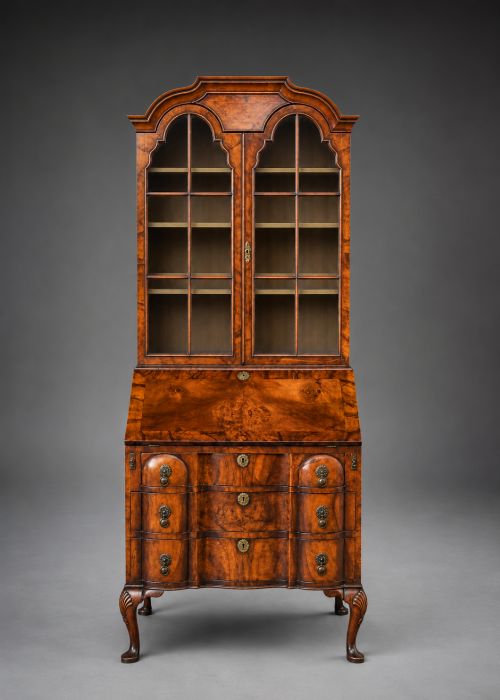
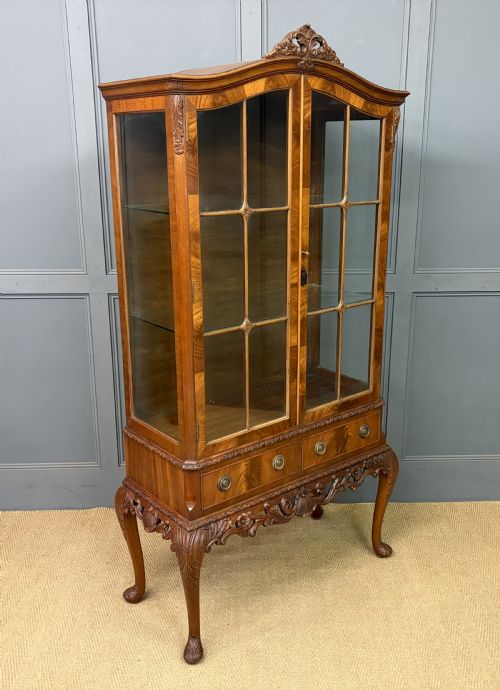
Origins vary from English workshops to French and Dutch makers, encompassing revival styles like Queen Anne and Louis XV alongside geometric modernist lines. Each format addresses domestic storage needs while framing books, ceramics, or sheet music behind glass.
How they were made
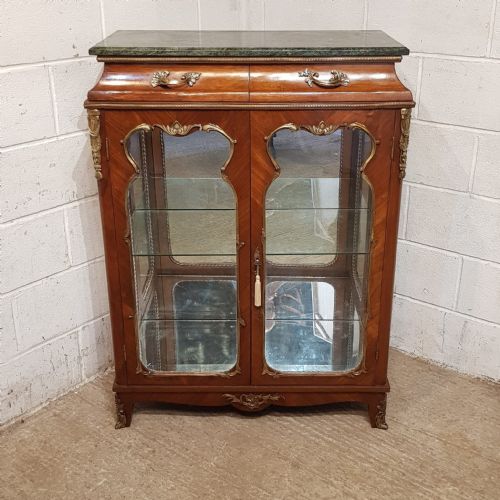
Craftsmen built these carcases using solid walnut and applied decorative veneers such as burr walnut or figured walnut across flat and curved surfaces. Glass panes are fitted into timber door frames, sometimes complemented by brass or gilt metal mounts and ormolu details.
Joinery methods include dovetail construction for drawers and framed panels for doors, whilst marquetry and inlay introduce contrasting woods and geometric or floral motifs. Surfaces received polished finishes that accentuate the natural grain patterns of the timber.
Listings feature walnut, burr walnut, glass, and brass across nineteenth-century and twentieth-century periods.
What varies in quality
The distinction between standard production and exhibition quality lies in the selection of timber veneers and the precision of the marquetry. Book-matched burr walnut and intricate inlay require skilled handwork that elevates the visual impact of the piece.
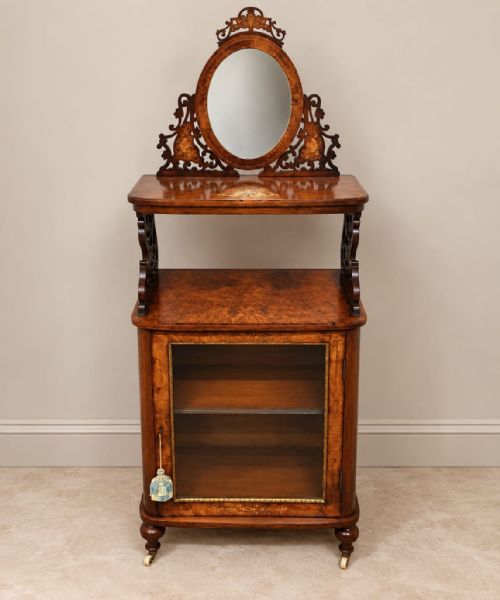
Hardware details, such as cast brass mounts and fitted shelving systems, signal the tier of manufacture. Integrated mirrors, bevelled glass panes, and solid brass locks further indicate the standard of construction applied to the cabinet.
Maple & Co.·Waring & Gillow·Rurka·Maurice Adams
The Vintage Walnut Glazed Cabinet Glossary
- Burr walnut
- A figured wood grain obtained from the growths on walnut trees, prized for swirling patterns that add texture to cabinet doors and panels.
- Vitrine
- A glass-fronted cabinet designed specifically for the display of porcelain, glassware, or decorative objects.
- Marquetry
- The art of applying pieces of veneer to a structure to form decorative patterns, often seen on Dutch and Victorian revival pieces.
- Credenza
- A low-profile storage cabinet, sometimes featuring mirror backs or multiple doors, suited to living spaces.
- Pier cabinet
- A tall, narrow cabinet designed to fit into the wall space between windows during the Victorian period.
Vintage Walnut Glazed Cabinet: Frequently Asked Questions
What is a vintage walnut glazed cabinet used for?
These cabinets serve to store and display books, ceramics, and personal collections while protecting them from dust behind glass doors. They function as focal points in reception rooms and libraries.
Their enclosed shelving balances visible display with tidy concealment, adapting easily to modern domestic interiors.
How should I care for walnut veneer?
Keep walnut furniture away from direct sunlight and steady heat sources to prevent the timber veneers from drying out and lifting. Regular dusting with a soft, dry cloth preserves the polished surface.
Avoid silicone-based polishes, opting instead for traditional wax applied sparingly when the wood appears dry.
What is the difference between Edwardian and Victorian cabinets?
Victorian cabinets often utilise darker black walnut, heavier proportions, and elaborate mirror backs or carved details. They reflect a taste for ornate revival styles.
Edwardian pieces tend toward lighter figured walnut, cleaner lines, and refined Queen Anne revival influences suited to smaller domestic spaces.