


Vintage Walnut Dry Bar
A vintage walnut dry bar brings serious glamour to a room, offering a dedicated place to mix drinks.
Vintage Walnut Dry Bar
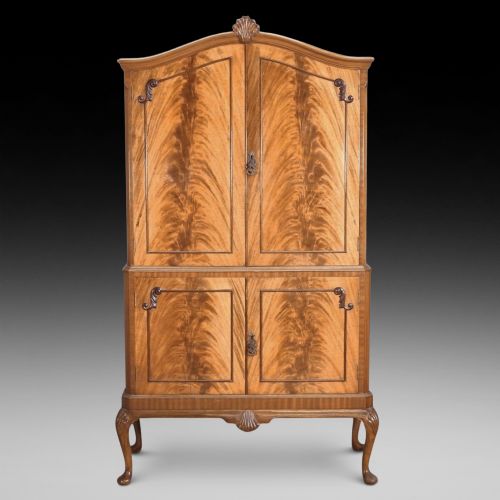
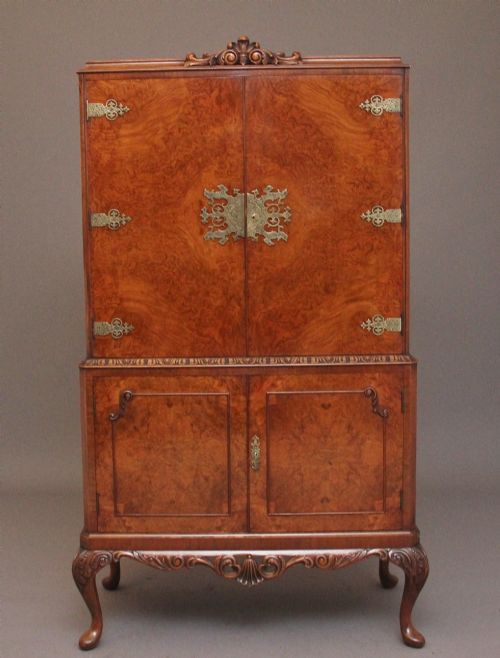
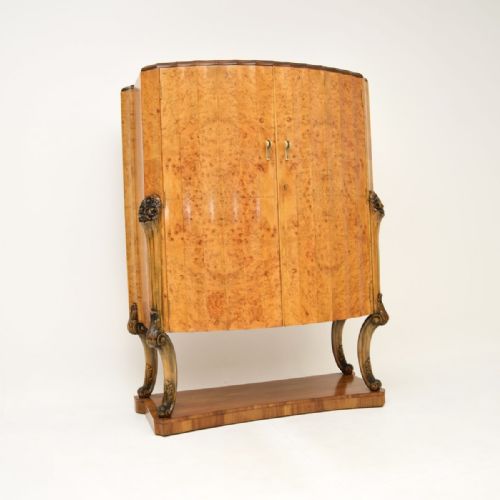
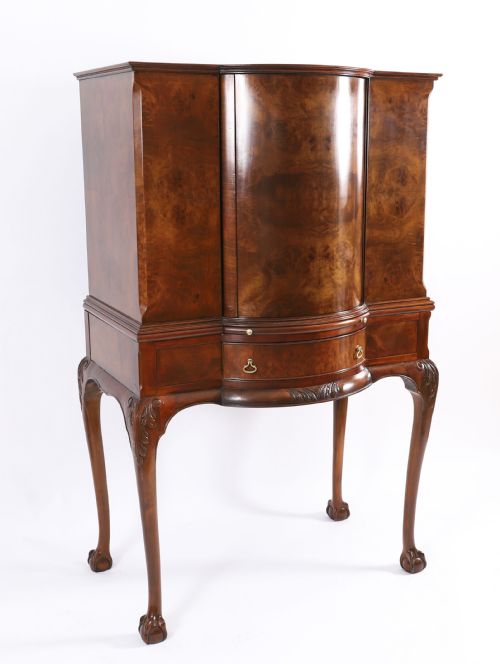
A vintage walnut dry bar serves as a sophisticated focal point for entertaining, designed specifically to house bottles, glassware, and mixing accessories. When searching for a vintage walnut dry bar, buyers encounter cocktail cabinets, drinks cabinets, and cocktail tables dating predominantly from the 1920s and 1930s.
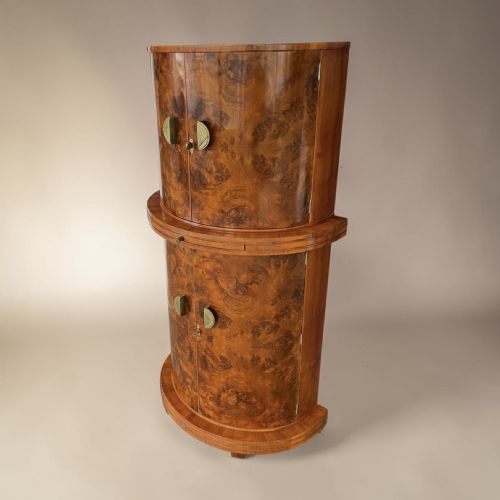
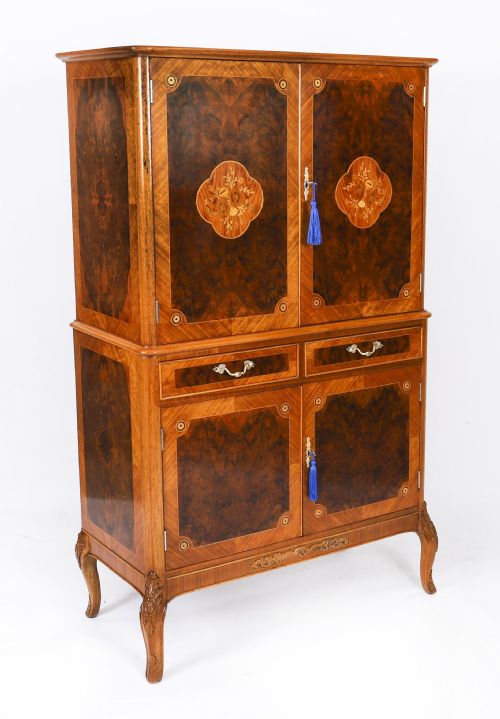
The dominant aesthetic across these pieces is Art Deco, alongside expressions of Queen Anne Revival and Queen Anne Style. Forms range from standing cabinets and sideboards to corner units and revolving tables, originating from English workshops.
Materials and construction methods
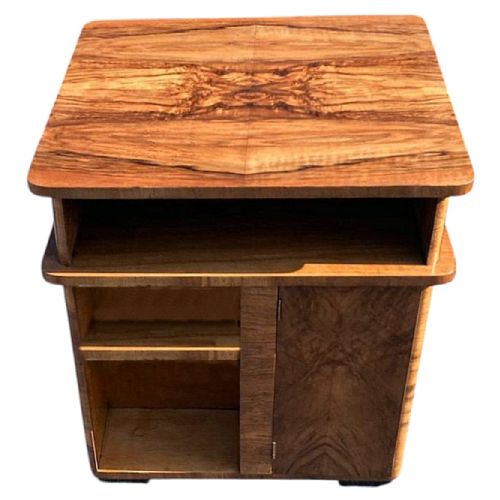
Cabinet makers utilised walnut, burr walnut, and figured walnut veneers applied over solid carcases to create striking decorative grain patterns on the exterior surfaces. Marquetry detailing frequently enhances the woodwork.
Interiors often combine mirrored backs and glass shelving with polished wood surfaces, complemented by brass or chrome hardware and occasionally integrated electric lighting.
Every listed piece employs walnut or burr walnut, frequently accented with brass, chrome, glass, and mirror.
Distinctions in craftsmanship
The hierarchy of quality rests primarily on the selection of the walnut timber and the boldness of the burr figuring across the doors and panels. Master makers achieved superior visual balance through book-matching veneers.
Internal planning and fitting complexity also separate standard production from exceptional examples, notably in cabinets housing pull-out mixing slides, rotating mechanisms, and specialised glassware compartments.
Epstein·Harry and Lou Epstein·Hille·Waring and Gillow
The Vintage Walnut Dry Bar Glossary
- Burr walnut
- A prized timber harvested from the growth excrescences on walnut trees, yielding intricate, swirling grain patterns. It is sliced into thin veneers for decorative furniture surfaces.
- Art Deco
- A design style emerging in the interwar period, characterised by sleek geometric forms, streamlined silhouettes, and lavish materials. It dominates the appearance of 1930s cocktail furniture.
- Marquetry
- The art of applying pieces of veneer to a structure to form decorative patterns and pictures. Craftsmen use different toned woods to create subtle pictorial depth.
- Veneer
- A thin layer of superior wood adhered to a base carcase timber. This technique allows makers to display striking grain formations while maintaining structural stability.
Vintage Walnut Dry Bar: Frequently Asked Questions
How were these cabinets used?
These pieces functioned as domestic entertaining stations during the height of the cocktail era. Owners stored spirits, cordials, shakers, and specialised glassware behind locked doors.
Drop-down front panels or sliding top sections often served as preparation ledges for mixing drinks before guests.
How do I distinguish Art Deco pieces?
Art Deco examples rely on clean geometric lines, stepped cornices, and symmetrical burr walnut veneer patterns. They avoid historical revival ornamentation in favour of modern streamlining.
Hardware in brass or chrome often emphasises horizontal or vertical accents typical of 1930s design.
What is Queen Anne style?
Queen Anne revival pieces incorporate curved cabriole legs and pad feet, offering a softer silhouette than geometric Art Deco furniture. This style looks backward to earlier English furniture traditions.
Cabinets adopting this idiom balance traditional proportions with the functional interior requirements of a modern drinks storage unit.