


Vintage Walnut China Cupboard
A vintage walnut china cupboard brings warmth and formal display space to a room, uniting timber grain with glass protection.
Vintage Walnut China Cupboard
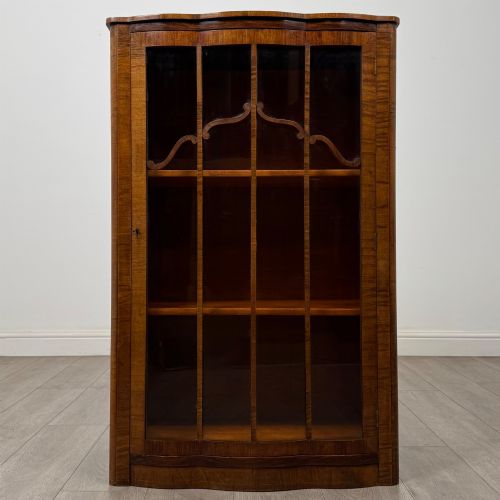
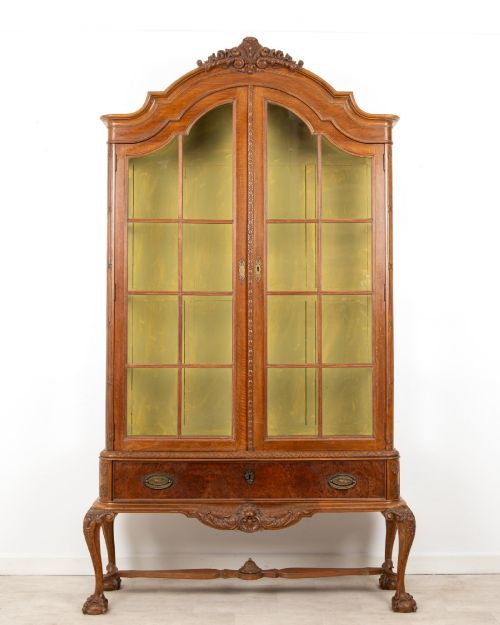
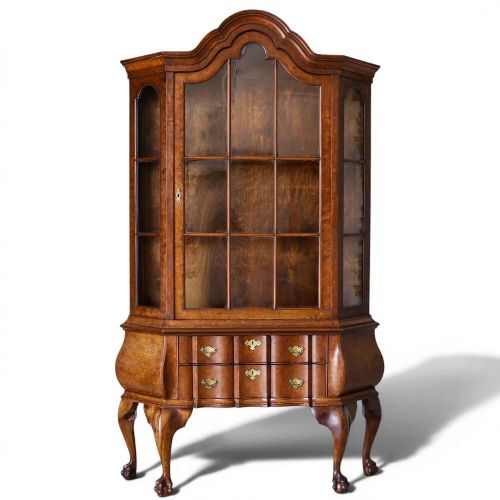
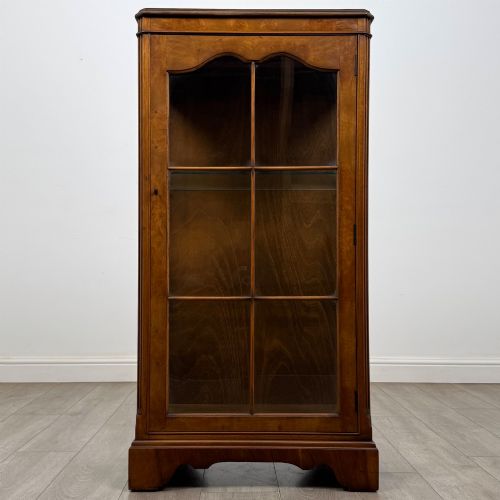
A vintage walnut china cupboard takes several architectural forms, ranging from tall two-part bookcases to glazed display cabinets and corner units. These pieces serve primarily to exhibit glassware and china behind glass doors while housing other items in lower cupboards.
The selections span distinct periods from the Victorian era through Edwardian times and into the 1930s. Art Deco examples dominate the range, appearing alongside revivalist pieces referencing Queen Anne, Georgian, and Dutch Baroque styles.
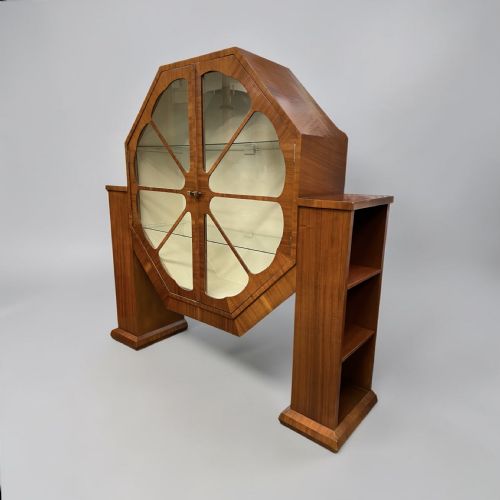
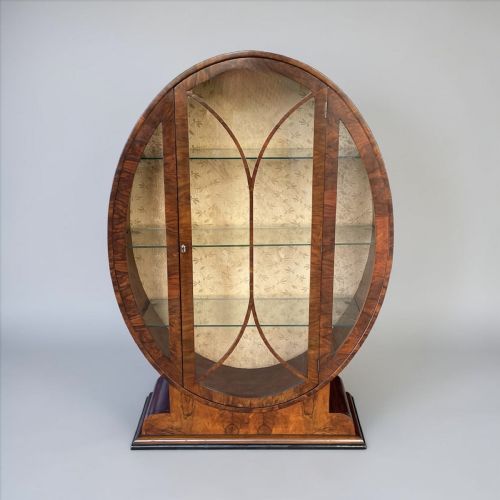
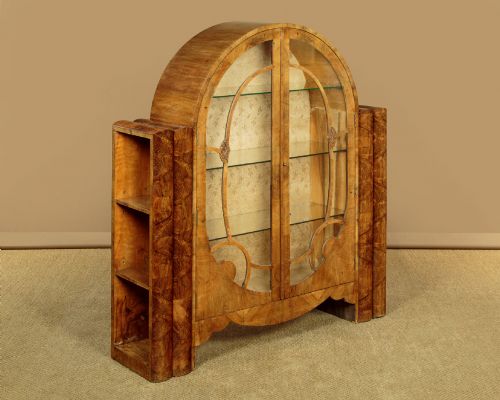
Buyers encounter standard rectangular display cabinets alongside more unusual shapes such as circular, hexagonal, octagonal, oval, and clove-shaped configurations. Many incorporate adjustable shelves and specialised glazing to frame the interior contents effectively.
Assessing Quality and Execution
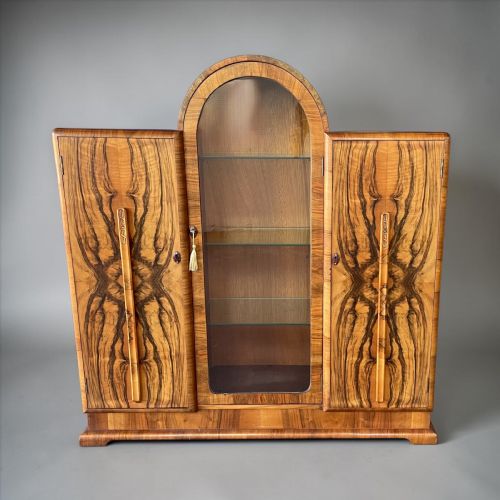
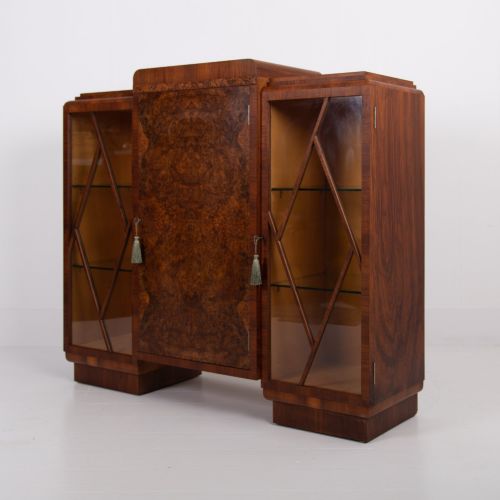
Quality rests heavily on the selection and matching of the walnut veneer across the main exterior surfaces. Cabinets featuring symmetrical burr patterns or carefully aligned grain demonstrate greater ambition from the workshop.
The architectural ambition of the carcass separates standard production from exceptional pieces. Unusual geometries like circular, hexagonal, and clove forms require sophisticated carpentry compared to flat-fronted boxes.
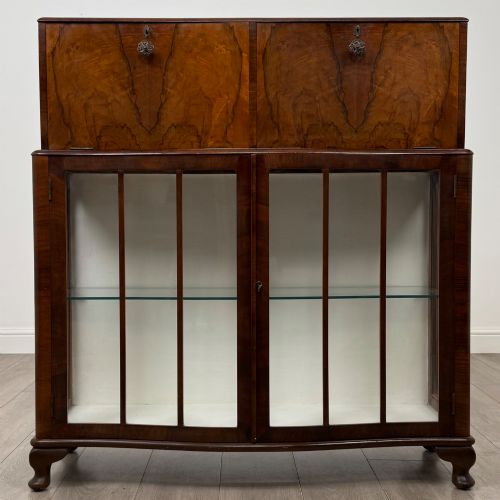
The integration of secondary materials such as sycamore stringing, marquetry inlay, and cast brass hardware marks out finer examples. Structural integrity in the glazing bars and the smooth operation of two-part modular sections also define the standard.
Among the geometric display pieces, a clove-shaped cabinet offers a uniquely organic footprint for displaying delicate porcelain.
Rurka·Epstein
The Vintage Walnut China Cupboard Glossary
- Burr Walnut
- A figured wood grain taken from the growth excrescences on walnut trees. It yields complex, swirling patterns highly prized for cabinet doors.
- Astragal
- A small convex moulding used to hold glass panes within a door frame. These divide windows into smaller lights in classical and revival cabinets.
- Figured Walnut
- Timber displaying distinctive natural grain formations resulting from growth variations. Makers select these boards to cover large flat panels.
- Marquetry
- The art of applying small pieces of veneer to a structure to form decorative patterns. Fruitwood and other timbers combine with walnut in this technique.
- Two-Part Cabinet
- A piece built in separate upper and lower sections for ease of transport. The top display unit rests upon a lower cupboard or stand.
Vintage Walnut China Cupboard: Frequently Asked Questions
How do I date a walnut display cabinet?
Dating relies on stylistic markers such as geometric Art Deco forms from the 1930s or Edwardian revival details from the early twentieth century. Construction methods and secondary timbers also provide clues to the decade of manufacture.
Comparing the specific proportions and glazing bar styles against known historical periods helps narrow down the exact decade when the workshop built the piece.
What is burr walnut veneer?
Burr walnut veneer comes from a tree growth that produces tightly clustered, swirling grain patterns. Cabinetmakers slice this wood thinly to lay across prominent surfaces like doors.
This technique highlights natural patterns while providing structural stability to the panel by applying the decorative timber over a stable core.
How should I clean a walnut cabinet?
Dust the timber regularly with a soft, dry cloth to prevent accumulation in the grain and carved details. Avoid silicone-based polishes that can build up a hazy film over time.
Apply a microcrystalline wax periodically to nourish the walnut and protect the surface finish from moisture and handling marks.
Are the shelves adjustable inside these cabinets?
Many period cabinets feature adjustable wooden shelves supported by rack-and-pinion mechanisms or traditional wooden support strips. This allows owners to reconfigure the interior space for different heights of porcelain.
Certain older or fixed-shelf designs retain their original layout, so checking the internal support system clarifies whether shelf heights can change.