

Vintage Walnut Bookshelf
A vintage walnut bookshelf brings rich grain and practical tiering to a room, ranging from compact Edwardian revolving units to grand Victorian library cases.
Vintage Walnut Bookshelf
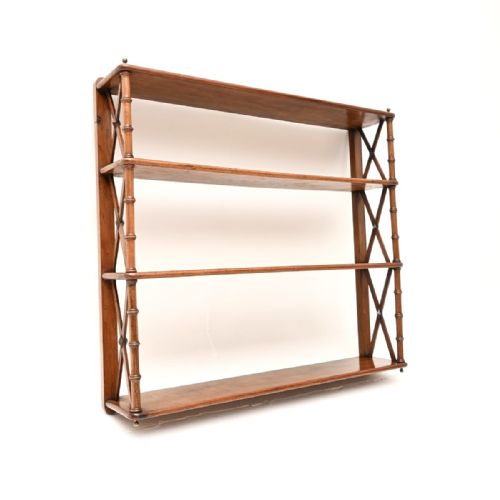
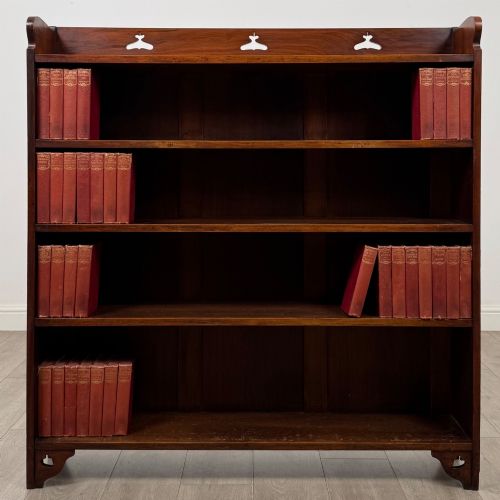
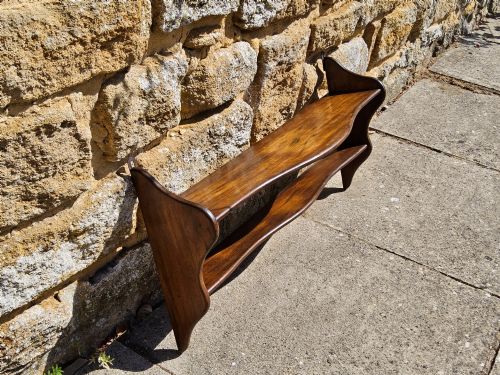
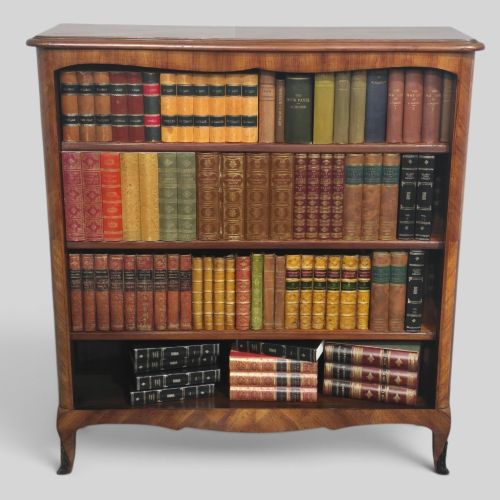
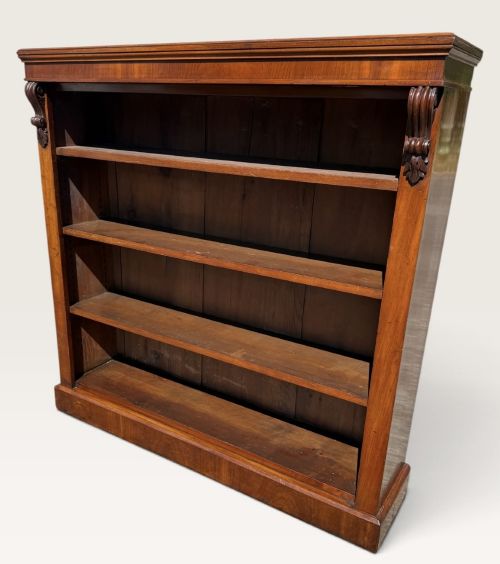
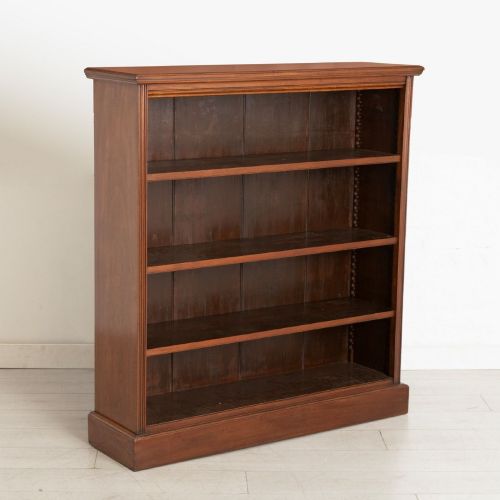
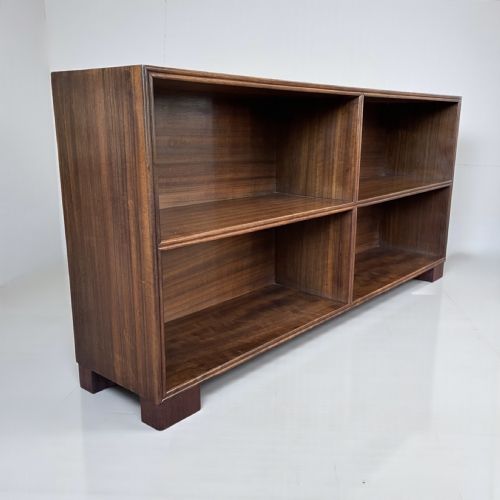
A vintage walnut bookshelf serves as a functional display for volumes while adding warmth through timber figure and tone. The selection spans the nineteenth century through to the Art Deco period, encompassing wall shelves, open bookcases, and revolving designs.
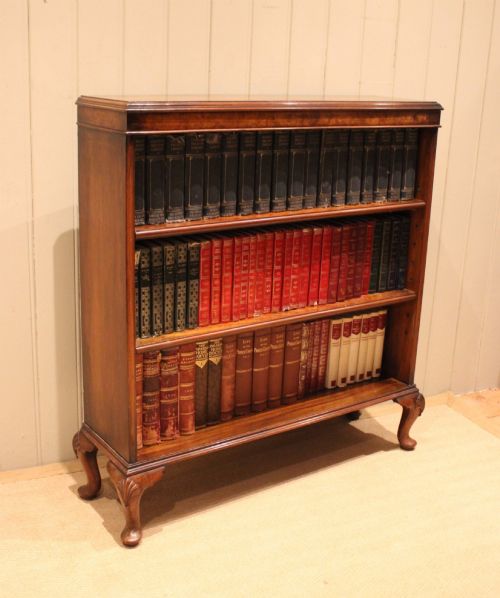
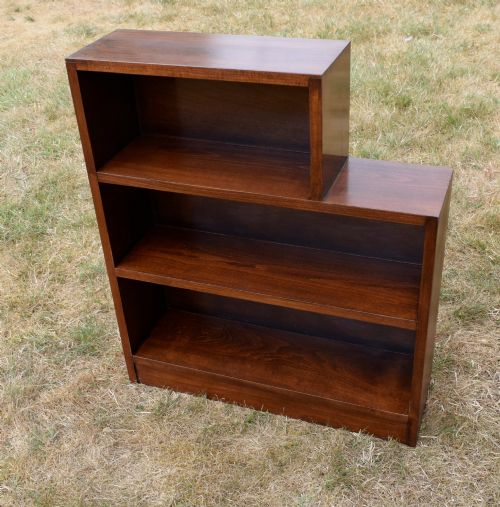
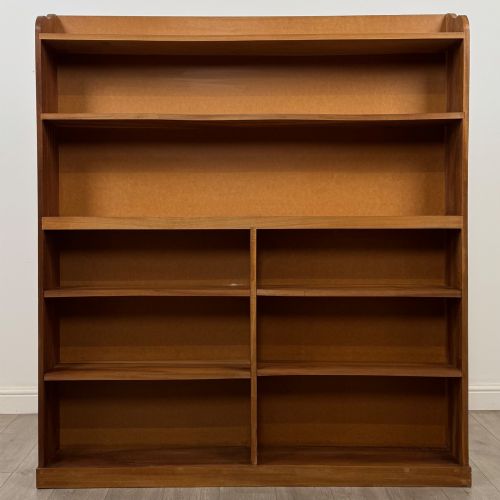
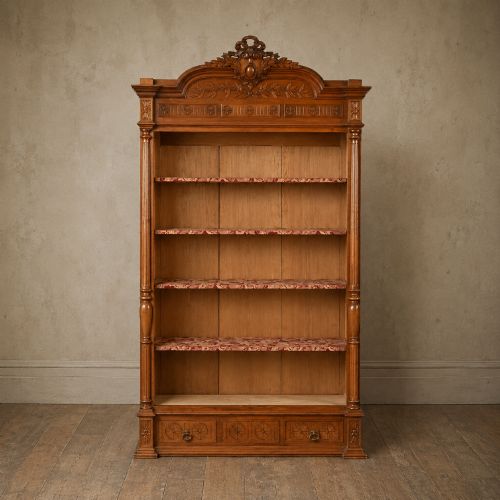
Open bookcases predominate, offering accessible tiering often equipped with adjustable shelves. Pieces emerge from various stylistic traditions including Victorian, Edwardian, Queen Anne Revival, and Arts and Crafts.
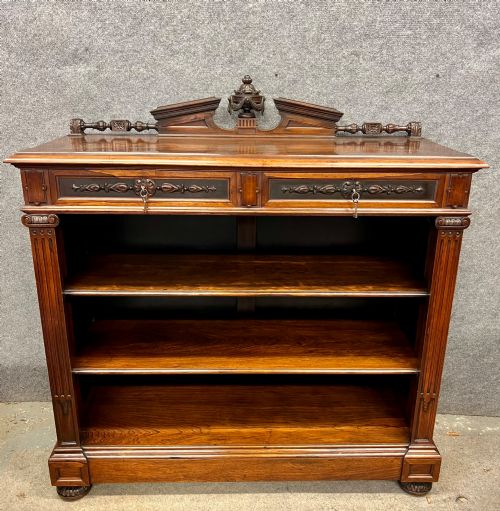
Formats vary from neat small units to large break-fronted library pieces. Continental and French provincial influences appear alongside British cabinet-making traditions.
How they were made
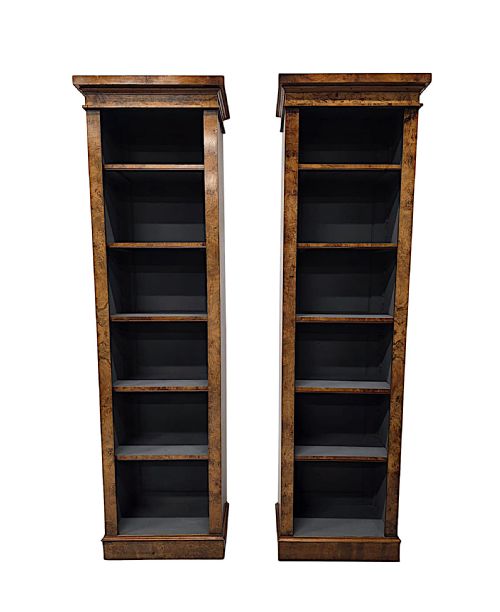
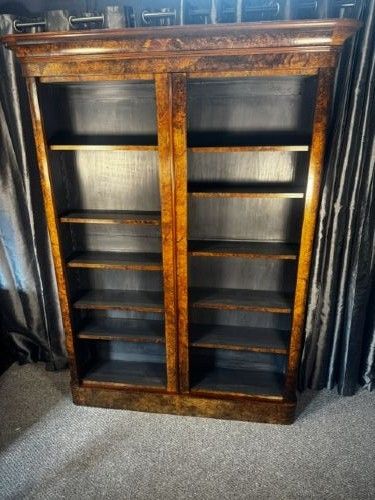
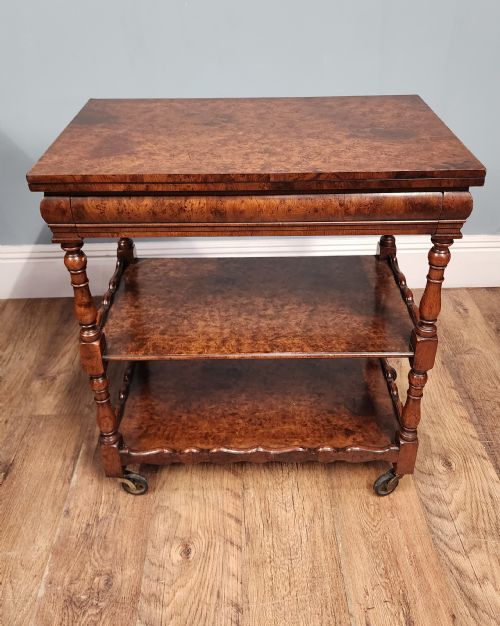
Cabinet makers utilised walnut, burr walnut, and figured walnut veneers over secondary timbers such as pine, applying careful construction methods to flat panels and shaped mouldings. Burr walnut sections provide distinctive swirling grain patterns across fronts and shelves.
Brass hardware supports adjustable shelving mechanisms and drawer pulls, while decorative elements incorporate hand carving, inlay, and ebonised details. Solid wood frameworks house panelled backs and internal partitions.
Listings feature walnut, burr walnut, pine, and satinwood across Victorian, Edwardian, and Art Deco periods.
What varies in quality
The sophistication of the timber figure and the crispness of any carved or inlaid detail dictate the standing of a piece. Finer examples display carefully matched burr walnut veneers and well-proportioned cornices.
Structural integrity relies on the precision of shelf adjustment mechanisms and the stability of joints in upright frames. Superior execution shows in the seamless integration of secondary woods and the retention of original brass fittings.
Maurice Adams
The Vintage Walnut Bookshelf Glossary
- Burr walnut
- A specialised timber cut from the wart-like growth on a walnut tree, yielding intricate swirling grain patterns highly prized for decorative veneer.
- Break-front
- A cabinet design where the central section projects forward from the flanking wings, adding architectural depth to the piece.
- Whatnot
- A multi-tiered piece of freestanding furniture used for displaying books and ornaments, featuring open shelves supported by slender columns.
- Revolving bookcase
- A compact table-top or floor-standing tier designed to rotate on a central pivot for easy access to volumes from any angle.
Vintage Walnut Bookshelf: Frequently Asked Questions
How do I adjust the shelves?
Many period open bookcases utilise traditional wooden rackwork or brass studs to support movable tiers. Simply lift the shelf to clear the supports and relocate them into the desired slot.
Ensure both sides remain level before loading volumes back onto the timber.
Where should I place my bookshelf?
Position the piece away from direct sunlight and strong heat sources to protect walnut timber and delicate veneers from drying out. Adequate clearance from damp exterior walls preserves the secondary pine and structural joints.
Allow sufficient room around revolving or cabinet styles for doors and movement.
How do I tell Victorian from Edwardian?
Victorian walnut pieces often display heavier proportions, rich dark tones, and carved architectural details. Edwardian examples tend toward lighter builds, sometimes featuring simpler lines or delicate satinwood inlay.
Examining the construction methods and secondary timbers inside drawers helps clarify the era.
Are these shelves suitable for heavy books?
Solid wood and adjustable library bookcases handle substantial volumes easily, particularly larger nineteenth-century examples built for institutional use. Slim or decorative variations suit lighter paperbacks and display items.
Check the thickness of the walnut board and the strength of the shelf supports before loading dense collections.