




Vintage Wall Sign
A vintage wall sign brings industrial character and commercial history directly into domestic interiors.
Vintage Wall Sign
A vintage wall sign encompasses functional trade markers, painted boards, and metal plaques originating from the nineteenth and twentieth centuries. Buyers search for these items to display authentic commercial graphics and utilitarian materials within modern spaces.
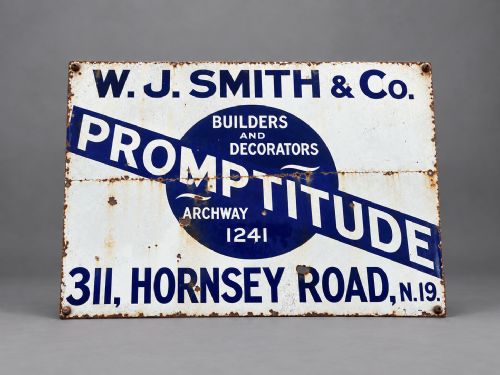
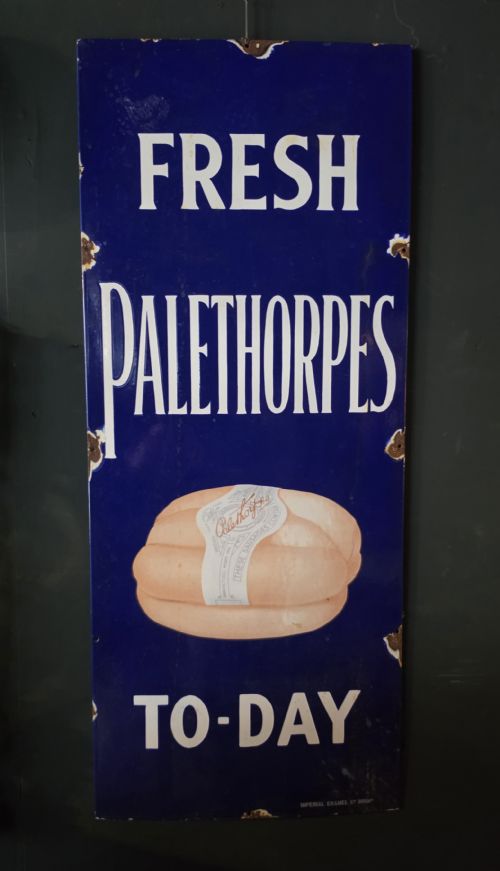
The selections found here lean heavily toward trade signs, painted metal auctioneer notices, iron plaques, and reverse-painted glass pieces. These objects span periods from the Victorian era through the mid-twentieth century, capturing the practical aesthetics of earlier commerce.
Many examples utilise durable substrates such as iron, wood, and enamel to withstand public display. Their survival reflects a shift from purely functional street furniture to collectible pieces of social history.
Materials and Construction Techniques
Makers constructed these items using rigid supports like solid iron, wood, canvas, and glass. Artisans applied oil paint, enamel, and gold leaf directly to these surfaces to ensure high visibility in commercial environments.
Techniques varied from hand-painted wooden boards and cast iron plaques to reverse-painted glass panels. These methods combined durability with clear lettering or heraldic imagery suited for public display.
Hairdressers and beauty establishments once relied on sets of reverse-painted glass signs to entice local clientele.
Assessing Quality and Execution
Quality rests upon the clarity of the lettering, the preservation of the original painted or enameled surface, and the structural integrity of the substrate. Superior examples retain their original mounting hardware and show crisp, deliberate lettering executed by skilled hands.
Lesser items suffer from obscured typography, heavy flaking of the painted layers, or structural degradation of the underlying wood and metal. The distinction lies in how much of the original trade finish remains intact beneath subsequent wear.
F Schumacher And Co·Thomas Herbert Victor·W Pickles
The Vintage Wall Sign Glossary
- Trade sign
- A marker utilised by businesses, pawnbrokers, or tradespeople to advertise services to the public. These objects were typically mounted on exterior walls or above shopfronts.
- Toleware
- Enamelled or japanned metalware popular during the nineteenth century. It frequently formed the base material for durable signs and utilitarian household goods.
- Reverse-painted glass
- A technique where the artist paints the design on the back of the glass pane so it is viewed correctly from the front. This method protects the pigment from atmospheric damage.
- Gilt wood
- Wood decorated with gold leaf or gold powder applied to its surface. It frequently frames decorative wall displays and commercial plaques.
- Impasto
- Paint applied thickly to a surface, standing out from the plane. This technique adds tactile dimension to painted trade boards and canvas works.
Vintage Wall Sign: Frequently Asked Questions
What materials were vintage wall signs made from?
Makers utilised robust materials capable of enduring outdoor or commercial environments, including solid iron, wood, and glass.
Surfaces were frequently finished with oil paint, enamel, or gold leaf to ensure visibility and longevity.
How were trade signs originally used?
Businesses mounted these markers on exterior walls, above shopfronts, or inside trade establishments to identify specific services.
They functioned as visual advertisements for passersby before standardised street numbering and modern signage took over.
How do I hang a heavy iron sign?
Solid iron plaques and trade signs require secure fixings anchored directly into structural wall studs or masonry.
Using rated brackets and distributing the weight evenly prevents damage to both the wall and the piece.
How do I distinguish 19th-century signs from later pieces?
Nineteenth-century examples often feature heavy cast iron, hand-lettered wooden boards, or traditional trade motifs like pawnbrokers' symbols.
Twentieth-century versions introduce materials like painted metal sheets and reverse-painted glass associated with art deco and mid-century aesthetics.