
Vintage Wall Mounted Rack
A vintage wall mounted rack brings practical hanging and display space to a room while carrying the distinct character of past centuries.
Vintage Wall Mounted Rack
When you search for a vintage wall mounted rack, you encounter a varied selection of functional storage items designed to hang on walls. The pieces on this page span several centuries, with particular emphasis on Victorian and Edwardian examples alongside older Georgian and 18th century formats.
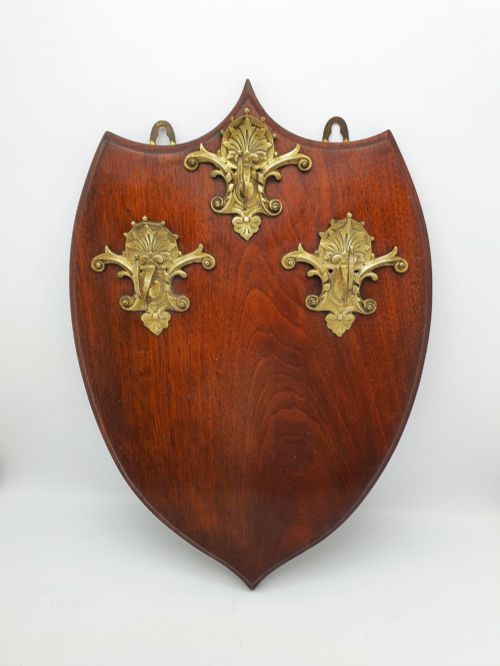
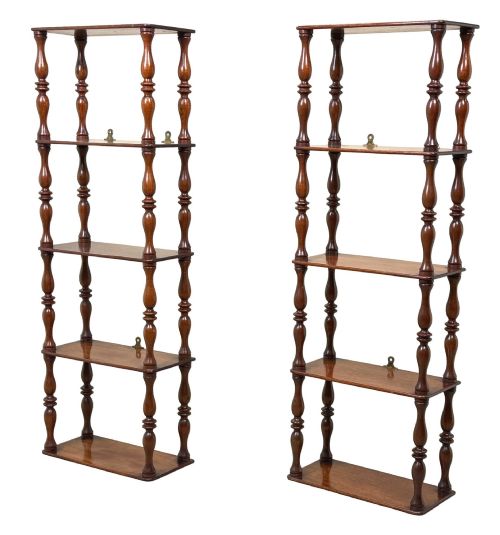
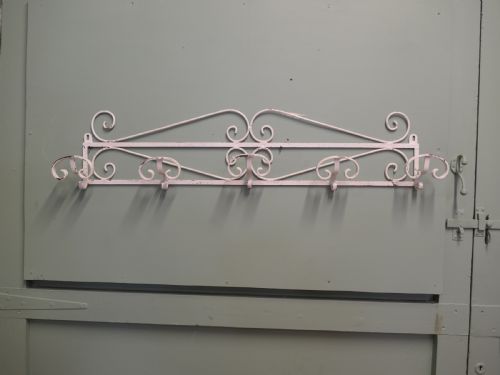
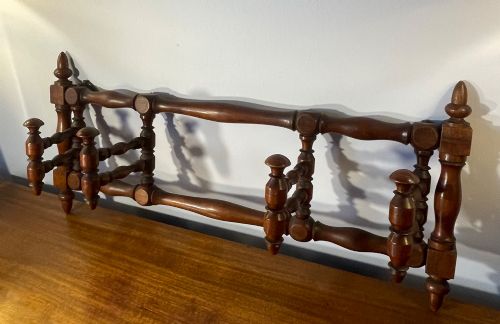
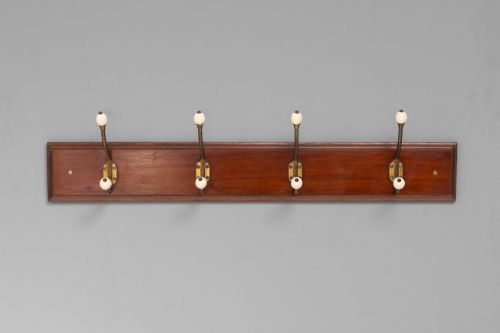
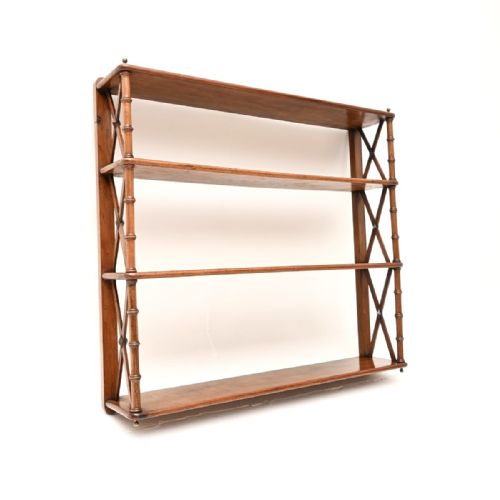
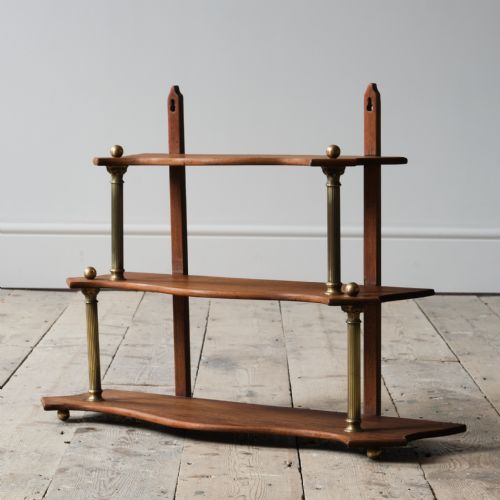
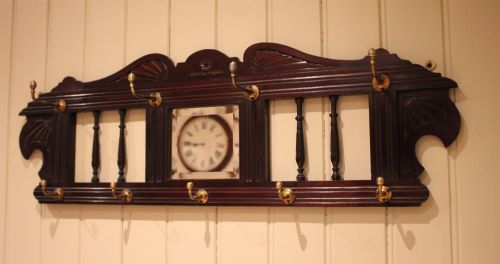
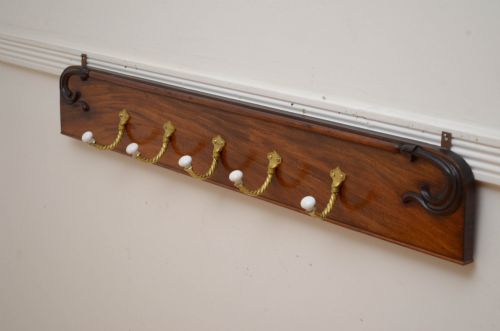
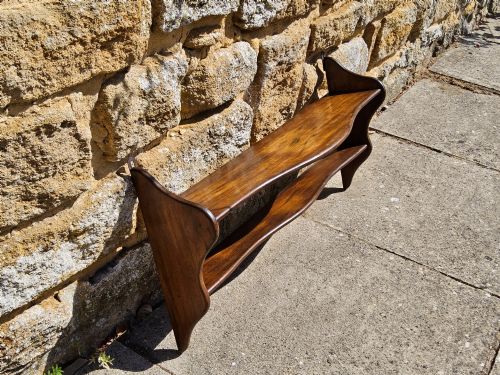
The forms vary widely according to their original domestic or utilitarian purpose. Buyers will find coat racks, cloakroom valets, plate racks, wall shelves, towel rails, pipe racks, and small wall cabinets.
Materials range from substantial timbers such as oak, mahogany, pine, and walnut to decorative additions of brass, ceramic, iron, and glass. These items originate from diverse domestic settings, from country houses to railway offices.
Materials and Construction
Makers utilised solid hardwoods like oak, mahogany, and walnut alongside softer pine for the backboards and structural shelving. These timbers were frequently joined with traditional carpentry methods suited to items subjected to the weight of coats, plates, or books.
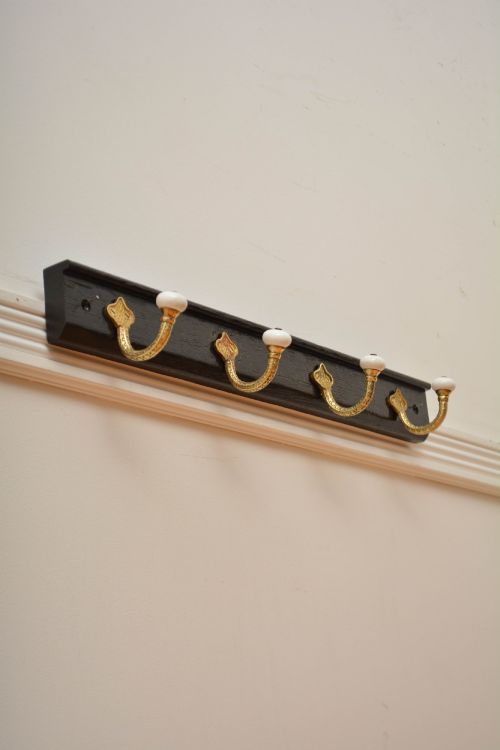
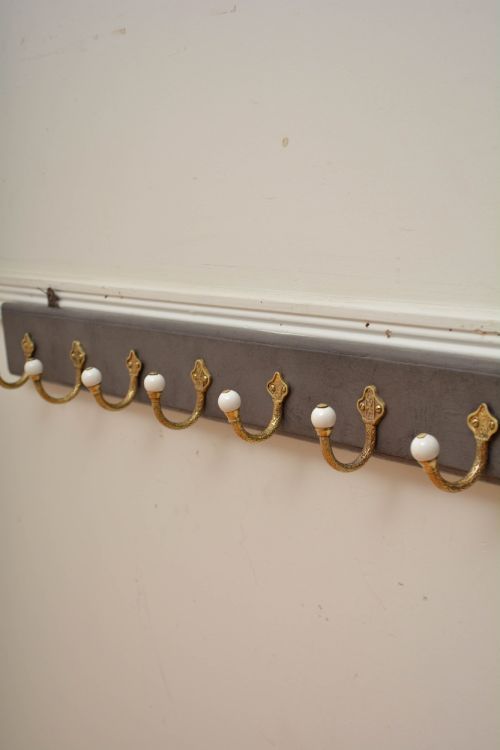
Metalwork plays a defining role in the construction, incorporating cast brass hooks, iron brackets, and wrought elements. Ceramic inserts often decorate the tips of coat hooks, while glass and painted finishes appear on specific display shelving and cabinetry.
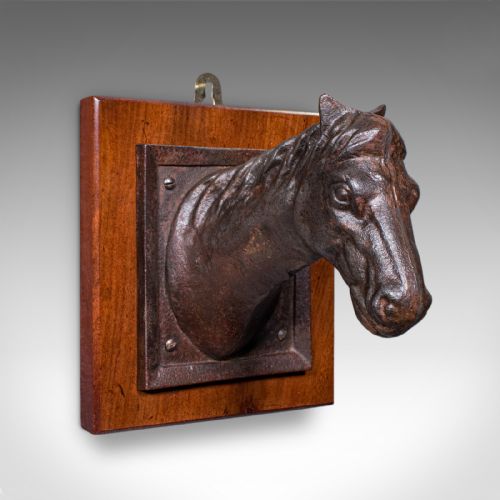
Materials appearing across these wall racks range from oak, mahogany, walnut, and pine to brass, iron, glass, ceramic, and taxidermy elements.
Determinants of Quality
The standard of a vintage wall mounted rack rests upon the selection of materials and the integrity of the original hardware. Pieces featuring substantial timbers such as solid oak or mahogany paired with original brass and ceramic hooks command greater appreciation.
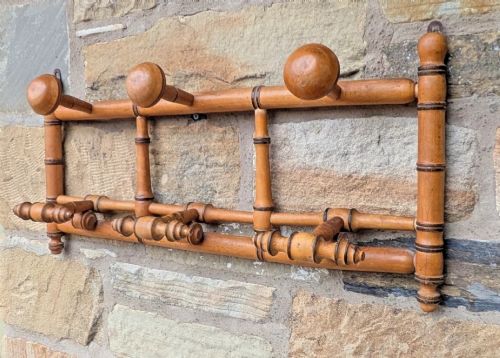
Execution of detail further separates standard utility items from finer examples. Subtle turning in wooden rails, decorative brass casting, and the retention of original painted or ebonised surfaces indicate superior craftsmanship.
The Vintage Wall Mounted Rack Glossary
- Backboard
- The flat wooden plank or panel that secures to the wall and holds the hooks, shelves, or rails. It provides the structural support and often displays the grain of the timber.
- Delft rack
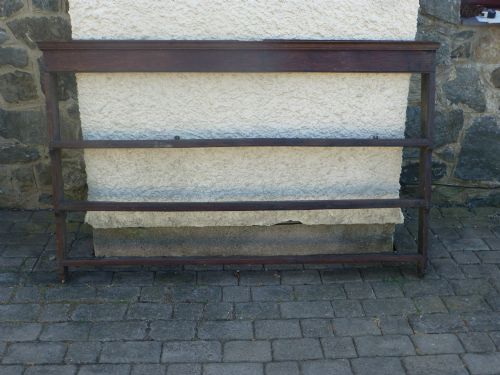
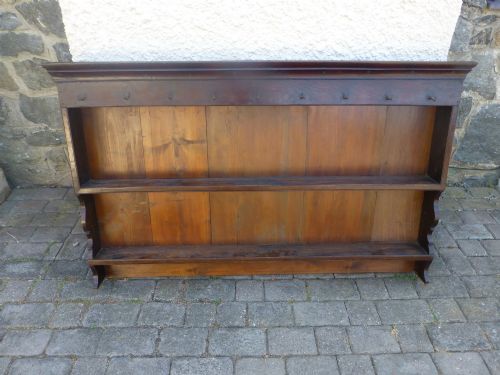
- A wall-mounted wooden shelving unit traditionally used to display ceramic plates and platters. These often feature grooved ledges and retaining rails to hold plates securely upright.
- Ebonised
- Wood that has been treated or stained to resemble ebony, a dark and dense exotic timber. This finish was common on Victorian and Aesthetic Movement hardware backboards to create contrast with brass hooks.
- Game hook rack
- A utilitarian wooden rail fitted with metal hooks historically used in country house kitchens or larders for hanging game birds and meats.
- Coat hooks
- Projections attached to a backboard or wall designed for hanging garments. In period examples, these frequently combine cast brass with ceramic or porcelain ends.
Vintage Wall Mounted Rack: Frequently Asked Questions
What rooms suit a plate rack best?
Plate racks function naturally in kitchens and dining rooms where ceramic tableware is displayed and stored close at hand. Their narrow profile allows them to utilise wall space efficiently above furniture.
They also appear in hallways or living spaces when utilised to display decorative antique platters rather than everyday kitchenware.
How do I clean antique wood and brass?
Maintain wooden surfaces by dusting with a dry cloth and occasionally applying a suitable beeswax to nourish the grain. Avoid harsh chemical cleaners that can strip historic finishes.
Brass hooks and mounts respond well to gentle cleaning with a soft cloth, taking care not to disturb the surrounding wood or applied patination on the metal.
How do I date a Victorian coat rack?
Victorian pieces often feature specific material combinations such as ebonised oak backboards fitted with cast brass and white ceramic hooks. The construction methods on the reverse, along with the style of screw heads, help confirm the era.
Design movements within the Victorian period, such as the Aesthetic Movement, introduced particular decorative motifs that assist in narrower dating.