




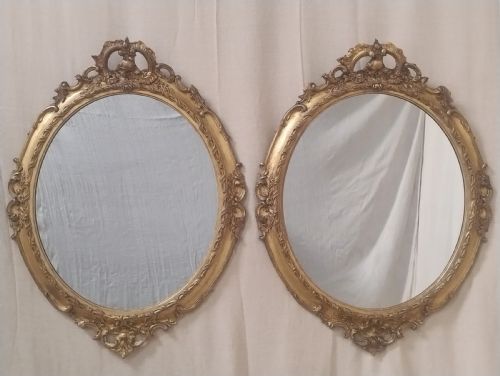
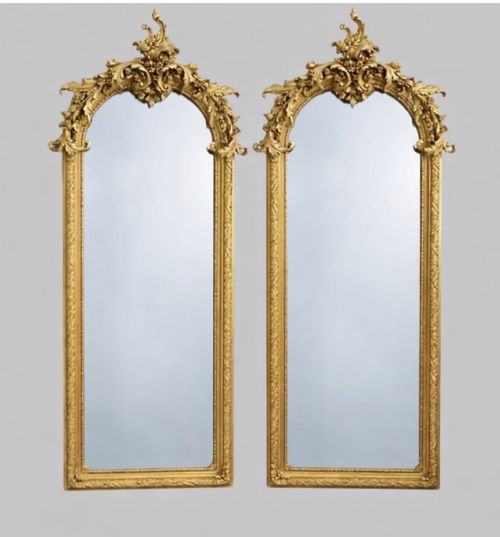


Vintage Wall Mirrors Pair
These vintage wall mirrors pair items bring symmetry and balanced reflection to a room, offering matched decorative impact across fireplace mantels or console tables.
Vintage Wall Mirrors Pair
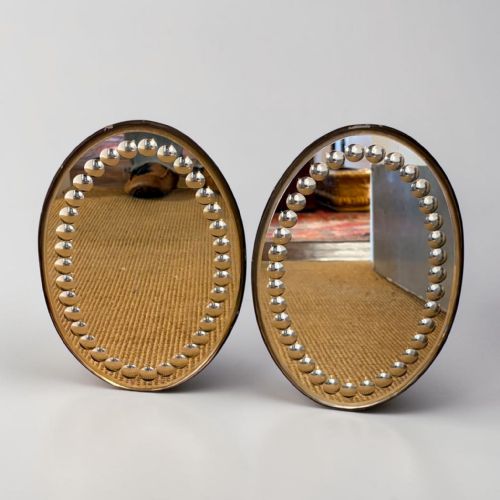
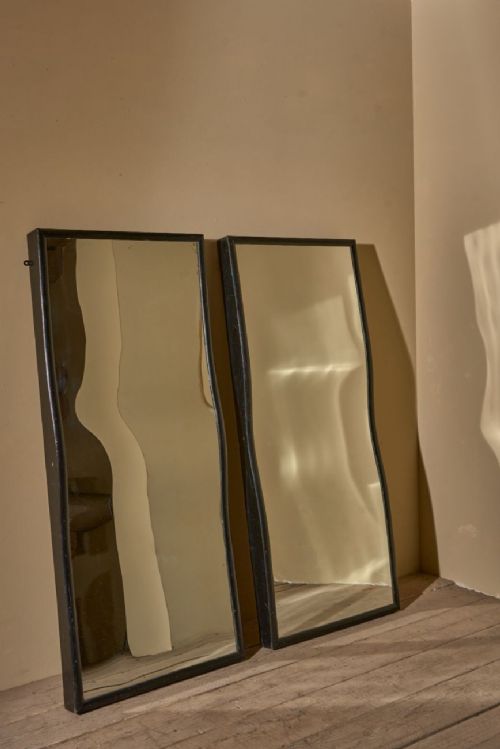
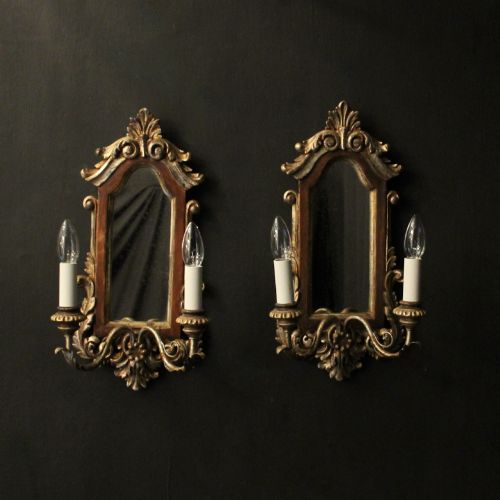
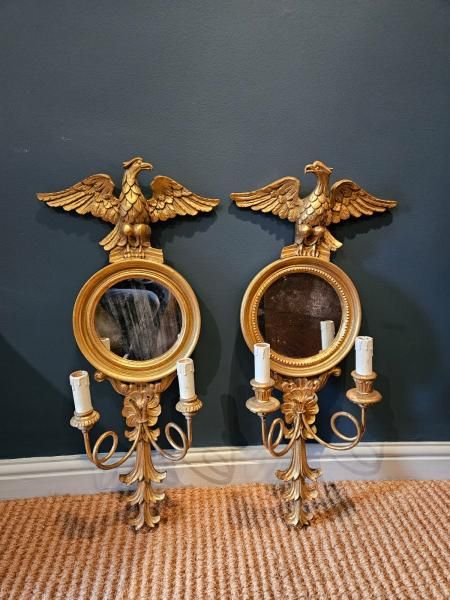
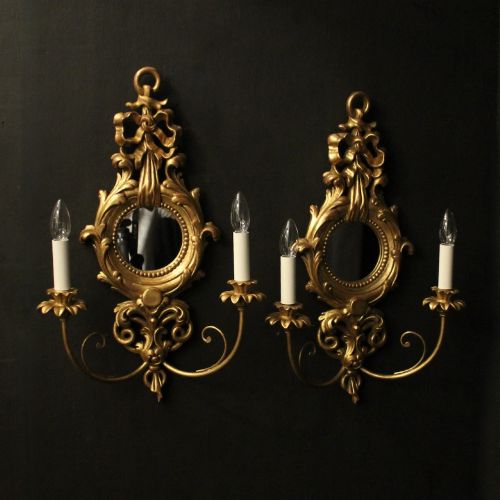
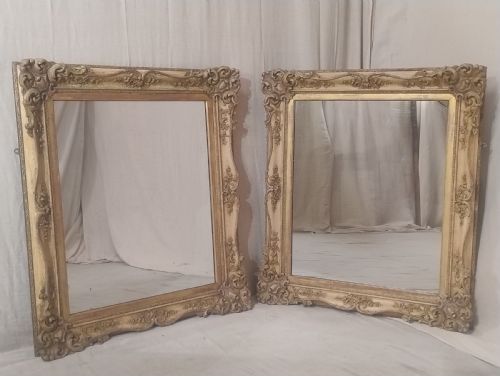
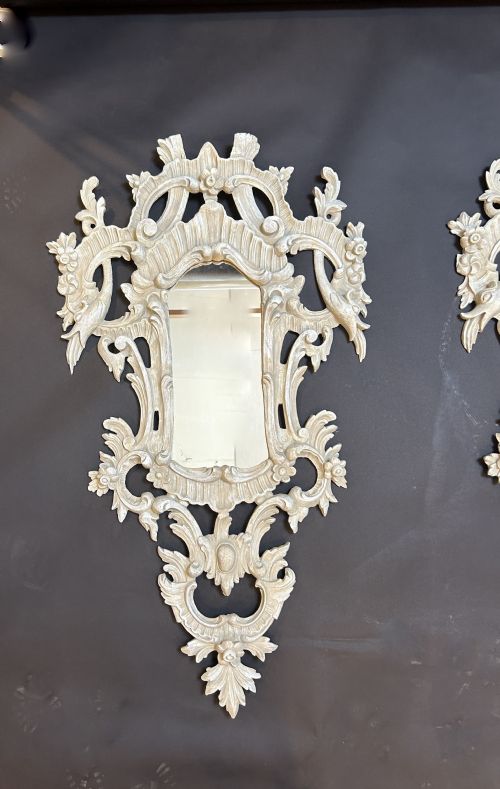
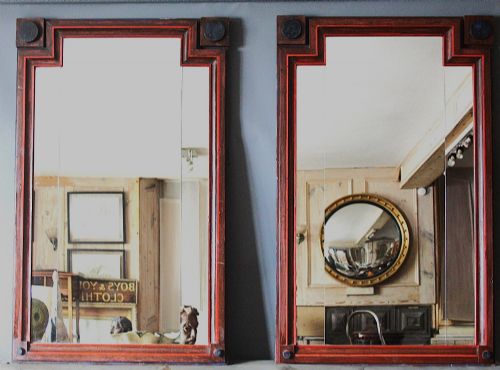
When you search for vintage wall mirrors pair, you encounter matching sets designed for balanced interior placement, frequently hung symmetrically across a room or above furniture pieces. The selections on this page span the nineteenth and twentieth centuries, taking the form of girandoles, pier mirrors, oval frames, and mirrored wall sconces.
The aesthetic range stretches from heavy Victorian gilding and ornate Rococo revival carvings to cleaner Edwardian, Art Deco, and Regency lines. Many examples incorporate candle arms, brass inlays, or carved wood, originating from workshops across Britain, France, Italy, and India.
How they were made
Makers shaped these frames from giltwood, gesso, pine, mahogany, and cast or gilt metals, applying gold leaf or water gilding to achieve reflective brilliance. Skilled carvers produced intricate scrolls, floral motifs, and architectural details by hand.
Mirror plates of the period involved silvering techniques behind bevelled or etched glass, often retained within the original wooden or metal backings and fitted with period hardware.
Among the reflections, sorcerer-type convex mirrors offer a distorted, fish-eye view of the room to amuse guests.
What varies in quality
Quality rests in the crispness of the carved ornamentation and the depth of the gilding, where hand-applied gold leaf or water gilding displays superior luminosity compared to flat paint finishes. The integrity of the original mirror glass, including authentic foxing or clean bevelling, distinguishes a high-grade piece.
Construction methods also set examples apart, with pegged wooden joints and substantial carved timber frames holding structural advantage over simpler composite assemblies.
The Vintage Wall Mirrors Pair Glossary
- Girandole
- A wall mirror featuring attached candle branches or sconces designed to multiply candle glow in a room. These dual-purpose fixtures often display elaborate giltwood frames.
- Pier mirror
- A tall, slender glass designed specifically to hang on the wall space between windows. They frequently match console tables placed below them.
- Gesso
- A plaster-like mixture applied to a wooden frame as a smooth base for gilding. Skilled artisans carved intricate details directly into this layered material.
- Water gilding
- A traditional technique using liquid size to adhere delicate gold leaf to a prepared surface. This method allows the metal to be burnished to a high, reflective shine.
- Bevelled glass
- A mirror plate with edges angled and polished down to a thinner profile. This historic detail catches the light distinctively at the perimeter.
Vintage Wall Mirrors Pair: Frequently Asked Questions
Where should I hang a matching pair?
Matched pairs suit symmetrical arrangements, such as flanking a central fireplace, doorway, or large piece of furniture. Hanging them at equal eye level creates visual balance in dining rooms or hallways.
Ensure the wall anchors support the weight of the frames, particularly heavier giltwood or cast metal designs, to keep them secure over time.
How do I care for antique glass?
Clean antique mirror plates gently with a dry or barely damp microfiber cloth, avoiding harsh chemical sprays that might seep behind the frame and damage the original silvering. Protect the surrounding giltwood or carved surfaces from excessive moisture and direct sunlight.
Allow the natural patina of the frame and glass to settle without aggressive scrubbing, preserving the age and character of the piece.
Are these frames solid gold?
Historic frames use a thin layer of gold leaf applied over a base of gesso and wood, rather than solid precious metal. This traditional craft technique provided the appearance of solid gold while keeping the structural weight manageable for wall hanging.
Water gilding or oil gilding methods create this finish, which can be distinguished by subtle overlapping seams in the leaf and gentle wear revealing the red bole underneath.
How do I date an older mirror?
Dating relies on examining the construction of the wooden backboards, the style of the carved frame, and the characteristics of the glass itself. Victorian, Edwardian, and Regency periods each dictated distinct moulding profiles, fastener types, and decorative motifs.
Original fixings and backings offer strong clues to the decade of manufacture, distinguishing nineteenth-century craft from later revival pieces.