

Vintage Wall Hanging Shelf
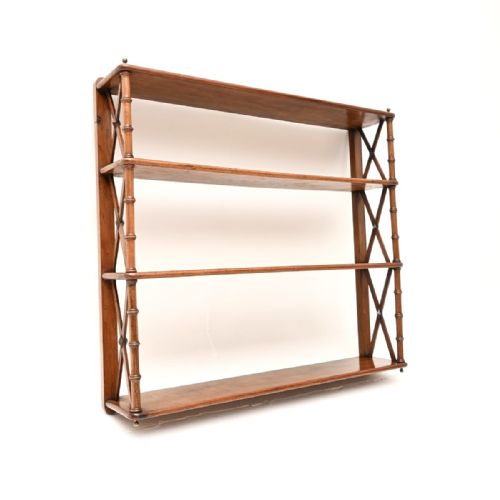
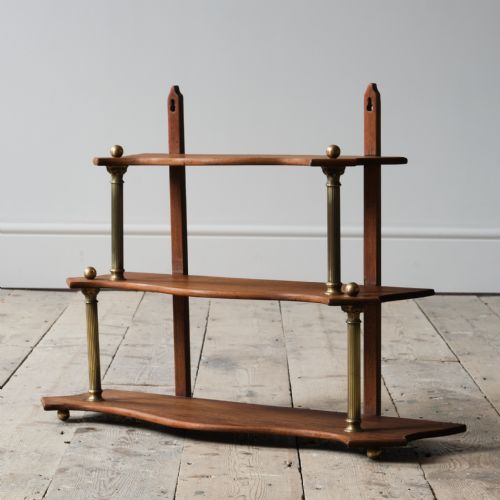
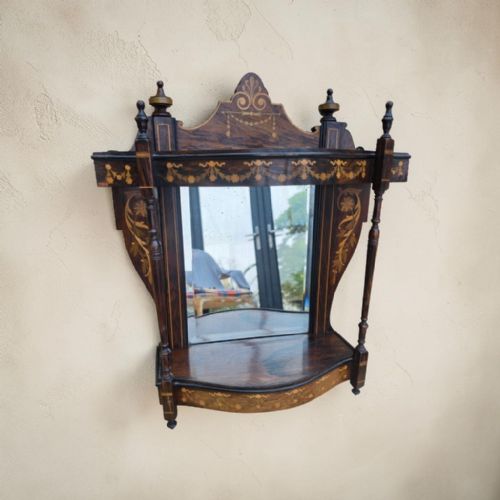
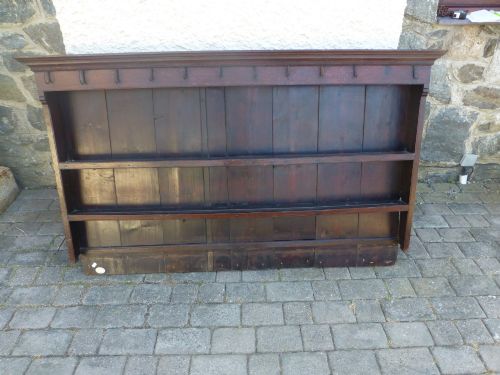
These vintage wall hanging shelf designs range from compact mahogany bookcases to rustic oak plate racks, offering practical display space with period charm.
Vintage Wall Hanging Shelf
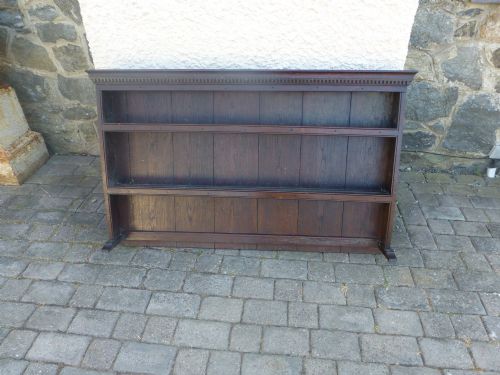
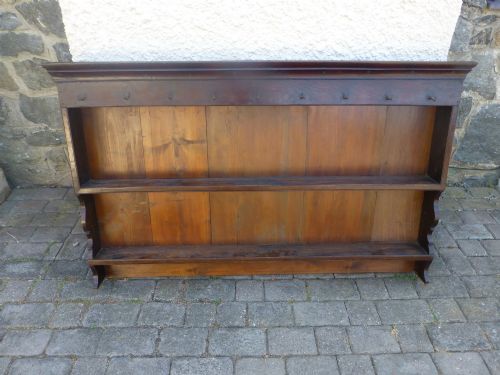
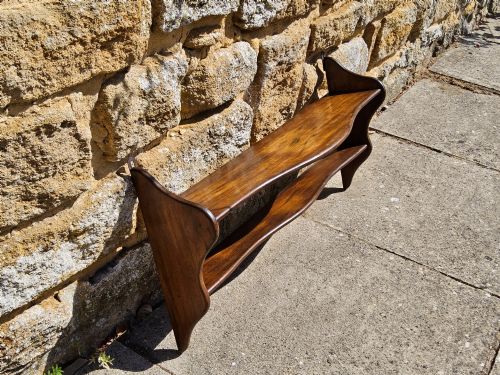
A vintage wall hanging shelf combines utility with decorative appeal, frequently appearing in forms such as open plate racks, corner cabinets, and multi-tier bookcases. These pieces serve to organise books, ceramics, or small ornaments while saving floor space.
The selection spans numerous eras, with significant representation from the eighteenth and nineteenth centuries alongside Edwardian and later twentieth-century examples. Common stylistic influences include Victorian, Georgian, Regency, and Arts and Crafts designs.
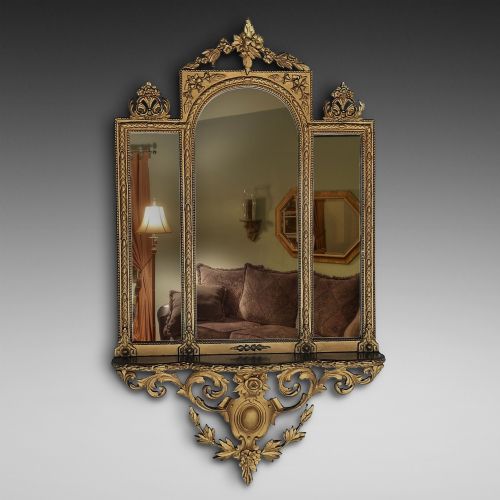
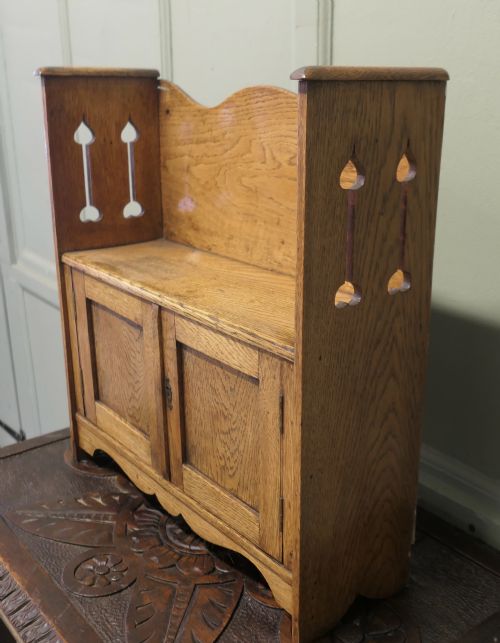
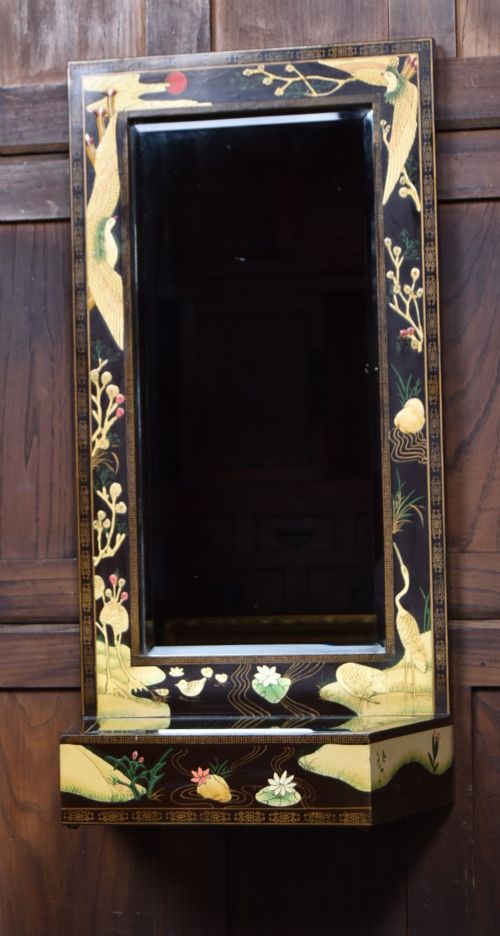
Mahogany and oak form the backbone of the available selection, accompanied by walnut, pine, and painted wood surfaces. Pieces often integrate practical additions like small cupboards, pigeon holes, or mirrors alongside the primary tiers.
Materials and Construction
Cabinet makers utilised dense hardwoods like mahogany, walnut, and oak to construct sturdy frameworks capable of supporting weight over long periods. Softwoods such as pine and painted timber appear in domestic kitchen and pantry settings.
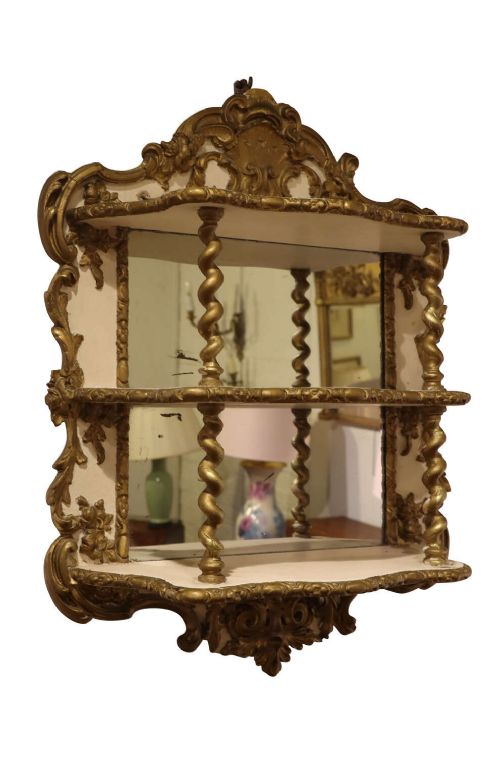
Decorative elements involve brass fixtures, gilt finishes, and intricate carved details characteristic of French Rococo Revival or Arts and Crafts movements. Joinery methods rely on traditional carpentry techniques appropriate to each specific period.
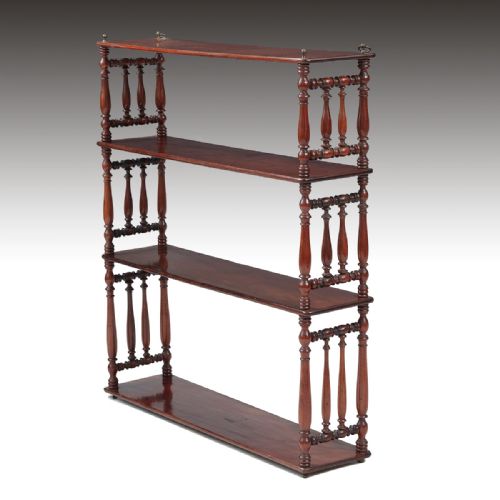
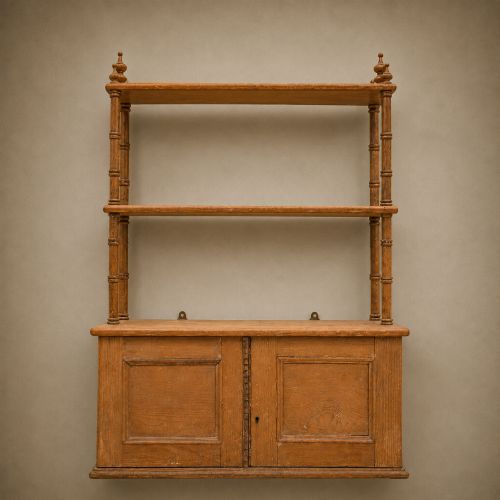
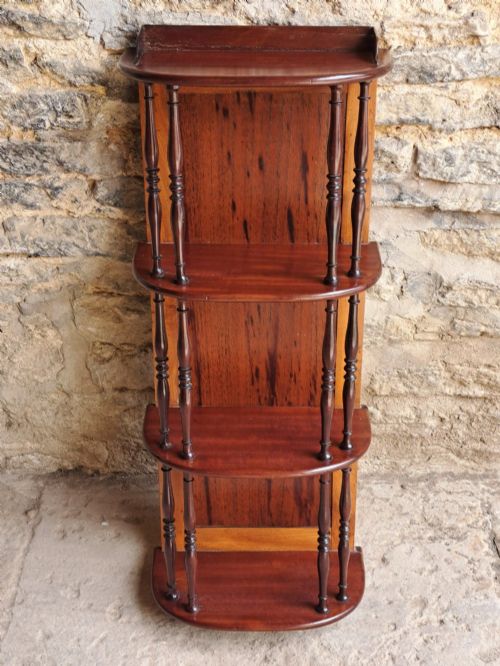
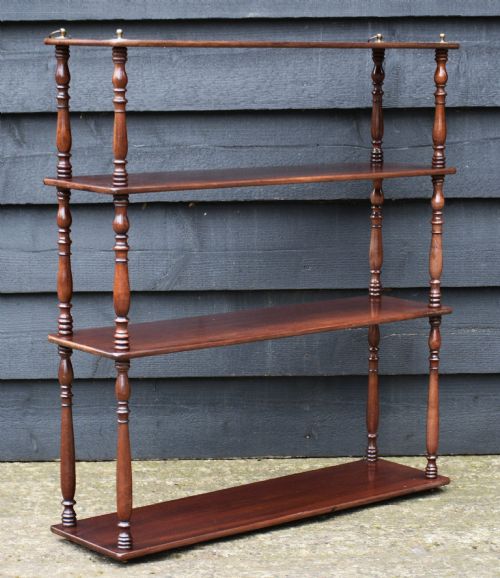
Surfaces frequently display hand-painted decorations or natural wood grains enhanced through polishing and finishing. Structural variations include waterfall shelving tiers, bobbin turnings, and integrated mirror frames.
Listings feature items spanning the eighteenth century through to the 1920s, constructed from mahogany, oak, walnut, and pine.
Assessing the Pieces
Quality reveals itself through the selection of timber and the precision of the joinery used to assemble the tiers and backboards. Dense, well-figured mahogany or quarter-sawn oak indicates superior initial craftsmanship compared to standard utility pieces.
The sophistication of decorative carving and hardware integration distinguishes standard functional items from finer examples produced by skilled workshops. Original finishes and intact structural integrity elevate the standing of older furniture.
Arthur Simpson
The Vintage Wall Hanging Shelf Glossary
- Plate rack
- A wall-mounted wooden frame featuring grooved shelves or vertical slats designed to display ceramic plates upright. These fixtures are commonly found in eighteenth-century and nineteenth-century dining spaces and kitchens.
- Étagère
- A set of open shelves for displaying small ornaments or decorative objects. French revival examples often incorporate painted or gilt wood surfaces.
- Waterfall shelves
- A tier of shelving units where each lower shelf steps forward or provides a larger surface area than the one above. This stepped arrangement creates a cascading visual profile.
- Bobbin shelves
- Shelving units supported by turned wooden columns resembling bobbins or spools. This style gained popularity during the late nineteenth and early twentieth centuries.
- Pigeon holes
- A series of small, square compartments built into a desk organiser or wall cabinet for sorting correspondence and documents. They provide segmented storage for paper items.
Vintage Wall Hanging Shelf: Frequently Asked Questions
How were wall shelves used historically?
Historically, these items provided essential storage and display in domestic rooms where floor space was limited. Kitchens utilised plate racks for drying and exhibiting ceramics, while libraries and parlours employed bookcases for literature.
Smaller variants held ornaments, mirrors, or everyday accessories in hallways and bedrooms. Their elevated placement protected delicate objects from household activity.
What woods are most common?
Mahogany and oak dominate the selection across multiple centuries, chosen for their structural strength and rich grain patterns. Walnut also appears frequently in finer parlour and cabinet pieces.
Pine and painted wood serve predominantly in utility or kitchen racks from the Victorian era. Decorative accents occasionally incorporate brass, limewood, or satinwood.
How do I distinguish between periods?
Georgian and Regency pieces typically feature clean mahogany lines and classical proportions. Victorian items often display heavier timber construction, decorative carvings, or bobbin turnings.
Arts and Crafts examples emphasise simplified oak structures and functional additions like magazine racks. Edwardian and later twentieth-century items introduce painted finishes and lighter display formats.
Are these shelves structurally secure for modern walls?
Most pieces retain traditional hanging brackets or fixing points intended for secure wall attachment. Assessing the weight of the timber and the intended load dictates the appropriate wall fixings required.
Consulting a professional installer ensures the piece anchors safely into wall studs or masonry. Distributing weight evenly across the shelves preserves the long-term stability of older joinery.