

Vintage Wall Hanging Rack
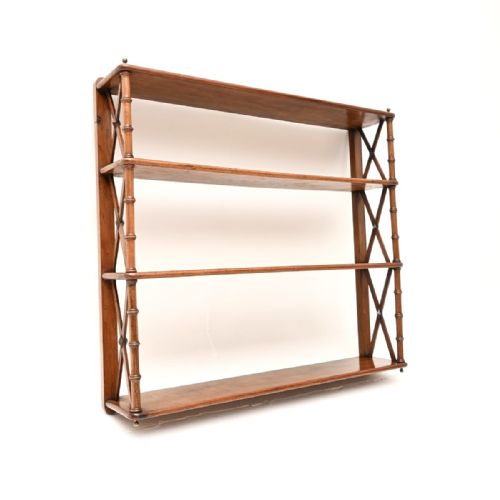
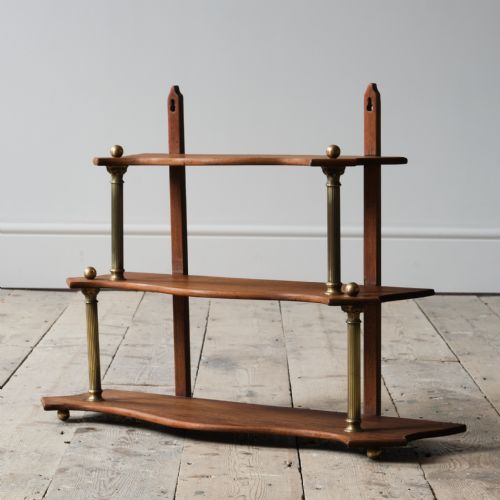
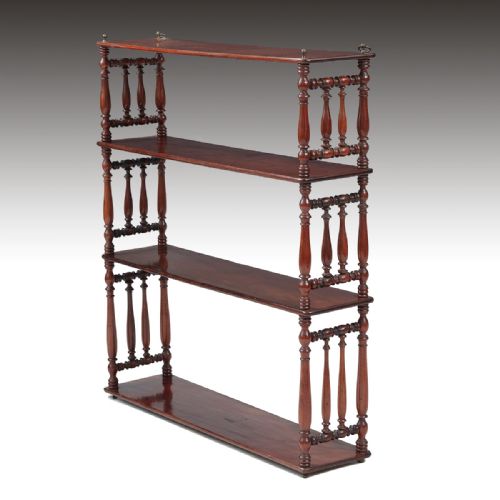
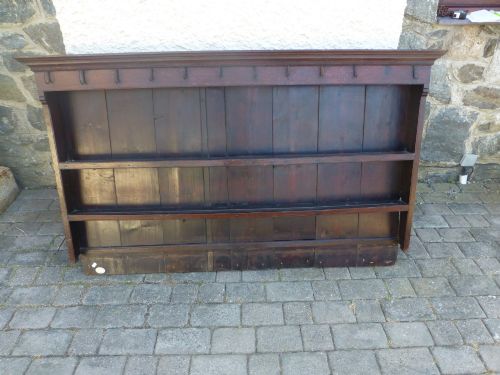
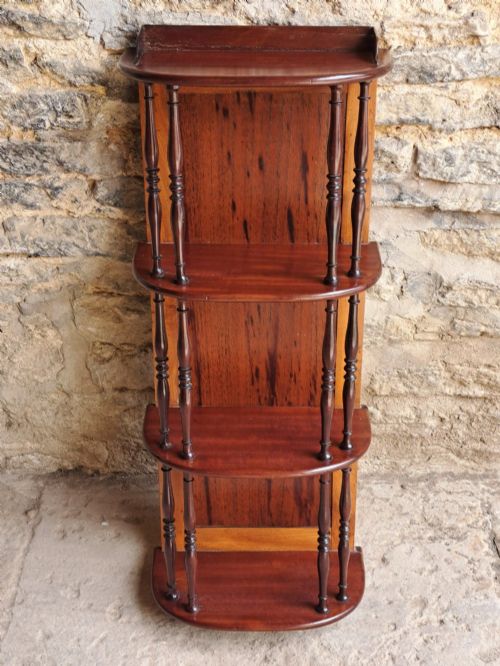
These vintage wall hanging racks range from Georgian oak plate displays to Victorian mahogany bookshelves, offering practical storage that fastens directly to the wall.
Vintage Wall Hanging Rack
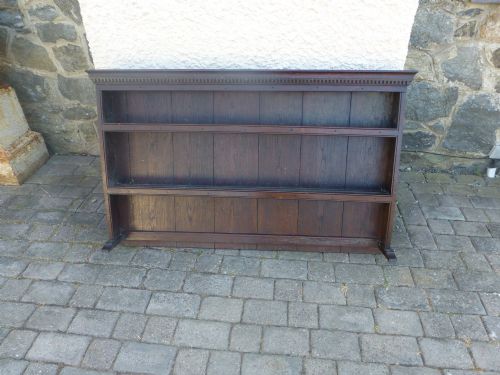
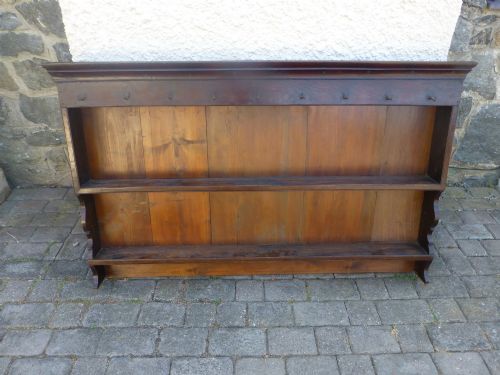
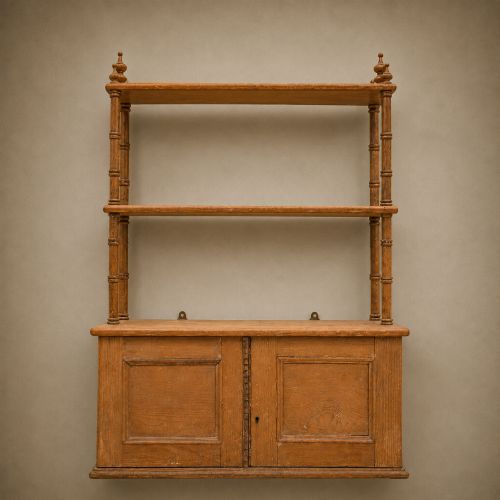
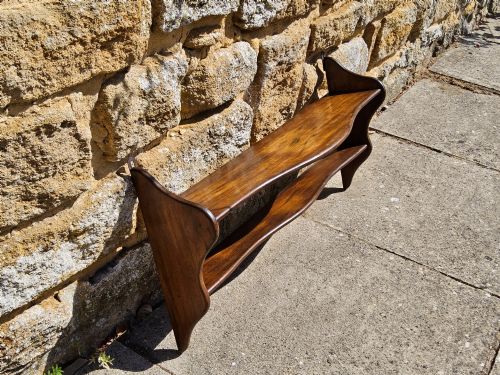
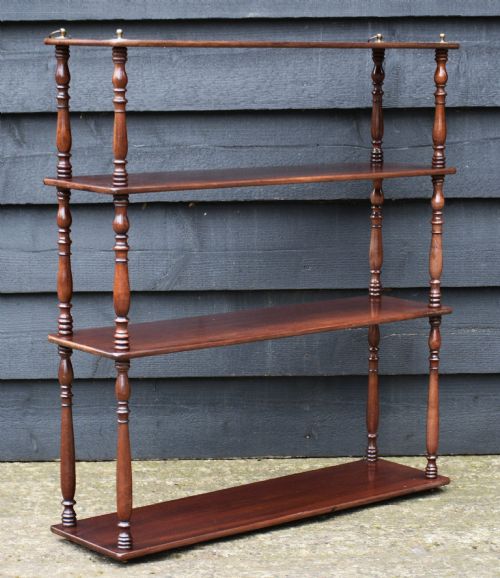
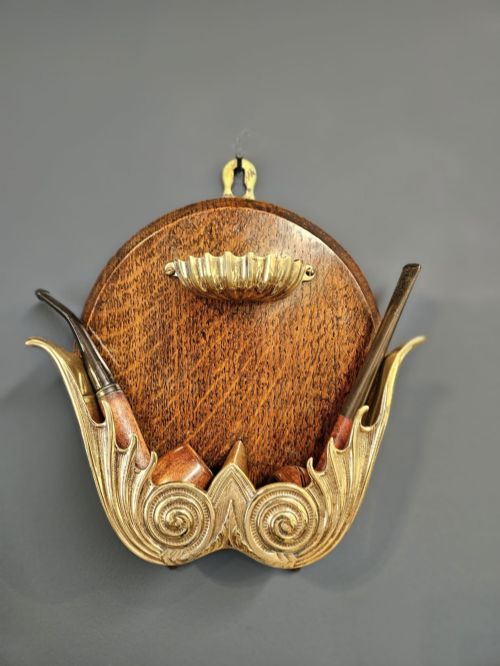
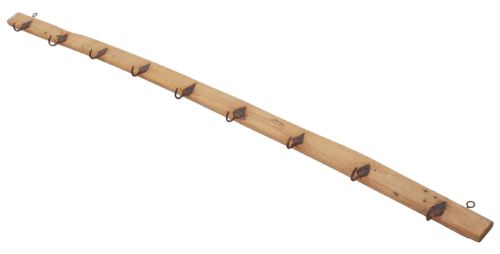
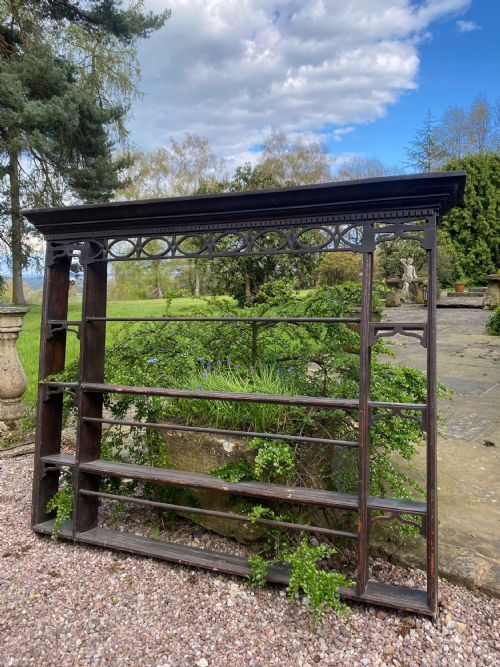
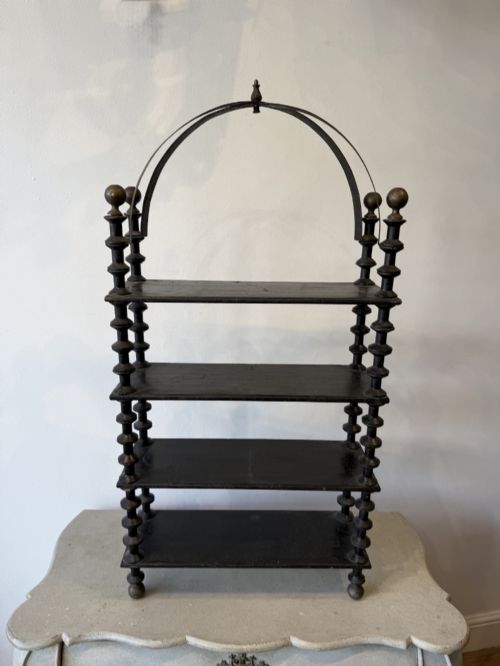
A vintage wall hanging rack serves various domestic functions, appearing on this page as open wall shelves, plate racks, coat hooks, pipe holders and desktop organisers. You will most frequently encounter mahogany and oak examples dating from the eighteenth and nineteenth centuries.
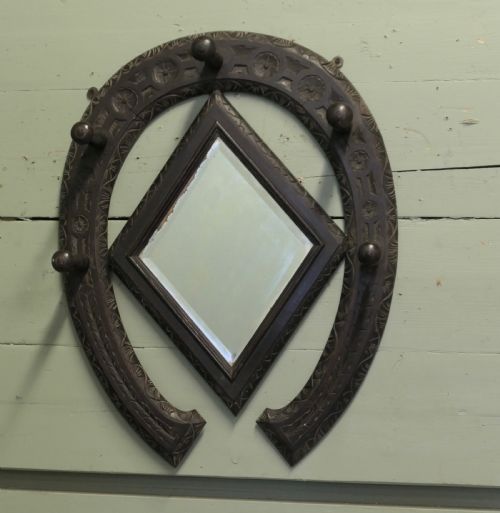
The assortment spans formal Georgian and Regency display shelves alongside utilitarian pine kitchen cupboards, oak spoon racks and gothic horseshoe tack rails. Form follows function closely, determining whether a piece holds books, ceramics, towels or game.
Origins vary from English country workshops to French chateau ateliers, incorporating regional styles such as Arts and Crafts oak and French bobbin turnings. Each piece attaches securely to vertical surfaces to maximise floor space.
Materials and construction methods
Cabinetmakers utilised hardwoods such as mahogany, walnut and oak alongside softer pine, limewood and painted wood for backing boards and shelves. Brass fixings, hooks and rails frequently provide structural support and functional hanging points.
Joinery methods reflect the period of manufacture, utilising traditional dovetails for shelf joints and secure pegging for plate grooves and rack struts. Surfaces show hand finishing, ranging from polished mahogany grains to painted finishes and delicate marquetry inlay.
Listings feature woods spanning oak, mahogany, walnut, pine, limewood and satin birch alongside brass hardware and painted finishes.
Assessing craftsmanship and design
Quality rests upon the selection of timber, visible in the rich figuring of mahogany and walnut boards compared against simpler pine carcases. Superior pieces display thoughtful proportions, balanced tier spacing and refined mouldings.
Integration of secondary materials elevates a piece, such as crisply cast brass hooks, decorative marquetry panels or hand painted accents. Original backing boards and intact structural joints distinguish better-preserved examples from heavily restored counterparts.
The Vintage Wall Hanging Rack Glossary
- Delft rack
- A wall mounted set of open shelves featuring plate grooves designed to display ceramic plates upright. These typically originate from eighteenth and nineteenth-century country kitchens.
- Marquetry
- Decorative veneer work forming pictures or geometric patterns using various tinted woods. This technique often appears on nineteenth-century panels.
- Pigeon holes
- Small, compartmentalised cubbies built into desk organisers or small shelving units for sorting letters and documents. They provide orderly desktop storage.
- Tack rack
- A specialised wall fixture incorporating hooks for hanging riding tack, harness gear or coats. These often feature rustic materials like iron and oak.
Vintage Wall Hanging Rack: Frequently Asked Questions
What is the difference between a plate rack and a bookshelf?
Plate racks feature a narrow groove running along the base of each shelf to hold ceramic plates at an angle without slipping. Bookshelves provide flat, deeper horizontal planes designed to store volumes vertically.
While both mount to walls, their shelf depths and structural detailing reflect their distinct domestic uses.
How do I clean antique mahogany and oak?
Dust timber surfaces regularly with a soft, dry cloth to prevent grit accumulation on polished finishes. Avoid silicone-based sprays and excess water, opting instead for traditional beeswax applied sparingly to nourish the wood grain.
Buff gently with a clean cloth to maintain the natural sheen developed over centuries.
Were all these racks originally meant for kitchens?
Kitchen origins apply primarily to pine plate racks, spoon racks and game hook frames intended for culinary preparation spaces. Other formats served entirely different domestic rooms, including hallway coat rails, library bookshelves and desk organisers.
Function dictated the materials chosen and the specific configuration of hooks or ledges.