


Vintage Wall Crest
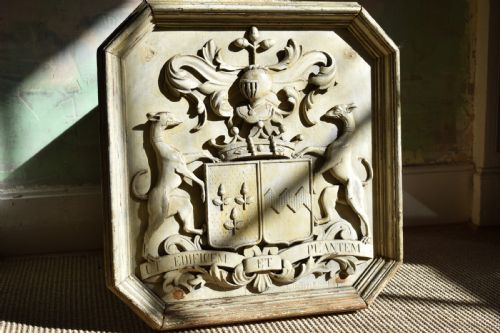
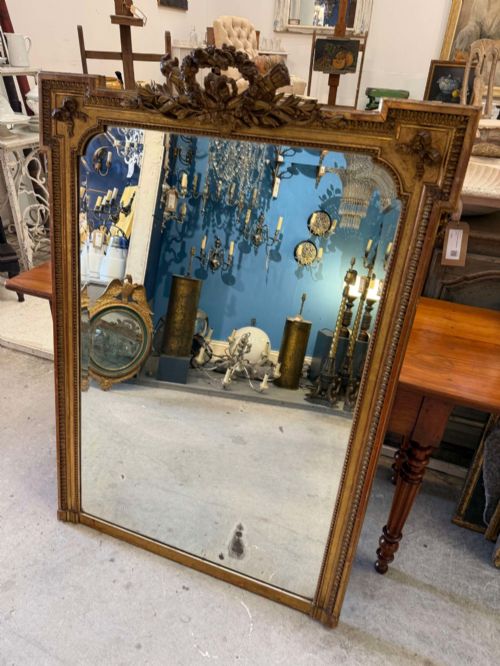
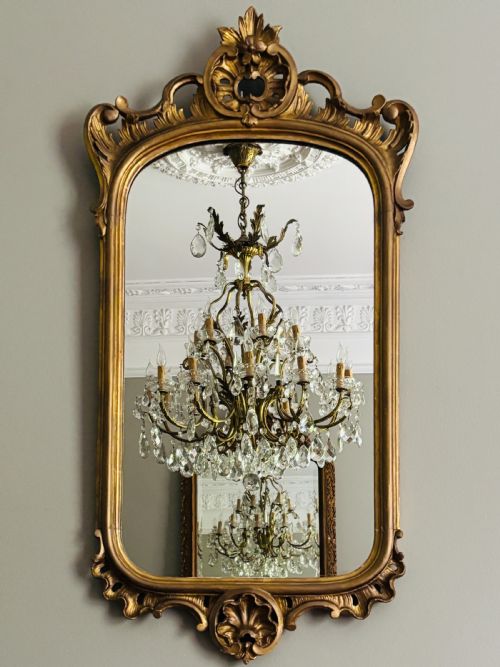
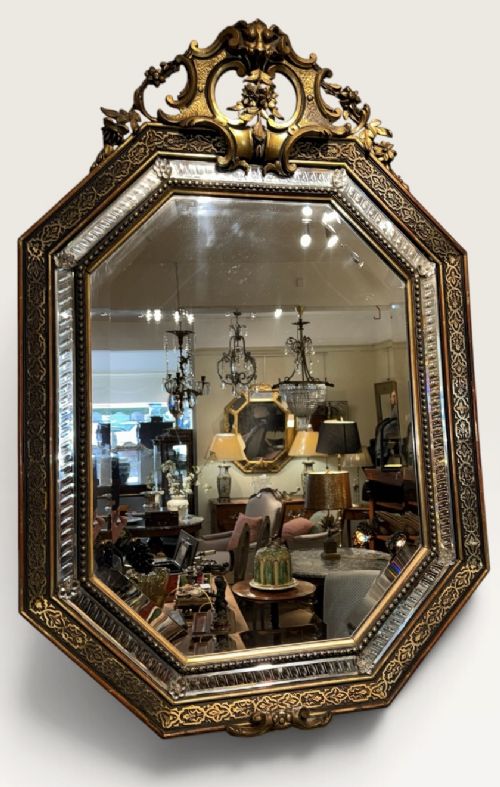
Vintage wall crest encompasses decorative mirrors, plaques, and architectural pieces bearing carved crests or decorative tops from the nineteenth and early twentieth centuries.
Vintage Wall Crest
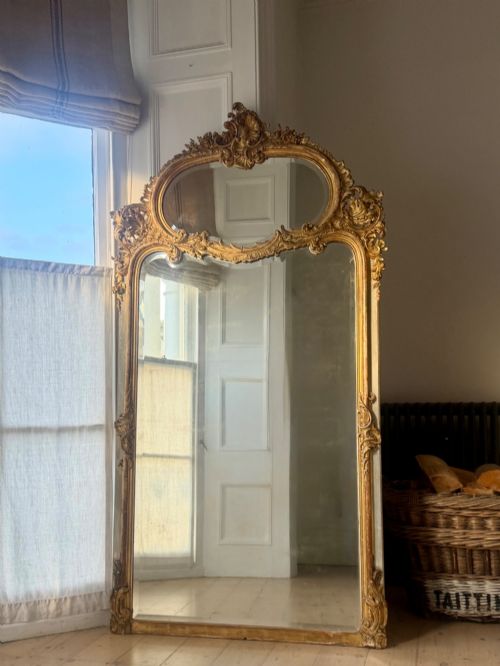
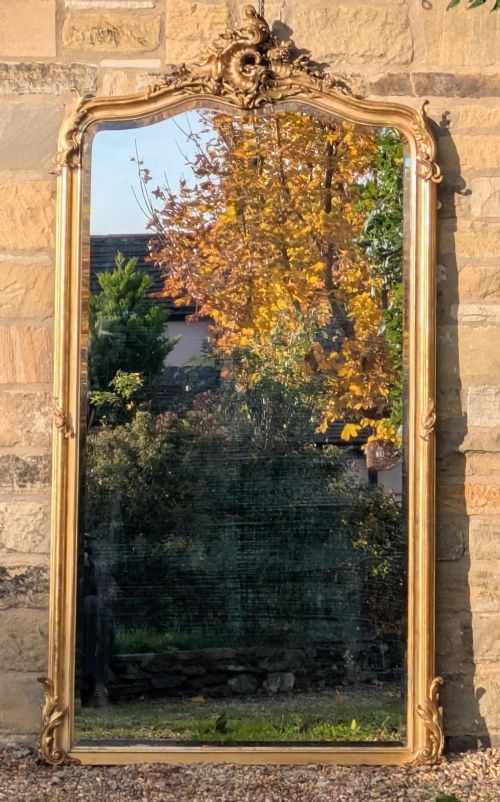
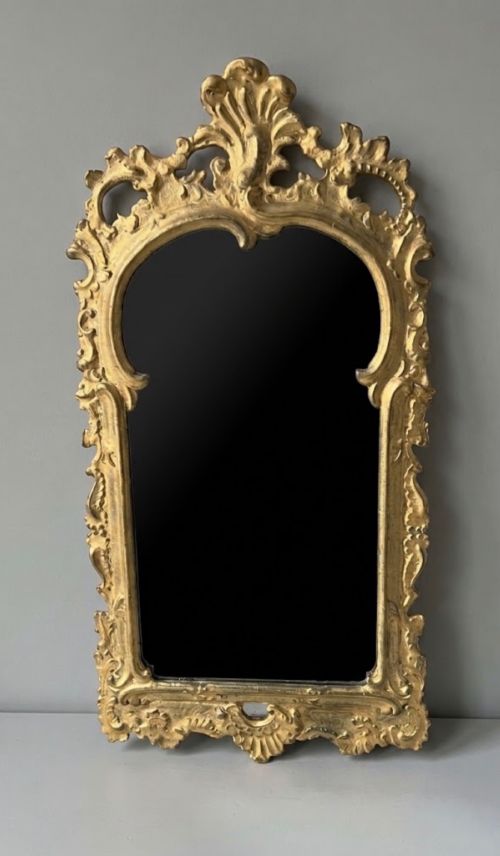
When searching for a vintage wall crest, buyers typically encounter carved wooden mirrors, overmantels, and architectural plaques dating from the eighteenth to the early twentieth century. These items range from Georgian mahogany fretwork designs to ornate French Louis XV style giltwood and gesso frames featuring sculpted crests.
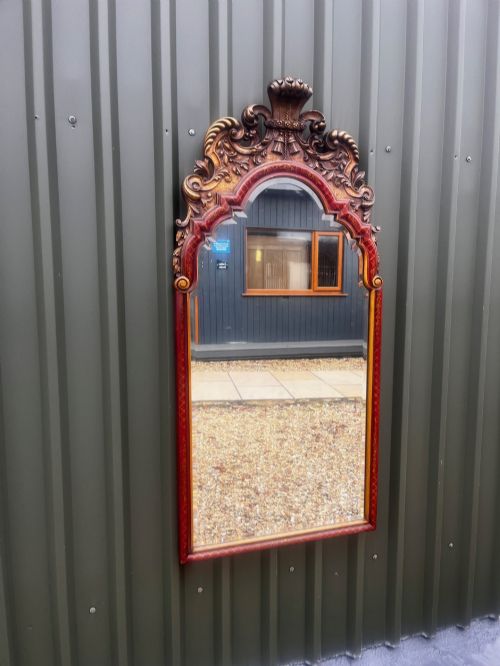
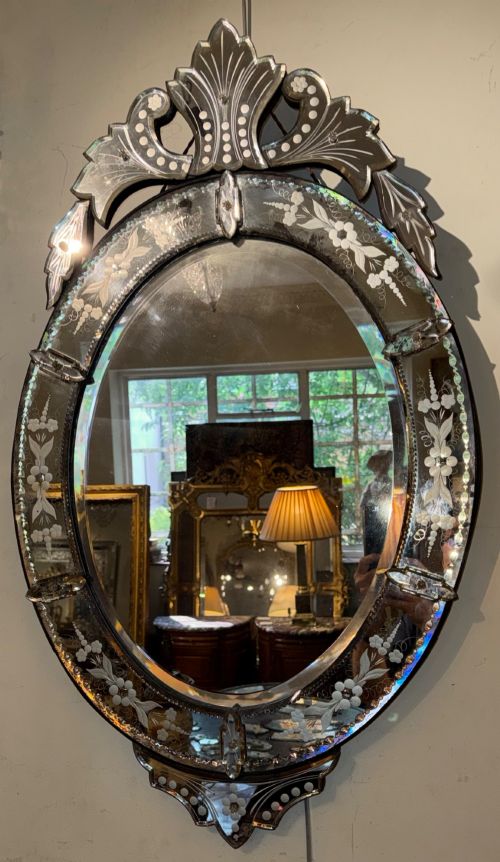
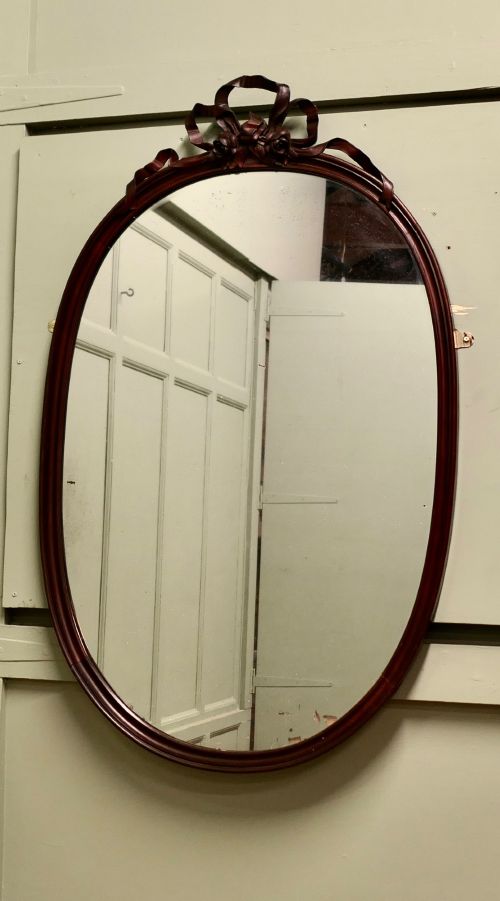
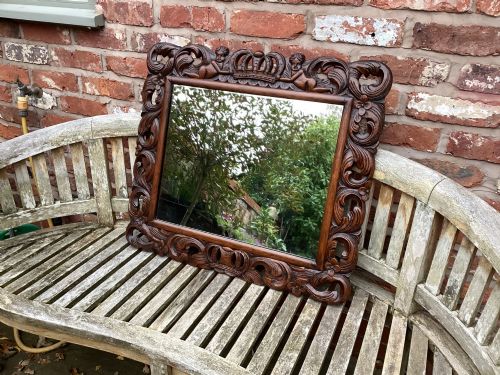
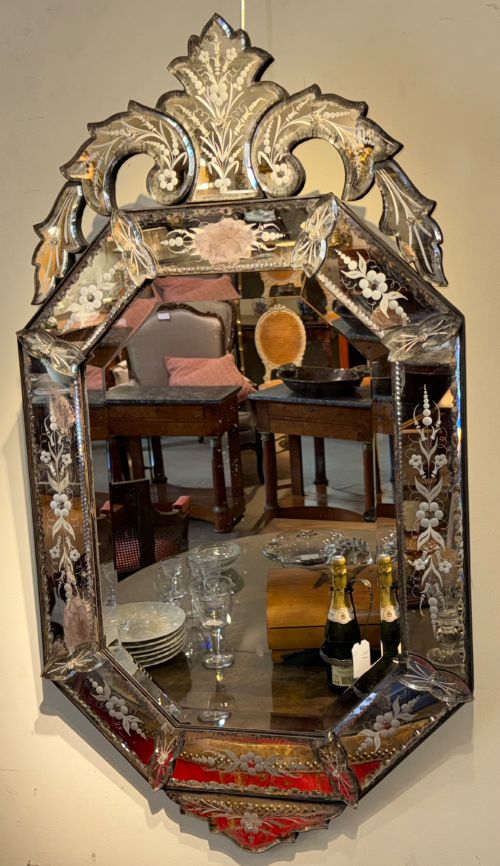
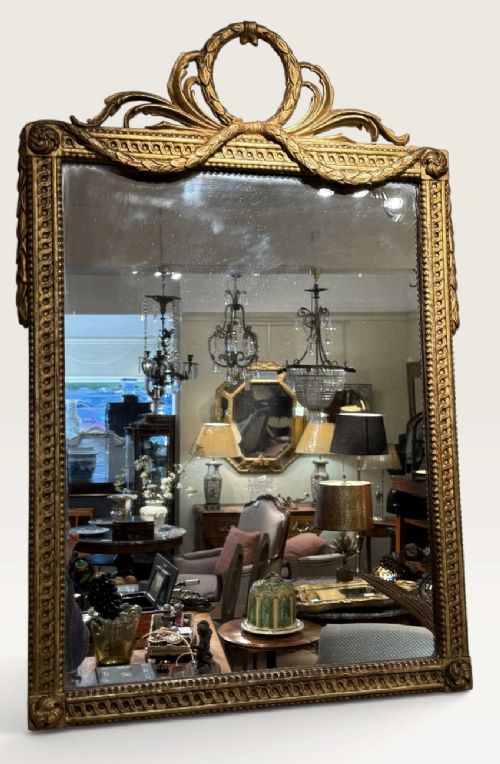
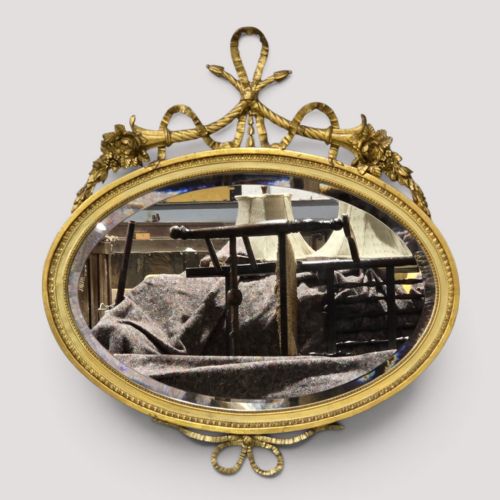
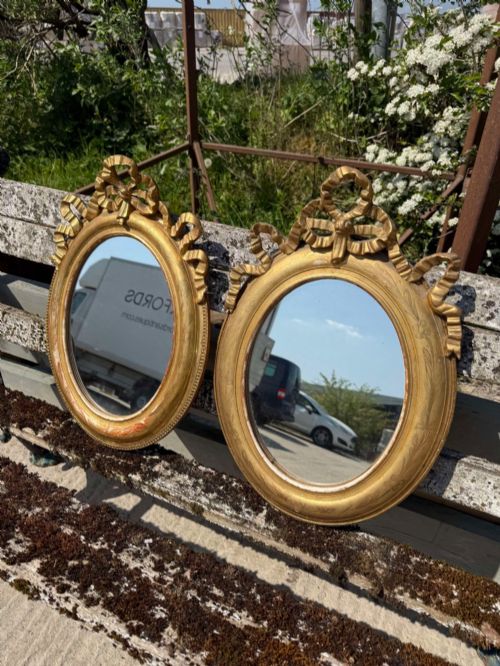
The selection on this page leans heavily toward nineteenth-century French and English wall mirrors, incorporating carved crest details, ribbon motifs, or cherub crests above bevelled or mercury glass plates. Wall lights and architectural pediments also appear alongside framed prints.
Origin and period vary significantly, with pieces originating from English cabinet makers, Venetian glass workshops, and French provincial or chateau interiors. The unifying characteristic across these disparate forms is the prominent top crest or pediment structure that anchors the visual weight of the wall hanging.
Materials and construction
Makers utilised solid timbers such as mahogany, oak, satinwood, and bleached oak, frequently shaping them through fretwork or carved wooden construction. Giltwood and gesso frames relied on layers of plaster applied to wood bases before receiving applications of gold leaf or paint.
Glass production involved traditional mirror plates, including bevelled edges and mercury glass variants housed within bronze, iron, or wooden surrounds. Decorative crests and appliques were cast in bronze or carved separately before being fixed to the main frame.
Vintage Wall Crest Retail Price Guide 2026
Typical asking prices for vintage wall crest among the pieces listed under this phrase on Sellingantiques today, from the lower quarter to the upper quarter. They describe what is for sale here now, not the wider market.
French regional styles dominate the selection, including Louis XV, Napoleon III, and Baroque designs alongside English Georgian and Victorian pieces.
Evaluating the craftsmanship
Quality rests in the crispness of the hand-carved wood and the depth of the gesso moulding on the crest, where skilled execution creates sharp relief rather than soft, blurred contours. The integrity of the original gilt surface or paint finish dictates the visual impact of the piece.
Construction methods reveal the standard of workshop output, seen in the joinery of mahogany fretwork frames and the preservation of original mirror glass plates, whether bevelled or silvered. Heavier pieces rely on robust structural framing behind the decorative pediment to support the weight securely.
The Vintage Wall Crest Glossary
- Gesso
- A plaster mixture applied to wood frames to create a smooth surface for gilding or painting. This material allows intricate relief moulding around the crest.
- Mercury glass
- An early type of silvered glass created by pouring a mercury amalgam between two sheets of double-walled glass. It produces a mottled, dark reflective quality.
- Fretwork
- Thin wood cut with decorative open patterns using a fretsaw. This technique defines eighteenth-century English mahogany mirrors.
- Overmantel mirror
- A large wall mirror designed specifically to hang above a fireplace mantel. These often feature elaborate architectural crests.
- Pier mirror
- A tall mirror designed to hang on the narrow wall space between two windows. They frequently incorporate painted or giltwood frames.
Vintage Wall Crest: Frequently Asked Questions
How do I hang a heavy antique wall crest?
These substantial items require heavy-duty fixings secured directly into wall studs or masonry rather than standard plasterboard anchors. Professional mirror hangers utilise weight-rated brackets that match the specific load of wooden and bronze frames.
Ensuring the hanging wire or integrated D-rings connect securely to the internal wooden structure prevents the frame from sagging or detaching over time.
What periods do these pieces represent?
The inventory spans the eighteenth, nineteenth, and early twentieth centuries, covering Georgian, Victorian, Edwardian, and various French decorative styles. Georgian pieces favour mahogany fretwork, while nineteenth-century items often showcase ornate giltwood and gesso.
Later pieces from the Art Deco period and early twentieth century introduce Venetian glass and streamlined forms alongside traditional revival styles.
How do I clean antique mirror glass?
Maintenance requires gentle dusting with a soft, dry microfibre cloth to protect fragile silvering and aged glass plates. Liquid cleaners should be avoided to prevent moisture seeping behind the glass edge.
Applying cleaning solutions directly onto frames risks damaging historic giltwood, painted surfaces, and exposed gesso details.
Are the mirror plates original?
Many items retain their original bevelled or mercury glass plates, showing subtle foxing and age spots that confirm their age. Some pieces feature later replacement glass fitted during the working life of the frame.
Examining the edges and backing reveals whether the reflective surface matches the period of the carved wooden housing.