


Vintage Vesta
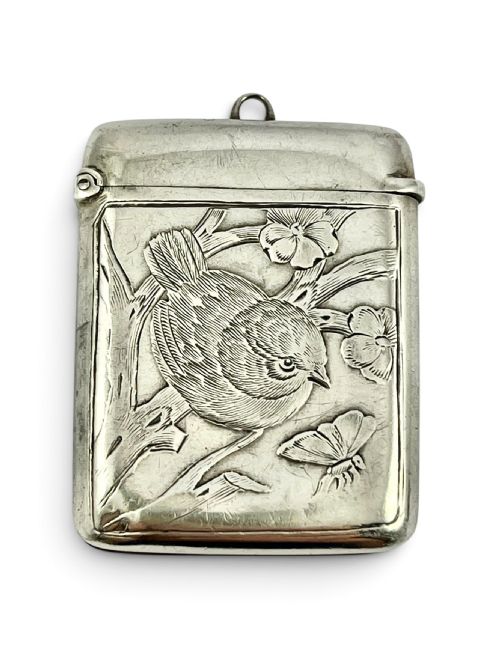
A vintage vesta is a pocket container for matches, carrying the craftsmanship of late Victorian, Edwardian, and Art Deco smoking culture.
Vintage Vesta
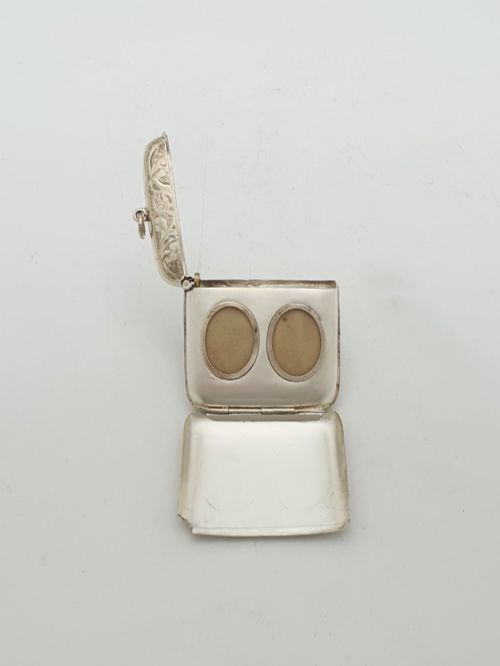
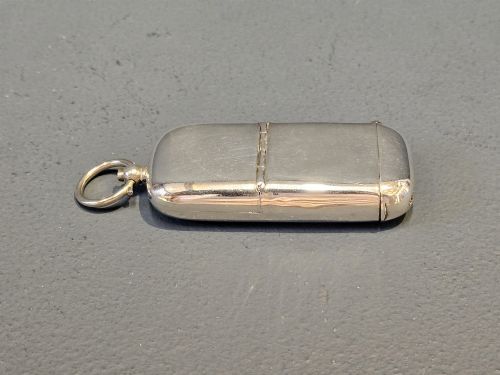
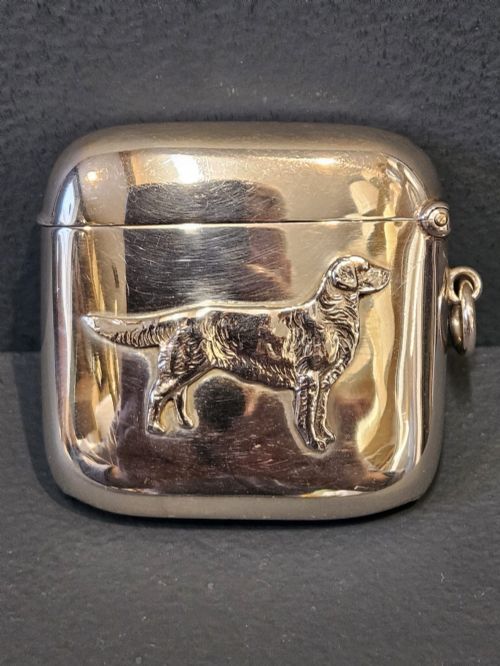
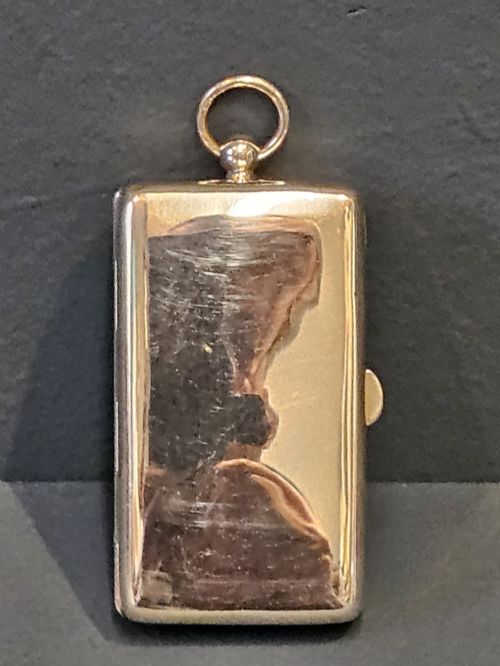
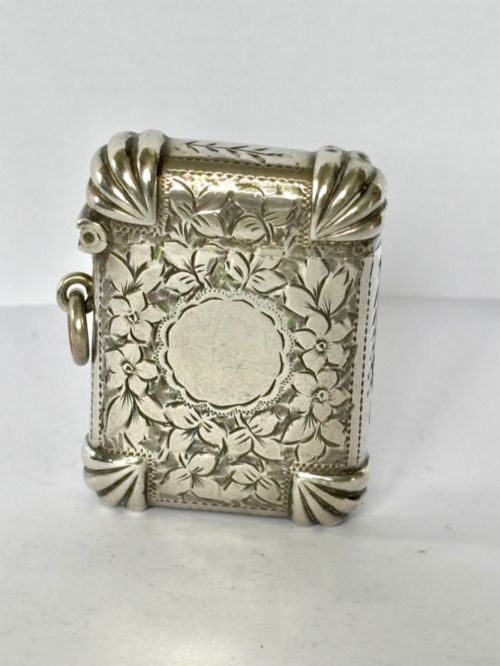
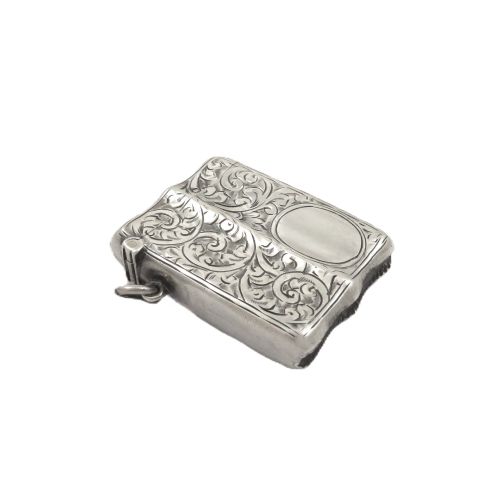
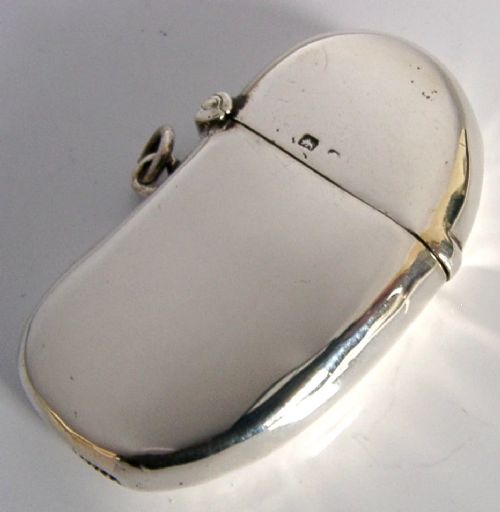
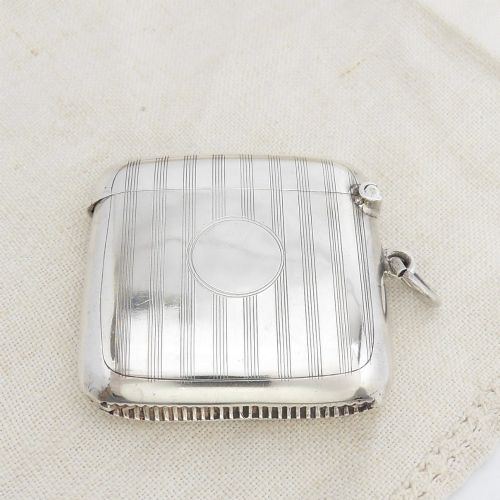
When you search for a vintage vesta, you encounter small metal containers designed to hold and protect safety matches while providing a striking surface on the base. The selection spans the Victorian, Edwardian, and George V periods, featuring forms ranging from standard rectangular boxes to kidney bean shapes and figural designs like cats and mermaids.
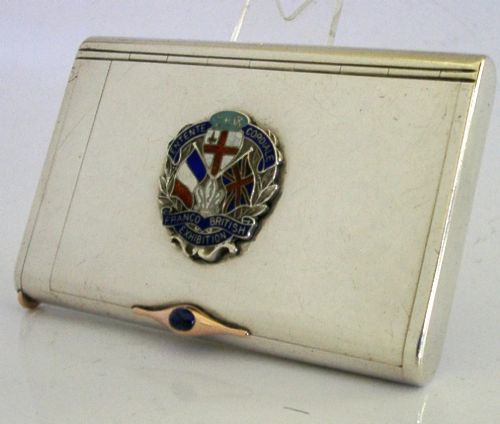
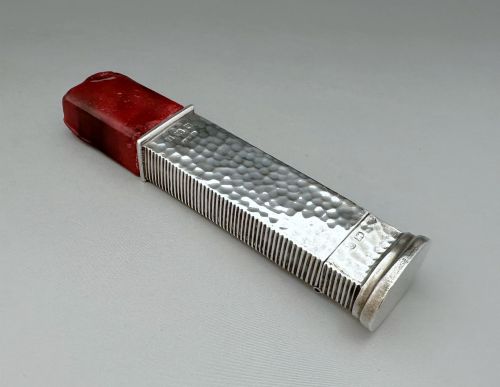
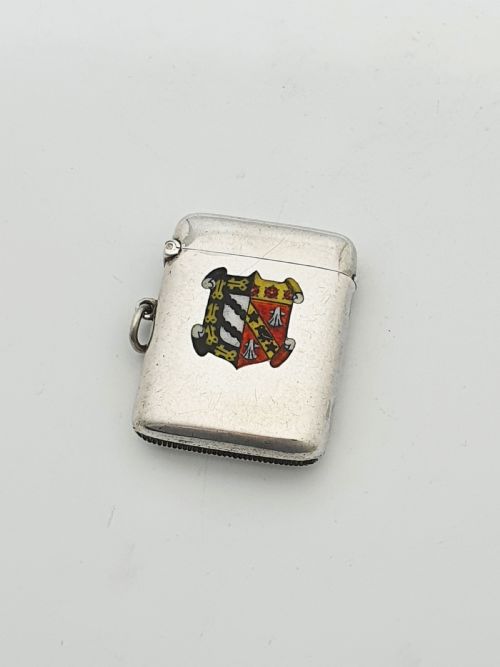
Many examples double as multi-functional pocket accessories rather than simple match holders. The inventory includes combinations that incorporate sovereign cases, bank note compartments, sealing wax holders, and enamel crests, reflecting the personal daily carry items of the nineteenth and early twentieth centuries.
Materials and methods
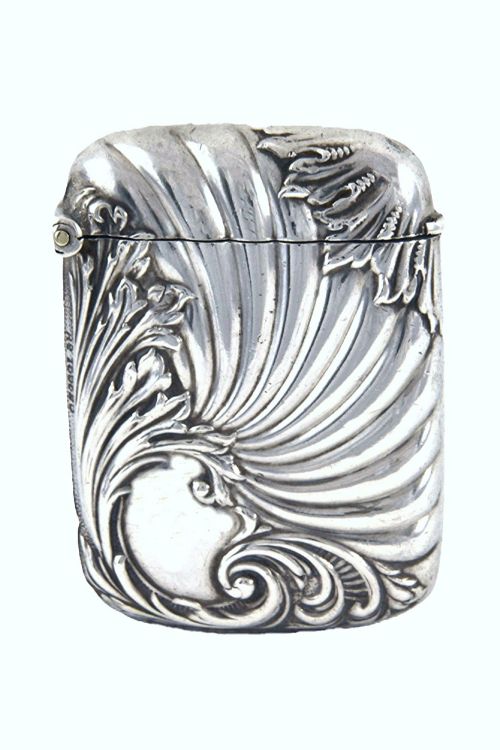
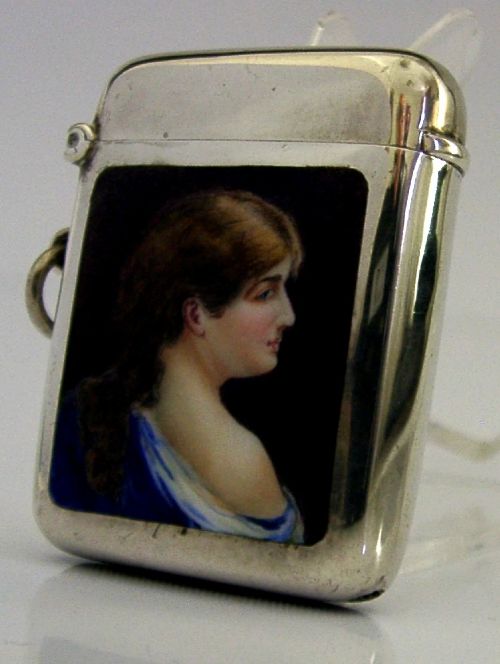
The objects are primarily constructed from sterling silver and silver-gilt, shaped through techniques such as heavy casting, repoussé, engraving, and curving. Manufacturers utilised vitreous enamel, gold, glass, onyx, and lapis lazuli to embellish surfaces, often applying intricate hand-painted details or cloisonné work.
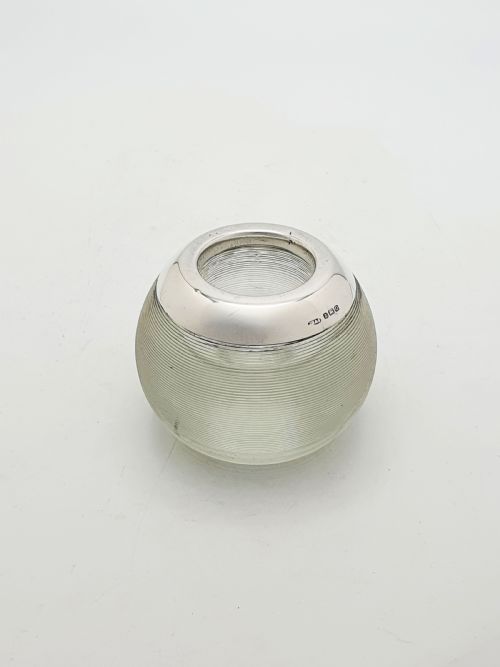
Makers integrated textured glass into larger match strikers and paired silver with sealing wax, jewelled accents, and specialised matchbook housing. Hallmarks stamped into the metal record the assay offices, including Birmingham and Chester, alongside specific production years.
Vintage Vesta Retail Price Guide 2026
Typical asking prices for vintage vesta among the pieces listed under this phrase on Sellingantiques today, from the lower quarter to the upper quarter. They describe what is for sale here now, not the wider market.
A well-defined silver cat waits inside the collection to guard your matches with proper feline indifference.
Distinctions in quality
Quality rests on the depth and clarity of surface decoration, distinguishing plain engraved surfaces from pieces featuring repoussé figures, detailed enamel crests, or hand-painted motifs. The precision of the hinged lid closure and the crispness of the integrated striker corrugated base indicate the care taken during manufacture.
Material complexity elevates certain examples, separating standard silver cases from those combining gold, silver-gilt, gemstones, or specialised combinations like double sovereign and banknote holders. The artistic execution of figural forms, such as animal shapes, determines the refinement of the piece.
EV PLEDGE & SON·ROBERT PRINGLE·Raphael Tuck & Sons·Alfred Clark·George Betjemann
The Vintage Vesta Glossary
- Sovereign case
- A small round pocket container engineered to hold British gold sovereign coins securely. These are frequently combined with vesta compartments in Edwardian pieces.
- Repoussé
- A metalworking technique where the artisan hammers the metal from the reverse side to form a raised design in relief on the front. This method creates tactile animal and floral motifs.
- Silver-gilt
- Silver that has been coated with a thin layer of gold on its surface. This finish provides a warm dual-tone appearance seen in Russian Revival and nineteenth-century boxes.
- Match striker
- A heavy desk or pocket accessory featuring textured glass or scored metal designed to ignite matches. Larger table versions utilise materials like onyx and lapis lazuli.
Vintage Vesta: Frequently Asked Questions
What is a vesta case used for?
A vesta case was carried in the pocket or handbag to store matches safely before the widespread adoption of safety matches in boxes. The integrated striking surface allowed the user to light a match anywhere.
Many designs also incorporated spaces for coins, stamps, or banknotes, serving as multi-functional everyday pocket accessories for Victorians and Edwardians.
How do I date a silver vesta?
Dating relies on the assay office hallmarks stamped into the metal, which include symbols for the city of origin, the fineness of the silver, and a specific date letter. Comparing the style of engraving, such as Art Nouveau curves or Edwardian motifs, narrows down the production decade.
Periods represented in these items stretch from the late nineteenth century through the Art Deco era of the 1930s.
Can I still use these for modern matches?
Standard safety matches are generally too long for traditional pocket vesta cases, which were sized for shorter vestas of the era. Specialised matchbooks or appropriately sized vintage matches fit comfortably inside.
The striking base on older pieces may show wear, so testing modern matches on the original serrated surface should be done gently.
What are combination vesta cases?
Combination pieces housed matches alongside another useful pocket item, such as gold sovereign coins, bank notes, or sealing wax. Wealthier owners carried these to combine multiple daily necessities into a single decorated silver container.
They reflect the structured social habits and currency requirements of the Edwardian period.