





Vintage Velvet Wall Art
Vintage velvet wall art brings rich texture and historic depth to an interior through framed textiles, mirrors, and embroidered panels.
Vintage Velvet Wall Art
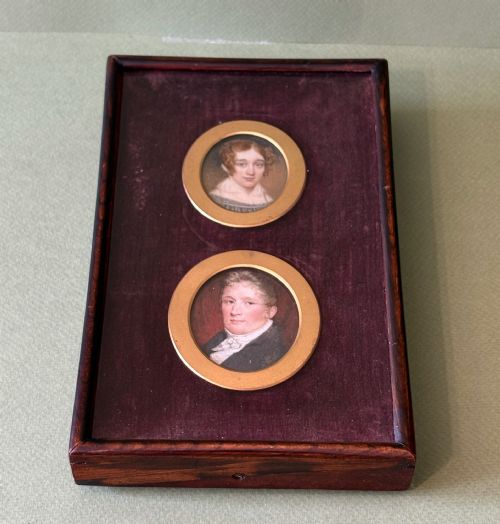
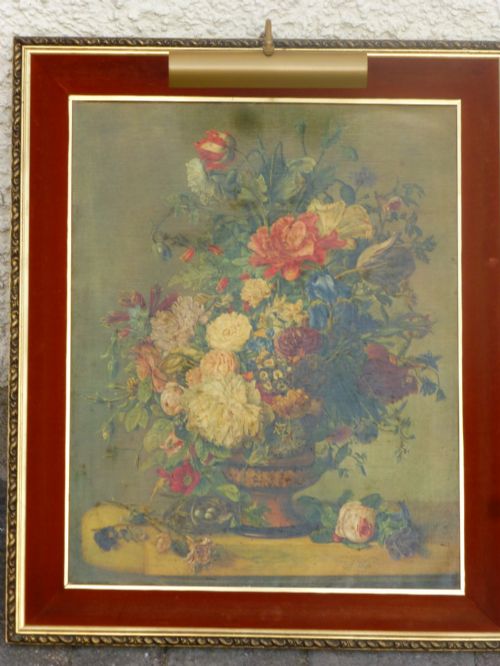
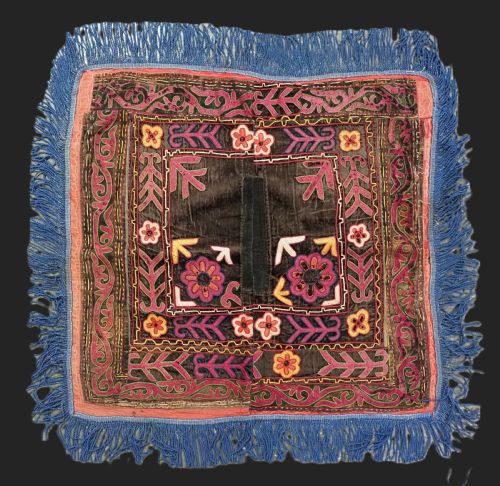
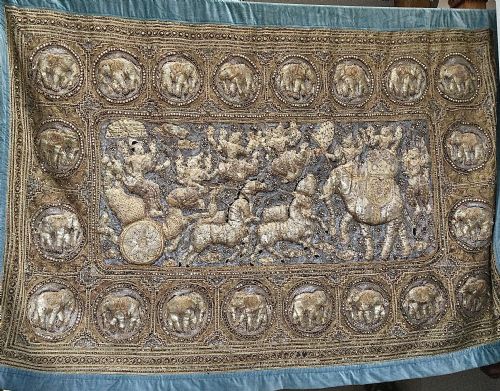
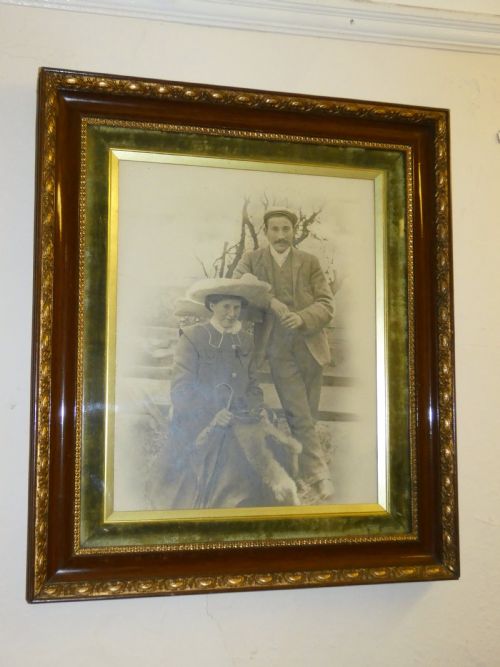
Vintage velvet wall art encompasses a diverse array of textiles and framed decorative objects spanning multiple centuries, from seventeenth-century oil paintings to Edwardian mirrors and twentieth-century embroideries. When exploring vintage velvet wall art, buyers encounter items ranging from Central Asian dowry pieces and Indian embroideries to European silk hangings and framed portraiture.
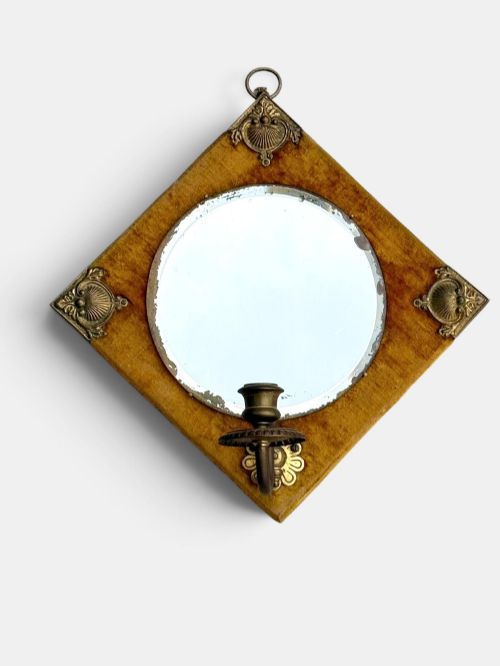
The selection on this page demonstrates various applications of textile and frame, uniting plush fabrics with wood, brass, glass, and gilt metal. Pieces often take the form of wall hangings, mirrors, or framed panels, reflecting aesthetic influences from the Arts and Crafts movement to Neoclassical and Grand Tour styles.
Materials and construction
Makers utilised luxurious textiles such as velvet, silk, and cotton, frequently combining them with wooden frames, brass mounts, and glass protection to create durable wall displays. Needlework and embroidery techniques form the basis of many textile pieces, involving intricate threadwork applied to velvet or cotton grounds.
Rigid supports incorporate wood, paper, and gilt metal, while certain items employ oil paint applied to canvas or panel. Brass and gilt mounts provide structural framing and decorative accents, securing the soft fabrics within structured surrounds.
Vintage Velvet Wall Art Retail Price Guide 2026
Typical asking prices for vintage velvet wall art among the pieces listed under this phrase on Sellingantiques today, from the lower quarter to the upper quarter. They describe what is for sale here now, not the wider market.
Cats of the nineteenth century occasionally sharpened their claws on the very same velvet hangings we now preserve behind glass.
Assessing craftsmanship and condition
Quality reveals itself in the intricacy of the textile work, the depth of the velvet pile, and the integrity of the supporting frames and mounts. Superior pieces display precise needlework, well-preserved fabric nap, and harmonious integration of textile and frame.
The condition of the velvet, whether ciselé silk or embroidered cotton, dictates the visual impact of the wall hanging or mirror. Finer examples maintain crisp details in metal mounts, wood carvings, and painted surfaces, showing careful preservation over the centuries.
The Vintage Velvet Wall Art Glossary
- Ciselé velvet
- A velvet fabric featuring a pattern created by cutting some pile loops while leaving others uncut. This technique produces a textured, relief-like design against the ground.
- Intaglio
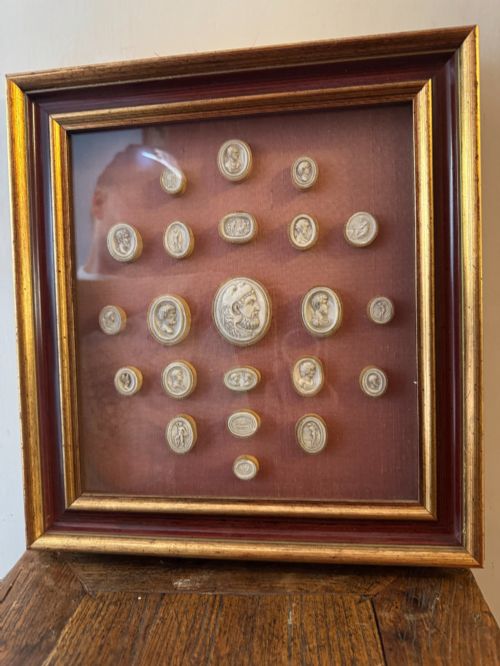
- An engraved gem, stone, or gypsum panel where the design is incised below the surface. Grand Tour examples are frequently framed for wall display.
- Oleograph
- A mechanical colour lithograph designed to imitate an oil painting on canvas. These prints reproduce textured brushstrokes to mimic original artworks.
- Dowry embroidery
- Decorative textiles created as part of a bride's trousseau in various cultural traditions. These large hangings often employ dense embroidery on velvet or cotton grounds.
- Brass mount
- A decorative or structural fitting made of brass attached to frames or mirrors. These elements provide stability and ornamental framing for the textile or glass.
Vintage Velvet Wall Art: Frequently Asked Questions
How do I hang heavy velvet wall art?
Heavy framed mirrors and large textile hangings require secure wall fixings suited to the weight of the wood, glass, and metal mounts. Utilising appropriate wall plugs and screws distributed across multiple fixing points ensures safe support.
For fabric pieces mounted on bars or frames, ensure the hanging wire or brackets are securely attached to the structural elements rather than decorative trims.
How should I clean vintage velvet?
Vintage velvet requires gentle maintenance to preserve the delicate pile of silk or cotton fibres. Light dust removal with a soft brush or low-suction attachment helps maintain the fabric without crushing the nap.
Avoid applying water or liquid cleaners directly to antique textiles, as moisture can damage historic dyes and backing materials. Professional textile conservation is recommended for deeper cleaning.
What periods do these pieces span?
The items encompass works created from the seventeenth century through to the mid-twentieth century. Examples include early oil portraits, nineteenth-century Grand Tour panels, and Edwardian decorative mirrors.
Each era contributes distinct stylistic markers, ranging from neoclassical symmetry to Arts and Crafts handiwork and tribal textile traditions.
Are these pieces framed?
Many items incorporate integrated frames, brass mounts, or protective glass housings designed to preserve the delicate textiles and paintings. Wall mirrors and framed panels provide ready-to-hang solutions for interior display.
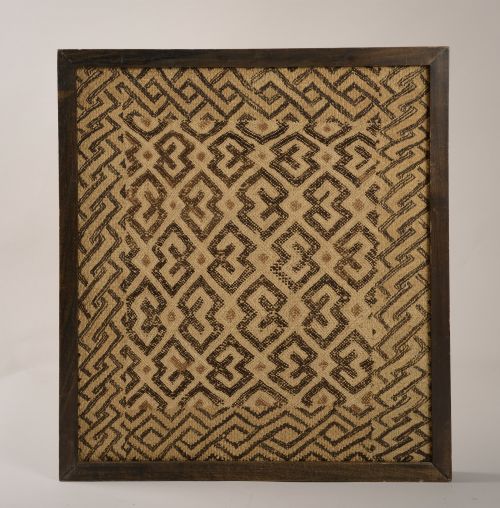
Unmounted textiles, such as dowry embroideries and Kuba cloths, offer flexibility for custom framing or direct hanging methods depending on personal preference.