




Gold Silk Hangings
Gold silk hangings bring rich texture and metallic lustre to a room, ranging from European velvet panels to Asian embroidery.
Gold Silk Hangings
The materials reflect a mix of luxury fibres and metallic elements, incorporating silk, velvet, wood, glass, and mineral pigment on cotton. Metal threads, gold threads, and metallic thread feature prominently in the construction of these decorative works. You will find pieces defined by periods such as the seventeenth century, eighteenth century, and twentieth century.
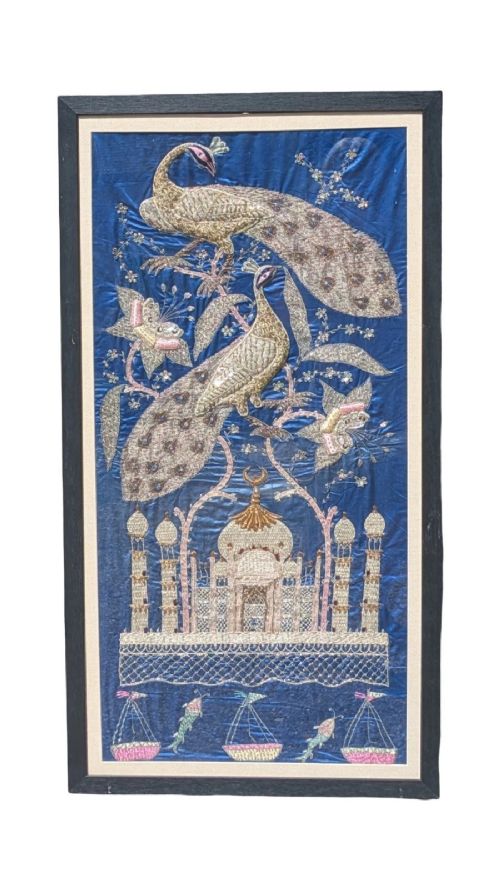
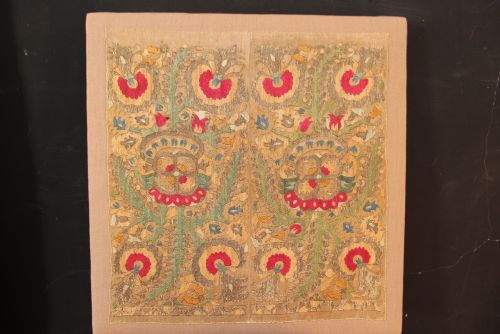
Stylistic influences range from baroque and rococo designs to Tibetan Buddhist art, Anglo-Indian work, and Greek folk art. Forms vary from pilaster hangings and framed textile art to larger tapestries and embroidered panels. Each example demonstrates the specific decorative traditions of its region and period of origin.
How they were made
Makers utilised silk as a primary foundation for many of these panels, often combining it with velvet for depth and texture. The integration of metallic thread and gold thread provides the characteristic shimmer seen across various examples.
Techniques involve intricate embroidery, hand weaving, and specialised pile construction such as ciselé velvet. Artisans also applied mineral pigments to cotton foundations in specific regional works, while others incorporated wood and glass elements into the finished display.
Gold Silk Hangings Retail Price Guide 2026
Typical asking prices for gold silk hangings among the pieces listed under this phrase on Sellingantiques today, from the lower quarter to the upper quarter. They describe what is for sale here now, not the wider market.
The listings on this page include items from the sixteenth century, seventeenth century, eighteenth century, and twentieth century, incorporating silk, velvet, and gold thread.
What varies in quality
The refinement of the metallic thread and the handling of the silk foundation dictate the visual impact of each hanging. Pieces utilising fine gold thread demonstrate superior material selection compared to those employing base metal substitutes.
Execution in embroidery and velvet weaving determines the crispness of the pattern and the stability of the textile. Superior examples maintain structural integrity in the weave and precision in the pictorial or geometric composition.
The Gold Silk Hangings Glossary
- Ciselé velvet
- A velvet technique where the cut pile is combined with uncut loops to create a pattern. This method produces a textured, multi-toned surface often seen on eighteenth-century panels.
- Metallic thread
- Flat strips of metal or metal-wrapped fibre used in embroidery and weaving to introduce reflective elements. It adds durability and distinct lustre to silk textiles.
- Tapestry
- A form of textile art woven by hand on a loom, featuring pictorial designs. Historic examples employ wool and silk to depict narrative or decorative scenes.
- Textile panel
- A flat section of decorative fabric intended for wall mounting or interior display. These pieces showcase diverse regional embroidery and weaving traditions.
Gold Silk Hangings: Frequently Asked Questions
How do I hang a textile panel safely?
Mounting heavy velvet or embroidered panels requires even weight distribution to prevent distortion of the silk ground. Professional framers often use custom backing boards and conservation-grade stitching.
For lighter wall hangings, a sleeve can be attached to the reverse to slide over a thin wooden rod. Ensure the textile is kept away from direct sunlight to protect metallic threads and dyed silk.
How do I identify eighteenth-century velvet hangings?
Eighteenth-century examples often employ ciselé techniques on a silk velvet pile, showing baroque or rococo stylistic motifs. The weight of the backing and the composition of the metal threads offer clues to the period.
Examination of the selvedges and the type of dye used can further confirm the age of European textile panels. Comparing construction methods with documented pieces from the same region helps verify authenticity.
What is the difference between embroidery and tapestry?
Embroidery involves stitching decorative threads onto a pre-existing woven foundation fabric, as seen in Indian and Chinese wall art. This technique allows for raised textures and detailed pictorial work.
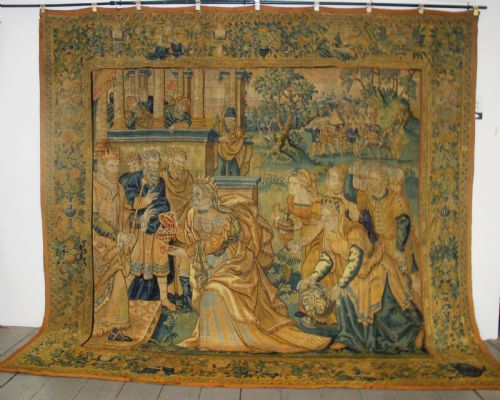
Tapestry is created as an integrated woven structure where the design is built into the fabric during the weaving process on a loom. Flemish examples demonstrate this technique on a large architectural scale.
How should I clean antique silk hangings?
Antique silk and metallic threads are extremely fragile and sensitive to moisture or agitation. Professional textile conservators should handle any cleaning or restoration work.
Routine maintenance is limited to very gentle surface dusting with a soft brush, keeping the textile away from heat sources and high humidity.