


Vintage Velvet Salon Seat
A vintage velvet salon seat brings tactile warmth and French or Victorian elegance to a room.
Vintage Velvet Salon Seat
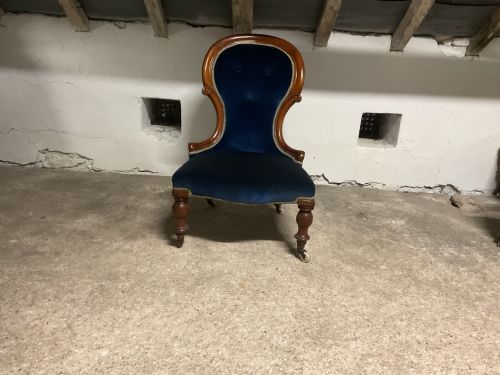
A vintage velvet salon seat encompasses a diverse range of formal chairs, settees, and stools designed for entertaining rooms. Buyers encounter nineteenth-century Victorian nursing chairs alongside Edwardian and French Revival armchairs.
The selection ranges from open arm sofas and boudoir chairs to side chairs and salon stools. Mahogany, walnut, and giltwood frames frequently support the plush pile of the upholstery.
Origin spans English Victorian workshops and continental French studios, often reflecting Louis XV or Louis XVI taste. Pieces appear in various states, from newly upholstered pink velvet to frames awaiting restoration.
Materials and construction methods
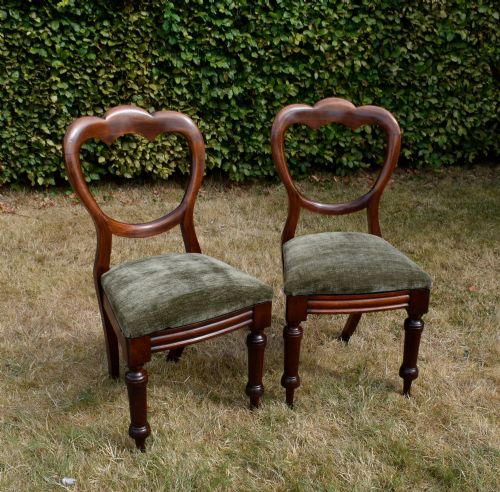
Carved timber frames form the structural backbone, utilising dense hardwoods like mahogany, walnut, beech, and rosewood. Craftsmen shaped these woods into elaborate curves, balloon backs, and crown motifs.
Decorative surface finishes include giltwood, gesso, and painted or polished details. Upholstery relies on traditional textile applications using velvet and complementary fabrics fastened over supportive springing and padding.
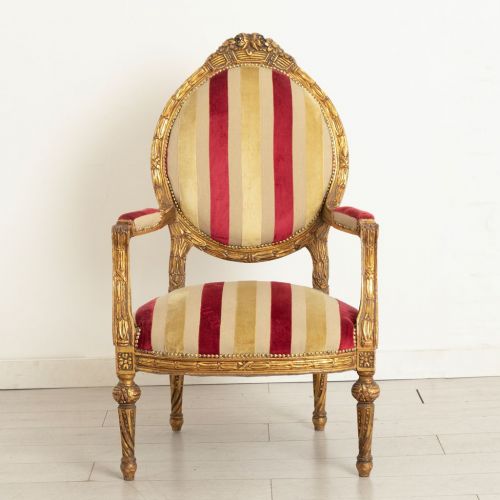
Listings feature eighteenth-century revival styles including Louis XV, Louis XVI, and French Rococo across walnut, mahogany, and giltwood frames.
Assessing quality and craftsmanship
The refinement of the woodcarving dictates the visual distinction of the frame. Crisp hand-carved foliage and robust joinery separate superior seating from simpler production.
Proportion and scale influence desirability, particularly in matched pairs and sets. The harmony between the timber frame and the velvet upholstery determines the overall presence of the piece.
The Vintage Velvet Salon Seat Glossary
- Fauteuil
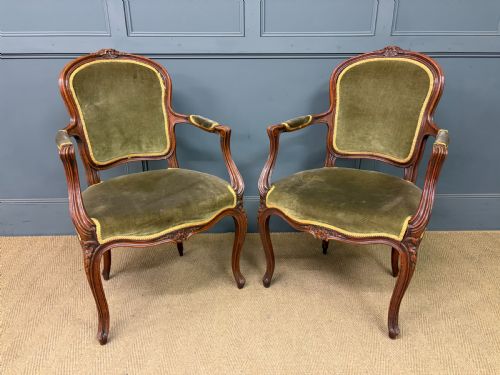
- An open-arm armchair with upholstered back and armrests, originating in France. These frames typically feature exposed carved wood and elegant curved lines.
- Giltwood
- Timber coated with a thin layer of gold leaf or gesso. This finish creates a luminous decorative surface popular in French salon furniture.
- Balloon back
- A rounded, oval-shaped chair back resembling a balloon. This silhouette is particularly common in Victorian rosewood and mahogany dining chairs.
- Nursing chair
- A low-seated chair designed for comfort and ease of tending to infants in the nineteenth century. They often feature generous padding and velvet upholstery.
- Gesso
- A plaster-based material applied to wood frames to create a smooth surface for gilding or painting. It allows intricate relief ornamentation on salon seats.
Vintage Velvet Salon Seat: Frequently Asked Questions
What is a salon chair?
A salon chair is a formal seat designed for reception rooms and parlours during the eighteenth, nineteenth, and early twentieth centuries. They prioritised decorative elegance alongside comfortable upholstery for guests.
These pieces typically feature exposed carved timber frames in mahogany, walnut, or giltwood. They serve as versatile accent seating in modern interiors.
How do I identify a Victorian salon seat?
Victorian salon seats often display dark hardwoods such as mahogany or rosewood, combined with deep buttoning or plush velvet. Their forms include balloon backs, nursing chairs, and low stools.
Proportions tend to be sturdy, reflecting mid to late nineteenth-century domestic comfort. Decorative carving often draws upon earlier revival styles like Rococo or Chippendale.
Where were French revival salon chairs made?
French revival salon chairs were produced in France and by continental workshops mimicking Louis XV and Louis XVI aesthetics. Nineteenth-century makers embraced these ornate courtly styles for formal domestic spaces.
They frequently feature painted or giltwood frames with elaborate floral carving. Upholstery styles include exposed wood armrests on fauteuils and boudoir chairs.
How do I incorporate a velvet salon seat into my home?
A velvet salon seat adds texture and colour as an accent piece in a living room, bedroom, or hallway. Their compact scale makes them adaptable for corners and dressing areas.
Pairing a antique armchair with contemporary furnishings creates a balanced interior. The tactile pile of the velvet introduces depth and visual warmth.