


Vintage Velvet Armchair
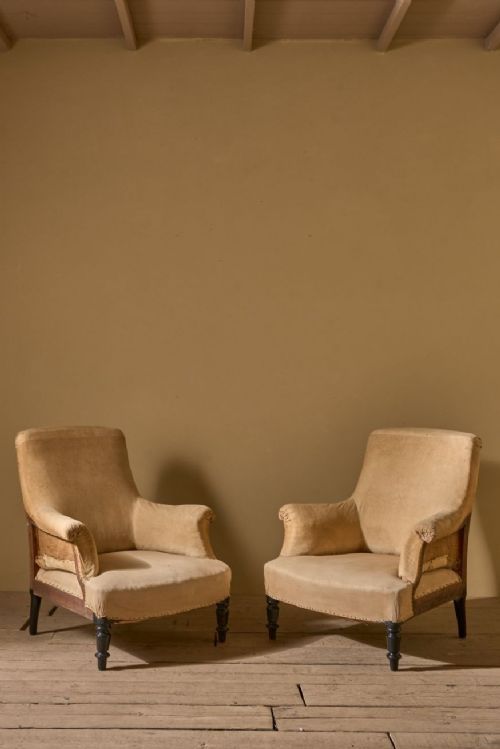
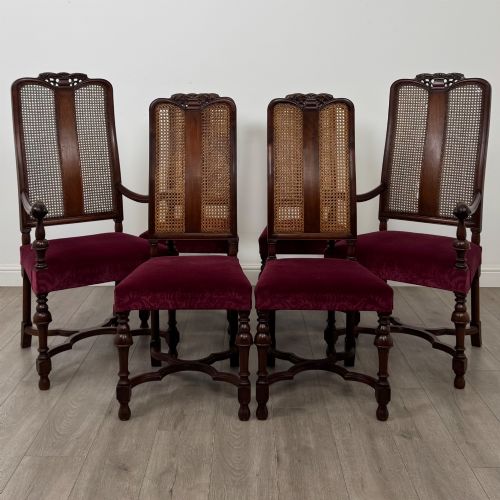
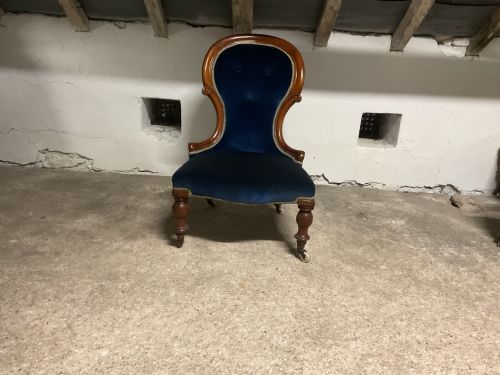
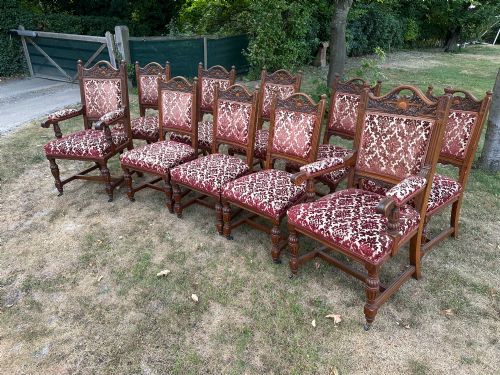
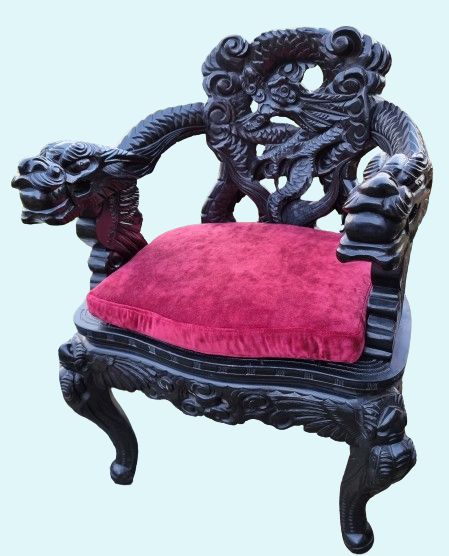
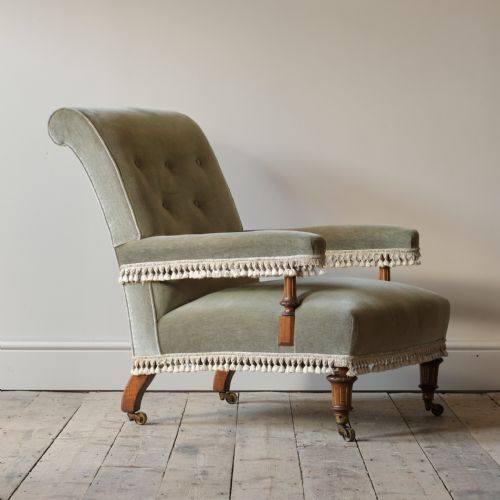
A vintage velvet armchair offers deep upholstery and tactile pile, bringing period comfort and character to a room.
Vintage Velvet Armchair
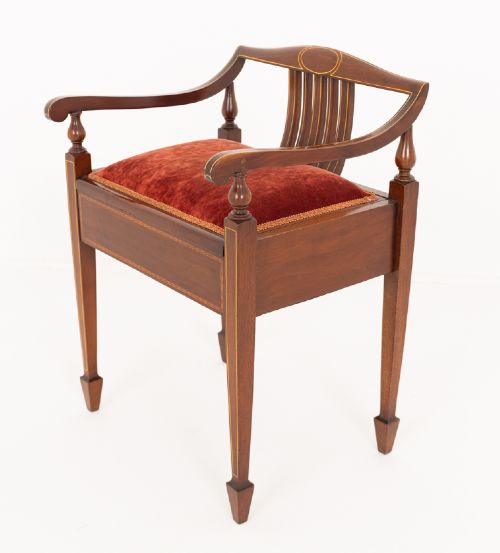
A vintage velvet armchair represents a seat designed for domestic comfort, taking forms from the nineteenth century onward. Buyers searching for a vintage velvet armchair encounter pieces spanning the Victorian, Edwardian, and later periods.
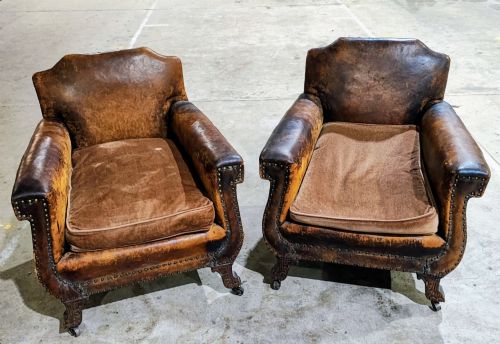
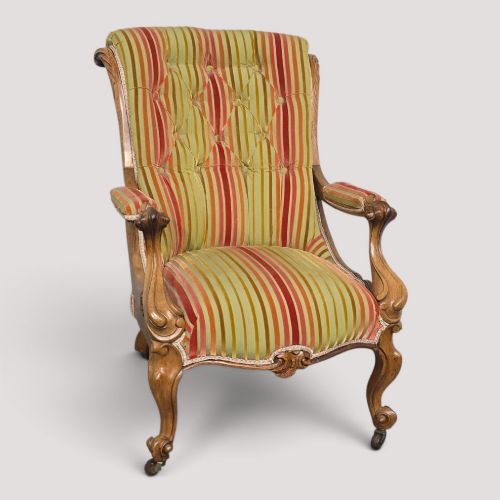
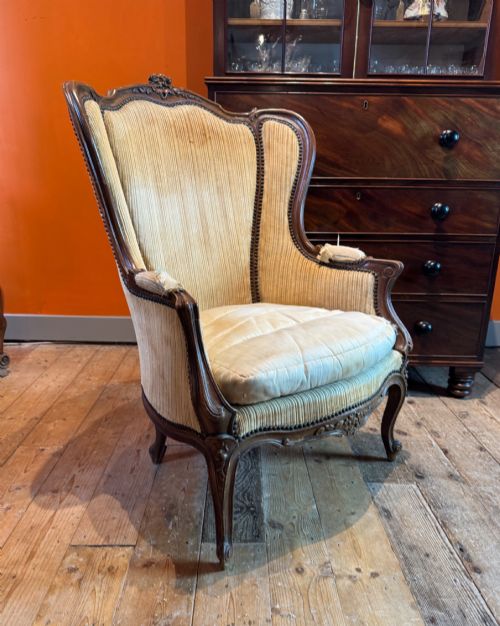
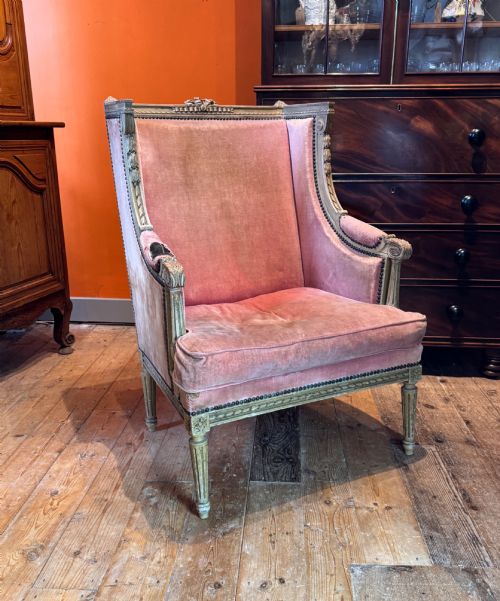
The selections on this page include library armchairs, button-backed seating, and wingback forms. These chairs draw on historical revivals such as Regency, Louis XV, and Queen Anne styles, reflecting the decorative tastes of their eras.
Makers utilised timber frames of mahogany, walnut, and oak to support the upholstered bodies. Such seating functions effectively as a reading chair or a statement piece within a sitting room.
Materials and construction
Makers constructed the structural frames of these chairs from hardwoods including mahogany, walnut, oak, and rosewood. These timbers provided the necessary strength for weighty upholstered forms.
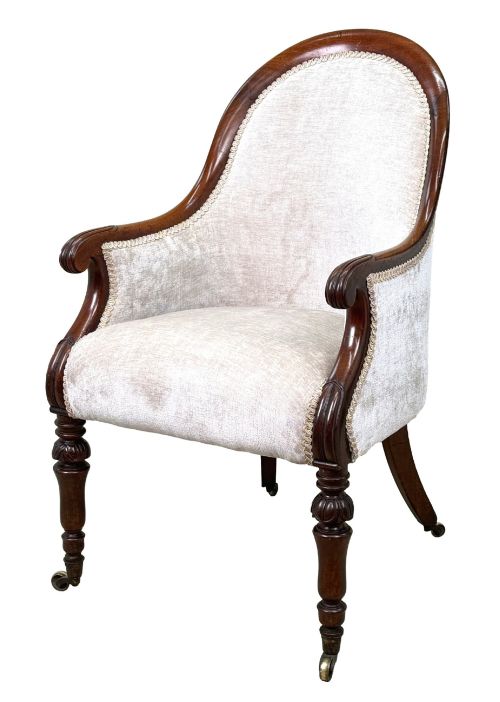
Upholstery involved heavy pile textiles like velvet and chenille, often secured over sprung or stuffed foundations. Brass elements and carved woodwork frequently added decorative detail to the frames.
Vintage Velvet Armchair Retail Price Guide 2026
Typical asking prices for vintage velvet armchair among the pieces listed under this phrase on Sellingantiques today, from the lower quarter to the upper quarter. They describe what is for sale here now, not the wider market.
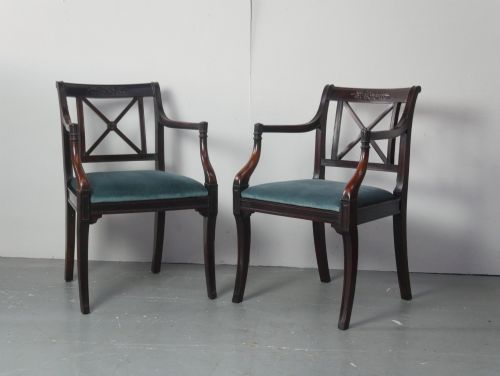
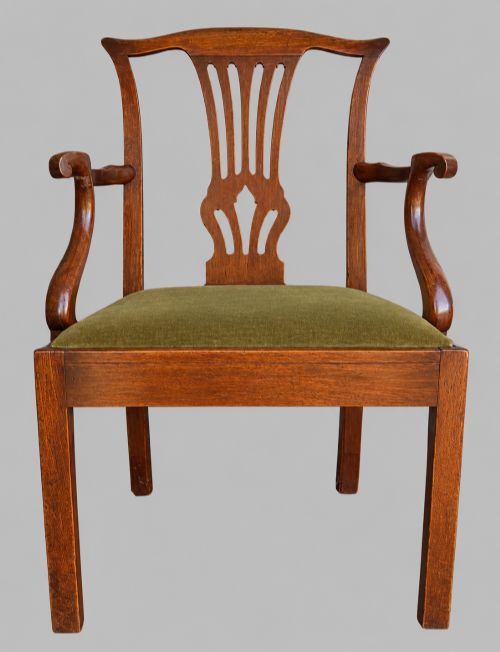
Listings feature frames in mahogany, walnut, oak, and rosewood, paired with velvet, leather, and chenille textiles across Victorian and Edwardian periods.
Assessing quality and craftsmanship
Quality rests in the substance of the timber frame and the integrity of the carving. Heavier hardwoods and detailed hand-carved ornamentation separate superior examples from standard production.
The execution of the upholstery work defines the finish. Traditional stuffing and precise fabric placement ensure the chair maintains its intended silhouette and support.
The Vintage Velvet Armchair Glossary
- Wingback
- An armchair with high sides attached to the arms, designed to shield the sitter from draughts. Early versions appeared in domestic interiors during earlier centuries and persisted in later revivals.
- Button back
- An upholstery style where depressions are formed in the padding by stitching buttons through to the frame at regular intervals. This technique secures the filling and creates a tufted texture.
- Library armchair
- A sturdy seat designed for reading rooms, typically constructed from mahogany or walnut. These chairs often feature generous proportions and padded arm supports.
- Giltwood
- Timber coated with a thin layer of gold leaf or gilt powder. This finish appears on decorative frames influenced by French court styles.
Vintage Velvet Armchair: Frequently Asked Questions
How do I date a velvet armchair?
Dating relies on identifying the underlying style, timber choice, and construction methods characteristic of periods like the Victorian era or the Edwardian years. Details such as leg turnings and frame profiles align with specific historical revivals.
Secondary indicators include the materials used for internal stuffing and webbing. Examining these hidden components helps confirm the manufacturing era of the chair.
Where were these armchairs placed?
These seats served primarily in domestic reception rooms, libraries, and bedrooms. Grander libraries held heavy mahogany and leather or velvet reading chairs, whilst smaller nursing chairs suited private chambers.
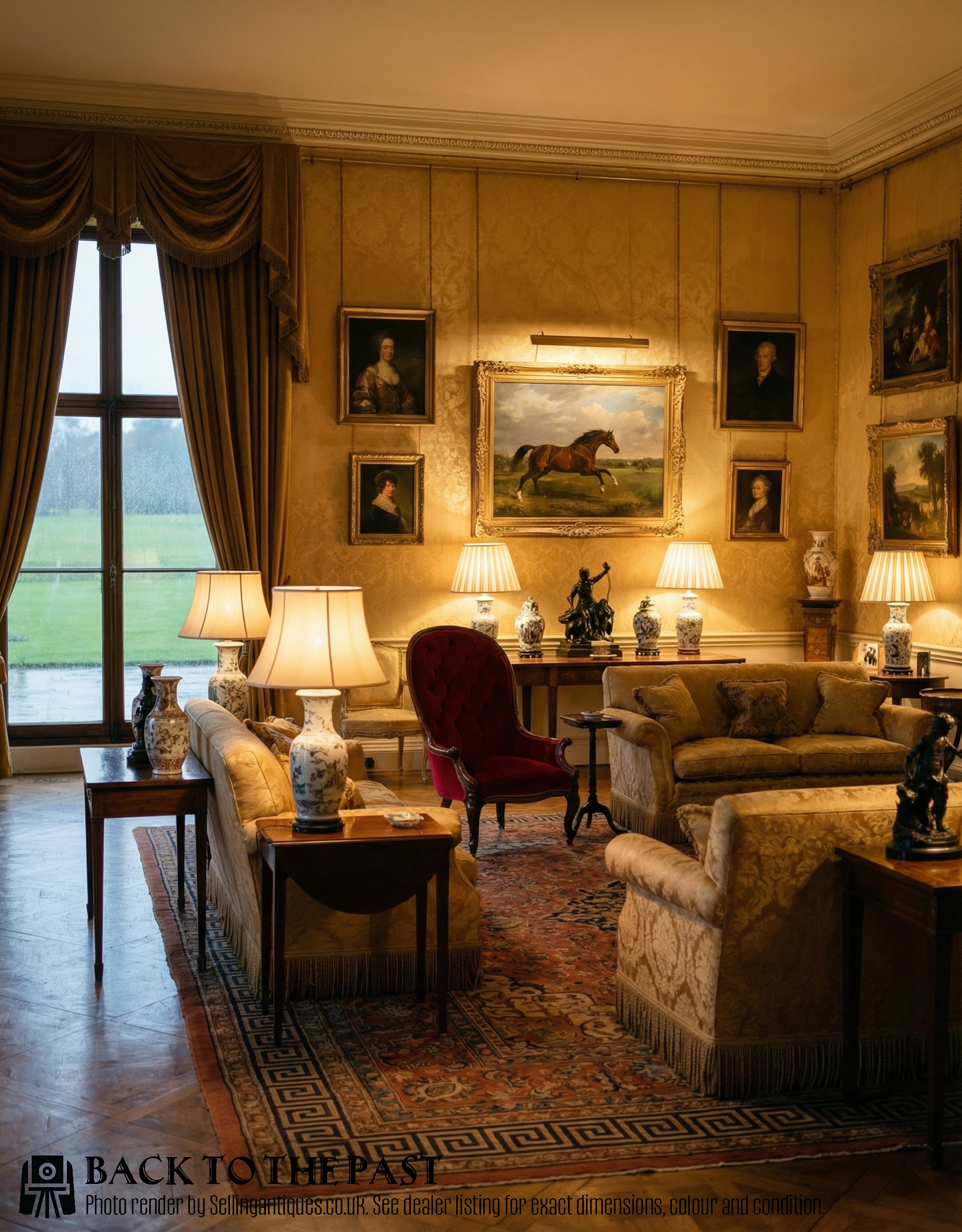
Country houses and town residences utilised various forms depending on the room's social function. Drawing rooms displayed decorative styles derived from French models.
What woods were used for the frames?
Cabinet makers predominantly selected dense hardwoods such as mahogany, walnut, and oak for their structural stability. Rosewood and goncalo alves also appear on select refined examples.
On occasion, beech or softer timbers served beneath painted or gilt finishes. The choice of wood generally corresponded to the prevailing furniture fashion of the decade.
How do I care for velvet upholstery?
Maintaining velvet involves regular gentle brushing to keep the pile aligned and prevent crushing. Direct sunlight should be avoided to prevent the textile colours from fading over time.
Professional cleaning is recommended for addressing deep marks or dirt. Handling the fabric with care preserves the tactile quality of the pile.